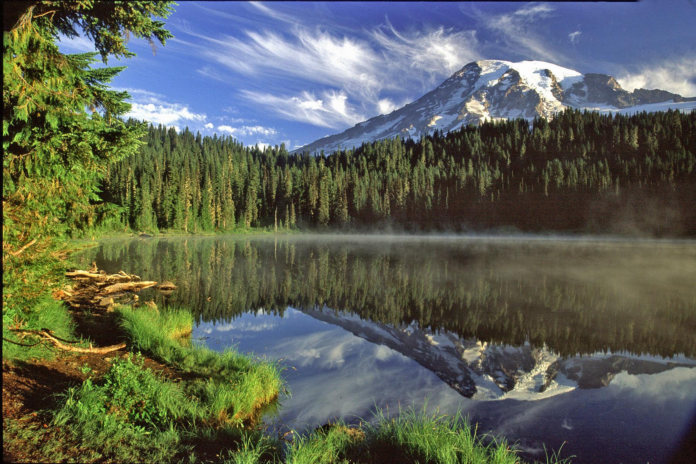
Whenever I hear “greenest state,” my mind goes straight to postcard beauty. Big forests. Snowy peaks. Empty roads. Clean-looking places.
But when I sat down with the 2026 data, I realized I was asking the wrong question. Beauty matters, sure. Still, what I really wanted to know was this: where is sustainability actually showing up in daily life?
That feels especially important in 2026 because the United States fell to 65th in the Climate Change Performance Index, whose report says strong state-level governance is essential right now.
So I looked past the scenery and followed the harder stuff: environmental quality, eco-friendly behavior, emissions-related performance, clean transport access, and the kind of infrastructure that makes greener living feel possible instead of performative. WalletHub’s 2026 ranking puts the top 10 at Vermont, Hawaii, California, New York, Washington, Maryland, Maine, New Hampshire, South Dakota, and Colorado.
What changed my mind about “green”
Here’s what I care about more now than I used to:
- Clean energy that is already part of the grid
- Charging access that makes lower-impact road trips realistic
- Lower gasoline dependence
- Buildings that waste less energy
- Forest and water stewardship that goes beyond marketing
That lens makes this ranking a lot more interesting than a standard nature list.
The 10 Greenest U.S. States in 2026
Vermont
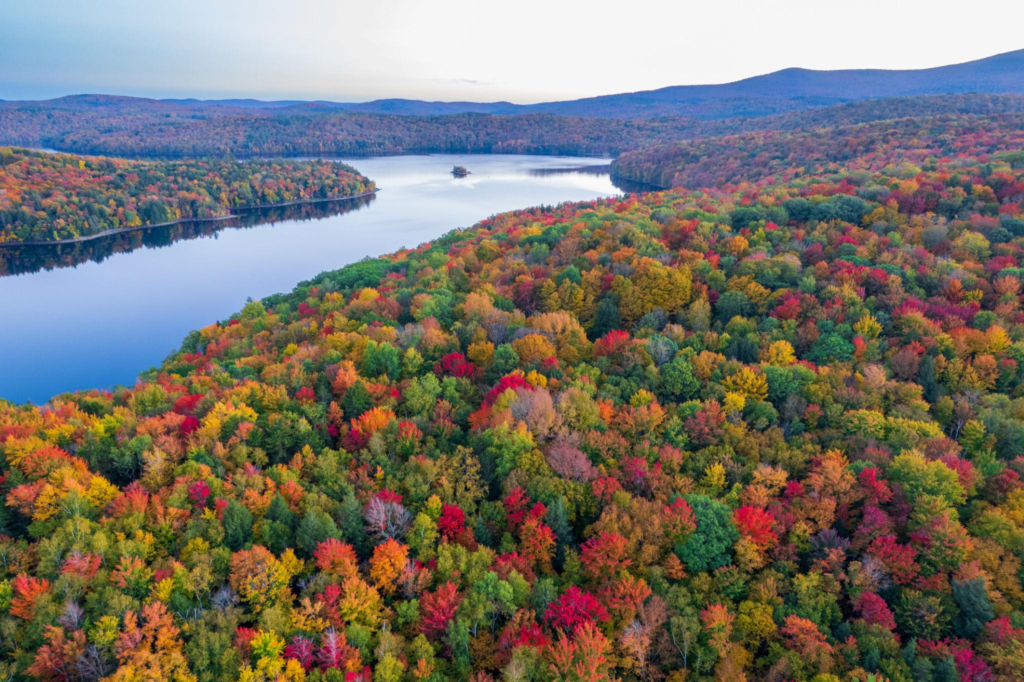
Vermont taking the top spot did not surprise me. The reason it stayed with me is that the state seems to translate its reputation into something practical. Vermont’s 2025 Annual Energy Report says the state leads the country in total public EV charging ports per capita and ranks in the top five for fast chargers per capita. That is the kind of detail I look for now because it tells me greener travel is becoming easier to do, not just easier to admire.
Hawaii

Hawaii, ranked second, is one of the clearest examples of a place trying to match its natural beauty with an actual energy transition. The Hawaiʻi State Energy Office says the state’s clean-energy goal is 100% by 2045. For me, that matters because it shows long-range intent, not just short-term branding.
California
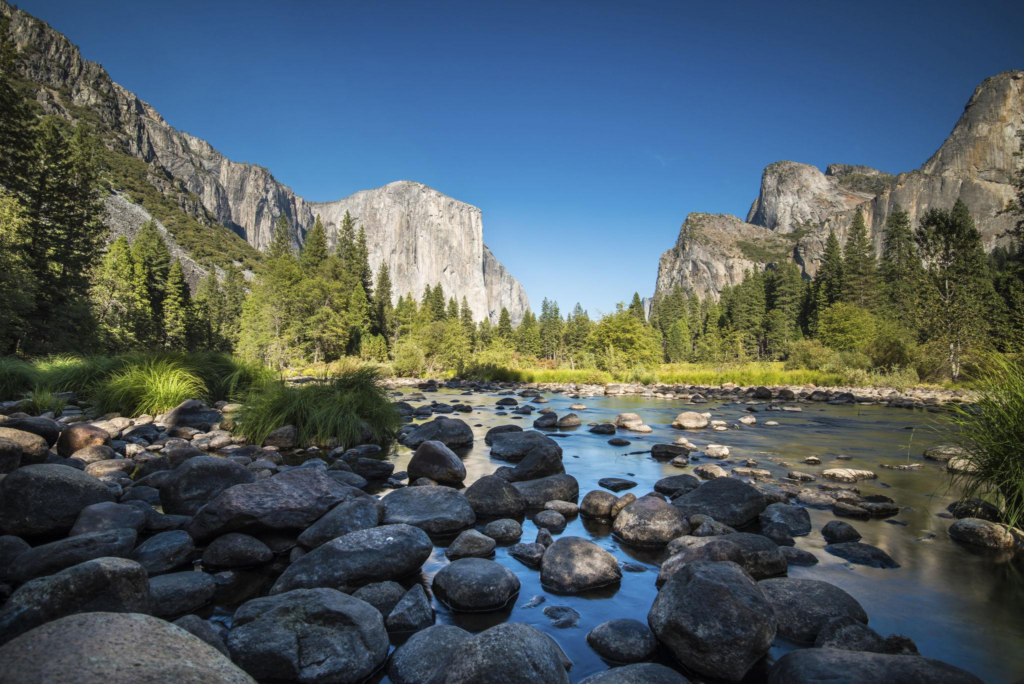
California lands at No. 3, and this is where scale changes the conversation. The California Energy Commission says California now has 201,180 public and shared EV charging ports, which is 68% more than the number of gasoline nozzles statewide. That is not a symbolic number. It is a sign that clean transport infrastructure is moving into the mainstream.
New York
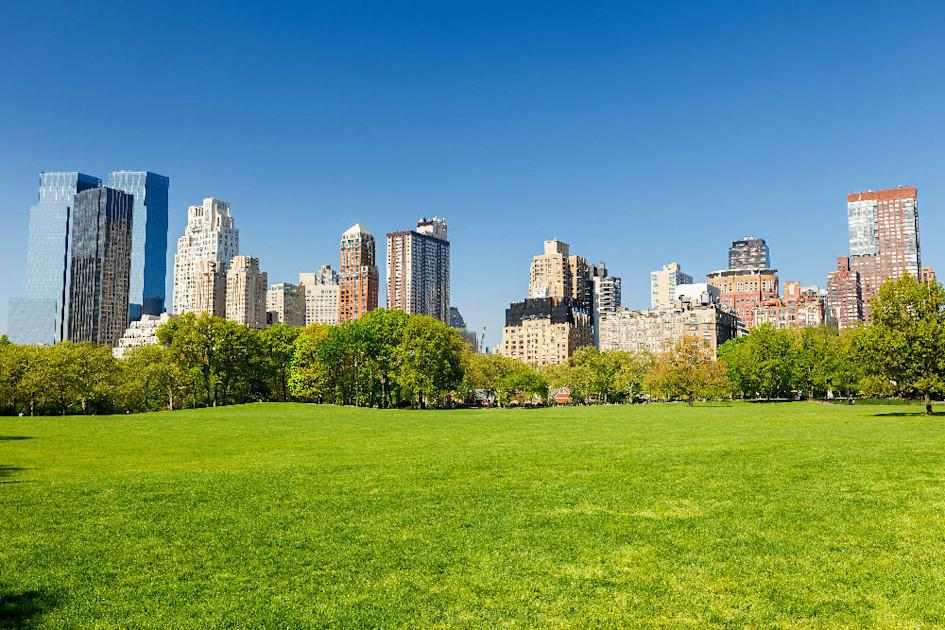
New York at No. 4 is one of the most important placements on the list, in my view, because it proves greener performance is not only a small-state story. WalletHub also ranks New York third for environmental quality and among the lowest states for gasoline consumption. That tells me density, when supported well, can work in the environment’s favor.
Washington
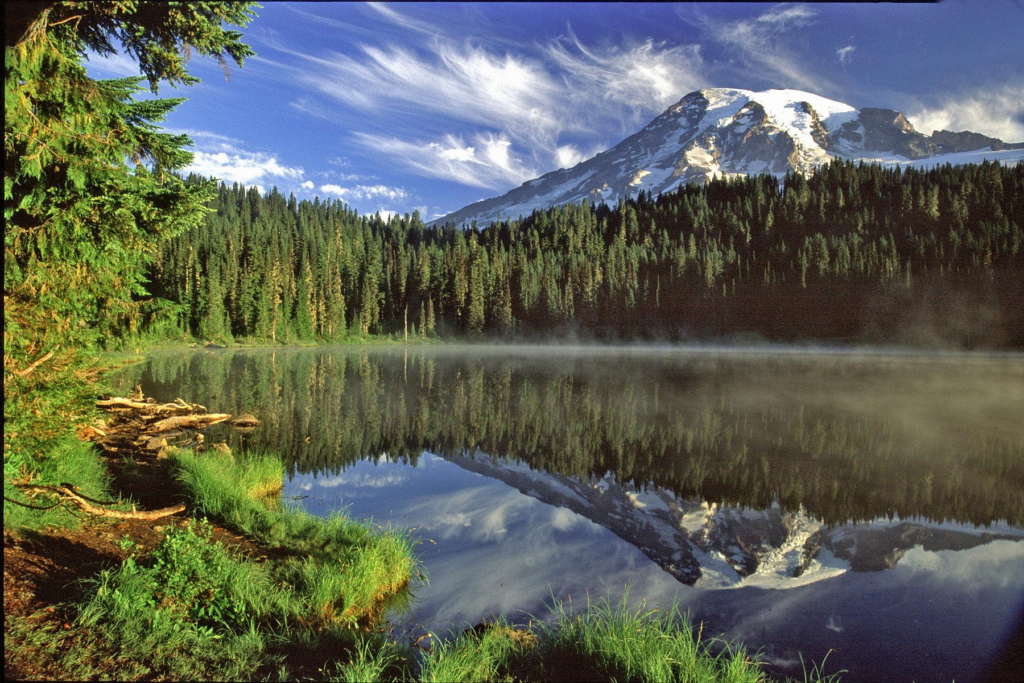
Washington feels like a state where the energy mix actually changes the mood of the place. EIA lists hydroelectric as Washington’s primary electricity source in its 2024 state electricity profile. When a state runs on cleaner power at that scale, it lifts everything else around it.
Maryland
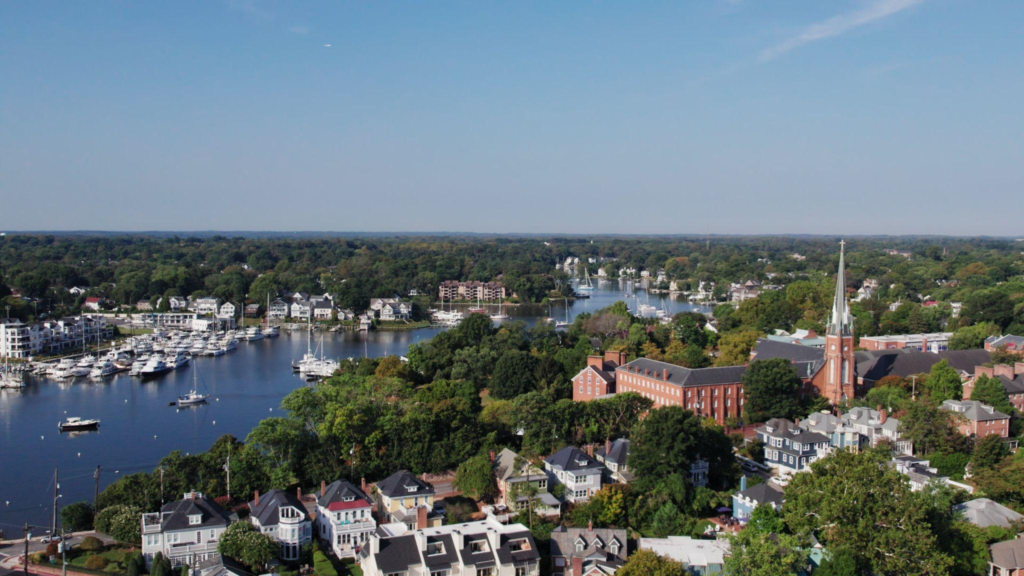
Maryland comes in sixth, and I think it deserves more attention than it gets in travel coverage. WalletHub ranks it fourth on climate-change contributions, which is a reminder that serious environmental performance is not reserved for states with huge wilderness reputations.
Maine
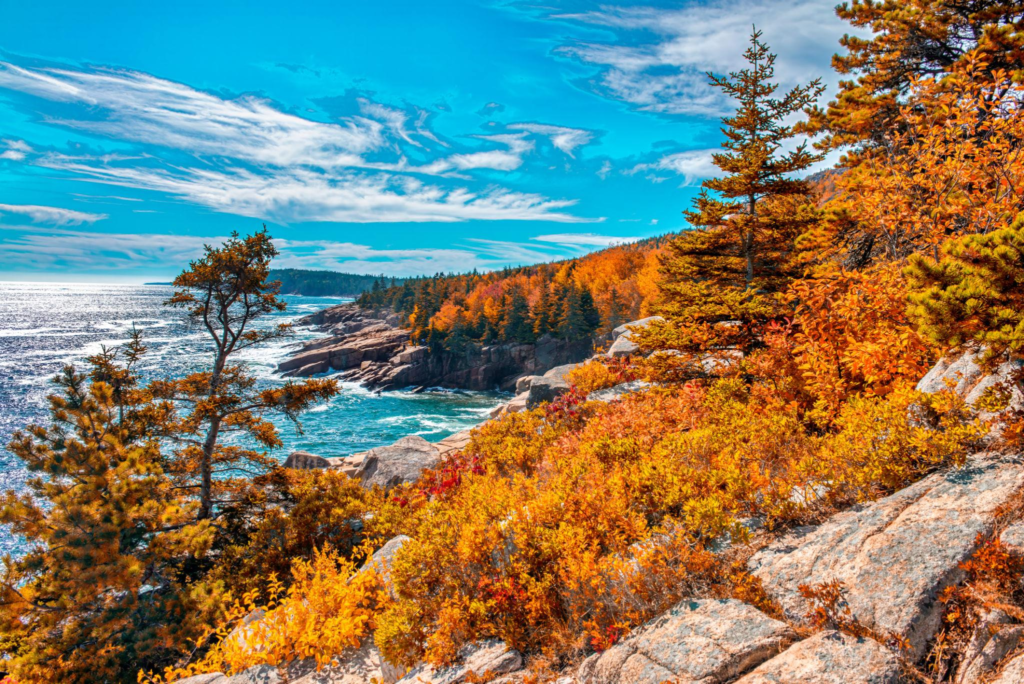
Maine at No. 7 makes sense the more I think about what real stewardship looks like. The USDA’s 2026 Maine forest fact sheet lists 17,518,847 acres of forest land in the state. Forest acreage alone does not make a state green, but it adds substance to a place that already feels deeply tied to land, water, and long-term resource care.
New Hampshire
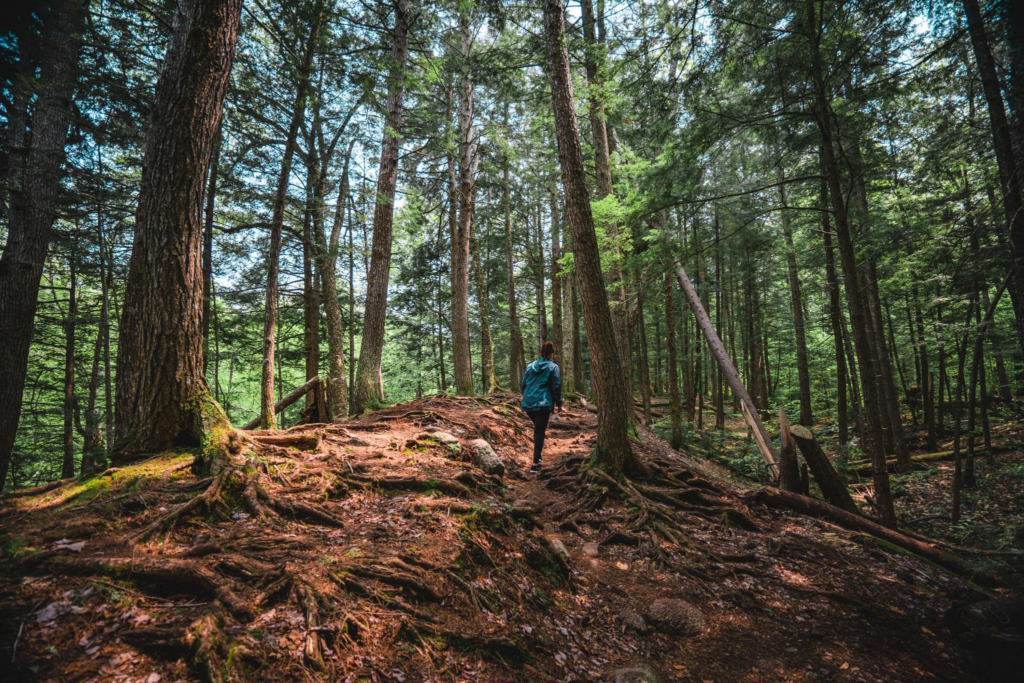
New Hampshire is eighth overall, but the detail that really grabbed me was this: WalletHub ranks New Hampshire No. 1 for climate-change contributions. That category name is a little wonky, but the takeaway is simple. New Hampshire is performing unusually well on the part of the score that tracks how much a state is adding to the problem.
South Dakota
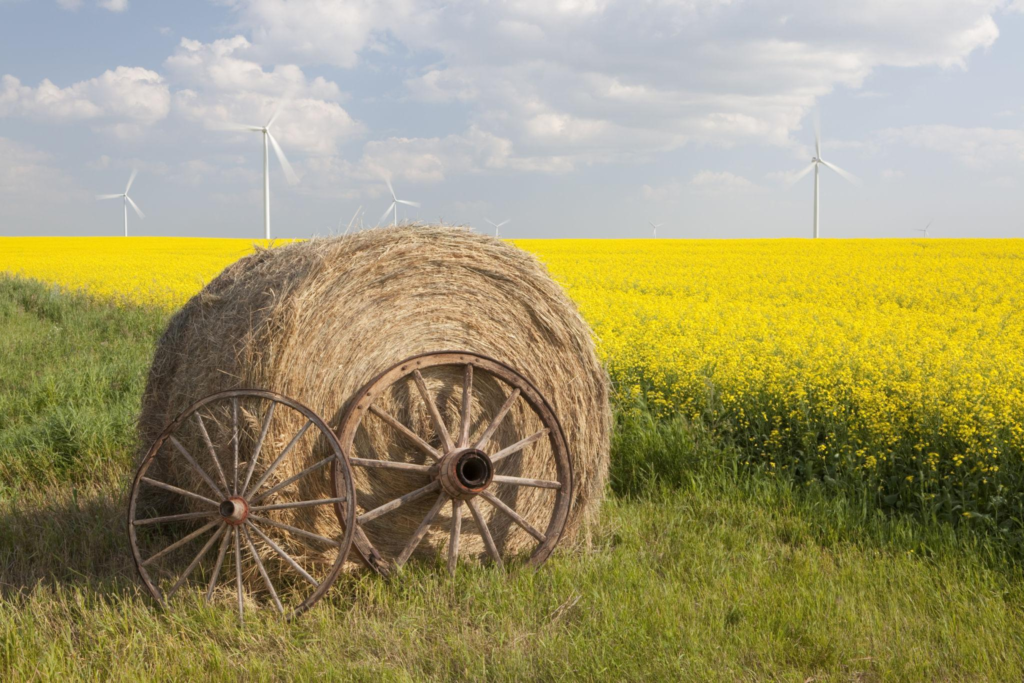
South Dakota is the list’s wild card, and I love that. WalletHub ties South Dakota for No. 1 in renewable energy consumption share. To me, this is the state that breaks the lazy assumption that environmental leadership only lives on the coasts.
Colorado
Colorado rounds out the top 10, and that placement feels earned. The U.S. Green Building Council ranked Colorado No. 3 in its Top 10 States for LEED 2025 list. I keep coming back to that because green leadership is not only about landscapes. It is also about how states build, retrofit, and operate the spaces people actually use.
What this ranking really says to me
The biggest lesson I took from this list is that the greenest states are not always the most obvious ones.
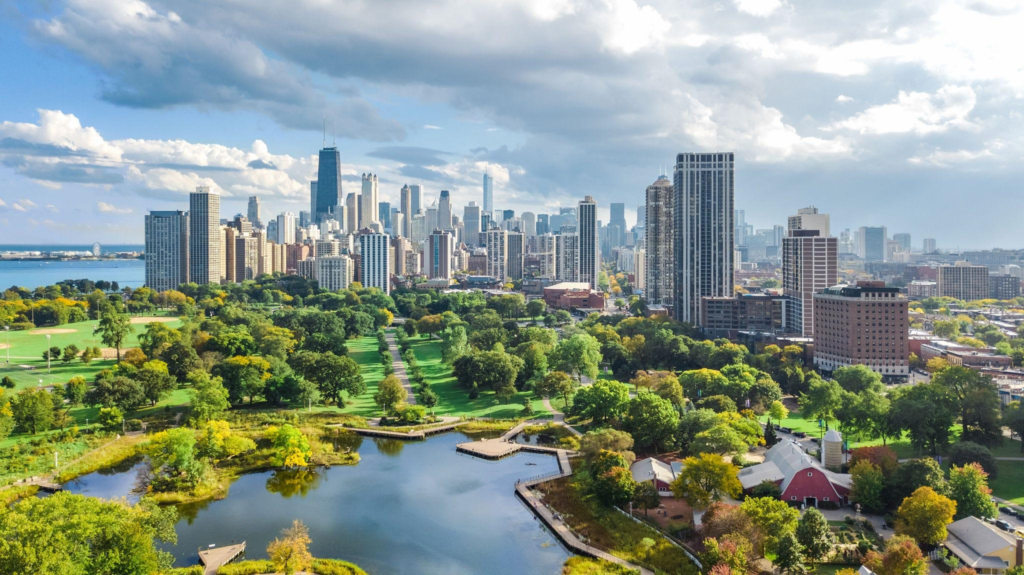
Some are scenic, yes. But what pushed them to the top was the less glamorous work:
- Making EV charging real, not theoretical
- Building cleaner grids
- Cutting gasoline dependence
- Improving environmental quality
- Treating efficient buildings like part of the climate story
That is why Vermont, California, Washington, and Colorado all feel important here for different reasons. It is also why New Hampshire and South Dakota stand out. They make this list harder to reduce to cliché.
Travel isn’t neutral anymore.
Every trip has an impact.
And data shows:
- Tourism contributes approximately 8–10% of global carbon emissions
- Sustainable travel demand has increased by over 40% globally in the past five years
- More than 70% of travelers now prefer eco-conscious destinations
This isn’t a niche anymore. It’s the future.
My final take
If I were choosing where sustainable travel feels least performative in America right now, I would not only chase dramatic scenery. I would look for the states where the greener option seems easier to live with on the ground.
That is what this 2026 ranking captures best.
The greenest states in America are not winning because they look untouched. They are winning because they are doing the unflashy work of changing how people move, build, power, and live. And to me, that is the real story.
If you want, I can also turn this into a sharper WordPress-ready version with excerpt, FAQ schema targets, and SEO title variations.
What is the greenest state in America in 2026?
Vermont ranks as the greenest state in America in 2026. It stands out for its strong environmental performance, clean-living infrastructure, and high EV charging access per capita.
How are the greenest states in the U.S. ranked?
Greenest states are usually ranked using factors like environmental quality, renewable energy use, greenhouse gas impact, fuel consumption, green buildings, and eco-friendly transportation access. These rankings aim to show where sustainability is working in everyday life, not just where nature looks beautiful.
Why is Vermont ranked higher than larger states like California or New York?
Vermont scores highly because it combines strong environmental quality with practical sustainability measures. While California and New York perform well in several categories, Vermont’s smaller scale, lower impact, and strong clean-transport infrastructure help it stand out.
Which U.S. states are best for sustainable travel in 2026?
Based on the 2026 rankings, some of the best states for sustainable travel include Vermont, Hawaii, California, Washington, Maine, and Colorado. These states offer a stronger mix of natural appeal and real-world sustainability infrastructure.
Why does EV charging matter when ranking green states?
EV charging matters because it shows whether a state is making lower-emission travel practical. A place may support sustainability in theory, but widespread charging access helps residents and travelers actually choose cleaner transportation
What should travelers look for in a truly eco-friendly destination?
Travelers should look beyond scenery and consider things like public transport, renewable energy use, EV charging availability, environmental quality, green hotels, and conservation efforts. The best eco-friendly destinations make sustainable choices easier in real life.

