
A U.S.-driven oil blockade has left Cuba without jet fuel. Here’s which airlines have suspended service, which ones are still flying, and exactly what you should do if your trip is affected.
Quick Facts
- What happened: Cuba announced jet fuel unavailable at all international airports from February 10 to at least March 11, 2026.
- Who suspended flights: Air Canada, WestJet, Air Transat (all Canadian carriers).
- Who kept flying: American Airlines, Delta, Southwest (U.S. carriers) with modified fuel policies.
- Root cause: Trump’s executive order threatening tariffs on countries supplying oil to Cuba cut off Venezuela and Mexico as fuel sources.
- 3,000+ travelers stranded in Cuba as of February 10; repatriation flights were organized.
What Triggered the Cuba Jet Fuel Crisis in February 2026
Cuba’s aviation fuel crisis did not appear overnight — it is the direct result of escalating U.S. economic pressure under President Donald Trump’s administration. In late January 2026, Trump signed an executive order threatening tariffs on any country that sells oil or petroleum products to Cuba. The move targeted Cuba’s two primary oil suppliers: Venezuela and Mexico.
Venezuela, Cuba’s historically largest petroleum source, had already seen its exports disrupted after U.S. special forces removed President Nicolás Maduro from power in early January. Mexico, the second-largest supplier, paused shipments after Washington warned that continuing to deliver fuel to Cuba would trigger punishing new tariffs.
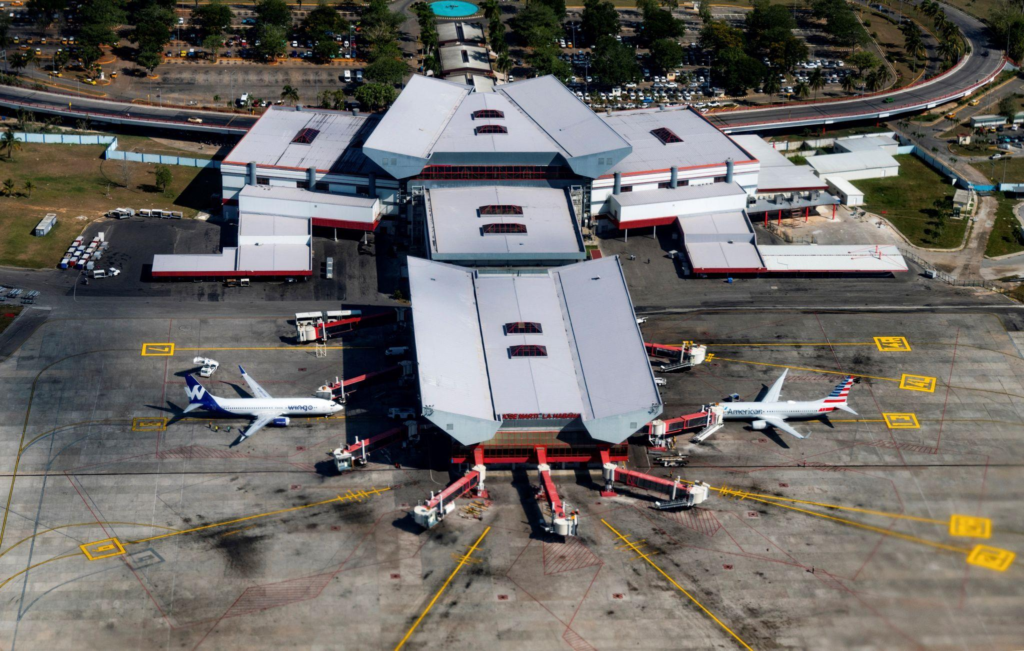
On the night of Sunday, February 9, Cuban aviation authorities issued an extraordinary notice to all airlines operating on the island: jet fuel would not be commercially available at any of Cuba’s nine international airports — including José Martí International in Havana — effective February 10, and potentially through March 11.
Context
Cuba’s energy crisis has been building for months. Rolling blackouts of up to 10 hours daily, long lines at petrol stations, and rationing of food and medicine had already been affecting residents. Experts have compared the severity of the current situation to Cuba’s “Special Period” economic depression of the 1990s, which followed the collapse of Soviet aid.
Which Airlines Suspended Cuba Flights — and Which Are Still Operating
The response from airlines was swift but far from uniform. Canadian carriers, which represent the largest share of Cuba’s international air capacity, bore the brunt of the disruption. U.S. carriers, operating shorter routes from Miami and other Florida cities, largely continued flying — with modified fuel policies.
| Airline | Country | Status | Key Actions Taken |
|---|---|---|---|
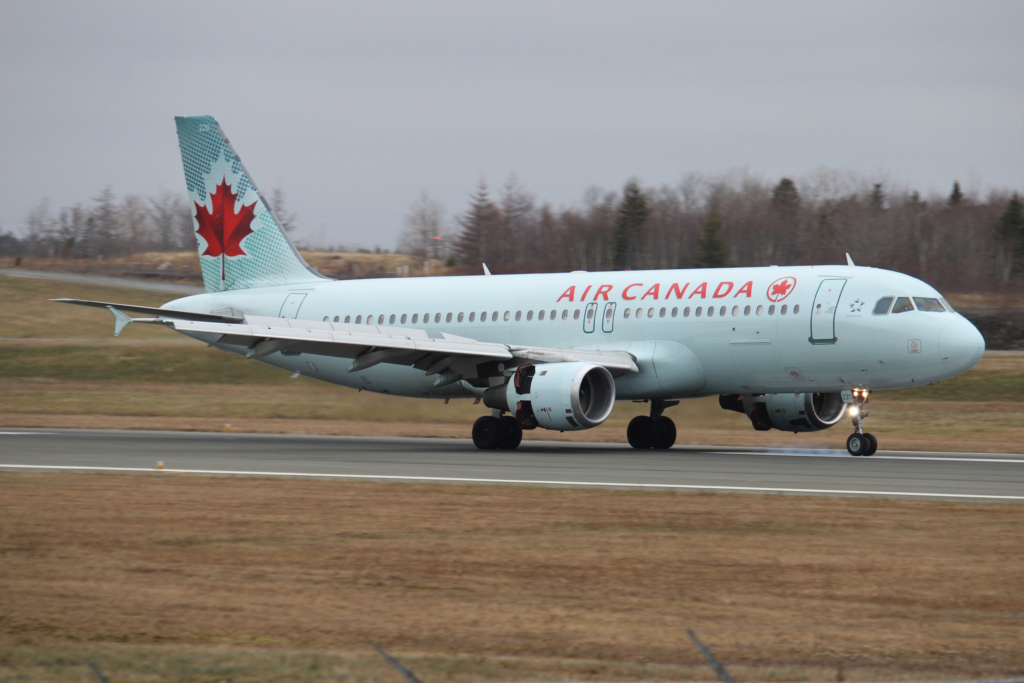
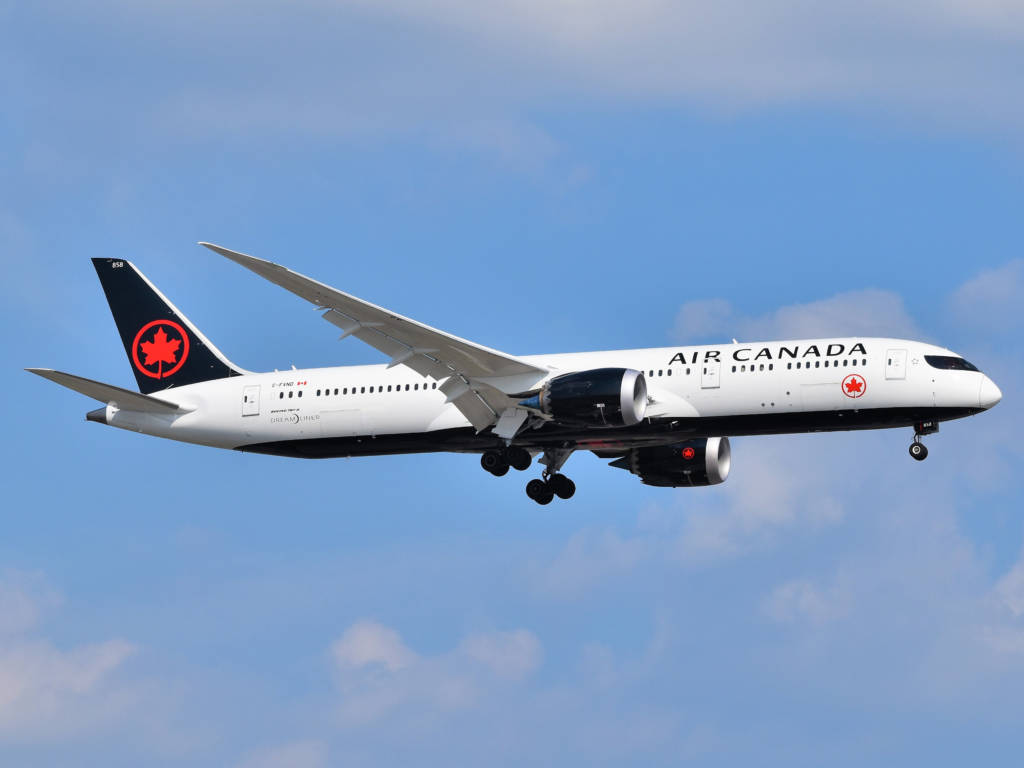
| Air Canada | Canada | Suspended | Halted all 16 weekly flights; dispatched empty ferry flights to repatriate ~3,000 stranded passengers; canceled Holguín and Santa Clara for the season; Varadero and Cayo Coco suspended through May 1. |
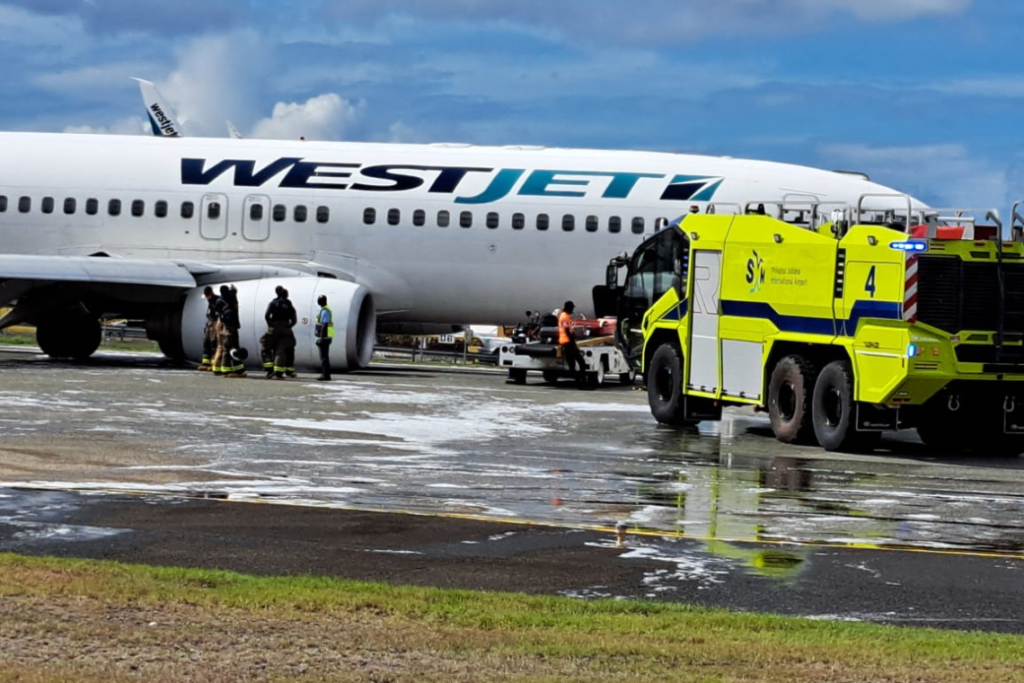
| WestJet | Canada | Suspended | Canceled scheduled flights; activated flexible rebooking policies allowing changes without penalty; sent empty aircraft to bring customers home. |
| Air Transat | Canada | Suspended through April 30 | Automatically canceled all bookings through April 30 and issued full refunds; organized repatriation flights for travelers already in Cuba. |
| American Airlines | USA | Operating | Confirmed aircraft carry enough fuel for round-trip without relying on Cuban refueling; closely monitoring the situation. |
| Delta Air Lines | USA | Operating | Confirmed daily Miami–Havana round-trip is unaffected; short route manageable without local fuel. |
| Southwest Airlines | USA | Operating (modified) | Now requires Havana-bound aircraft to carry enough fuel for the next destination; continues one daily flight to Havana. |
| Iberia | Spain | Reduced / Flexible | Introduced booking flexibility for Madrid–Havana travelers through February 28; making refueling stops in Dominican Republic or Cancún. |
| Air France / Turkish Airlines | Europe | Continuing with stops | Expected to maintain long-haul service but adding technical refueling stops in Caribbean neighbors on return legs. |
According to aviation data from OAG Schedules Analyser, Canadian carriers collectively dominate Cuba’s international seat capacity: WestJet alone holds approximately 21% of total international capacity to and from Cuba, Air Transat around 12%, and Air Canada about 4%. This concentration explains why the suspension hit Cuba’s tourism sector so severely.
How Airlines Are Still Flying to Cuba Without Refueling There
Airlines that have not fully suspended service are using two main operational workarounds. The first is fuel tankering — loading significantly more jet fuel at the departure airport than would normally be required for a one-way flight, effectively carrying enough to fly both legs of the journey without touching Cuban fuel supplies. This approach is practical for shorter routes like Miami–Havana but costly and operationally complex for long-haul international flights.
The second strategy is technical refueling stops in neighboring countries. Airlines operating longer routes — particularly from Europe or Canada — are planning to land in the Dominican Republic, Cancún (Mexico), or Nassau (Bahamas) to refuel before and after their Cuba legs. This method adds travel time and cost but keeps routes viable.
Important for Long-Haul Travelers
If you are booked on a European or long-haul carrier to Cuba, expect possible unscheduled stops or extended travel times. Contact your airline directly to understand their current operational plan before you depart.
What the Cuba Fuel Shortage Means for Tourism and the Cuban Economy
Cuba’s tourism industry is a critical economic pillar — one that generated roughly $3 billion in annual revenue before years of pandemic disruption and U.S. sanctions eroded visitor numbers. Canada is Cuba’s single largest tourism market: in 2025, over 754,000 Canadian visitors traveled to the island, according to Cuba’s National Office of Statistics. The suspension of Canadian airline services represents a near-total collapse of Cuba’s most important source of winter tourism revenue.
The broader humanitarian picture is concerning. Cuba has already cut bank operating hours, suspended cultural events including the Havana International Book Fair, shortened school days, reduced the working week at state firms to four days, and restricted fuel sales at petrol stations to 20 litres per customer — payable only in U.S. dollars. Public transport in Havana has largely ground to a halt.
Russia has described the situation as “truly critical,” while the United Nations has warned of a potential humanitarian “collapse” if Cuba’s oil needs go unmet. China’s foreign ministry stated it would “as always” seek to provide assistance to Cuba. Mexico’s President Claudia Sheinbaum delivered over 800 tonnes of humanitarian aid and has sought a diplomatic path to resume oil shipments without triggering U.S. tariffs.
What Travelers with Upcoming Cuba Bookings Should Do Right Now
If you have a Cuba trip planned in the coming weeks or months, the situation requires careful action depending on your airline and travel dates.
If you were booked on Air Transat: Your booking has likely been automatically canceled and a refund processed. Check your email and contact Air Transat to confirm, especially if travel was scheduled through April 30, 2026.
If you were booked on Air Canada or WestJet: Both airlines have activated flexible rebooking policies. Contact them directly to rebook for a future date or request a refund. Do not assume automatic processing — initiate the conversation yourself.
If you are currently in Cuba: Repatriation flights have been organized and are operating. Monitor your airline’s communications closely, as seat allocation and scheduling has been fluid. Your airline’s emergency hotline is your first point of contact.
If you are booked on a U.S. carrier (American, Delta, Southwest): As of now, services continue. However, the situation remains dynamic. Monitor your flight status daily and ensure you have travel insurance that covers geopolitical disruptions.
If you have future bookings beyond March 11: The March 11 date is the earliest Cuba estimates fuel could return to availability — it is not a guarantee. Industry insiders recommend waiting at least two weeks before making new bookings to Cuba, until the operational picture becomes clearer.
Travel Insurance Tip
If you have a non-refundable Cuba trip that has not yet been officially canceled by your airline, purchase travel cancellation or interruption insurance now, while you still can. Once a disruption is publicly declared, many policies will not cover new claims related to that specific event. Act immediately rather than waiting for official cancellation notices.
How Long Will Cuba Flights Be Disrupted and What Happens Next
Cuba’s aviation authority issued its fuel unavailability notice through March 11, 2026 — but experts are cautious about treating that as a firm restart date. The underlying cause is geopolitical, not logistical: until the U.S. and Cuba reach some form of agreement, or until Cuba secures alternative fuel sources, the disruption could extend indefinitely.
Cuban President Miguel Díaz-Canel has stated that his government is prepared to hold “meaningful” talks with Washington but not under conditions of pressure or demands for regime change. Trump, meanwhile, has signaled that Cuba can avoid further restrictions by striking “a deal” — potentially tied to returning confiscated property to Cuban exiles.
The most likely short-term scenarios are: a diplomatic agreement between Mexico and the U.S. that allows resumed oil shipments to Cuba, or Cuba securing emergency supplies from Russia or China. Either path is uncertain. Air Transat’s decision to suspend all Cuba flights through April 30 reflects the industry’s view that a quick resolution is not guaranteed.
Industry Advice for Future Bookings
Travel industry professionals are advising travelers to hold off on new Cuba bookings for at least two to four weeks. The situation could normalize quickly if a diplomatic resolution is reached — or extend significantly if it is not. Watch for airline announcements, particularly from Air Canada and WestJet, as their restart dates will be the clearest indicator of normalized operations.
Frequently Asked Questions About Cuba Flight Cancellations
Are all flights to Cuba canceled?
No. Canadian carriers — Air Canada, WestJet, and Air Transat — have suspended service. Major U.S. airlines (American, Delta, Southwest) are still operating daily flights to Havana, using fuel-tanking strategies. Some European carriers are continuing with added refueling stops in the Dominican Republic or Mexico.
Will I get a refund if my Cuba flight was canceled?
Yes, in most cases. Air Transat is automatically refunding all affected bookings through April 30. Air Canada and WestJet have activated flexible rebooking and refund policies. Contact your airline directly to initiate the process — especially if you have not received automatic communication.
Is it safe to be in Cuba right now?
Airlines and travel authorities have stated there are no safety or security concerns for tourists already in Cuba. The crisis is an energy and economic one, not a security incident. However, services may be reduced — expect limited public transport, possible power outages, and reduced hours at some businesses and banks.
When will Cuba flights resume?
Cuba’s fuel unavailability notice runs through March 11, 2026 at the earliest. Air Transat has suspended bookings through April 30. Air Canada has set a tentative restart of May 1 for year-round routes, subject to review. New bookings before a diplomatic resolution is confirmed carry risk.
Why is Cuba running out of jet fuel?
U.S. President Trump signed an executive order threatening tariffs on countries that supply oil to Cuba. This pressured Venezuela (Cuba’s largest supplier) and Mexico (second-largest) to pause shipments. Without these fuel sources, Cuba’s aviation fuel reserves have been depleted across all nine of its international airports.
Can I still fly from the U.S. to Cuba?
Yes. American Airlines, Delta Air Lines, and Southwest Airlines are all continuing their Cuba services, primarily the Miami–Havana route. These short routes allow aircraft to carry sufficient fuel for the full round-trip without needing to refuel in Cuba. Monitor your specific flight status before travel.

