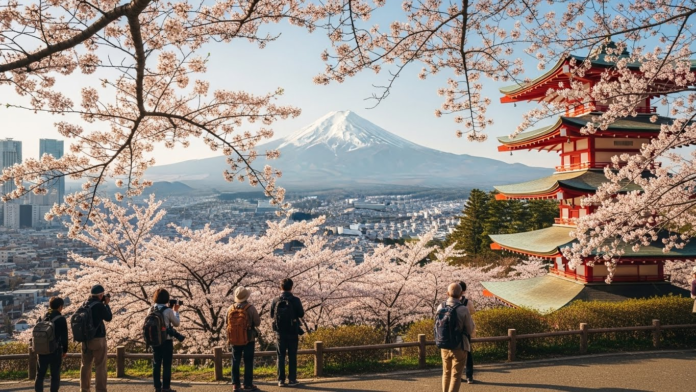
2-Week trip to Japan would cost ¥180,000–¥450,000 per person plus flights, depending on whether you travel like a scrappy local or enjoy midrange comfort. The biggest price drivers in 2026 are long-haul flights, accommodation in big cities, and longer Shinkansen rides. My trip notes below show how to plan, where to save, and what surprised me.
Winning angle
I traveled Japan for two weeks and kept a daily cost diary so this is not an academic estimate. I show what I actually paid, what most bloggers miss since the JR Pass changes, and one unexpected money-saver that cut my transport bill in half.
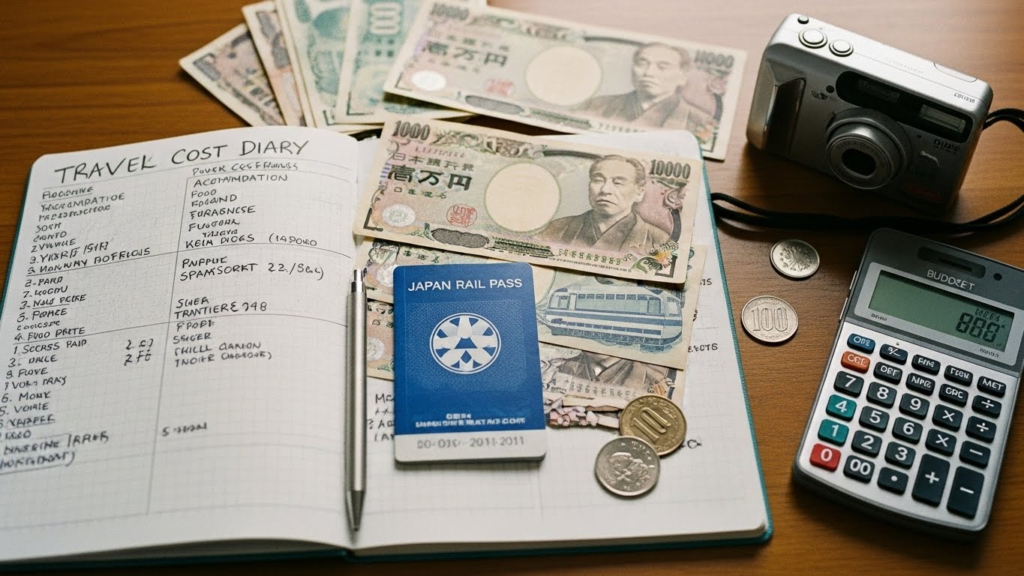
The short snapshot of 2 week Japan trip cost
- Flights: $450–$900 roundtrip from North America/Europe in deals, cheaper from Asia.
- JR Pass and regional trains: Prices rose after 2023, so factor in ¥80,000–¥110,000 for a 14-day nationwide pass or consider regional passes.
- Daily budget: Budget ¥7,000–¥15,000, Midrange ¥18,000–¥35,000, Comfort ¥40,000+ (food, transport within cities, sights).
Real cost table (two weeks, per person)
| Style | Flights | Accommodation (14 nights) | Transport & JR Pass | Food & drink | Activities & extras | Total est. |
|---|---|---|---|---|---|---|
| Budget | $450 | ¥70,000 | ¥0–¥30,000 (no JR Pass, buses) | ¥28,000 | ¥20,000 | ≈ $1,000–$1,400 |
| Midrange | $650 | ¥140,000 | ¥80,000 (14-day JR Pass) | ¥56,000 | ¥40,000 | ≈ $2,400–$3,200 |
| Comfort | $900+ | ¥300,000 | ¥110,000 (flex travel + private trains) | ¥84,000 | ¥80,000 | ≈ $4,000+ |
Note: accommodation shown in yen. Totals convert roughly depending on currency that month.
How I actually spent my two weeks (short diary)
Tokyo 4 nights: compact hotel, lots of konbini meals, subway day passes.
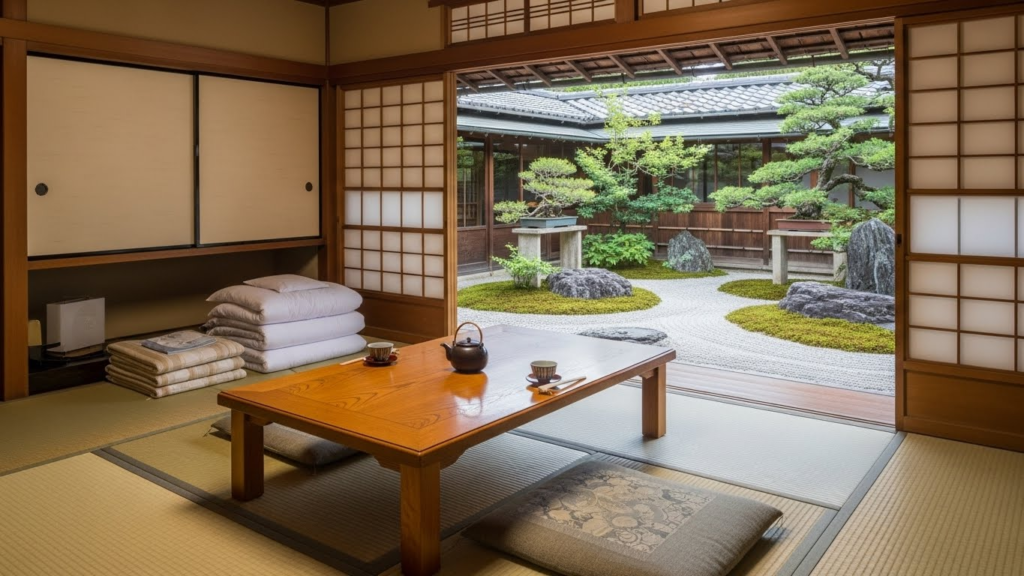
Kyoto 4 nights: a small ryokan one night, many temples.
Osaka 3 nights: street food and a late-night izakaya.
One-day trips to Hakone and Nara by regional trains.
I bought a 14-day JR-type pass early, then switched strategy mid-trip and used regional tickets plus one overnight bus. That change saved me nearly ¥20,000.
Why 2026 feels different?
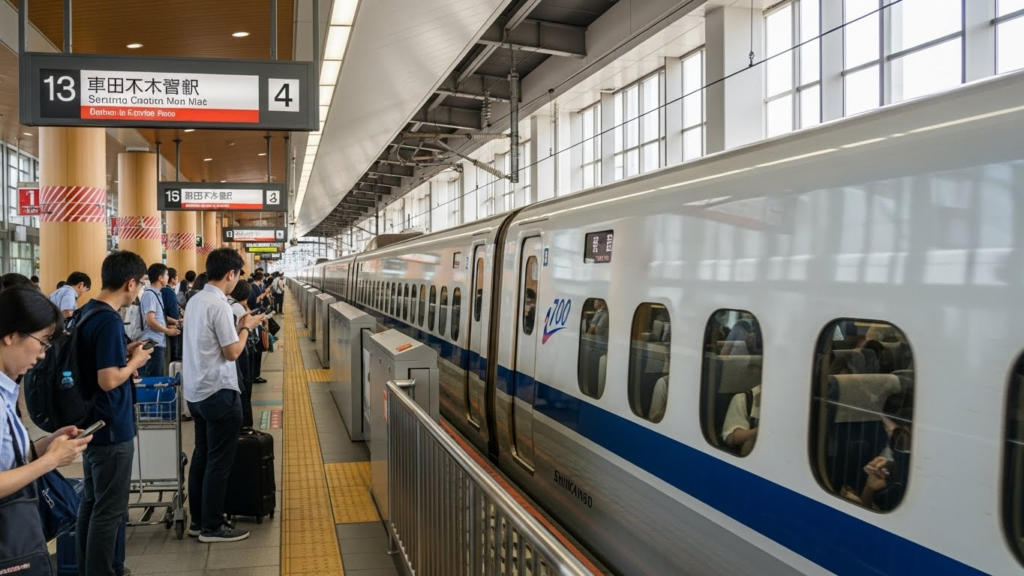
After price changes to nationwide rail passes in 2023 and ongoing inflation in tourism hotspots, the JR-style passes are pricier than they used to be. That means the pass still makes sense if you plan multiple long Shinkansen hops, but for hub-and-spoke itineraries regional passes, highway buses, and overnight services are suddenly more competitive. Kyoto has also adjusted accommodation taxes affecting luxury stays, which nudges high-end totals upward. Wanna know more about what else changed in tech and AI in this futuristic country? Here is my other blog on it.
Where to save money (practical tips)
- Mix transport. Buy regional rail passes and single Shinkansen legs instead of an automatic nationwide pass unless you are truly crisscrossing the country. I advise you to check this official website for latest information.
- Use overnight buses for long hops, they are comfortable and cut one night of accommodation.
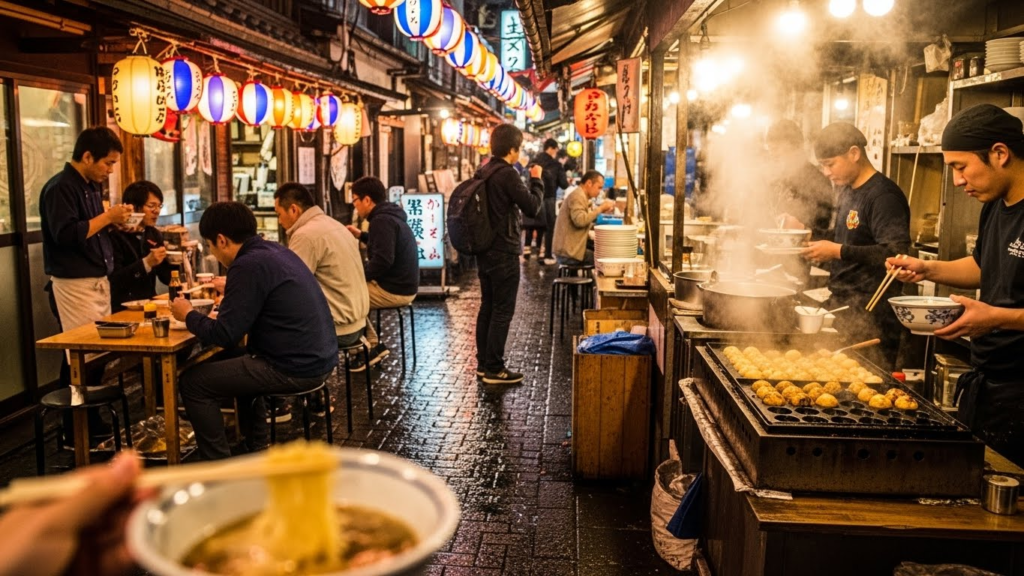
- Eat like a local. Convenience store meals, standing sushi bars, and izakayas offer huge flavor at low cost.
- Book big-city hotels early for best rates and consider business hotels for midrange comfort without the price tag.
What to splurge on?
A proper ryokan experience, a couple of premium Shinkansen trips for views, and a kaiseki meal at least once. Those are the memories you will keep.
Final practical sample budget I recommend for two weeks
If you want a realistic, comfortable two-week Japan trip in 2026 book flights early, plan two long-distance rail legs only, and use city passes inside Tokyo and Osaka. Budget about ¥250,000–¥350,000 per person plus flights for a relaxed midrange trip with a few splurges.
How much money do I need for a 2-week trip to Japan in 2026?
Most travelers need ¥250,000–¥350,000 per person plus flights for a comfortable midrange two-week trip in 2026. Budget travelers can spend less, while comfort or luxury trips cost significantly more.
Is Japan expensive for tourists in 2026?
Japan feels moderately priced, not cheap but not extreme. Food, public transport, and attractions remain affordable. Accommodation and long-distance rail travel are the biggest expenses in 2026.
How much should I budget per day in Japan?
Daily costs in 2026 average:
Budget: ¥7,000–¥15,000
Midrange: ¥18,000–¥35,000
Comfort/Luxury: ¥40,000+
This excludes long-distance trains and flights.
Is the JR Pass still worth it in 2026?
Only if you plan multiple long Shinkansen trips. After price increases, many travelers save money by combining regional passes, single tickets, and buses instead of buying a nationwide pass.
How much do flights to Japan cost in 2026?
Roundtrip flights typically range from:
$450–$650 from Asia
$550–$900 from North America and Europe
Booking early or flying shoulder season makes a big difference.
What is the cheapest way to travel around Japan?
The cheapest strategy is mixing regional trains, local subways, and overnight highway buses. This also saves on accommodation for one night.
How much does food cost in Japan per day?
Most travelers spend ¥2,000–¥6,000 per day on food. Convenience stores, ramen shops, and izakayas offer excellent quality without high prices.
Is cash still necessary in Japan in 2026?
Yes, though less than before. Many places accept cards, but small restaurants, temples, buses, and rural areas still require cash. Carry at least ¥10,000–¥20,000 at all times.
Is Japan cheaper than Europe or the US for travel?
For food, transport, and attractions, Japan is often cheaper than Western Europe or major US cities. Accommodation costs can be similar in big cities like Tokyo and Kyoto.
When is the cheapest time to visit Japan in 2026?
The most affordable months are January to February and late June to early July. Cherry blossom season and autumn foliage are the most expensive.

