
Japan has never been shy about doing things its own way. Quietly. Methodically. Often without much global noise.
That is exactly why many travelers are about to be caught off guard in 2026.
If Japan is on your travel list and you are pricing flights, planning routes, or locking in dates, there is one new rule that directly affects every international traveler, no matter where you are from.

I nearly missed it myself. Most people will.
And that is why this matters.
The New Japan Rule in 2026 (What Actually Changed)
Japan is increasing its international departure tax, a mandatory fee charged to every traveler leaving the country by air or sea.
This tax already exists, but in 2026 it is set to increase significantly, effectively tripling compared to what travelers have paid in recent years.
This is not a visa.
This is not optional.
And it is not something you can avoid by booking cheaper airlines.
If you leave Japan in 2026, you pay it.
What Is Japan’s Departure Tax?
Japan introduced its international departure tax to help fund:
- Tourism infrastructure
- Airport upgrades
- Overtourism control measures
- Visitor management in cities like Kyoto and Tokyo
Until now, the fee was small enough that many travelers never noticed it. In 2026, that changes.
The increase may seem modest on paper, but it signals something much bigger.
Why Japan Is Doing This Now?
Japan is facing a problem it did not expect to face so fast.
Tourism has exploded.
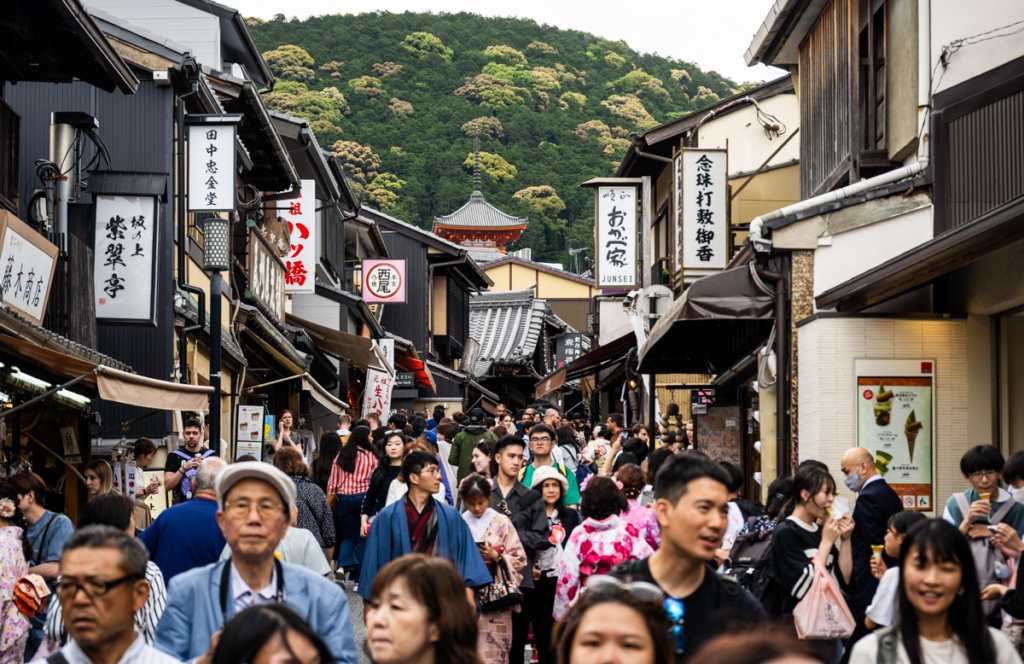
Cities like Kyoto and Tokyo are experiencing record-breaking visitor numbers, strained public transport, and growing frustration from locals.

Rather than banning visitors, Japan is choosing a different approach:
- Make travel slightly more expensive
- Filter out ultra-short, high-volume tourism
- Fund systems that protect daily life
This departure tax increase is part of a broader shift toward controlled tourism, not mass tourism. If you are traveling to Japan and want to have a rough idea, I have curated a full blog on the cost of 2-week trip to Japan.
Who Has to Pay the New Japan Departure Tax?
This is where many travelers get surprised.
You will pay the tax if you are:
- A foreign tourist
- A digital nomad or long-stay visitor
- A Japanese citizen
- A resident leaving Japan
It applies to everyone, regardless of passport.
Children are usually included unless specifically exempted by airline rules.
Transit passengers who never clear immigration are often exempt, but most travelers do not fall into that category.
How This Affects the Cost of Your Japan Trip?
On its own, the tax increase will not ruin your trip.
But it stacks.
By 2026, travelers are also dealing with:
- Higher accommodation taxes in major cities
- Rising hotel prices due to demand
- Crowded attractions requiring reservations
- Potential future entry screening systems
The era of Japan being a “cheap, easy, spontaneous” destination is quietly ending.
And this departure tax is the clearest signal yet.
Tax-Free Shopping Changes in 2026
The core change involves the consumption tax exemption for foreign tourists.
Under the old system, tourists showed a passport at a store (like Don Quijote or Uniqlo) and paid the tax-free price instantly. In 2026, the Japan Tourism Agency is shifting to a refund-at-departure model to combat illegal resale of duty-free goods.
How the “Pay First, Refund Later” System Works
- In-Store: You pay the full price, including the 10% consumption tax.
- Verification: The store scans your passport to log the purchase digitally.
- At the Airport: You must present your purchased goods and passport at a designated customs counter before departure.
- The Refund: Once customs verifies you are taking the goods out of Japan, the tax amount is refunded to your credit card or in cash.
Why This Matters for Your Wallet
You need more upfront liquidity. If you plan to buy a luxury watch for ¥1,000,000 (approx. $6,700 USD), you must now pay the ¥100,000 tax upfront. You will not get that money back until you leave the country.
Other Update: The Sayonara Tax Increase
In addition to shopping changes, verify the current rate of the International Tourist Tax or Sayonara Tax.
While initially set at ¥1,000 per person, discussions in the 2025 fiscal year proposed raising this to ¥3,000 to fund overtourism countermeasures. Check your airline ticket breakdown; this fee is usually collected automatically by the airline upon booking.

Clarification on JESTA (Japan ESTA)
Many travelers are confusing the tax rules with JESTA (Japan Electronic System for Travel Authorization).
- Status: As of early 2026, JESTA is in phased rollout.
- Requirement: Visa-free entry nationals (from US, UK, Australia, etc.) eventually need to declare their entry online prior to flight.
- Action: Check the official Ministry of Foreign Affairs website 72 hours before flying. Do not use third-party “visa agencies” that charge high fees for this simple declaration.
Why You Should Not Book Japan Blindly for 2026?
Many travelers book Japan emotionally. Cherry blossoms. Neon nights. Bullet trains.
In 2026, you need to book strategically.
Here is why waiting matters:
- Airlines may adjust ticket pricing once taxes are fully embedded
- Budget airlines may advertise low fares that hide higher exit costs
- Multi-country itineraries become more expensive if Japan is your final stop
- Short trips feel less “worth it” compared to longer stays
Japan is subtly encouraging slower, longer, more intentional travel.
What Smart Travelers Are Doing Instead?
Travelers paying attention are:
- Visiting Japan before the new tax fully kicks in
- Staying longer to justify higher exit costs
- Pairing Japan with fewer countries, not more
- Choosing secondary cities over Kyoto and Tokyo
Places like Kanazawa, Takayama, and Kyushu are gaining attention for a reason.
Is Japan Still Worth Visiting in 2026?
Absolutely.
But the mindset needs to change.
Japan in 2026 is not about quick highlights and rushed itineraries. It rewards travelers who slow down, respect systems, and plan ahead.
If you treat Japan like a checklist destination, it will feel expensive and crowded.
If you treat it like a place to settle into, it still delivers magic.
The Bigger Signal Most People Are Missing
This rule is not just about money.
It is about Japan saying:
“We want visitors, but not at any cost.”
Expect more quiet changes like this in the coming years:
- More reservation-only attractions
- Higher local accommodation taxes
- Stricter rules in overtouristed neighborhoods
Japan is protecting itself, calmly and deliberately.
Final Thoughts
Japan remains one of the most rewarding countries I have ever traveled through.
But it is no longer effortless.
The travelers who will love Japan in 2026 are the ones who adapt, not complain. The ones who read the fine print. The ones who understand that small rules signal big shifts.
Before you book that flight, understand what Japan is becoming.
Is there a new Japan departure tax in 2026?
Yes. Starting July 1, 2026, Japan will triple its international departure tax from ¥1,000 to ¥3,000 per person on air and sea departures to help manage overtourism and fund tourism services.
Who has to pay Japan’s departure tax?
Everyone departing Japan by air or sea — including foreign tourists, residents, and Japanese citizens — will pay the increased departure tax.
When does Japan’s departure tax change take effect?
The Japan departure tax increase takes effect on July 1, 2026.
Will Japan change its tax-free shopping rules in 2026?
Yes. From November 1, 2026, Japan will switch to a refund-based tax-free shopping system where you pay consumption tax at purchase and claim refunds at departure.
Are Japan visa fees increasing in 2026?
Japan plans to raise visa application fees significantly in 2026, with single-entry visa fees reportedly discussed at much higher levels than before (exact amounts vary by nationality and are still being finalized).
Do I need a visa for Japan in 2026?
Visa requirements depend on your nationality. Many countries still enjoy visa-free entry for short stays, but always check Japan’s current entry rules before booking.
Will Japan introduce any new electronic travel authorisation?
Japan plans to introduce a pre-travel electronic travel authorization system (similar to ESTA) by 2027, so 2026 may be the last year you can enter without this.
Is it cheaper to travel to Japan before July 2026?
Yes. Traveling before July 2026 avoids the higher departure tax and potentially rising visa and tourist fees, making earlier booking more cost-effective.
Do these new rules affect transit passengers?
Transit passengers who do not leave the airport or clear Japanese immigration may remain exempt from the departure tax, but exact conditions depend on the airline and itinerary.
Are other tourist taxes changing in Japan in 2026?
Yes. In addition to departure tax increases, some cities like Kyoto are also raising local tourist/accommodation taxes in 2026 to manage overtourism.

