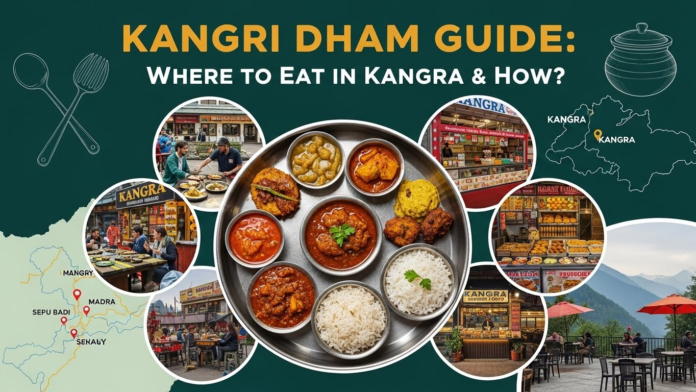
The first time I ate Kangri Dham, I did it wrong. I asked for spoons, tried to pace myself, and made the rookie mistake of filling up too early. The old uncle sitting next to me laughed quietly, slid his leaf plate closer, and said, “Aram se. Dham da maza last mein aata hai.” Take it slow. The real magic comes at the end.
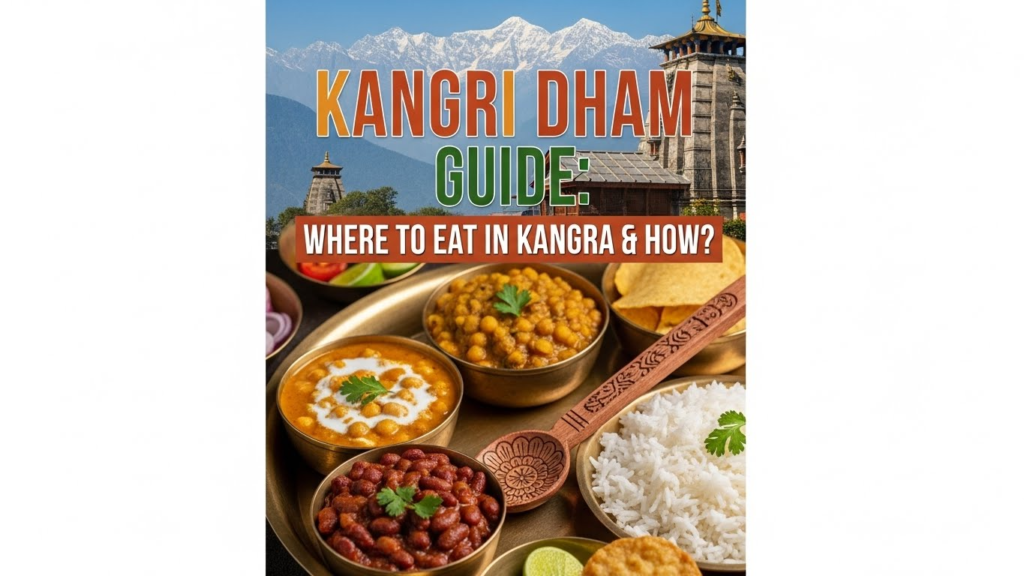
That sentence stayed with me. Because Kangri Dham is not just food. It is rhythm, patience, and knowing when to wait.
If you are traveling through Himachal Pradesh and want to understand Kangra beyond cafés and viewpoints, learning how to eat Kangri Dham like a local is one of the most authentic things you can do.
What Is Kangri Dham, Really?
Kangri Dham is a traditional festive meal from the Kangra Valley region of Himachal Pradesh. It is usually cooked for weddings, temple festivals, and important community gatherings. If you’re traveling from Delhi or Chandigarh, be sure to check my blog for flight options as well.
But calling it a “meal” undersells it. Dham is a ritual.
It is:
- Fully vegetarian
- Slow-cooked over hours
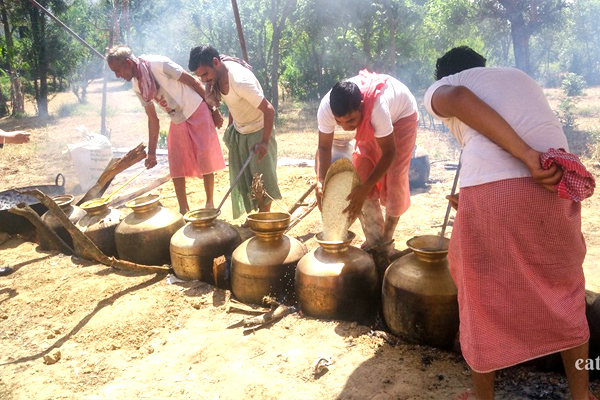
- Prepared by trained hereditary cooks called botis
- Served in a fixed sequence, never randomly
- Meant to be eaten seated on the floor, shoulder to shoulder
Locals will tell you Dham tastes different depending on where you eat it. Kangri Dham is milder and yogurt-forward compared to Chamba or Mandi versions, which lean spicier.
When and Where You’ll Actually Get to Eat Kangri Dham
Most travelers assume Dham is available daily in restaurants. It is not.
You usually eat authentic Kangri Dham at:
- Village weddings
- Temple fairs like Jwalamukhi or Baijnath festivals
- Community feasts after religious ceremonies
- Occasionally at cultural events in Dharamshala or Palampur
Some local eateries offer “Dham thalis,” but those are simplified versions. Good, yes. Authentic, not quite.
Insider tip: If you are staying in a homestay, ask your host if there is a wedding nearby. In villages, guests are often welcomed without question.
Where to Eat Dham if You Are Not Invited to a Wedding
Here are my specific recommendations:
- Himachali Rasoi (Shimla): It’s famous for serving Dham on a leaf plate. Mention it! “If you are in Shimla, this is the closest restaurant experience to a real Dham.” Here are directions to reach.
- Moti Mahal (Deluxe) in Kangra: They often have Himachali thalis.
- Dhabas near Chamunda Devi Temple: Often serve “Kangri Thali.”
- Community Feasts (Bhandaras): Big temples like Kangra Devi or Chamunda Devi often have free langar/dham on specific days.
The Traditional Way Kangri Dham Is Served
Before the food arrives, notice the setup.
You will sit:
- On the floor
- In long rows called pangat
- With a leaf plate or steel thali
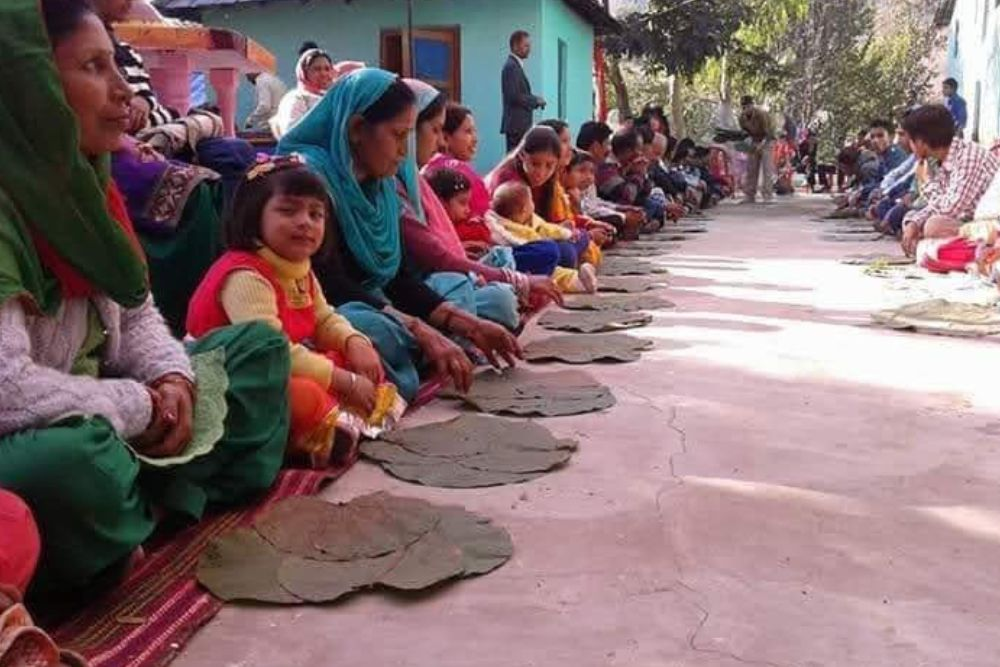
Water is poured for everyone first. Only then does serving begin, and it happens in order.
You do not choose dishes. You receive them.
The Exact Order of Kangri Dham Dishes (This Matters)
Eating Dham like a local means respecting the sequence. Here is how it traditionally unfolds in Kangra.
1. Rice Comes First, Always
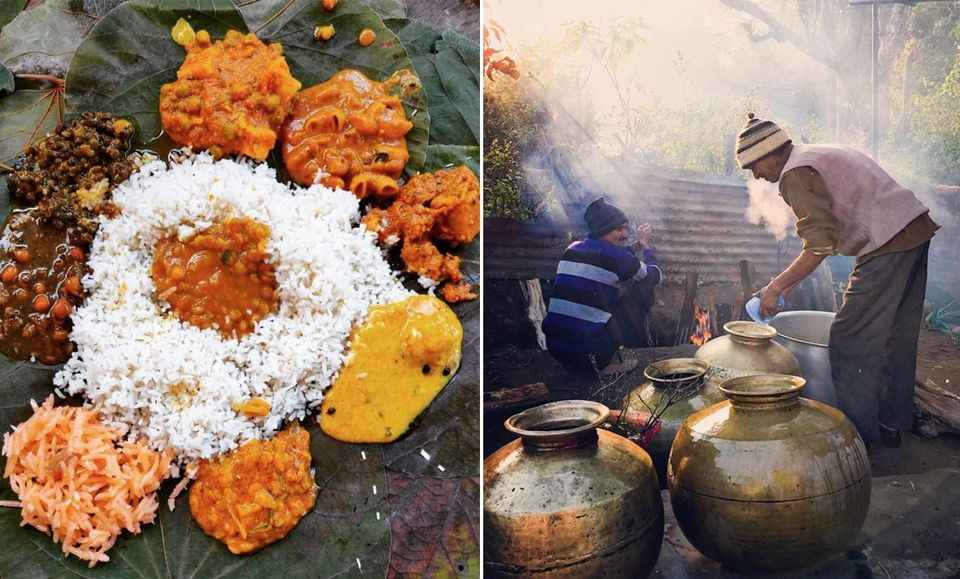
A generous mound of steamed rice is placed in the center. This is your base. Everything else will orbit around it.
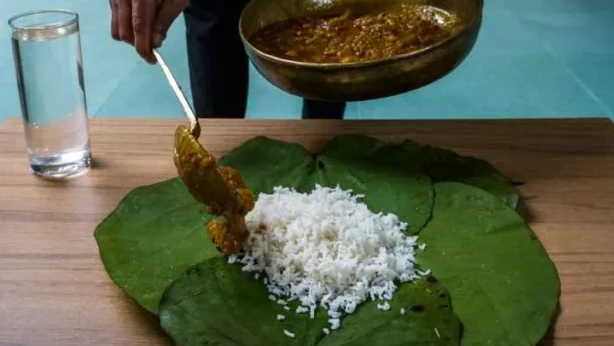
Locals mix each curry with rice as they go, never all at once.
2. Rajma or Mah Ki Dal
The first curry is usually rajma or mah dal (whole black lentils). It is lightly spiced, earthy, and comforting.
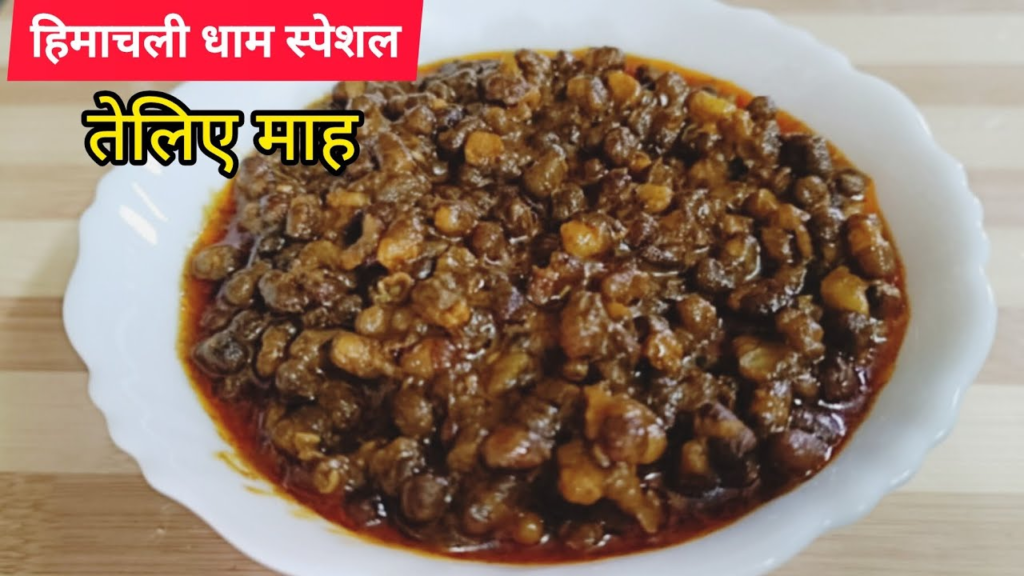
This sets your palate. No heat yet. No drama.
3. Madra, the Soul of Kangri Dham
If Kangri Dham had a heart, this would be it.
Madra is made with yogurt, chickpeas or vegetables, and slow-cooked with spices like cardamom and cloves. It is creamy without being heavy.
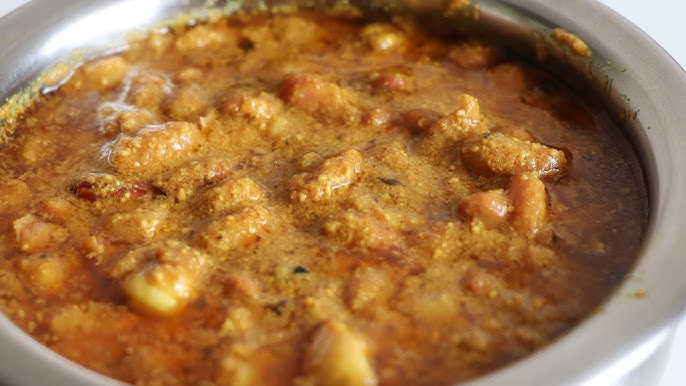
Locals often pause here. Madra is savored, not rushed.
4. Khatta, the Quiet Sharp Note
Next comes khatta, a tangy curry made with tamarind or citrus and black chickpeas. This is where balance enters the meal.

The sourness wakes you up again.
5. Kadhi or Gahat Dal (Depending on the Occasion)
Some feasts include a thin Himachali kadhi, others serve gahat dal (horse gram), especially in winter.
This is filling. Pace yourself. Want a recipe? Find it below –
6. Saag or Seasonal Sabzi
Whatever is fresh locally makes it here. Spinach, mustard greens, pumpkin, or colocasia leaves.
Nothing fancy. Everything honest.
7. Sweet Rice or Mittha at the End
This is where outsiders get surprised.
Dessert comes last, not first. Sweet rice cooked with jaggery, raisins, and dry fruits signals closure.
Only after this do servers come around asking if you want more of anything.
How Locals Actually Eat Kangri Dham
This is where etiquette matters more than appetite.
Eat With Your Right Hand
Even if spoons are available, locals mostly eat by hand. Mixing rice and curry with your fingers is part of the experience.
It also slows you down.
Never Ask for Seconds Too Early
In Dham culture, patience is respect.
If you ask for more madra before the sweet dish is served, you will be gently ignored. Wait your turn.
Finish What Is Served
Wasting food is frowned upon. Portions are generous, but locals expect you to manage your plate wisely.
Better to eat less rice at the start.
Talk Softly, Observe More
Dham is communal. Conversations are low, unhurried. People notice who eats with awareness.
You are being watched, kindly.
Why Kangri Dham Tastes Different From Restaurant Food
I once asked a boti why Dham tastes better than anything I had eaten in town.
He said, “Time aur haath ka farq hota hai.” Time and hands make the difference.
Key reasons:
- Cooked in large brass vessels
- Slow fire, no shortcuts
- Yogurt is freshly churned, not store-bought
- Spices are minimal but precise
- Cooked before dawn for afternoon meals
You cannot replicate this easily.
Common Mistakes Travelers Make
I have made most of these myself.
- Filling up on rice early
- Expecting spicy food
- Asking for non-veg
- Treating it like a buffet
- Leaving before dessert
Avoid these, and you will be remembered fondly.
Is Kangri Dham Always Vegetarian?
Yes. Traditionally, Dham is strictly vegetarian. Meat has no place here.
This is not about diet trends. It is cultural and religious.
Best Time of Year to Experience Kangri Dham
You are most likely to encounter authentic Dham during:
- Wedding season, October to March
- Temple festivals in spring
- Village fairs post-harvest
Monsoon months are quieter, though some festivals still happen.
Can You Learn to Cook Kangri Dham?
Some homestays now offer cooking sessions, but understand this.
True Dham cooking takes years to learn. Botis train from childhood.
Still, learning madra or khatta from a local grandmother is worth more than any class.
Why Kangri Dham Is a Lesson in Himachali Life
What stayed with me was not just the food.
It was:
- How everyone ate the same meal
- How no one rushed
- How elders were served first
- How silence felt comfortable
Kangri Dham teaches you to slow down without telling you to.
Should You Seek It Out on Your Trip?
Absolutely, but not aggressively.
Let it find you. Ask locals. Say yes when invited. Sit where they tell you. Eat what comes.
That is how you eat Kangri Dham like a local.
Final Takeaway
If you want the real Kangri or Kangra Dham experience, skip menus and seek moments. Stay in villages, talk to your hosts, and eat slowly. Save space for madra, wait for the sweet dish, and remember that the feast is as much about patience and people as it is about food.
What is Kangra Dham in Himachal Pradesh?
Kangra Dham is a traditional vegetarian feast from the Kangra Valley of Himachal Pradesh, prepared for weddings, temple festivals, and community celebrations. It consists of multiple dishes served in a fixed order and cooked by hereditary cooks called botis.
What dishes are served in Kangra Dham?
A traditional Kangra Dham includes rice, rajma or mah dal, madra made with yogurt and chickpeas, khatta, a seasonal sabzi or saag, and sweet rice served at the end. The exact menu can vary slightly by village and season.
What is madra in Kangra Dham?
Madra is a yogurt-based curry and the most important dish in Kangra Dham. It is slow-cooked with chickpeas or vegetables and flavored with mild spices like cardamom and cloves, giving it a rich but balanced taste.
Is Kangra Dham always vegetarian?
Yes, traditional Kangra Dham is strictly vegetarian. Meat is never included, as Dham is rooted in religious and cultural practices where vegetarian food is considered pure and appropriate for communal feasts.
How is Kangra Dham different from other Himachali Dham?
Kangra Dham is milder and creamier compared to Dham from regions like Chamba or Mandi. It uses more yogurt-based gravies, less chili, and focuses on balanced flavors rather than heat.
Where can tourists eat authentic Kangra Dham?
The most authentic Kangra Dham is eaten at village weddings, temple festivals, or community feasts in Kangra Valley. Some homestays and cultural events also serve it, but restaurant versions are usually simplified.
When is the best time to experience Kangra Dham?
The best time to experience Kangra Dham is during wedding season from October to March or during temple festivals in spring. These occasions are when full traditional feasts are most commonly prepared.
Can you learn to cook Kangra Dham as a visitor?
Visitors can learn basic dishes like madra or khatta through homestays or local kitchens, but mastering full Kangra Dham cooking takes years of practice and is traditionally passed down through generations of botis.

