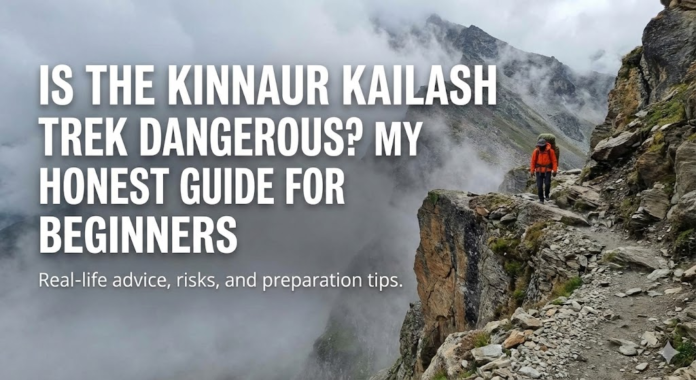
If you have been staring at photos of the Kinnaur Kailash Shivling and wondering whether you could actually hike there, trust me, you are not alone. I asked the same question before I attempted the trek myself. I had done a few Himalayan hikes before, but something about Kinnaur Kailash felt different. Maybe it was the stories of pilgrims climbing through the night or the warnings sprinkled across trekking forums. Either way, I remember sitting in a chai stall in Kalpa and thinking, Is this trek actually dangerous or just hyped up?
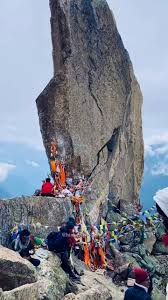
After completing it, catching my breath near the Shivling with the sunrise painting the valley orange, and limping a little on the way back, here is my honest, beginner friendly truth. Yes, the Kinnaur Kailash trek can be dangerous. But no, it is not a death wish or an impossible challenge. It is a trek that demands respect, patience, preparation, and a clear understanding of your limits. With the right mindset and knowledge, you can do it safely and even enjoy every ounce of its rugged charm.
Let me break it down in the same way I wish someone had explained it to me.
Is the Kinnaur Kailash Trek Dangerous?
Yes, it has a high difficulty level and carries real risks like steep climbs, altitude sickness, unpredictable weather, and loose moraine sections.
With proper preparation, pacing, acclimatization, and realistic expectations, most reasonably fit beginners can attempt it, as long as they understand the challenges ahead.
Below is the honest, first hand breakdown of what makes this trek intimidating and what actually helps you stay safe.
The Real Risks of the Kinnaur Kailash Trek
1. The altitude hits harder than expected
The trek takes you above 16,000 feet, where oxygen thins and every step feels heavier. I remember waking up around the halfway point, feeling a dull headache and an odd heaviness in my chest. It was nothing dramatic, but it was a reminder that altitude sickness does not care how fit you are.
Beginner tip: Spend at least 2 nights in Kalpa or Reckong Peo. Do not rush the ascent. Drink water even when you are not thirsty.
2. The terrain is steep and relentless
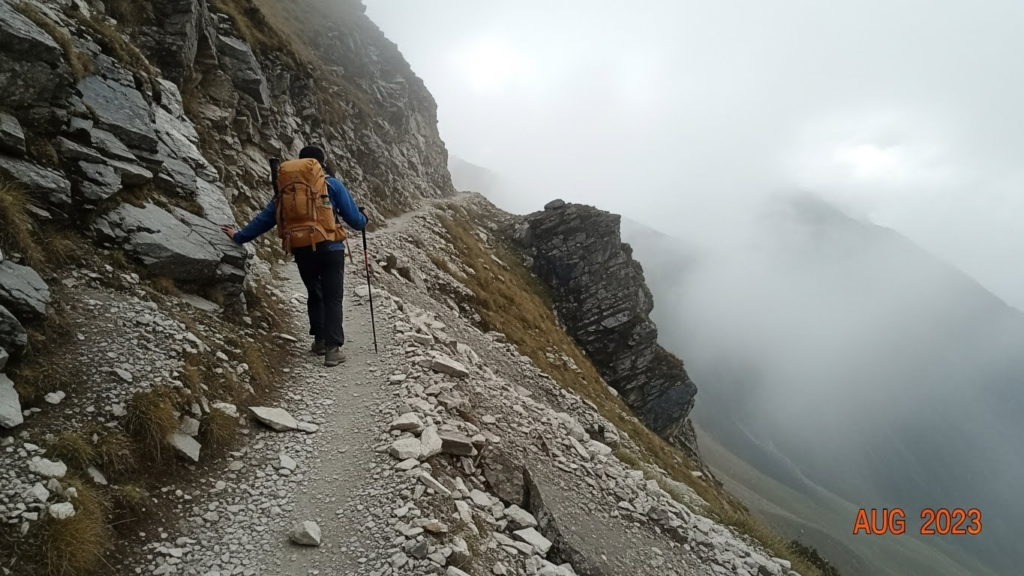
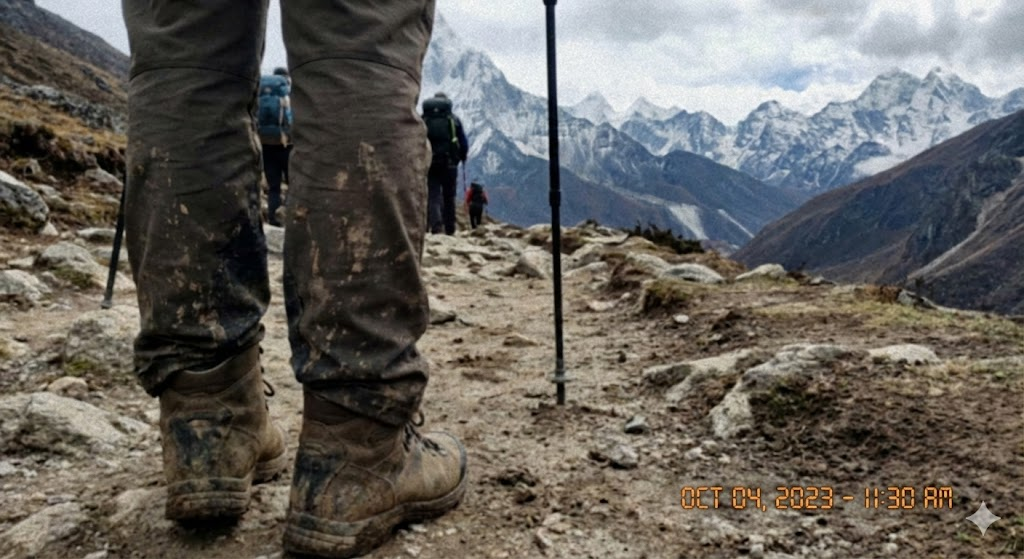
There is no gentle warm up section. The climb begins almost right away, and the trail keeps surprising you with rocky patches, loose gravel, and long, calf numbing ascents. Parts of the route feel more like scrambling than trekking.
At one point near the glacier zone, my trekking pole slipped between two rocks and I briefly lost balance. Nothing happened, but it reminded me how quickly an innocent mistake becomes dangerous at high altitude.
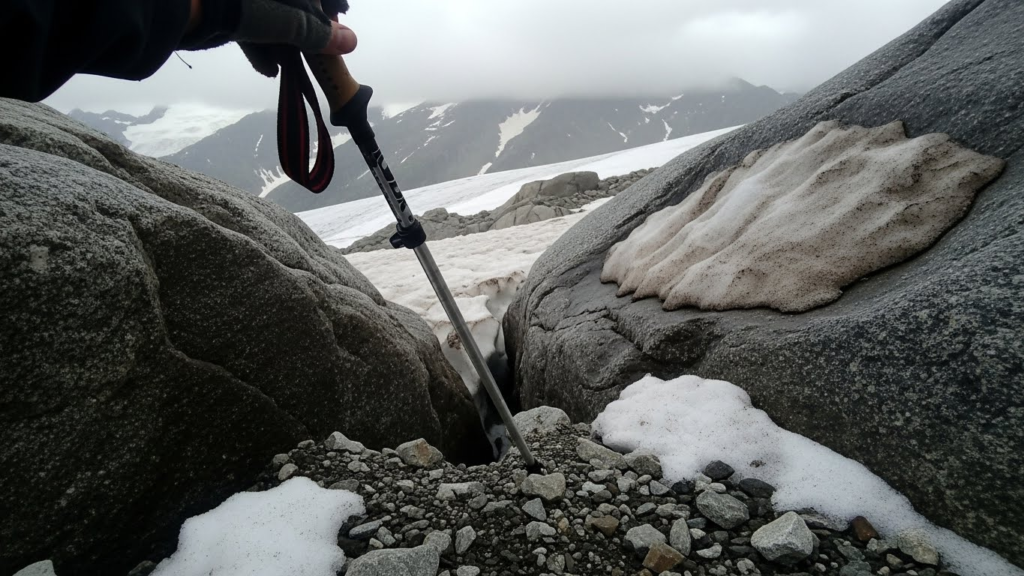
Beginner tip: Carrying trekking poles saves your knees and gives stability on loose moraine.
3. Weather can change within minutes
In the higher sections, clouds appear out of nowhere. I still remember how the sky went from blue to steel grey while we were nearing Parvati Kund. The wind picked up sharply, and within five minutes, the temperature dropped enough for my fingers to feel stiff inside my gloves.
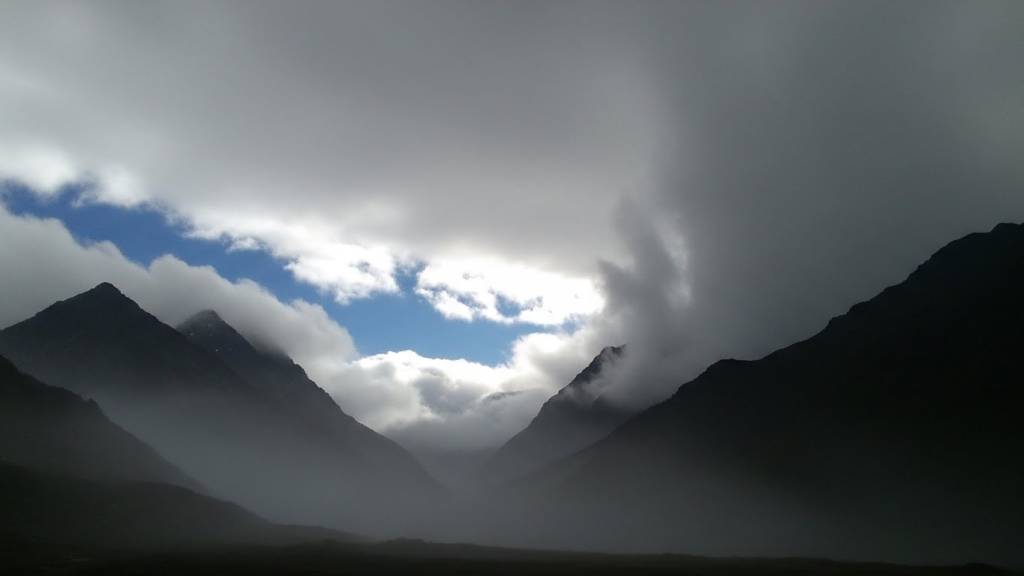
Beginner tip: Layers are your best friend. Always pack a waterproof jacket even if the sky looks harmless.
4. The long duration exhausts your mind more than your body
The trek can take 14 to 18 hours in a single day for many pilgrims who do it as a traditional yatra. Even if you do it over multiple days, the elevation gain and descent test your mental resilience. On my way down, my legs were shaking more from fatigue than fear.
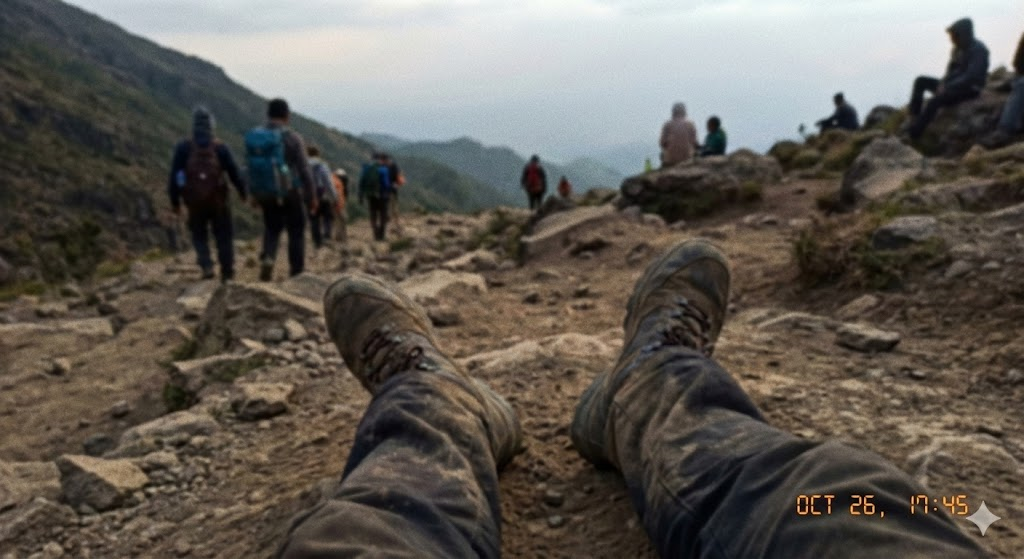
Beginner tip: Strong mental pacing matters. Take small breaks. Eat dry fruits even when you do not feel hungry. I advice you to check local official website for weather updates.
Is Kinnaur Kailash Trek Safe for Beginners?
Surprisingly, yes, if you are the right kind of beginner.
A beginner who can do it safely:
Someone with decent fitness, ability to walk 8 to 10 hours with breaks, and willingness to acclimatize and prepare properly.
A beginner who should avoid it:
Someone who has never trekked before, has knee issues, ignores altitude symptoms, or expects an easy, scenic Himalayan stroll. Kinnaur Kailash is spiritual and beautiful, but it is not gentle.
My honest take:
I was not an elite trekker when I did it, just moderately fit with a deep love for Himalayan trails. With good pacing and a realistic mindset, the trek was challenging yet manageable. The key is respecting the mountain instead of trying to conquer it.
Who Should Absolutely Hire a Guide?
Although some experienced trekkers navigate it independently, beginners benefit immensely from a local guide.
A guide helps you:
- Identify safe paths on the moraine
- Read the weather and push or pause accordingly
- Maintain the correct pace
- Handle altitude related concerns early
- Find real water sources when streams disappear in late season
My guide, Sonam, noticed I was walking too fast during the first steep ascent. He slowed me down and said something I still remember: “Yahan tez chalna, neeche dard ban kar wapas aata hai.” Walking fast here returns as pain later. He was right.
Best Time to Trek Kinnaur Kailash for Safety
Safest window:
Mid July to early September
During this window:
- Snow has mostly melted
- The trail is clearer
- Temperatures are stable
- Crowds increase during the official yatra, making the trail easier to follow
Avoid:
- Early June: snowpack and slippery ice
- Late September: unpredictable storms and cold nights
Fun thing – When I was writing on Kinnaur Kailash, it reminded me of other article that I wrote on places that experience winter in August. If you ever visited here in August let me know the weather conditions in comments. I think this place also feel heavy cold in August nights.
How Hard Is the Kinnaur Kailash Trek Compared to Other Himalayan Treks?
| Trek | Difficulty Level | What Makes It Challenging | Suitable for Beginners? |
|---|---|---|---|
| Kinnaur Kailash | Very High | Altitude, long climbing sections, moraine | Yes, with preparation |
| Kedarkantha | Easy to Moderate | Snow in winter | Yes |
| Hampta Pass | Moderate | River crossings, altitude | Yes |
| Pin Parvati | Very High | Long duration, isolation | No |
| Rupin Pass | High | Steep climbs, snow bridges | For experienced beginners |
If Kedarkantha feels like a warm up hike, Kinnaur Kailash feels like its intense older cousin that wants you to grow stronger.
My Personal Experience: The Hardest Part of the Trek
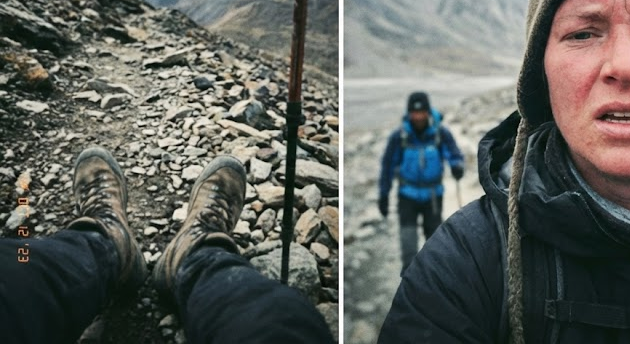
The moment that tested me the most was the stretch between Parvati Kund and the Shivling. The oxygen felt thin, my breath turned shallow, and every step echoed in my chest like a drumbeat. There were times I questioned if I should turn back. But the silence of the mountains, combined with the steady pace of my guide, kept me anchored.
Reaching the Shivling felt emotional in a way I didn’t expect. The wind was sharp, almost icy, but there was a softness in the stillness around the rock formation. People often say mountains humble you. Kinnaur Kailash did more than that. It reset the way I measure strength and patience.
How Beginners Can Prepare Safely
1. Improve your cardio
Aim for 30 to 40 minutes of brisk walking or jogging at least 4 days a week for a month before the trek.
2. Strengthen your legs
Squats, lunges, stair climbing, and long weekend hikes help more than gym machines.
3. Test your gear before the trek
Do not bring brand new shoes. Break them in early. I once trekked in new shoes on another trail and learned painful lessons through blisters.
4. Pack Less
Overpacking is as dangerous as underpacking. You want your bag to feel like a partner, not a punishment.
5. Acclimatize
Two nights in Kalpa changed everything for me. Without that, I might have struggled with altitude much earlier.
Common Beginner Mistakes That Make the Trek Dangerous
- Starting the ascent too fast
- Not eating enough during the trek
- Ignoring early signs of altitude sickness
- Wearing cotton instead of quick dry layers
- Underestimating how cold it gets near the top
- Not carrying headlamps, especially during the yatra season when many people walk in the dark
Avoid these, and half the danger disappears.
The Emotional Side: What the Trek Taught Me
Kinnaur Kailash was not the toughest trek I have ever done, but it was the most thought provoking. It reminded me how fragile and strong we are at the same time. There was a moment on the descent when my legs felt like jelly and the valley opened up in front of me with the village roofs scattered like tiny dots. I stood there catching my breath, and it felt like the mountain whispered something simple: Go slow, you do not have to prove anything here.
It is a lesson that stayed with me long after I left Kinnaur.
Final Verdict: Is the Kinnaur Kailash Trek Dangerous?
Yes, it is challenging, steep, high altitude, and unpredictable. But it is not impossible for beginners with the right preparation.
If you want a trek that pushes you, teaches you patience, and rewards you with spiritual intensity and Himalayan drama, then this one will stay with you for years. It certainly stayed with me.

