Author’s Note: If you live in or visit Louisiana, you often hear about levees and pumps. But the most powerful flood protection system we have isn’t man-made – it’s the swamp itself.
How Do Swamps Prevent Flooding?
Swamps prevent flooding by acting as natural sponges that absorb excess rainfall, slow down storm surges, and physically block wave energy from reaching inland communities.
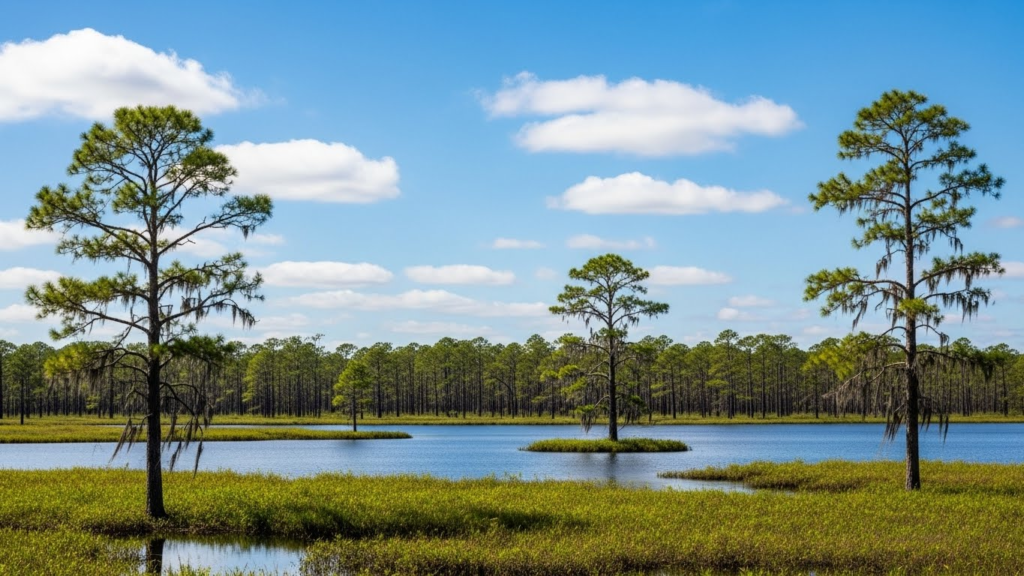
When heavy rains hit Coastal Louisiana, the dense vegetation and porous soil of the swamp capture water rather than letting it run off immediately. This “sponge effect” holds water temporarily and releases it slowly, which lowers the peak water levels in nearby rivers and drainage canals. Without these wetlands, rainwater would rush into developed areas much faster, overwhelming drainage systems.
1. The “Sponge Effect” of Swamp Soil
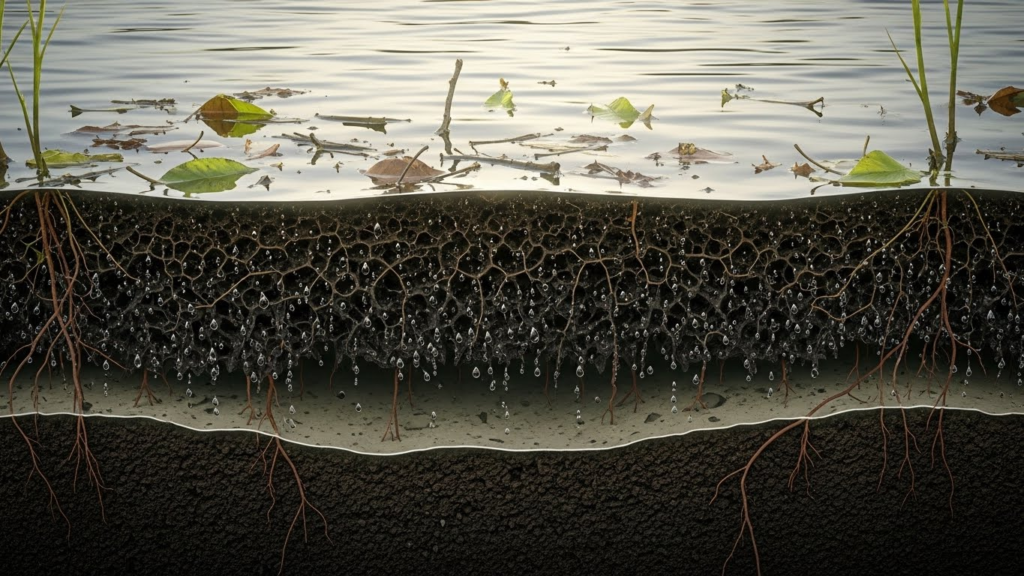
Unlike the concrete and compacted dirt of urban areas, swamp soil is rich in organic matter (peat). This soil composition allows it to hold massive amounts of water—often much more than its own weight. This ability to retain water is critical during the flash floods that frequently affect the Gulf Coast.
2. Slowing Storm Surge
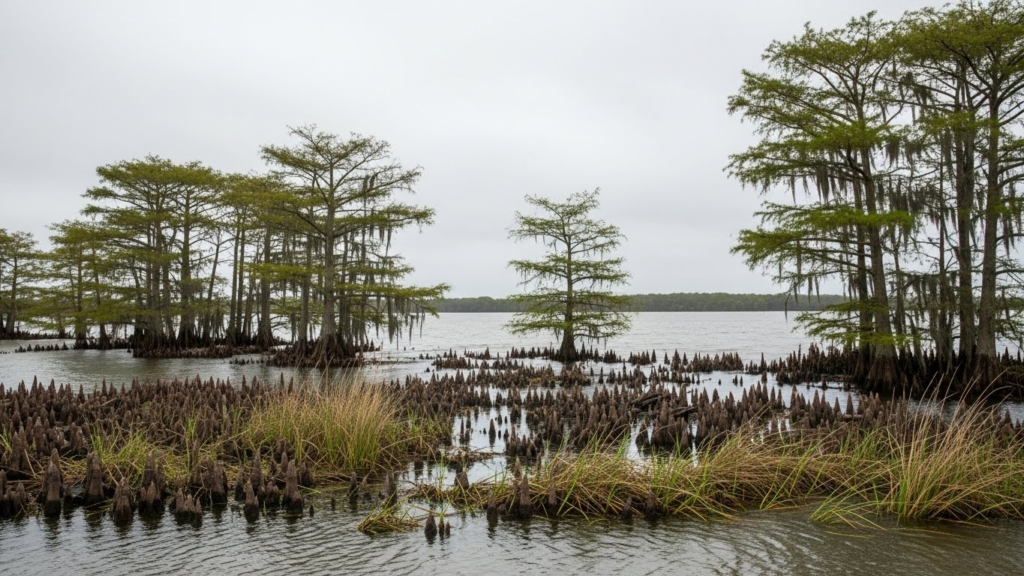
During hurricanes, storm surge (the wall of water pushed inland by wind) is the biggest threat. Swamps act as a friction barrier. The complex network of cypress trees, roots, and grasses physically slows the water down. As water pushes through the dense vegetation, it loses energy and speed. This reduces the height of the surge before it hits levees or homes.
3. Stabilizing the Land
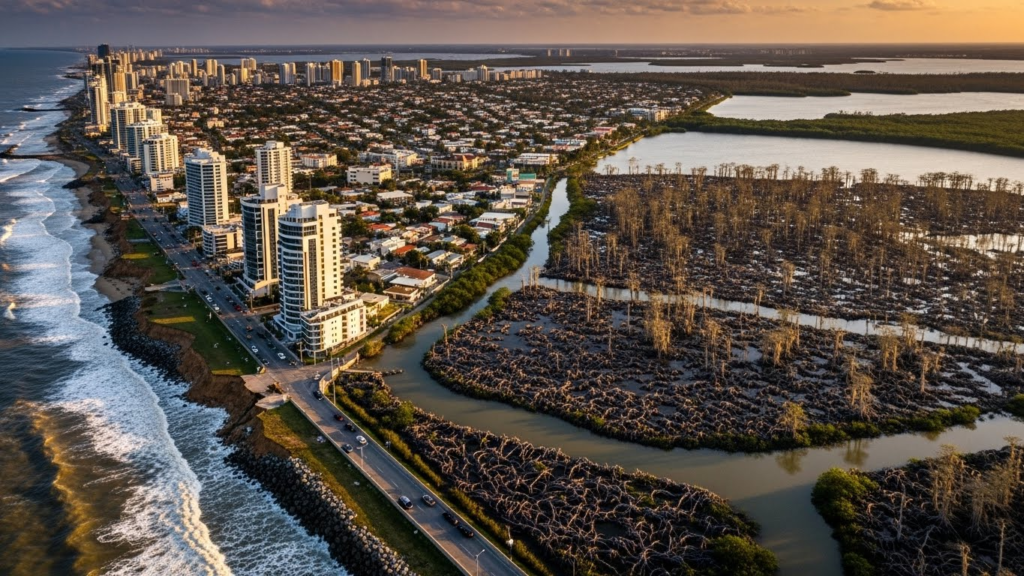
Erosion is a silent contributor to flooding. When land washes away, there is less buffer between the ocean and the city. Swamp root systems hold the soil in place, preventing sediment from clogging up the natural and man-made channels that are needed to drain floodwaters.
Why Urban Development Needs Swamps?
As cities expand and cover the ground with asphalt and concrete, we lose the land’s natural ability to drain water. Swamps provide the necessary offset to this development.
When we pave over land, rainwater has nowhere to go but into the street. Swamps on the outskirts of developed areas like Marrero and New Orleans provide a destination for this runoff. Preserving these wetlands maintains a balance, ensuring that even as we build, there is still somewhere for the water to “settle” naturally.
Expert Insight:
“Swamps quietly do the work that keeps water levels manageable during storms,” explains Milton Walker Jr., owner of Louisiana Tour Company. “They absorb pressure that would otherwise move straight into neighborhoods and roadways. Their role in flood control often goes unnoticed until they are gone.”
Water Quality and Filtration
Beyond just stopping floods, swamps actually clean the floodwater.
Floodwater is often dirty, carrying sediment, oil, and debris from roads. As this water moves slowly through a swamp, the vegetation acts as a filter. Sediments drop to the bottom, and plants absorb excess nutrients and pollutants. This means the water eventually released back into the aquifer or river system is cleaner than when it entered.
Quick Summary: The Flood Control Roles of a Swamp
| Feature | Function | Benefit to Residents |
| Porous Soil | Absorbs rainfall like a sponge. | Reduces flash flooding on streets. |
| Dense Vegetation | Creates friction against waves. | Lowers the height of hurricane storm surges. |
| Root Systems | Locks soil in place. | Prevents erosion and clogged drainage canals. |
| Filtration | Traps sediment and pollutants. | Keeps local waterways cleaner after storms. |
How much water can a swamp absorb?
A single acre of wetland can store approximately 1 to 1.5 million gallons of floodwater. This storage capacity is vital during heavy rain events; without it, that water would immediately enter rivers or urban drainage systems, causing them to overflow.
Do swamps actually reduce storm surge height?
Yes, studies show that for every 2.7 miles (about 4 km) of healthy wetlands a storm surge travels across, the surge height can be reduced by roughly one foot. While this varies based on the storm’s intensity, this reduction can mean the difference between a levee holding or failing.
What is the difference between a levee and a swamp for flood control?
A levee is a hard barrier designed to block water completely up to a certain height, whereas a swamp is a soft buffer that absorbs and slows water. Levees are rigid and can fail catastrophically if overtopped; swamps adapt naturally to rising water levels and reduce the pressure on those levees.
Why are cypress trees important for flood control?
Bald Cypress trees are critical because their extensive root systems and “knees” act as anchors. They stabilize the soft soil to prevent it from washing away during storms, and their trunks provide the physical friction needed to slow down wind and wave energy.
Can building near swamps increase flood risk?
Yes, building too close to or on top of swamps increases flood risk in two ways: it removes the natural “sponge” that would have soaked up the rain, and it places homes in low-lying areas that are naturally prone to water accumulation.
How do swamps help during a drought?
During dry periods, swamps release the water they stored during the rainy season back into the ground and surrounding waterways. This helps maintain groundwater levels and keeps saltwater from the ocean from intruding into freshwater supplies (saltwater intrusion).
What happens if we lose the wetlands in Louisiana?
If wetland loss continues, coastal communities will face higher storm surges and more frequent flash flooding. Without the buffer of the swamps, the Gulf of Mexico moves effectively closer to cities like New Orleans, leaving man-made levees as the only line of defense.
How does swamp vegetation improve water quality after a flood?
Swamp plants slow the water flow to a near standstill, allowing heavy sediments and toxic particles to settle to the bottom rather than flowing into the ocean. The plants also absorb excess nitrogen and phosphorus (often from fertilizer runoff), preventing algae blooms in downstream waters.
Are there efforts to restore Louisiana swamps for flood control?
Yes, major projects are underway to divert sediment-rich water from the Mississippi River back into the wetlands. This mimics the natural flooding cycles that originally built the land, helping to regrow vegetation and restore the “sponge” effect that has been lost to erosion.
Is it safe to visit a swamp during high water?
It is generally safe to visit swamps on guided tours during normal high water, but never during a storm or flood advisory. Tour operators like Louisiana Tour Company monitor water levels closely; seeing the swamp with high water actually helps visitors understand its volume and storage capacity.

