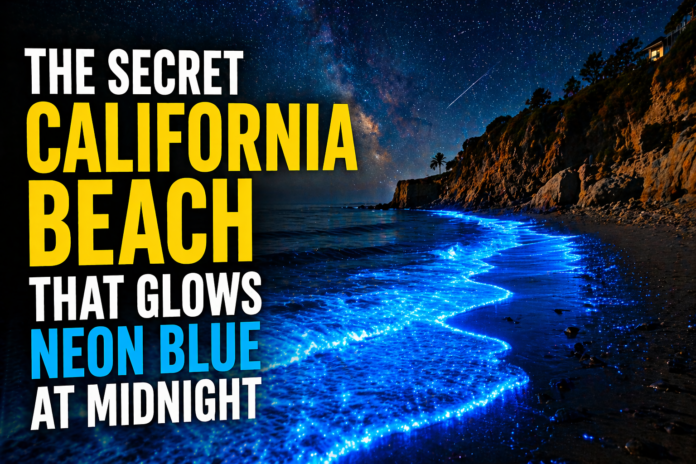
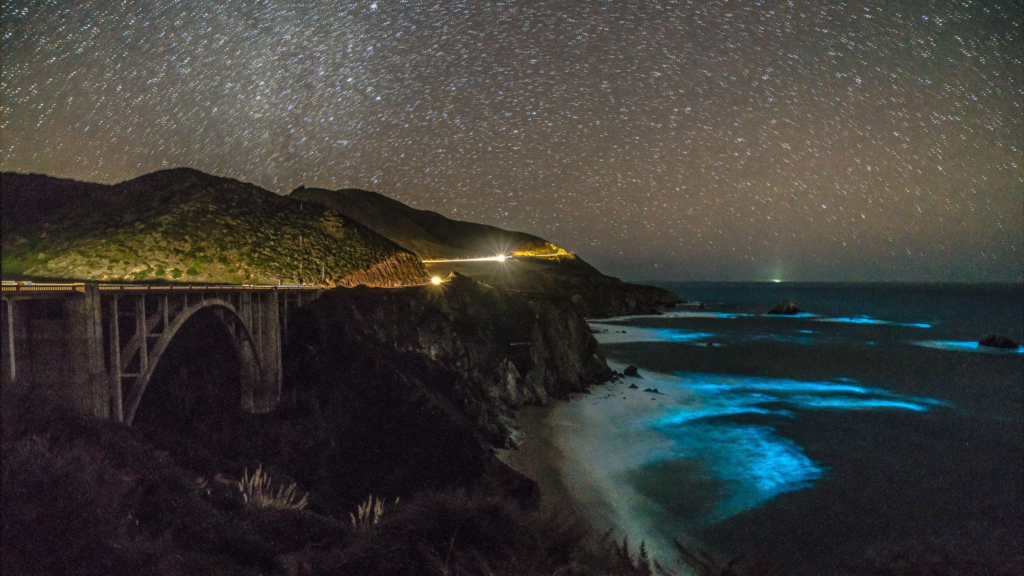
The “secret” beach you are looking for is Partington Cove in Big Sur, a rugged inlet where the 2026 bioluminescence surge is currently peaking. While the masses are crowding the piers in San Diego and Newport Beach, this secluded cove offers a rare, silent encounter with a sea that looks like liquid electricity. If you arrive exactly two hours after sunset during a new moon, you will witness the Pacific Ocean turn a shade of electric cyan that feels like a glitch in reality.
You have probably seen the viral videos of glowing dolphins in Southern California, but those areas are now plagued by light pollution and massive crowds. Finding a spot where the only light comes from the water itself is becoming nearly impossible. In April 2026, a specific set of oceanic conditions has funneled a massive concentration of Lingulodinium polyedra into the deep, cold waters of the Central Coast, creating a “neon tide” that is significantly more intense than the 2020 events.
Why Partington Cove is 2026’s Best Kept Secret
Partington Cove is not your average sandy beach. You must descend a steep, forested trail and pass through a 60-foot tunnel carved into the rock to reach the water’s edge. This natural tunnel acts as a gateway, stripping away the noise of the Highway 1 traffic and leaving you in total darkness.
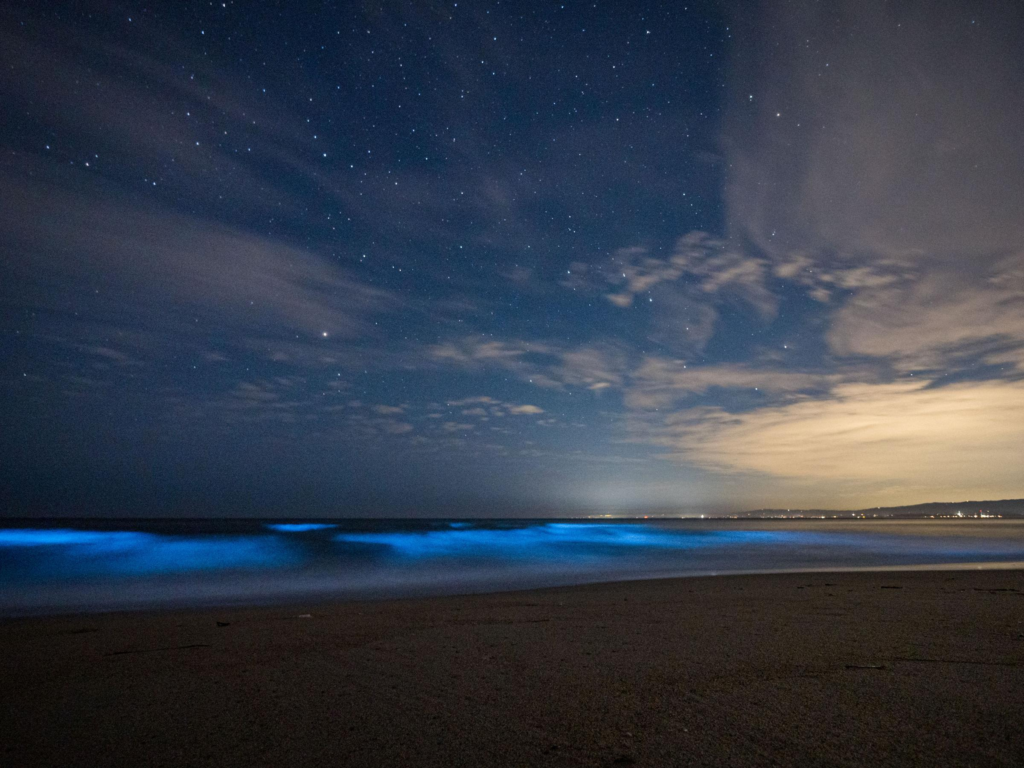
This darkness is the essential ingredient. Most bioluminescence California 2026 seekers fail because they try to view the glow near streetlights or car headlights. At Partington, the sheer cliffs block out any inland light, allowing your eyes to adjust fully to the dim, ethereal flashes triggered by every crashing wave.
Did You Know?
The blue light emitted by these organisms is a defense mechanism called the “burglar alarm” effect. It is designed to attract larger predators that will eat whatever is currently trying to eat the plankton.
The Science Behind the Neon Blue Glow
The phenomenon is caused by a massive bloom of microscopic organisms known as dinoflagellates. During the day, these organisms gather at the surface to soak up sunlight, creating what locals call a “red tide.” By noon, the water often looks like rust or dark tomato soup.
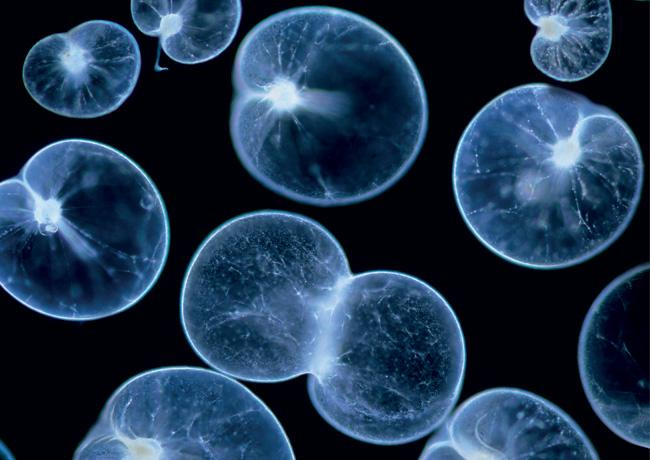
Once the sun sets, a chemical reaction involving a molecule called luciferin and an enzyme called luciferase occurs inside their cells. When the water is disturbed – by a wave, a fish, or a tossed pebble – the energy is released as a burst of blue light. In 2026, the Pacific Coast bioluminescence sightings have increased due to a “stratified water column,” where warm surface temperatures trap nutrients near the top, allowing the bloom to explode in density.
| Feature | 2020 Bloom (Comparison) | 2026 Bloom (Current) |
| Primary Location | San Diego / Orange County | Big Sur / Central Coast |
| Light Intensity | Moderate (Visible in waves) | High (Visible in spray and foam) |
| Duration | 6 Weeks | Predicted 10+ Weeks |
| Water Temp | 68°F | 71°F (Record Highs) |
How to Predict the Midnight Glow
Timing is everything when you are chasing glow-in-the-dark beaches California. You cannot just show up and expect a light show. The 2026 data from the Southern California Coastal Ocean Observing System (SCCOOS) suggests that we are currently in a “relaxed upwelling” phase, which is the perfect storm for these blooms.
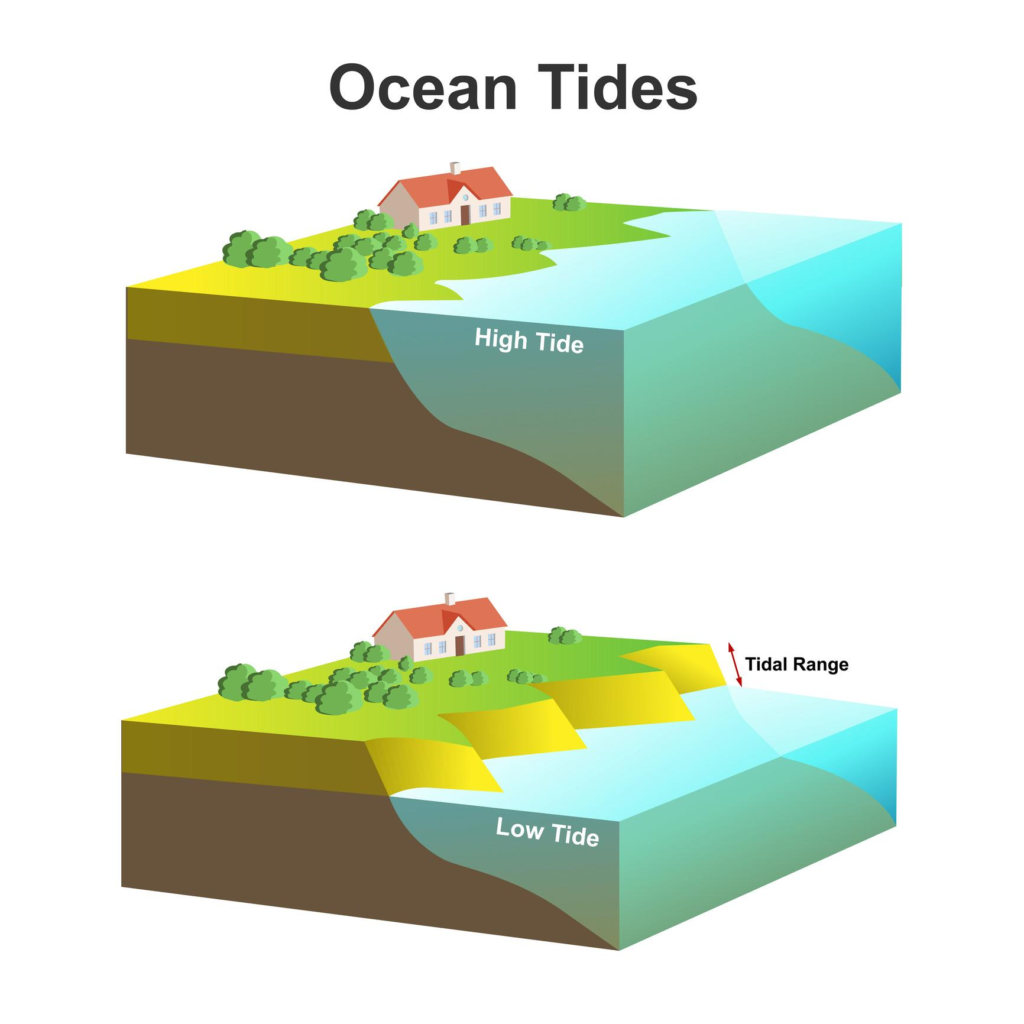
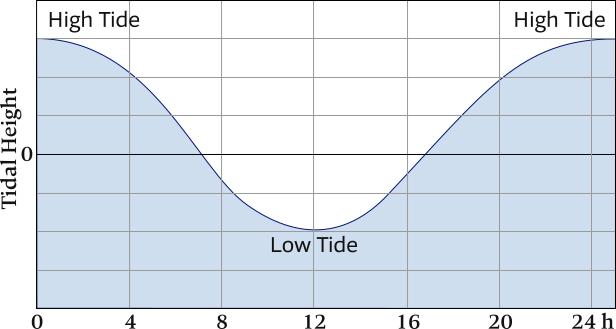
- Check the Tide Charts: The glow is most visible during a high tide when waves crash against the rocks with more force.
- Monitor the Moon: Plan your visit during a New Moon or after the moon has set. Any lunar light will wash out the neon blue.
- Look for the Red Tide: If the water looks brownish-red during the day, it will almost certainly glow blue that night.
Quick Tip
Do not use your phone’s flash or a standard white flashlight. Use a red-light setting to preserve your night vision, or you will miss the faint trails of light left by fish swimming through the kelp.
Also read – Secret Islands on Thailand Beyond Phuket
3 Other Secret Spots for Bioluminescence California 2026
While Partington Cove is the crown jewel, other locations along the coast are showing massive activity this month. These spots are often overlooked by the general public but are well-known among marine biologists and local photographers.
- Grey Whale Cove, Montara: Just north of Half Moon Bay, this steep-walled beach catches the northern edge of the bloom.
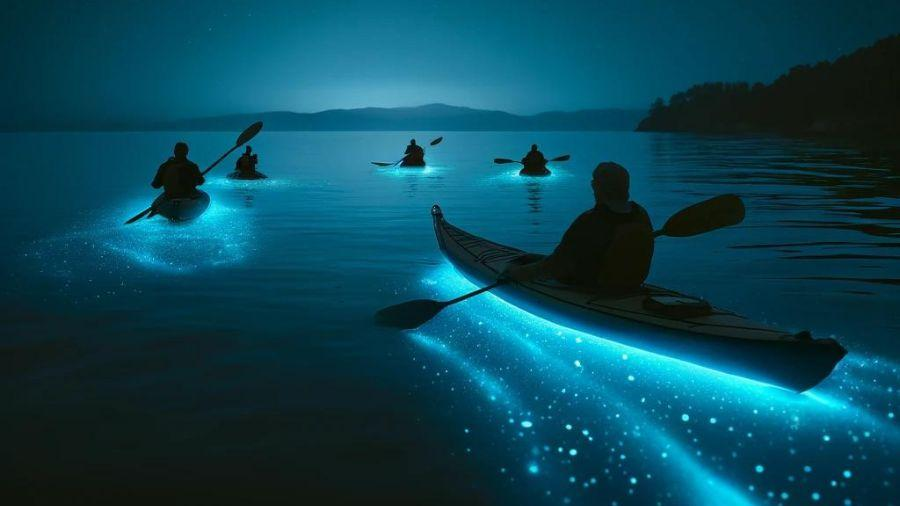
- Hog Island, Tomales Bay: Reachable only by kayak, the water here stays calm, allowing the blue light to shimmer like stars in a mirror.
- Black’s Beach, La Jolla: Known for its difficult access, this spot remains the best “urban” secret for those willing to hike the Glider Port trail at 1 AM.
Finding secret bioluminescent beaches in California requires patience and a willingness to drive away from the city lights. Local reports in March 2026 indicated that the bloom is moving northward at a rate of 12 miles per week, meaning Mendocino could be the next “hot zone” by early May.
Did You Know?
The blue light produced by dinoflagellates is cold light. Unlike a lightbulb, it produces almost no heat, making it nearly 100% efficient energy conversion.
Key Takeaways
- Partington Cove is the premier “secret” location for 2026 due to its total lack of light pollution.
- The phenomenon is powered by bioluminescent dinoflagellates reacting to physical movement in the water.
- 2026 is seeing record-breaking intensity due to higher-than-average ocean surface temperatures.
- Viewings are best two hours after sunset during a New Moon.
- The “red tide” visible during the day is the most reliable predictor of a night-time glow.
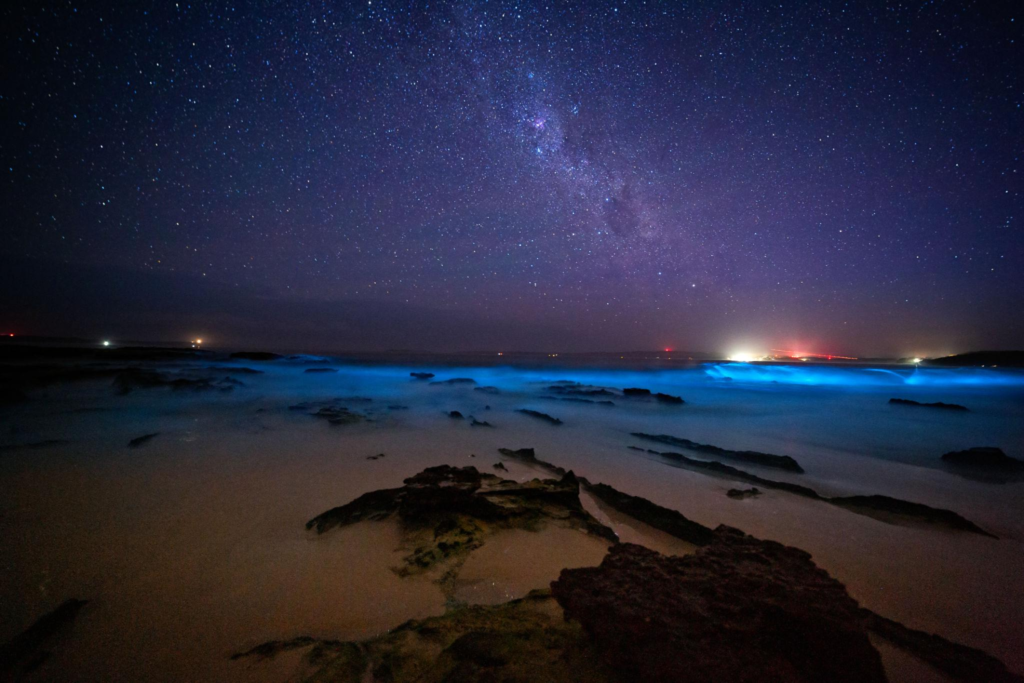
The experience of standing on a dark cliff while the ocean below pulses with a ghostly, neon light is something that stays with you forever. It is a reminder that the natural world still holds mysteries that no screen can truly capture. Partington Cove offers that rare moment of solitude where you can watch the Earth’s own “aurora” without the filter of a thousand other tourists.
Go now, because these blooms are as fragile as they are beautiful. Once the winds shift and the cold currents from the deep return to the surface, the “neon tide” will vanish back into the darkness. But even as this blue flame flickers out, there is an even stranger phenomenon brewing in the kelp forests further north that has researchers scratching their heads.
There is a sound coming from the deep that hasn’t been heard in over a century.
FAQs About California’s Glowing Waves
When is the best time to see bioluminescence in California in 2026?
The peak season is currently April through June. However, sightings can occur through October if the water stays warm and nutrient levels remain high.
Is it safe to swim in the neon blue water?
Generally, yes, but you should check for local health advisories. Some “red tides” can cause skin irritation or respiratory issues for sensitive individuals due to the concentration of organic matter.
Where can I find the most recent bioluminescence sightings near me?
The best way is to monitor social media tags like #bioluminescence and #redtide on platforms like Instagram and X. Local photographers often post real-time updates within minutes of a sighting.
Do I need a special camera to photograph the glow?
You will need a camera with manual settings. Use a long exposure (5 to 15 seconds), a high ISO (1600+), and a wide aperture (f/2.8 or lower) on a tripod to capture the blue light effectively.
Why does the water smell during a bioluminescence event?
As the massive bloom of organisms begins to die off, they decompose. This process strips oxygen from the water and releases a distinct, slightly sulfuric “ocean” smell that can be quite strong.
How long does a bioluminescent bloom usually last?
Most blooms last between one and three weeks, though the 2026 event is expected to be more persistent due to current El Niño-adjacent weather patterns.

