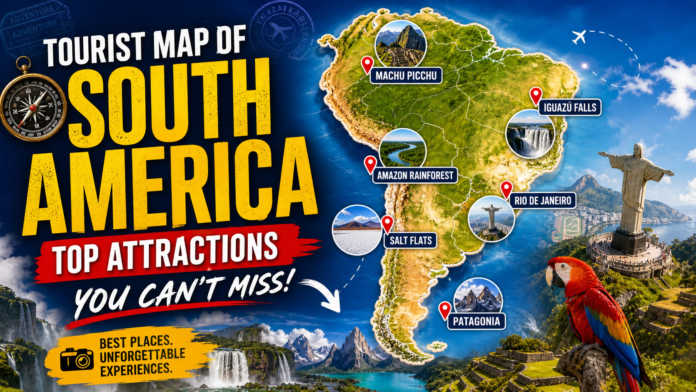
South America is welcoming a record 61 million international visitors in 2026, marking a massive surge in travelers seeking eco-conscious adventures and high-altitude history. You will find that the traditional backpacking trails have evolved into sophisticated corridors of sustainable luxury and improved airport infrastructure. Whether you are navigating the expanded terminals in Lima or booking a spot at a new eco-lodge in the Atacama, the continent is more accessible than ever.
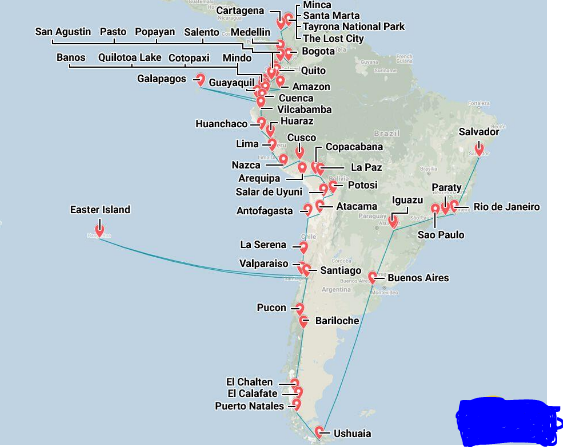
The scale of the region often catches travelers off guard, making a reliable Tourist Map of South America your most vital piece of gear. You cannot simply “hop” from the Amazon to Patagonia without understanding the massive geographic shifts in between. This guide breaks down the 2026 travel landscape so you can plan a trip that balances bucket-list landmarks with the continent’s newest hidden gems.
The 2026 South America travel landscape: What has changed?
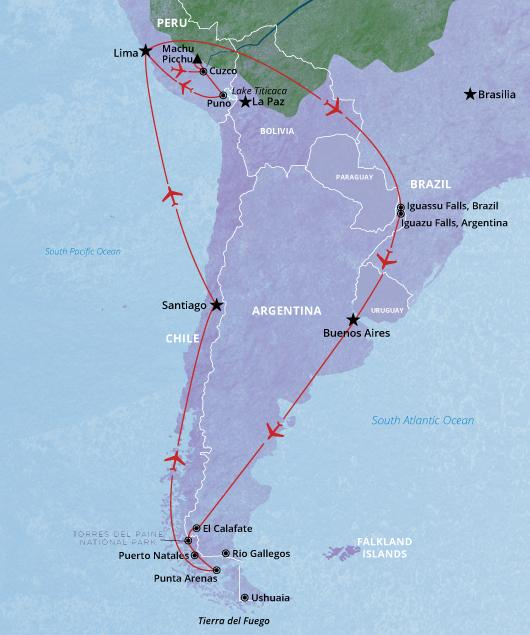
The “Pearl of the South” is seeing a 5.4% growth rate this year as infrastructure projects in Argentina, Chile, and Peru finally reach completion. How to plan a South America trip in 2026 involves more than just a passport: you now need to navigate strict new entry systems for iconic sites. Machu Picchu, for instance, has implemented a rigid circuit-based ticketing system that requires booking at least 60 days in advance.
Sustainability is no longer a buzzword but a requirement for many of the best places to visit in South America. From the solar-powered lodges in the Galapagos to the carbon-neutral trekking initiatives in the Andes, the focus has shifted toward preserving the very nature you are coming to see. You will notice fewer crowds in “over-touristed” zones as local governments distribute visitors to lesser-known provinces.
Also read – 35 Off the Beaten Path Places to Visit in the USA
Did You Know?
The Galapagos Islands recently completed a major overhaul of Seymour Airport, making it the first “green” airport in the world that runs entirely on sun and wind power.
Iconic landmarks you must see in 2026
While new spots are trending, the top South American landmarks remain the foundation of any first-timer’s itinerary. These sites are seeing record attendance, so your timing is everything.
- Machu Picchu, Peru: The citadel remains the crown jewel, but the experience is now more controlled to prevent erosion.
- Christ the Redeemer, Brazil: Rio de Janeiro is hosting massive festivals this year, and the cog train to the summit offers the best 2026 views of the updated skyline.
- Iguazu Falls, Argentina/Brazil: Massive rainfall in early 2026 has made the “Devil’s Throat” more powerful than it has been in a decade.
- Salar de Uyuni, Bolivia: The world’s largest salt flat is seeing a rise in luxury “Airstream” camping experiences for 2026 travelers.
Adventure zones: Getting to the wilder side
If you are looking for adventure travel South America style, you have to look toward the southern and northern extremes. Patagonia trekking routes in Chile’s Torres del Paine have been upgraded with new “refugios” that offer better thermal insulation for hikers. Meanwhile, Amazon Rainforest tours in 2026 are focusing heavily on community-led tourism where you stay with indigenous families.
- The Atacama Desert: Revisit the driest place on Earth with the newly reopened Tierra Atacama lodge.
- The Lost City (Ciudad Perdida): Colombia’s jungle trek is now the top alternative for those who find the Inca Trail too crowded.
- Torres del Paine: The “W” trek remains a classic, but the new “O” circuit expansion provides a more secluded wilderness experience.
Quick Tip
If you are heading to the high-altitude Andes, spend at least 48 hours in a city like Cusco or Quito before attempting any strenuous physical activity to avoid severe altitude sickness.
Seasonal travel guide for 2026
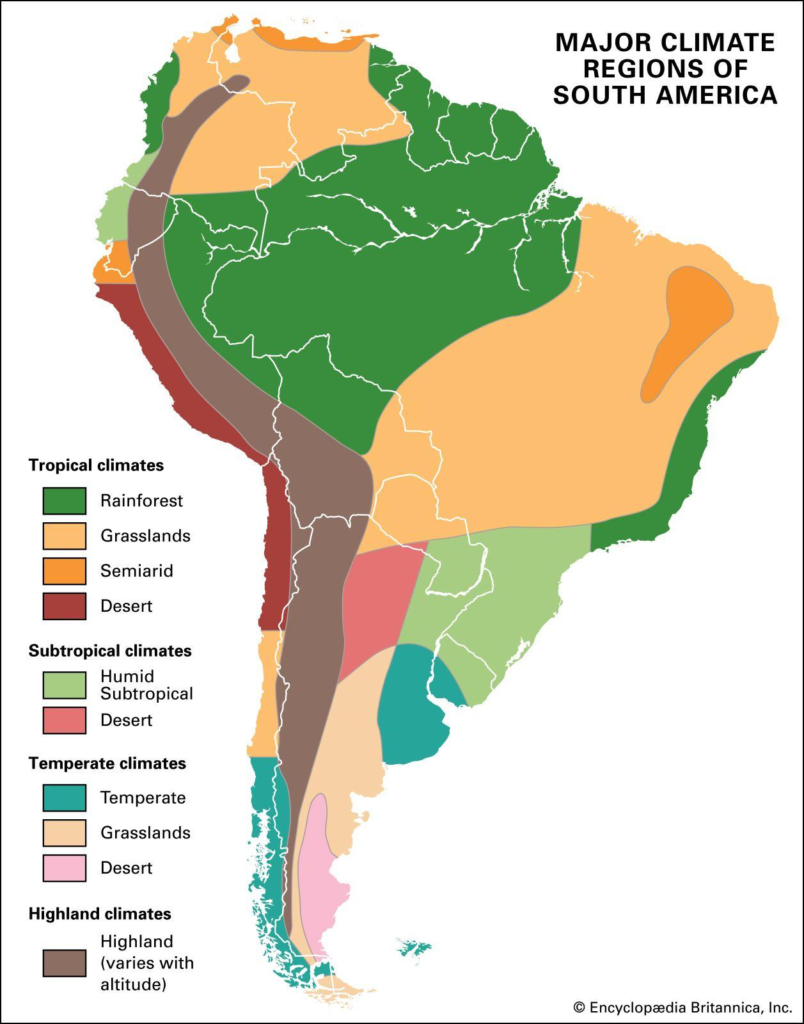
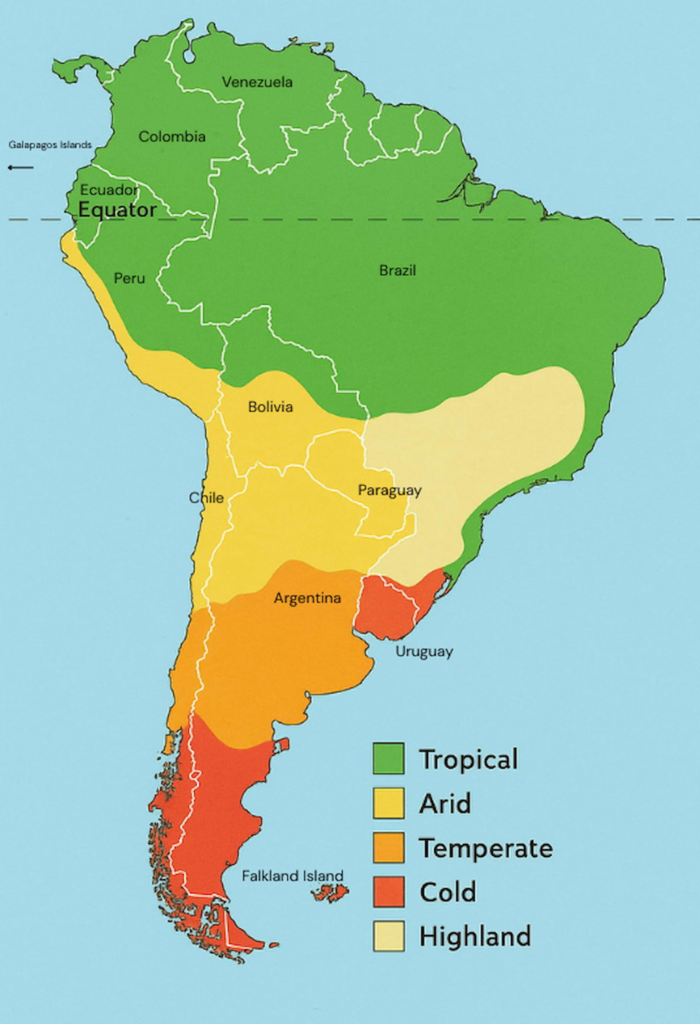
The best places to visit in South America depend entirely on the month you choose to fly. The continent spans multiple climate zones, meaning it can be summer in the south while the north is in the peak of the rainy season.
| Region | Best Time to Visit | Why Go Then? |
| Amazon Basin | July to December | Low water levels make wildlife spotting much easier. |
| Patagonia | November to March | Long daylight hours and warmer temperatures for trekking. |
| The Andes | May to September | The dry season provides the clearest views of mountain ruins. |
| Galapagos | All Year Round | Wildlife cycles happen monthly, but January to April is warmest. |
Practical tips for a safe 2026 journey
What are the safest countries to visit in South America is a frequent question for 2026, and the data currently points to Uruguay and Chile as the regional leaders in safety. Most major cities like Santiago and Buenos Aires have expanded their “Tourist Police” units to provide multilingual assistance in high-traffic zones. You should still practice standard urban awareness, but the infrastructure for traveler protection has improved significantly.
- Currency: Carry a mix of US dollars and local currency, as many remote lodges only accept cash.
- Transport: Use registered “JUTA” or app-based ride services in cities to ensure fair pricing.
- Connectivity: 5G is now standard in major capitals, but you will need a physical Tourist Map of South America for the deep jungle or Patagonian wilds.
Did You Know?
Iguazu Falls is actually a system of 275 separate waterfalls, and in 2026, a new walkway on the Brazilian side has opened to give a 360-degree view of the canyon.
Planning your 2026 itinerary
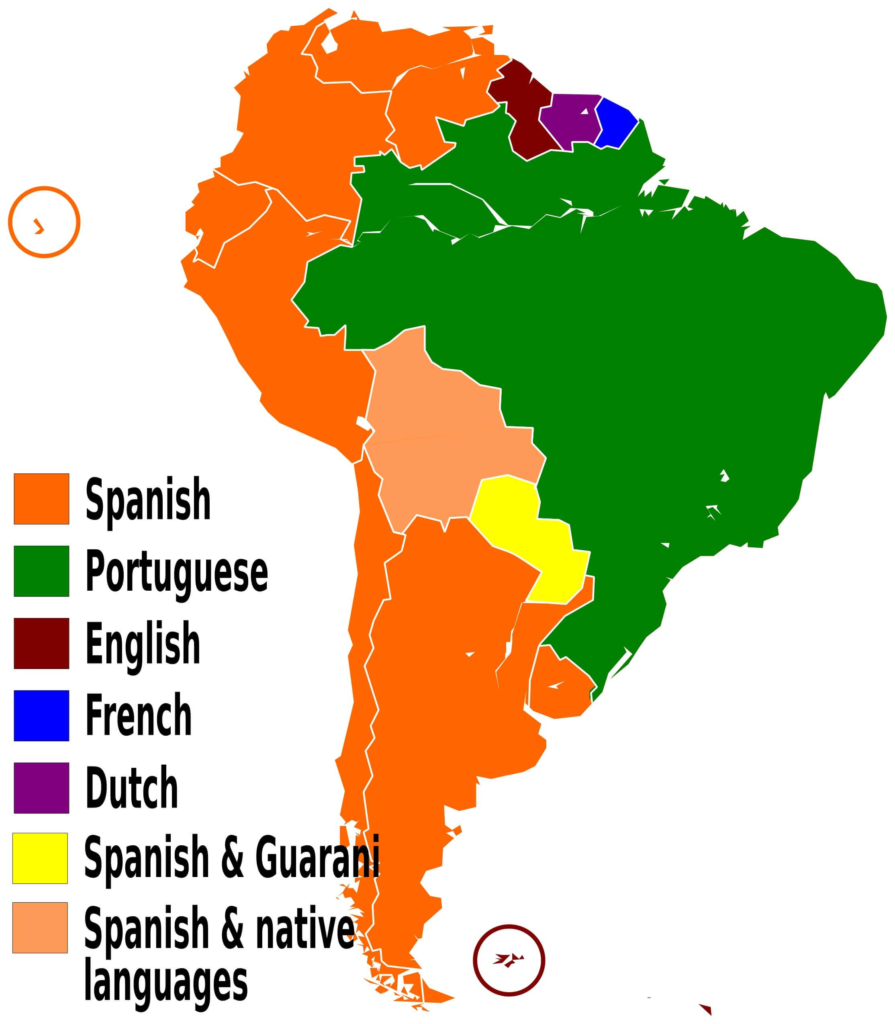
How to travel South America on a budget has changed as flight prices between countries have risen slightly. To save money, consider a South America backpacking itinerary for 2026 that uses the extensive and surprisingly luxurious long-distance bus networks in Argentina and Peru. These buses often feature fully reclining seats and meal service, making them a “land cruise” alternative to expensive domestic flights.
Must see nature spots in South America for families are increasingly found in the Pantanal of Brazil or the lake districts of Chile. These areas offer the same “epic” feel as the Amazon or Patagonia but with much more accessible infrastructure for younger children.
Quick Tip
Always verify if your country requires a “Reciprocity Fee” or a specific e-visa before landing, as several nations have updated their entry requirements for late 2026.
Key Takeaways
- Tourist Map of South America is essential for navigating the massive distances between landmarks.
- Machu Picchu requires a 60-day advance booking due to the strict 2026 ticketing system.
- Uruguay and Chile remain the safest countries for first-time visitors to the continent.
- Sustainable “slow travel” is the dominant trend for 2026 expeditions.
- New airport expansions in Lima and Santiago have reduced transit times for international arrivals.
- The dry season (May to September) is the best time to visit Machu Picchu for clear photos.

