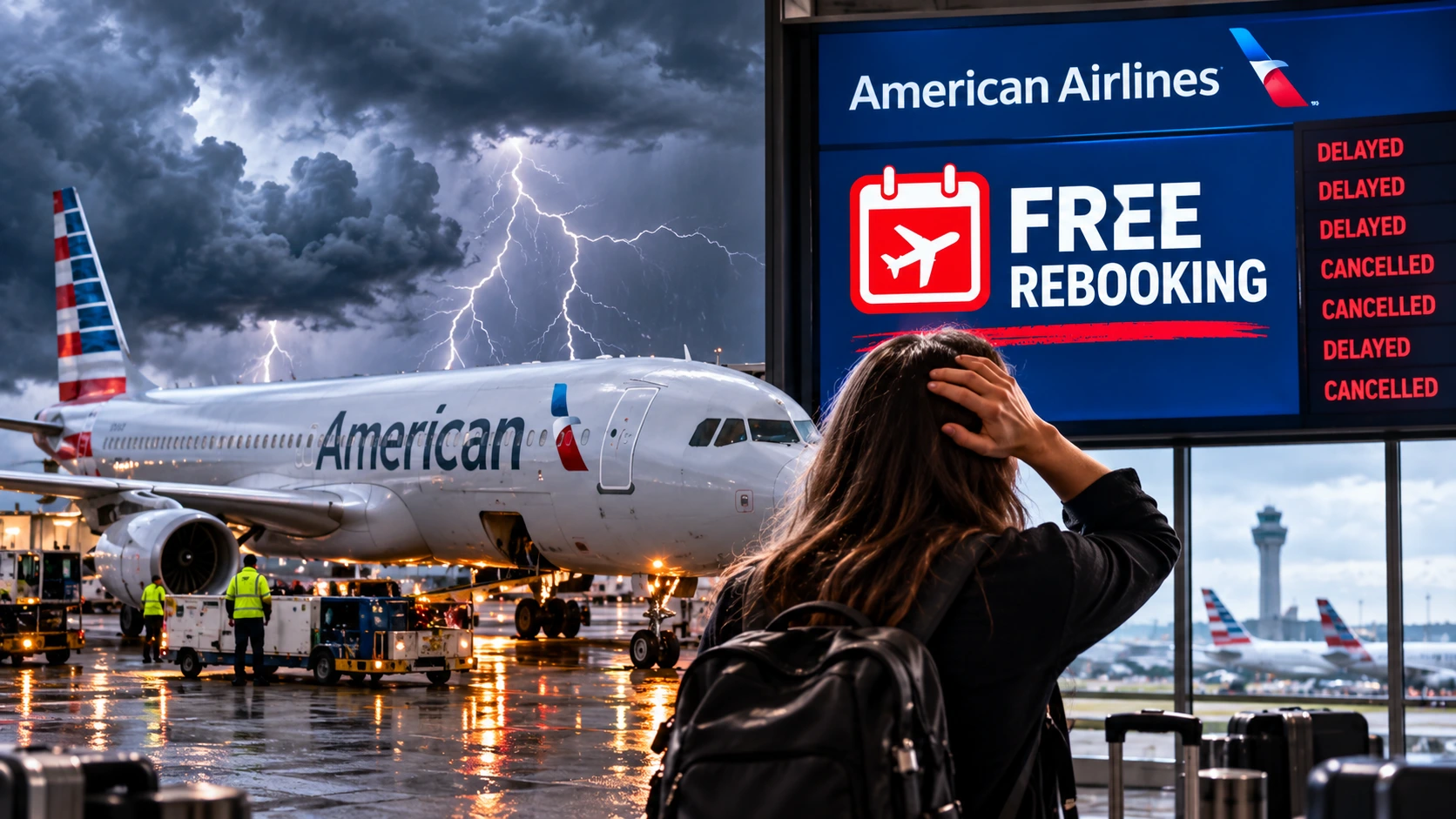
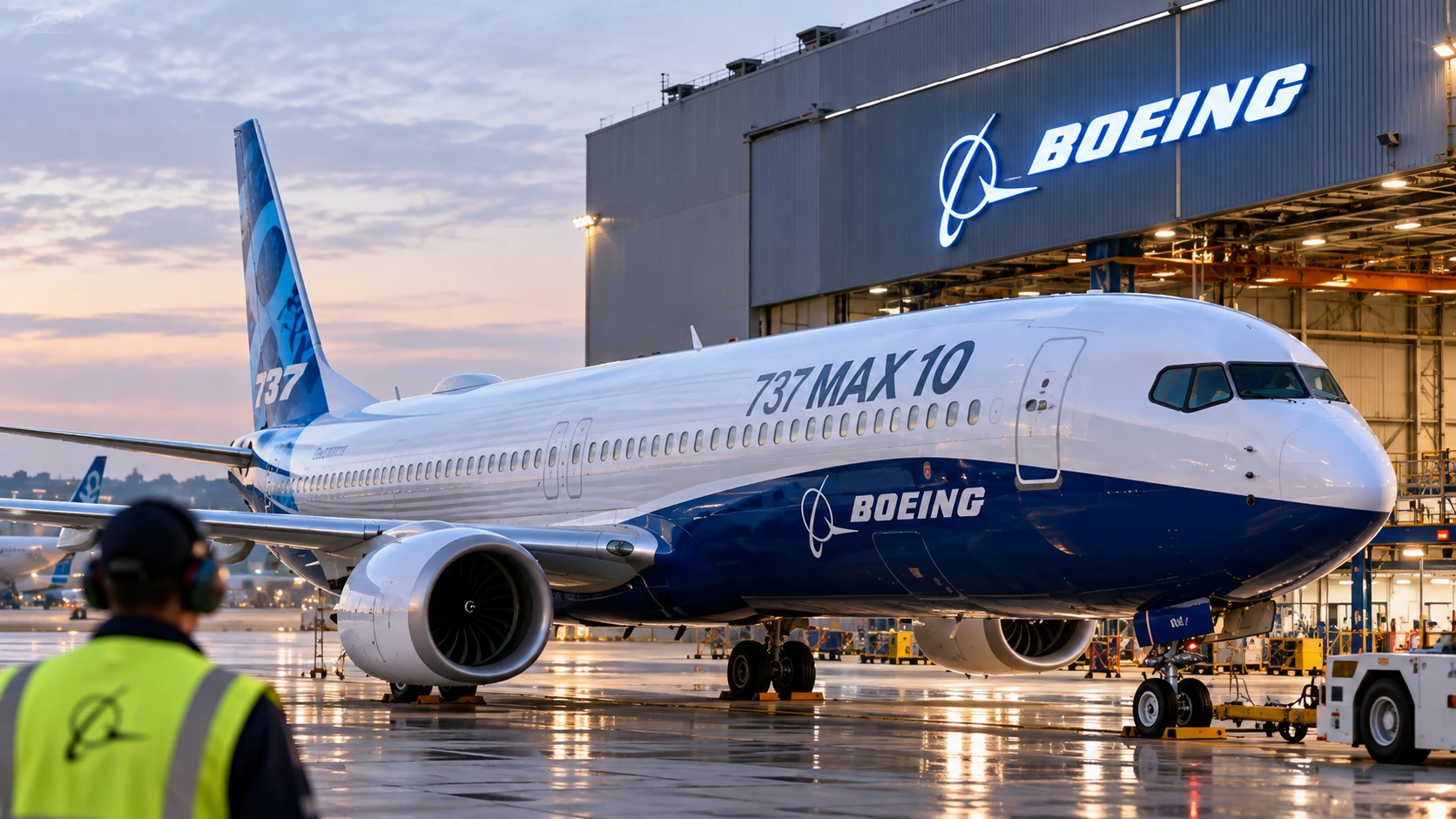
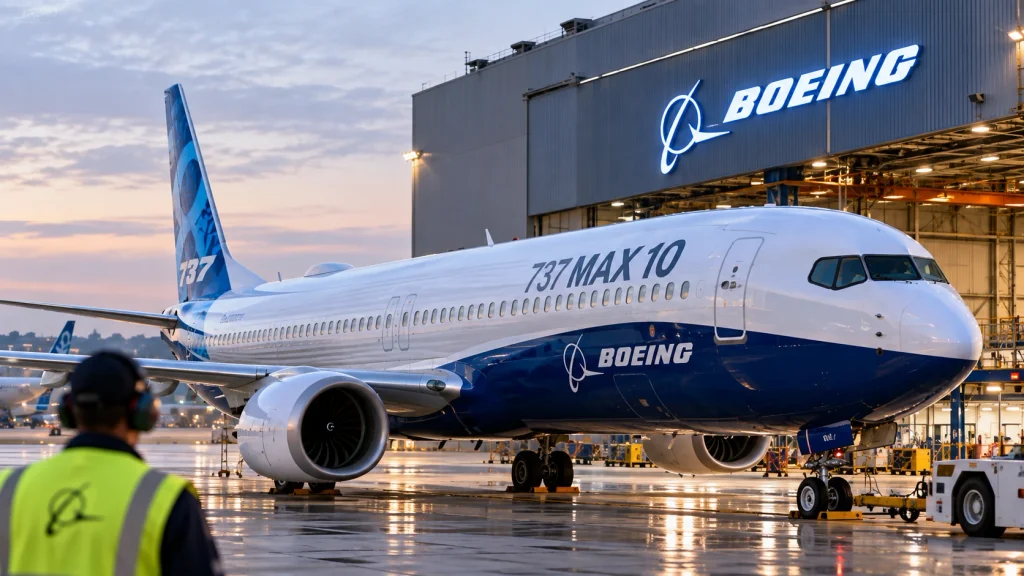
The latest certification delays for the Boeing 737 MAX 10 are creating significant ripple effects across the aviation industry, directly impacting airline delivery schedules and future passenger experiences. Initially expected to receive certification this year, the largest variant of the MAX family is now facing further scrutiny from the Federal Aviation Administration (FAA) over a software glitch.
While this specific software issue has been deemed a non-safety risk, the resulting administrative delays mean travelers will wait even longer to fly on these highly anticipated, high-capacity narrowbody aircraft.

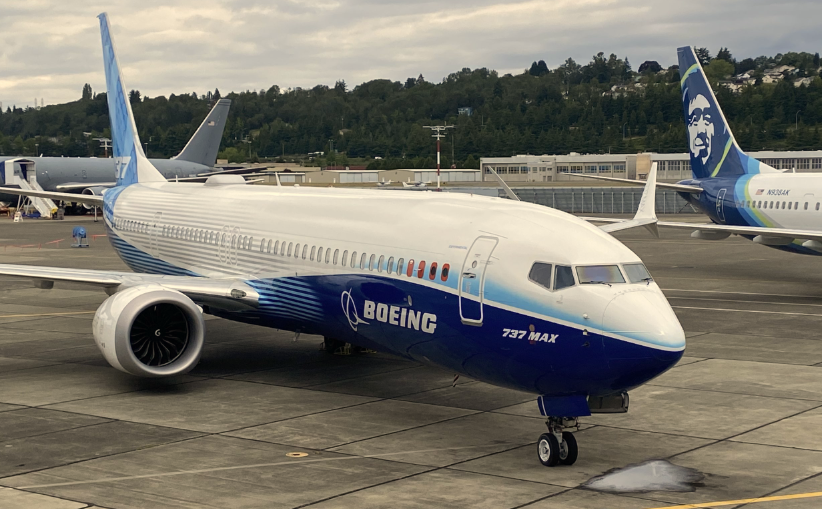
Why is the Boeing 737 MAX 10 Certification Delayed Again?
The most recent roadblock stems from a software issue affecting the aircraft’s flight management system, specifically the vertical navigation parameters during a missed approach or go-around. According to reports confirmed by the FAA and highlighted by Simple Flying, Boeing had known about this potential glitch for two years.
While the FAA determined that this specific glitch does not pose an immediate flight safety risk, the agency requires Boeing to implement and verify software fixes across the entire system before granting the final “green light” for the MAX 10. Because the European Union Aviation Safety Agency (EASA) and the FAA now apply unprecedented scrutiny to all Boeing flight control systems, every minor software patch triggers rigorous, time-consuming recertification protocols.
How Will These Delivery Delays Impact Airline Fleets?
Major US carriers rely heavily on the 737 MAX 10 to modernize their domestic fleets and increase passenger capacity on high-demand routes. The aircraft is designed to seat up to 230 passengers, offering exceptional fuel efficiency that airlines need to keep operational costs—and ticket prices—down.
These continuous certification setbacks have forced airlines to drastically alter their immediate capacity plans:
- United Airlines: Originally relying on the MAX 10 to replace aging Boeing 757s, United has been forced to lease alternative aircraft and shift its focus toward Airbus A321neo deliveries.
- Southwest Airlines: The carrier removed the MAX 7 and MAX 10 from its 2024 capacity planning entirely, refusing to accept new jets with the older, buggy software version that requires a future rollback.
- Alaska Airlines & WestJet: Both airlines are experiencing operational disruptions as they wait for the finalized software configuration to be approved for line operations.
Airlines simply cannot schedule flights on aircraft they do not physically possess. When fleet deliveries stall, airlines must extend the lifespan of older, less fuel-efficient planes or cut flight frequencies on less profitable routes.
Also read – FAA Bans Broken Boeing 787 Engine Flights: Here is Why

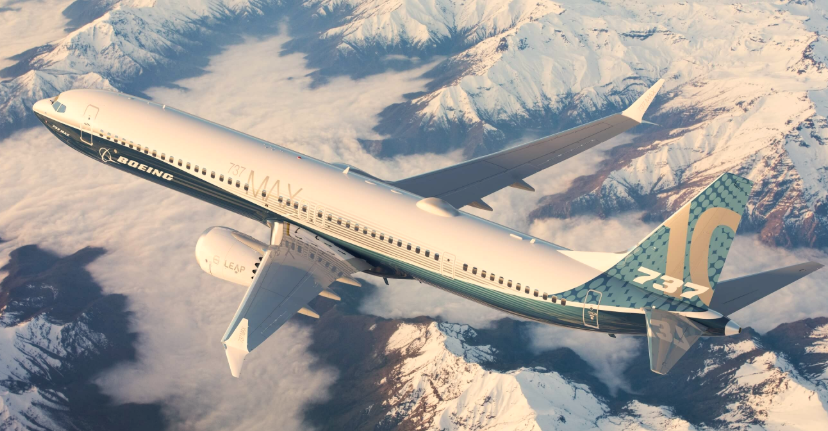
What Does This Mean for the Everyday Airline Traveler?
For the average passenger booking a ticket, the absence of the Boeing 737 MAX 10 translates to subtle but noticeable differences in the travel experience over the next two to three years.
First, a shortage of new aircraft directly restricts capacity growth. When airlines cannot add new seats to their schedules, ticket prices remain artificially high during peak travel seasons due to simple supply and demand. According to data tracked by the Bureau of Transportation Statistics (BTS), constrained capacity often leads to higher average domestic airfares.
Second, travelers will continue flying on older generation Boeing 737-800s and Airbus A320s for longer than anticipated. The MAX 10 was designed with the modernized Boeing Sky Interior, featuring larger overhead bins that guarantee a space for every passenger’s roller bag, quieter engine acoustics, and dynamic LED lighting. Passengers will have to wait longer to experience these cabin upgrades on standard domestic routes.

Expert Booking Advice During Aircraft Shortages
If you are a frequent flyer concerned about equipment swaps or older cabin interiors, check your aircraft type carefully before purchasing a ticket.
Airlines frequently substitute aircraft at the last minute when new deliveries fail to arrive. Use flight tracking tools or airline apps to confirm the exact aircraft model operating your route 24 hours before departure, as airlines may swap a scheduled MAX 9 for an older 737-800 to cover fleet shortages.