
Cuba just recorded its worst tourism quarter in over two decades. Between January and March 2026, the island welcomed roughly 298,000 international visitors — a staggering drop of nearly 50 percent compared to the same window in 2025. That is not a dip. That is the floor falling out.

But the numbers only scratch the surface. Behind the statistics sits a chain of cascading failures — jet fuel vanishing from airport tarmacs, eleven major airlines pulling their routes, rolling blackouts stretching past twenty hours, and a government scrambling to consolidate whatever hotels still have working generators.
If you had Cuba on your bucket list, or if you already had tickets booked, this is everything you need to know — laid out clearly, with zero fluff.
Why Cuba’s Tourism Numbers Dropped So Fast in 2026
This did not happen overnight. But it sure felt like it.
On February 9, 2026, the Cuban aviation authority issued a NOTAM — a Notice to Air Missions — warning that commercial Jet A-1 fuel was no longer reliably available at nine international airports. That includes José Martí in Havana, Juan Gualberto Gómez in Varadero, and Frank País in Holguín. Basically every major gateway.

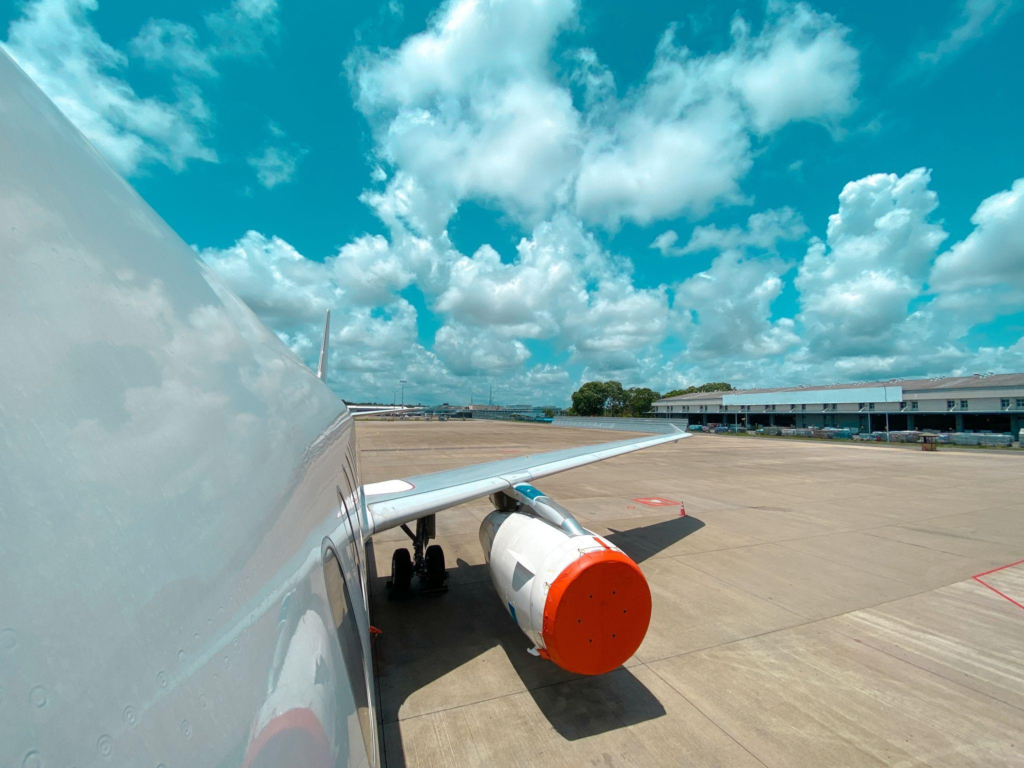
Within days, over 1,700 flights were cancelled. Tens of thousands of tourists who were already on the island had to be emergency-repatriated on specially fuelled charter legs. Imagine sitting poolside in Varadero and getting a text from your airline saying your flight home no longer exists. That was February for a lot of Canadian and European visitors.
The three forces behind the collapse
| Factor | What happened |
|---|---|
| Venezuelan oil disruption | Venezuela, Cuba’s primary fuel supplier for decades, drastically reduced or paused oil shipments. Without that crude, Cuba cannot generate electricity reliably or produce aviation fuel domestically. |
| Tightened U.S. sanctions | Strengthened economic restrictions limited Cuba’s ability to purchase fuel and supplies on the open market, squeezing already-thin reserves. |
| Cascading infrastructure failure | Without fuel, power plants falter. Without power, airports cannot operate ground services, hotels lose air conditioning and refrigeration, and the entire tourism supply chain buckles. |
That triple hit landed all at once. The result was not a gradual decline — it was a cliff.
Which Airlines Cancelled Flights to Cuba in 2026?
This is the question everyone searches first, and the answer keeps getting worse.


As of late April 2026, at least 11 international airlines have suspended or indefinitely paused routes to Cuba. Here is the full picture:
| Airline | Status | Expected Return |
|---|---|---|
| Air Canada | All Cuba routes suspended | No earlier than November 1, 2026 |
| WestJet | All operations cancelled | October 25, 2026 (tentative) |
| Sunwing | Full suspension | October 9–25, 2026 (tentative) |
| Air Transat | Cuba flight program paused | October 25, 2026 (gradual) |
| Air France | Paris–Havana suspended | Mid-June 2026 (if fuel stabilises) |
| Iberia | Madrid–Havana suspended | June 1 – October 24, 2026 |
| Turkish Airlines | Service halted | No confirmed return date |
Airlines still flying to Cuba right now
A handful of carriers are still operating, though many now add a technical stop in a third country to refuel before landing in Cuba:
- Air Europa (via Madrid)
- Aeroméxico (via Mexico City)
- Copa Airlines (via Panama City)
- World2Fly / W2Fly
- Viva Aerobus
- American Airlines (limited U.S. routes)
- Delta Air Lines (limited U.S. routes)
- Southwest Airlines (limited U.S. routes)
One thing to understand: even these airlines are adjusting schedules week by week. A route that exists today might not exist next Tuesday. If you book, confirm directly with the airline 48 hours before departure. Do not just trust the app.
For local updates in Cube check here – Tourism | CUBADIPLOMATICA
What Does Cuba Actually Look Like for Tourists Right Now?
Here is where most articles stop — they give you the statistics and the airline tables and call it a day. But if you are genuinely considering going, you need the ground-level picture.
Power outages are not occasional — they are the routine

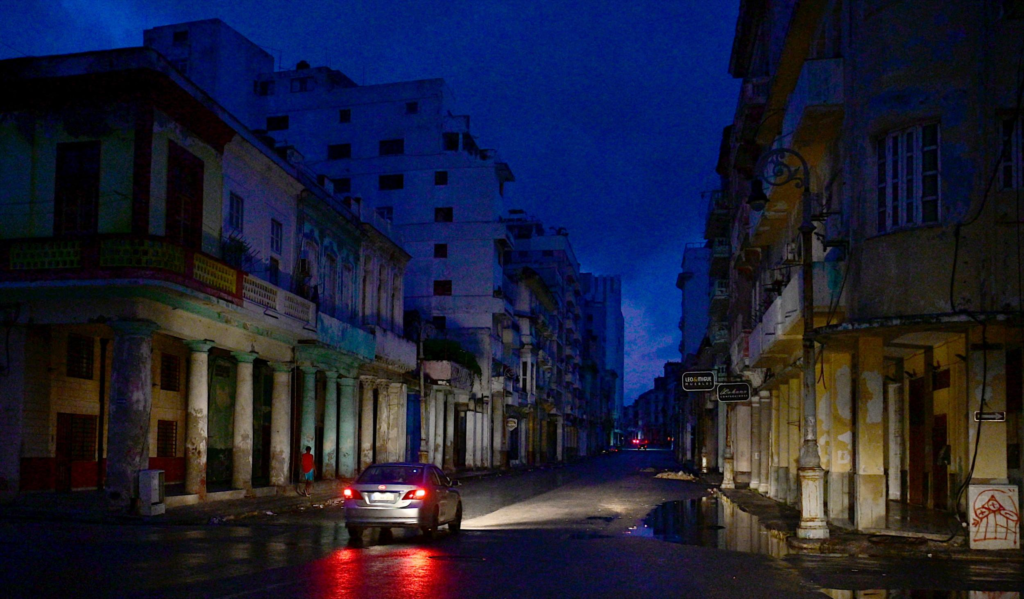
Forget the phrase “occasional blackout.” In many parts of Cuba right now, electricity is off more than it is on. Some neighbourhoods outside Havana and the resort corridors see outages stretching 16 to 20 hours in a single day. That means no air conditioning in 33°C heat. No fan. No fridge keeping your bottled water cold. No phone charging unless you brought a power bank.
Large resort hotels in Varadero and parts of Havana run backup generators, but even those are rationed because diesel is scarce. You might get power from 7 PM to midnight in the lobby, then nothing until morning.
Varadero feels like a ghost town
I spoke with a Canadian couple who visited Varadero in mid-March 2026. They described a stretch of beach that used to be wall-to-wall sun loungers — now almost empty. The hotel buffet, which once had twelve stations, was running three. Rice, beans, whatever protein the kitchen could source that morning. No complaints about the staff — “They were incredibly kind, genuinely grateful we showed up” — but the infrastructure simply was not there.

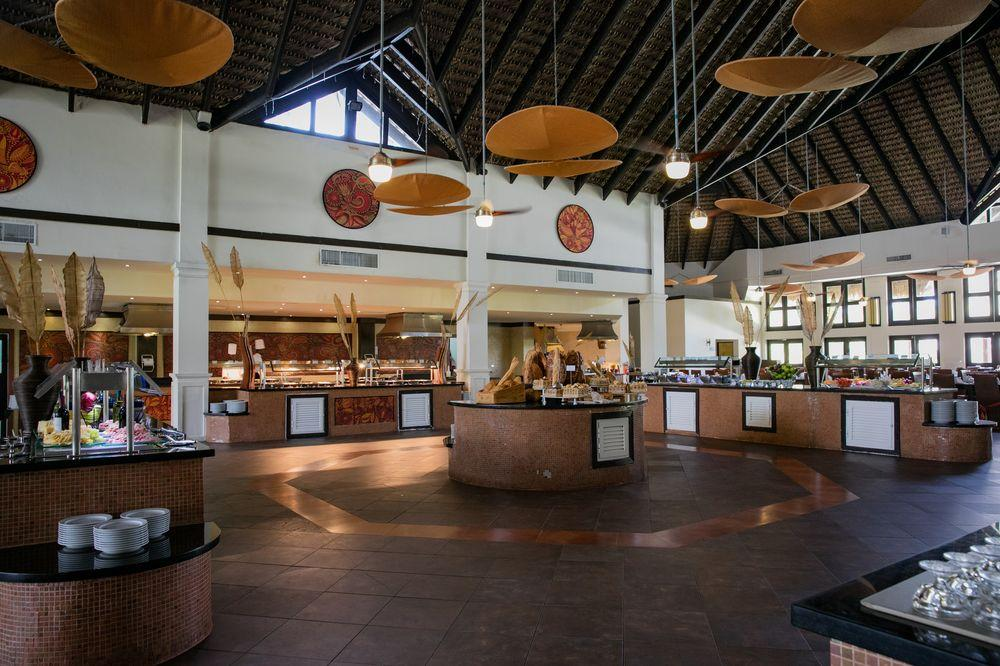
Hotel employees in Varadero are reportedly working seven-day rotations — seven days on, seven days off — partly because there is not enough fuel for them to commute daily.
Havana still has its soul, but the gaps are visible
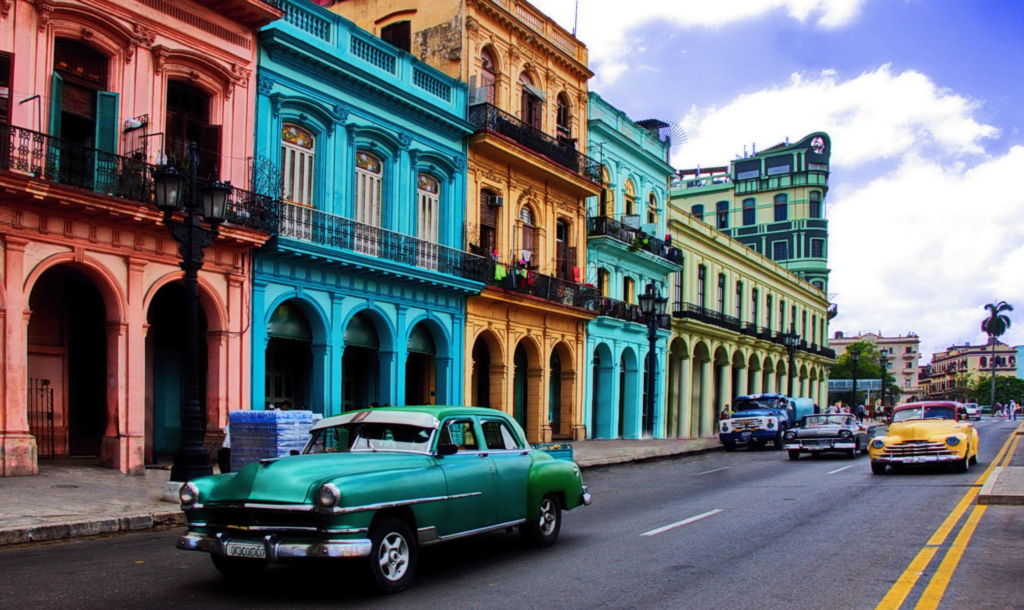
Old Havana still smells like roasted coffee and motor oil. The colours are still there — that ochre-and-teal palette that photographers obsess over. But walk three blocks off the tourist spine and you will see the queues. Cubans lining up before dawn for bread. Pharmacies with bare shelves. The peso economy is in freefall, and while tourists operate mostly in foreign currency, the shortages are impossible to ignore.

If you go to a paladar (a private restaurant) in Vedado or Centro Habana, the food can still be remarkable — slow-braised pork, fried plantains that crackle when you bite in, black beans cooked low and smoky. But the menu might be three items instead of fifteen. Whatever the cook found at market that morning, that is dinner.
Also read – Why USA, UK & Canada Travelers Can’t Stop Visiting …
Cuba’s “Tourism Compacting” Strategy — What It Means for Travellers
The Cuban government rolled out something they call “compacting” in early 2026. In plain language: they are closing hotels that cannot fill enough rooms and funnelling all remaining guests into a smaller number of properties that still have reliable power, water, and food supply.

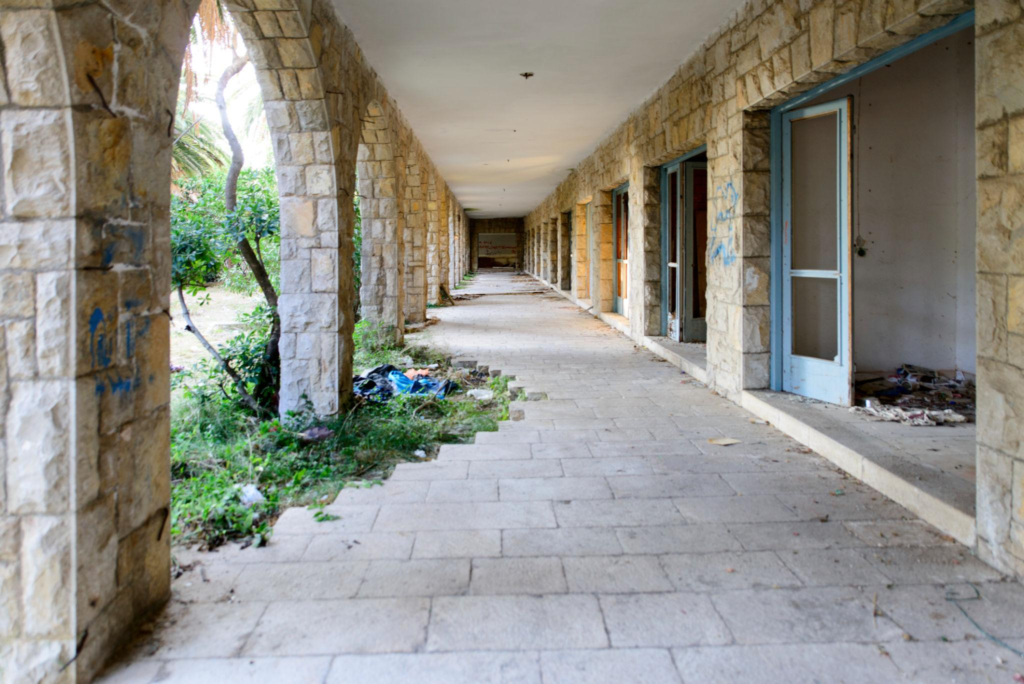
From a traveller’s perspective, this means:
- Fewer hotel options. You might book one property and get moved to another on arrival because your original hotel was consolidated.
- Higher occupancy in operating hotels. The ones that are open tend to be busier, which actually makes the experience feel less lonely.
- More unpredictability. Do not assume anything is confirmed until you are physically standing in the lobby.
The government is also experimenting with new management “leasing” models, giving international hotel chains more operational freedom. Whether that translates to better guest experiences in the short term is unclear.
Should You Still Travel to Cuba in 2026?
This is not a yes-or-no answer. It depends entirely on what kind of traveller you are.
Go if:
- You are experienced with developing-world travel and genuinely comfortable with unpredictability
- You want to support Cuban families directly by staying in casas particulares and eating at private paladares
- You understand that this is not a beach holiday — it is more like witnessing a country at a crossroads
- You can fly in through one of the carriers still operating (Copa via Panama, Aeroméxico via Mexico City, or a U.S. carrier if you qualify under a specific travel licence)
Skip it (for now) if:
- You need reliable air conditioning, hot water, or consistent food variety
- You are travelling with young children or anyone with medical needs that require stable infrastructure
- Your airline is one of the suspended Canadian carriers and you have not yet rebooked
- You are not prepared to carry enough cash (USD or EUR) for your entire trip — credit cards from U.S. banks do not work, and ATM access is extremely spotty
What to Pack If You Decide to Go to Cuba Right Now
This is not your standard Caribbean packing list. Think of it as a self-sufficiency kit.
- High-capacity power bank (20,000 mAh minimum) — charge it fully before you land, because you might not find a working outlet for hours
- Headlamp or compact flashlight — essential for navigating streets and hotel hallways during blackouts
- Filtered water bottle (LifeStraw or Grayl) — tap water is unsafe, and bottled water supply is inconsistent
- Full toiletry supply — soap, shampoo, sunscreen, insect repellent, toothpaste. These items are either unavailable or wildly overpriced locally
- Basic first-aid kit — pain relievers, anti-diarrheal medication, antiseptic wipes, band-aids, any prescription meds in original packaging
- Cash in small denominations — USD or EUR, nothing larger than $20 bills for daily spending. Bring more than you think you will need
- Photocopies of your passport and travel insurance — keep them in a separate bag from the originals
- Snacks from home — granola bars, trail mix, anything non-perishable. There will be moments when the kitchen is closed and nothing else is open
Also read – Top 5 Best Beaches in Miami
When Will Cuba’s Tourism Recover?
Honestly? Nobody has a confident answer.
Some travel economists are calling this a “lost decade” for Cuban tourism. The structural problems — crumbling power grid, fuel dependency on Venezuela, limited access to global capital — are not things that fix themselves in a season.
Here is what the recovery timeline roughly looks like based on current reporting:
| Timeframe | What to expect |
|---|---|
| May – September 2026 | Low season compounded by ongoing crisis. Most Canadian and European airlines remain grounded. Skeleton tourism operations. |
| October – November 2026 | Earliest possible return of Air Canada, WestJet, Sunwing, and Air Transat — but only if fuel supply stabilises. No guarantees. |
| 2027 | Gradual rebuilding possible if Venezuela resumes oil shipments or Cuba secures alternative fuel contracts. Still well below pre-pandemic levels. |
| 2028 and beyond | Meaningful recovery requires deep infrastructure investment in the power grid and aviation fuel supply chain. |
The Accessible Canada Act sets a 2040 accessibility deadline. Cuba’s tourism deadline is less formal but just as real: fix the grid or watch the industry fade for a generation.
How Canadian Travellers Are Affected the Most
Canada has historically been Cuba’s single largest tourism source market. Varadero was practically a second Cancún for snowbirds from Ontario, Quebec, and the Prairies.

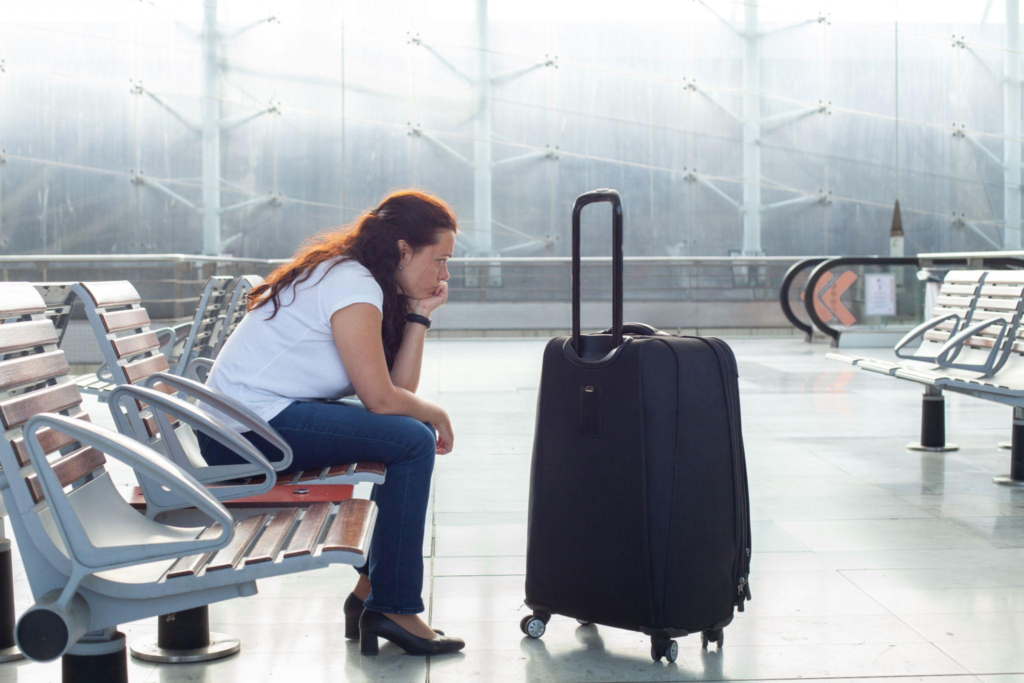
In Q1 2026, Canadian arrivals to Cuba fell 54 percent. That is more than half the usual winter traffic — gone. The suspension of Air Canada, WestJet, Sunwing, and Air Transat wiped out virtually every direct route from Canadian airports to Cuban destinations.
For Canadians who already purchased packages through Sunwing Vacations or WestJet Vacations, most have been offered full refunds or rebookings to alternative Caribbean destinations like the Dominican Republic, Jamaica, or Mexico.
If you are a Canadian with existing Cuba bookings, here is what to do:
- Check your booking confirmation for cancellation notices
- Contact your travel insurance provider — most policies cover supplier insolvency and government travel advisories
- Look at the Government of Canada’s official Cuba travel advisory on travel.gc.ca for the latest risk assessment
- Consider rebooking to a destination with stable flight connectivity for winter 2026–27
The Bigger Picture: What Cuba’s Collapse Means for Caribbean Tourism
Cuba’s loss is, bluntly, the rest of the Caribbean’s gain. Tour operators who previously pushed Varadero packages are redirecting capacity to Punta Cana, Montego Bay, Cancún, and Curaçao.
But there is a human cost here that the industry numbers never capture. The casa particular hosts who painted their guest rooms and learned English phrases from YouTube. The paladar owners who perfected their ropa vieja recipe for foreign palates. The vintage car drivers who spent years restoring a 1957 Chevy Bel Air to ferry tourists down the Malecón.
Those people are still there. They are still waiting. And when the lights come back on — literally — they will need visitors more than ever.
Frequently Asked Questions About Cuba’s Tourism Crisis
Is Cuba safe to visit right now in 2026?
Cuba remains physically safe in terms of violent crime against tourists — that has not changed. The risks are infrastructure-related: prolonged blackouts, limited medical supplies, unreliable transportation, and the possibility of flight cancellations stranding you longer than planned. Multiple governments, including Canada and Australia, currently advise against non-essential travel to Cuba.
Can you still fly to Cuba from Canada in 2026?
Not on any major Canadian carrier as of April 2026. Air Canada, WestJet, Sunwing, and Air Transat have all suspended Cuba routes through at least October 2026. Canadians can still reach Cuba by connecting through Panama (Copa Airlines), Mexico City (Aeroméxico), or Madrid (Air Europa), but there are no direct Canadian flights currently operating.
Why did airlines stop flying to Cuba?
The immediate trigger was a NOTAM issued on February 9, 2026, warning that Jet A-1 aviation fuel was no longer commercially available at nine Cuban airports. Airlines cannot safely operate routes to destinations where they cannot refuel their aircraft. The underlying cause is Cuba’s broader energy crisis, driven by reduced Venezuelan oil shipments and tightened U.S. economic sanctions.
Are hotels still open in Varadero and Havana?
Some are. Cuba’s government implemented a “tourism compacting” strategy that closed low-occupancy hotels and concentrated resources in fewer properties. In Varadero, several large resorts remain operational with generator power, but services are reduced. In Havana, select hotels and most casas particulares continue to host guests, though with intermittent electricity and limited amenities.
What is Cuba’s “tourism compacting” strategy?
It is the government’s response to the crisis: shutting down hotels that cannot justify their energy and staffing costs at current occupancy levels, and redirecting all remaining tourists into a smaller pool of fully operational properties. The goal is to maintain a baseline quality of service rather than spreading thin resources across hundreds of half-empty hotels.
When will flights from Canada to Cuba resume?
The earliest tentative dates are October 2026 for Sunwing and WestJet, and November 1, 2026 for Air Canada. Air Transat is targeting a gradual restart from October 25, 2026. All of these dates depend on Cuba stabilising its aviation fuel supply. There are no guarantees.
How much cash should I bring to Cuba in 2026?
Plan for at least $80–100 USD (or equivalent in EUR) per person per day, and bring it entirely in cash. U.S.-issued credit and debit cards do not function in Cuba. ATMs are unreliable. Use small denominations — $5, $10, and $20 bills — for daily transactions at casas particulares, paladares, and local markets.
Is travel insurance important for a Cuba trip right now?
It is not just important — it is non-negotiable. Cuba requires proof of travel medical insurance upon entry. Given the current instability, make sure your policy explicitly covers emergency medical evacuation, trip cancellation due to airline suspension, and itinerary disruption. Read the fine print before you fly.