
Key Highlights
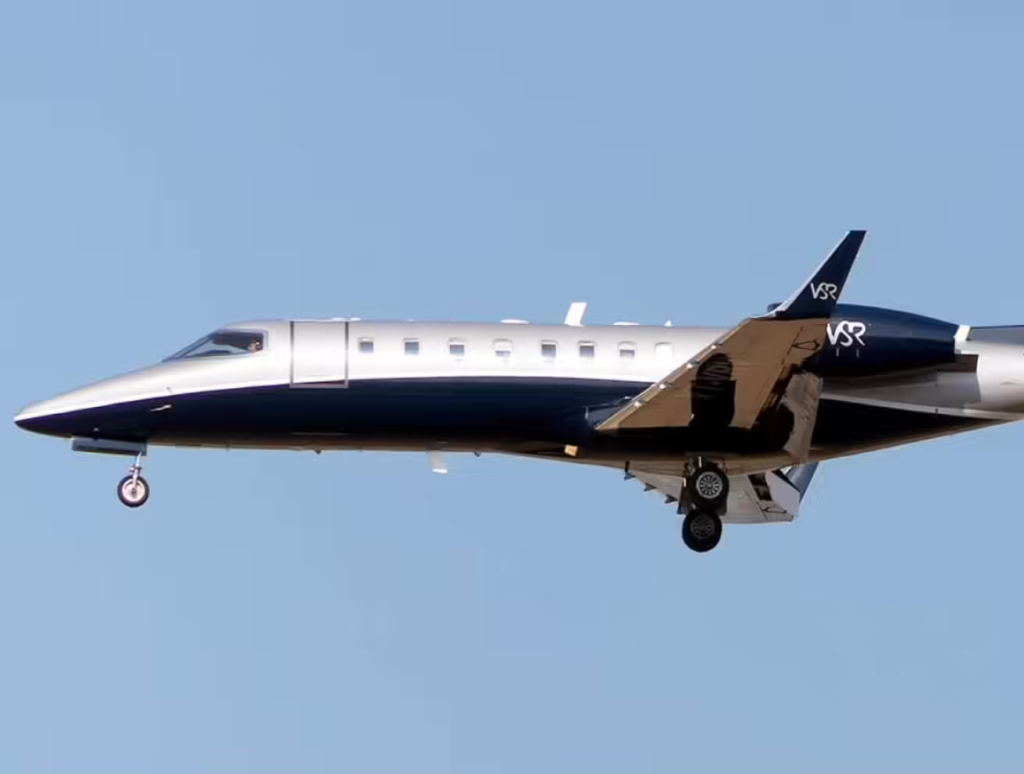
- Directorate General of Civil Aviation grounds four aircraft operated by VSR Aviation.
- Regulator tightens surveillance and compliance checks.
- Action follows findings during oversight review.
- Move reinforces India’s aviation safety monitoring in 2026.
What Happened?
India’s aviation regulator has grounded four aircraft operated by VSR Aviation after identifying compliance concerns during regulatory oversight.
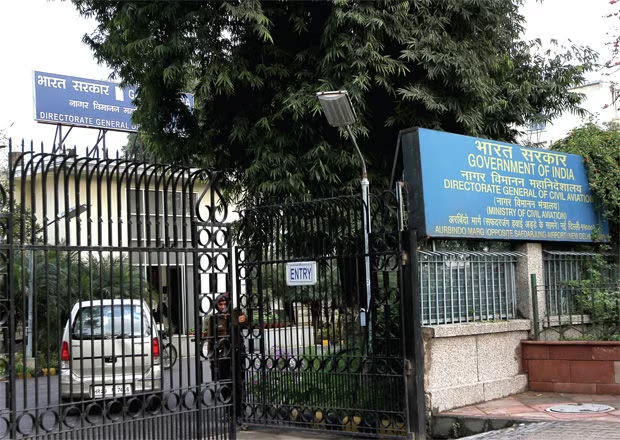
The Directorate General of Civil Aviation, commonly known as DGCA, ordered the jets to remain out of service until corrective measures are completed and verified.
The action forms part of enhanced surveillance measures being implemented across India’s non-scheduled and charter aviation sector.

Why Did DGCA Ground the Aircraft?
The aircraft were grounded due to regulatory compliance findings identified during inspections, prompting DGCA to impose immediate safety restrictions.
While detailed technical findings were not publicly disclosed, such actions typically relate to:
- Documentation irregularities
- Maintenance compliance gaps
- Operational oversight deficiencies
- Safety management system lapses
DGCA’s move reflects a zero-tolerance approach toward procedural deviations, especially within India’s expanding private and charter aviation market.

Who Is VSR Aviation?
VSR Aviation is an Indian non-scheduled operator engaged in charter and business aviation services. Operators in this segment are subject to strict DGCA monitoring under India’s Civil Aviation Requirements framework.
India’s charter aviation industry has expanded rapidly in recent years, driven by:
- Growing corporate demand
- Rising high-net-worth travel
- Regional connectivity expansion
With growth comes increased regulatory scrutiny to ensure uniform safety standards.
What Does “Grounding” Mean in Aviation?
Grounding means the aircraft are legally prohibited from flying until regulatory authorities confirm compliance and safety standards are met.
Grounding typically involves:
| Step | Action |
|---|---|
| 1 | Immediate suspension of flight operations |
| 2 | Technical audits and document review |
| 3 | Rectification of findings |
| 4 | Regulator approval before return to service |
This preventive approach ensures passenger and operational safety remain uncompromised.
How Does This Affect Passengers?
At present, the grounding impacts VSR Aviation’s charter operations. Clients with scheduled flights may face:
- Flight rescheduling
- Aircraft substitution
- Temporary service disruption
However, such regulatory actions are designed to enhance long-term safety rather than create systemic disruption.
Also read – Etihad Launches A380 to Bangkok With World’s Only Three-Room Sky Suite
DGCA’s Increasing Oversight in 2026
India’s aviation sector is witnessing tighter oversight as fleet sizes and air traffic volumes increase. The DGCA has been:
- Conducting surprise audits
- Expanding safety surveillance programs
- Reviewing non-scheduled operator compliance
- Digitizing inspection records
The regulator’s proactive enforcement aligns with global aviation safety standards maintained by international bodies.
Industry experts note that stronger oversight enhances India’s aviation credibility, especially as the country aims to become one of the world’s largest aviation markets.


Broader Trend: Stricter Aviation Compliance in India
India is projected to become the third-largest aviation market globally. With rapid fleet expansion, regulators are focusing on:
- Predictive safety monitoring
- AI-driven maintenance tracking
- Digital compliance audits
- Real-time operational reporting
The grounding of aircraft, when necessary, signals regulatory maturity rather than instability.
Timeline of Events
- Routine or targeted inspection conducted
- Compliance findings identified
- DGCA issues grounding order
- Aircraft remain grounded pending corrective action
Why did DGCA ground four VSR Aviation aircraft?
DGCA grounded the aircraft after identifying regulatory compliance gaps during inspections. The jets will remain grounded until the operator corrects the deficiencies and receives regulatory clearance.
What does it mean when an aircraft is “grounded” by aviation authorities?
Grounding means the aircraft is legally prohibited from flying. It cannot operate commercial or charter flights until safety and compliance requirements are fully met.
Were passengers ever in danger due to these aircraft?
There is no report of an accident or in-flight emergency. Grounding is a preventive action to ensure safety standards are maintained before any risk escalates.
How does DGCA monitor airline and charter safety in India?
DGCA conducts audits, surprise inspections, document verification, maintenance reviews, and safety management system evaluations. Operators must continuously meet Civil Aviation Requirements to remain active.
Is aircraft grounding common in aviation?
Yes, globally regulators ground aircraft when compliance gaps are found. It is a standard safety enforcement tool used to maintain strict operational discipline.