I still remember the first time I hopped on a ferry in Greece. The smell of diesel mixed with salty air, sunburned travelers clutching freddo espressos, and that feeling that anything could happen once the island appeared on the horizon. Greece island hopping is not just about beaches and blue domes. It is about expectations versus reality, about islands that quietly steal your heart, and others that look stunning on Instagram but feel oddly hollow once you arrive.

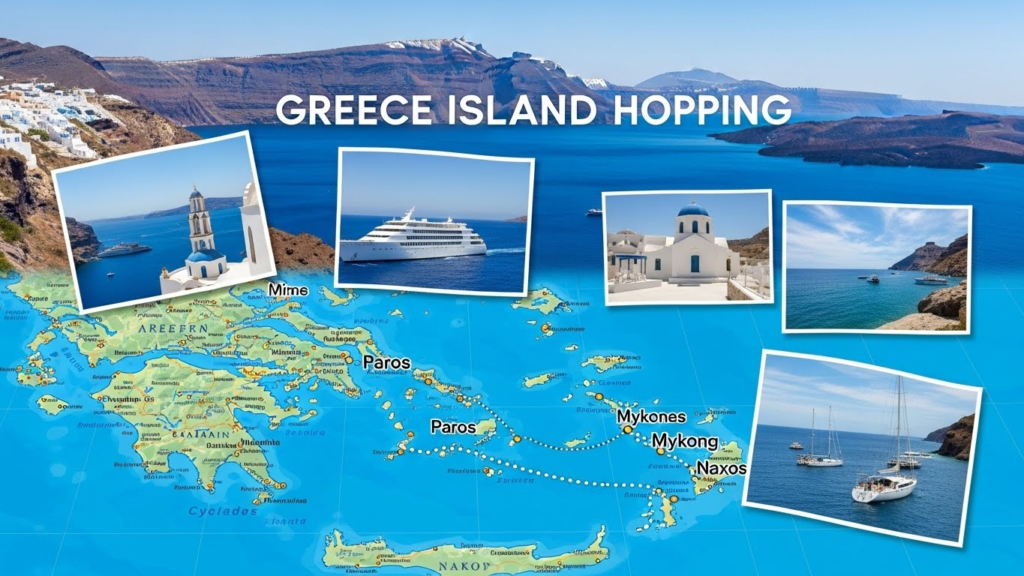
This ranking is based on real travel time, multiple trips, missed ferries, overpriced dinners, surprise villages, and sunsets that genuinely stopped me in my tracks. Some islands are absolute magic. Others are beautiful but not worth the hype unless you travel very intentionally.
If you are planning Greece island hopping and want honesty, nuance, and real-world advice, this list will save you time, money, and disappointment.
Best Greece Islands for Island Hopping
1. Naxos
Naxos is the island I compare all others against, because it quietly succeeds where most Greek islands fail. It does not force an identity on you. Instead, it lets you shape your days naturally, beach one morning, mountain village the next, long dinners without checking the price.
What struck me most was how alive Naxos feels beyond tourism. Farmers sell produce on the roadside, bakeries open early for locals, and villages like Apeiranthos still operate on their own rhythm. The beaches are long and sandy rather than dramatic and crowded, which means you actually relax instead of chasing photos.

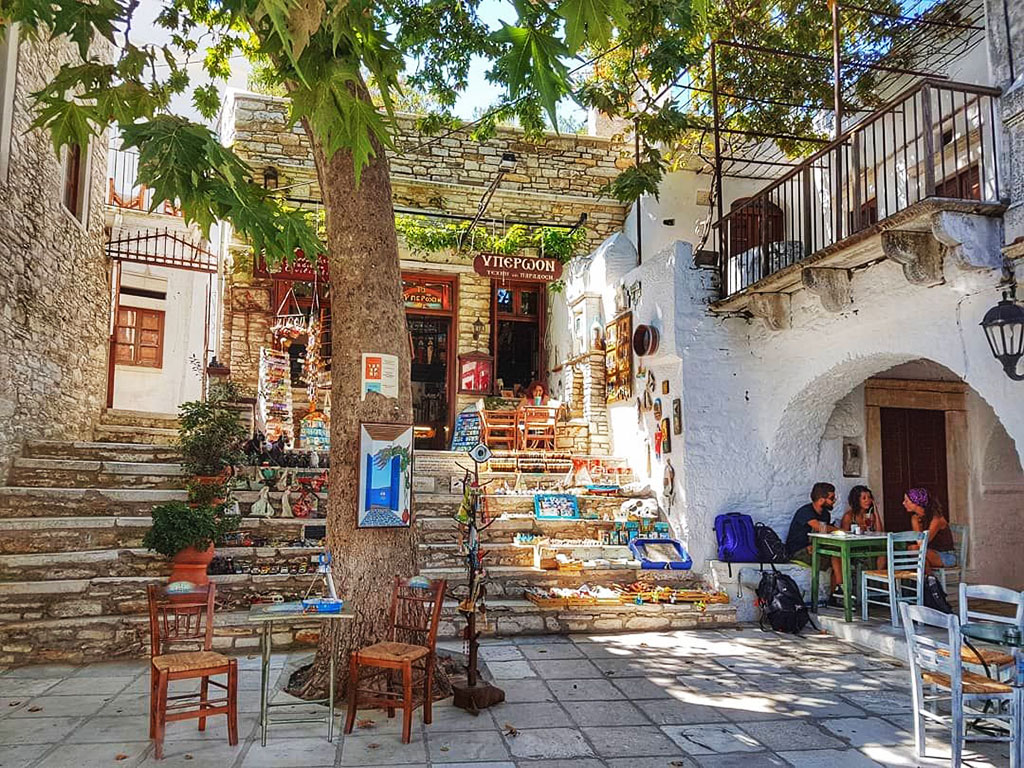
Food is exceptional here, not trendy, but deeply satisfying. Local cheese, potatoes grown in volcanic soil, slow-cooked goat. I ate better here than on islands charging triple the price for half the flavor.
Who Naxos is perfect for: First-time Greece travelers, families, couples who want balance, travelers who hate feeling rushed
Best time to visit: Late May, June, September. August is busy but still manageable compared to Mykonos or Santorini
Common mistake: Staying only near the port and skipping the interior villages
Why it ranks #1 overall: Naxos offers authenticity, space, value, and emotional ease. It gives more than it takes.
Find their local information here on Greece authority tourism website.
2. Paros
Paros is what many travelers hope Mykonos will be, stylish and social, but still warm and human. The island has mastered balance. You can dress up at night in Naoussa, then wake up the next morning and swim in a quiet cove with barely another soul around.
What makes Paros special is how effortlessly it moves between moods. Naoussa buzzes with energy, Parikia feels historic and calm, and Lefkes pulls you inland into whitewashed calm and mountain air. Nothing feels forced. Tourism exists, but it has not flattened the island’s personality.

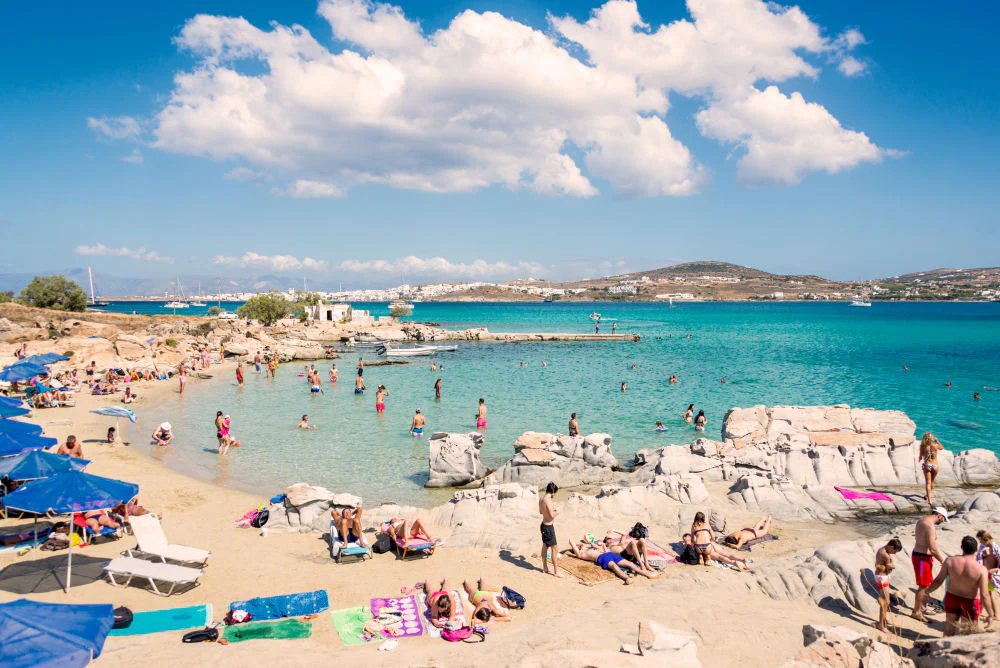
I found Paros ideal for island hopping because it never overwhelms you. Ferries are frequent, distances are short, and the island adapts to your pace instead of demanding one.
Who Paros is perfect for:
Couples, friend groups, first-time island hoppers who want variety
Best time to visit:
June and early September for lively atmosphere without pressure
Common mistake:
Staying only in Naoussa and missing inland villages
Why it ranks so high:
Paros delivers beauty, nightlife, beaches, and authenticity without exhausting you
3. Milos
Milos is not an easy island, and that is exactly why it leaves such a deep impression. This is a place shaped by geology more than tourism, where beaches feel sculpted rather than designed. Sarakiniko looks unreal in person, and Kleftiko, reached only by boat, feels like a reward, not an attraction.

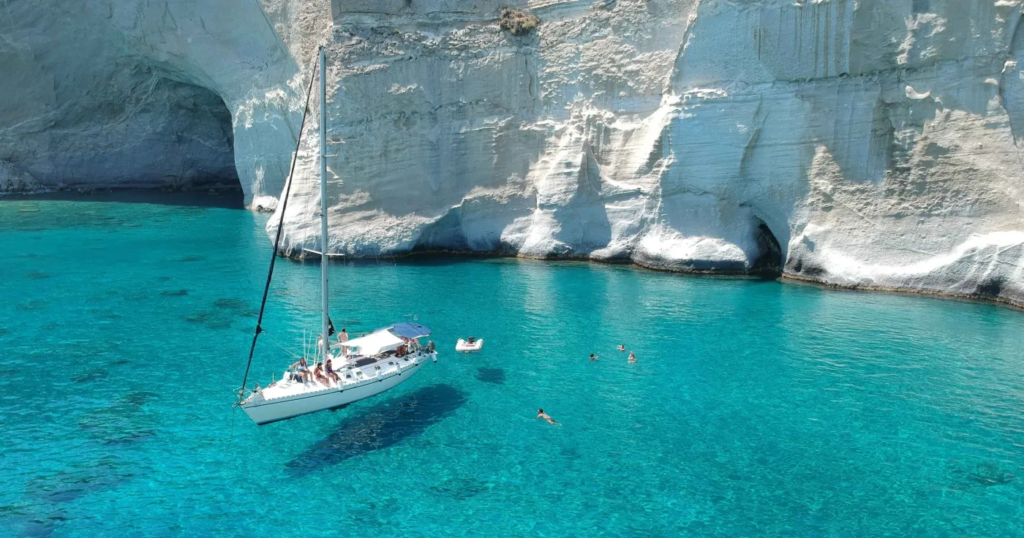
The mistake most people make in Milos is underestimating logistics. Without a car or boat, the island feels frustrating. With one, it becomes extraordinary. I learned this quickly, and once I adjusted, Milos became one of the most visually memorable places I have ever visited.
Evenings here feel intimate. Fishing villages like Klima glow softly at sunset, and dinners stretch long without distraction. Milos demands effort, but it gives back beauty that feels earned.
Who Milos is perfect for:
Adventurous travelers, photographers, repeat Greece visitors
Best time to visit:
June or September. July and August require planning
Common mistake:
Treating Milos like a walkable island
Why it ranks near the top:
Milos offers landscapes you cannot replicate anywhere else in Greece
4. Crete
Crete is not an island you casually hop through. It is an island that asks for commitment, and if you give it that, it rewards you more deeply than anywhere else in Greece. Calling Crete a “Greek island” almost feels misleading, because it behaves more like a country with multiple personalities.
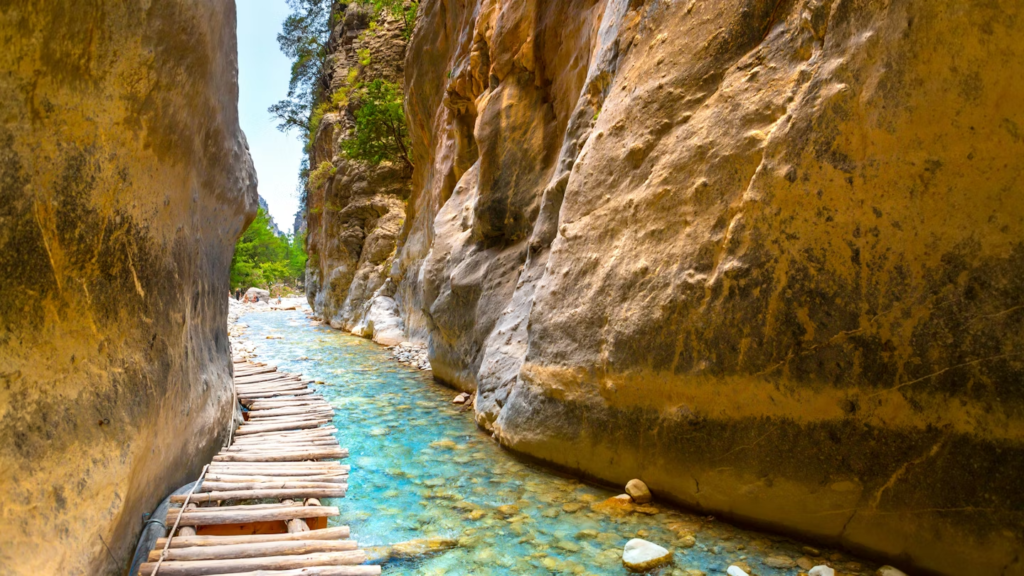
What surprised me most was how dramatically the landscape shifts. One day you are walking Venetian alleys in Chania, the next you are driving through rugged mountains where villages feel untouched by time. The food alone changes by region. Olive oil tastes sharper, bread heartier, and dishes feel rooted in survival rather than tourism.
Crete taught me patience. Distances are long, buses are slow, and rushing only leads to frustration. Once I stopped trying to see everything, Crete became unforgettable.
Who Crete is perfect for:
Slow travelers, food lovers, hikers, repeat visitors to Greece
Best time to visit:
May, June, September, October. Summer heat can be intense inland, (Additional help – I have throughly curated a blog on best time to visit Greece for my readers, do check it out)
Common mistake:
Trying to cover the whole island in one trip
Why it ranks #4:
Unmatched depth, culture, and diversity, but not ideal for fast island hopping
5. Koufonisia
Koufonisia feels like the antidote to modern travel. No dramatic cliffs, no famous landmarks, no pressure to do anything at all. And that is exactly its power. This is an island where walking replaces planning, and swimming replaces schedules.
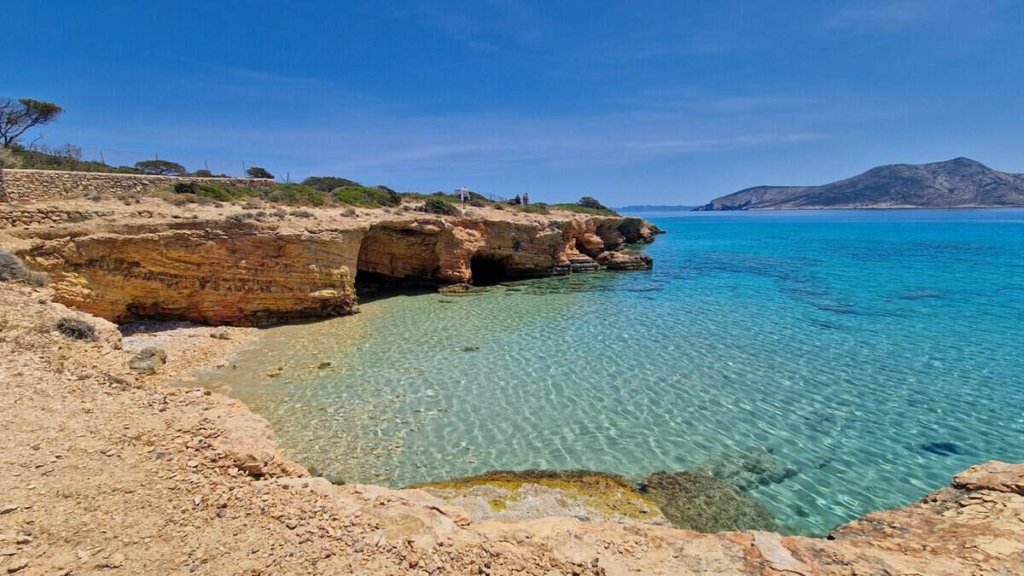
I remember arriving tired, both physically and mentally, and realizing within hours that Koufonisia was resetting me. Beaches connect by footpaths, tavernas operate without urgency, and evenings stretch long as the sun sinks gently rather than theatrically.
It is not an island that entertains you. It gives you space to rest, which is far rarer.
Who Koufonisia is perfect for:
Burnt-out travelers, couples, minimalists, slow island hoppers
Best time to visit:
June and September. August is charming but very busy
Common mistake:
Staying more than 3 to 4 nights
Why it ranks #5:
Few places strip travel back to something this simple and satisfying
6. Ios
Ios suffers from a reputation that hides its real beauty. Yes, it can be loud and chaotic in peak party season, but outside of that narrow window, Ios is one of the most scenic islands in the Cyclades. The beaches are wide and golden, the Chora glows at sunset, and the island feels open and airy.
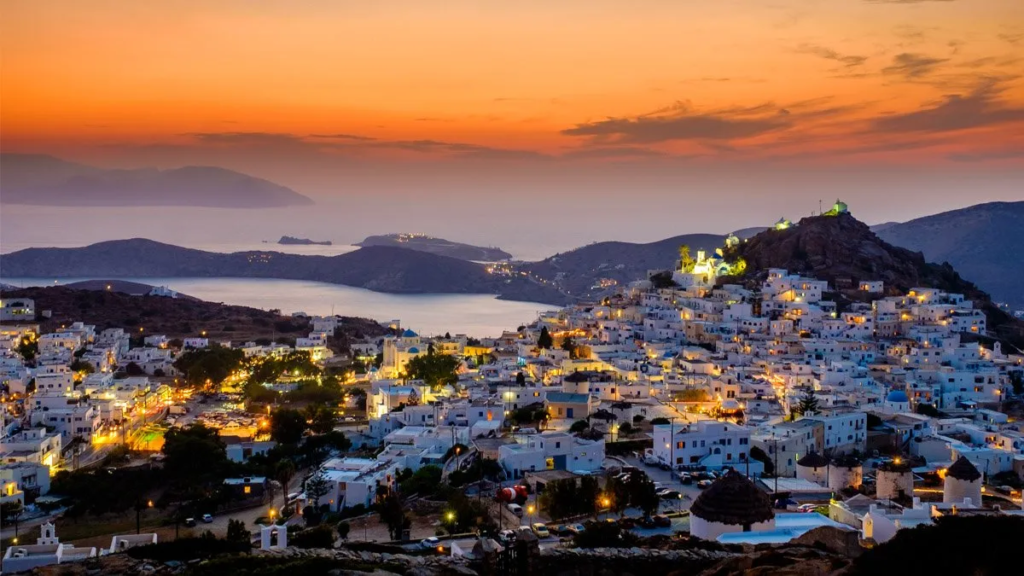
What I loved most was how quickly the mood shifts once day trippers leave. Manganari Beach becomes peaceful, and evenings in the village feel warm and communal rather than wild. Timing is everything here.
Ios taught me not to judge islands by reputation alone. Traveled thoughtfully, it becomes something completely different.
Who Ios is perfect for:
Travelers who want beauty without pretension, shoulder-season visitors
Best time to visit:
Late May, June, September. Avoid peak July party weeks
Common mistake:
Visiting only for nightlife
Why it ranks #6:
Stunning landscapes overshadowed by a narrow party narrative
7. Syros
Syros feels like Greece without the performance. As the administrative capital of the Cyclades, it does not need to impress visitors, and that is exactly why it feels so real. Life here continues whether tourists show up or not, cafés fill with locals, offices open early, and evenings unfold slowly along the harbor.

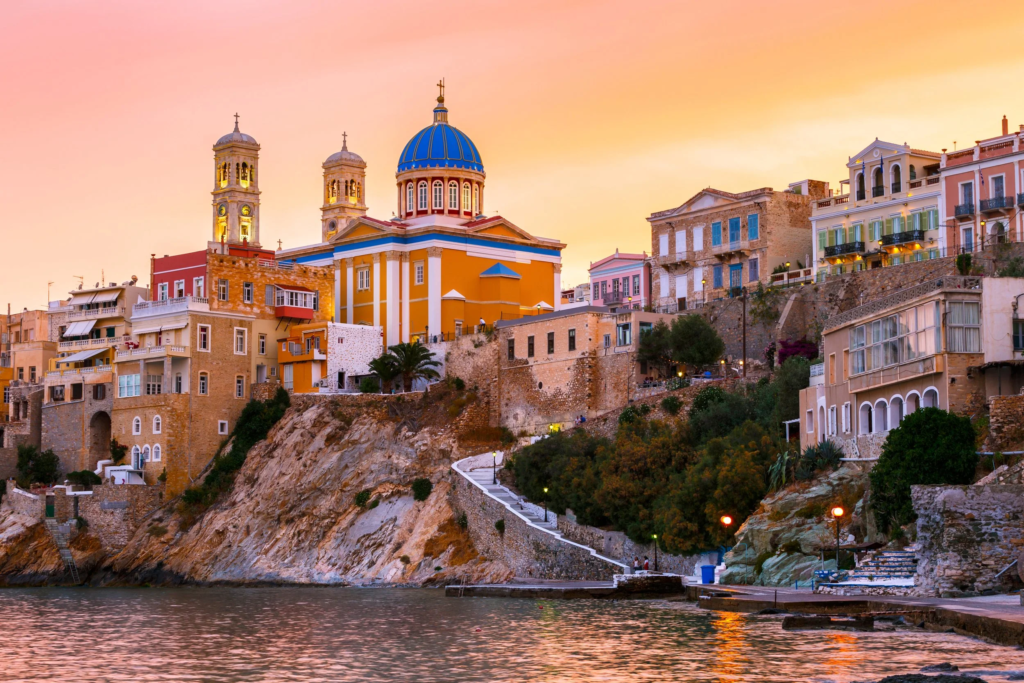
Ermoupoli surprised me with its elegance. Neoclassical buildings rise confidently above the port, giving the city a quiet grandeur you do not expect on a Greek island. Walk uphill to Ano Syros and the mood shifts again, narrow lanes, Catholic history, and views that feel earned rather than marketed.
Syros does not have headline beaches, and that filters out the crowds. What remains is atmosphere, culture, and a strong sense of place.
Who Syros is perfect for:
Culture lovers, solo travelers, people curious about real Greek island life
Best time to visit:
May, June, September. Summer stays comfortable due to local rhythm
Common mistake:
Expecting postcard beaches instead of cultural depth
Why it ranks #7:
Authenticity and elegance without tourism fatigue
8. Sifnos
Sifnos is quiet confidence. It does not announce itself loudly, and it never chases trends. Instead, it rewards travelers who appreciate subtle beauty, good food, and the pleasure of walking between villages under the sun.

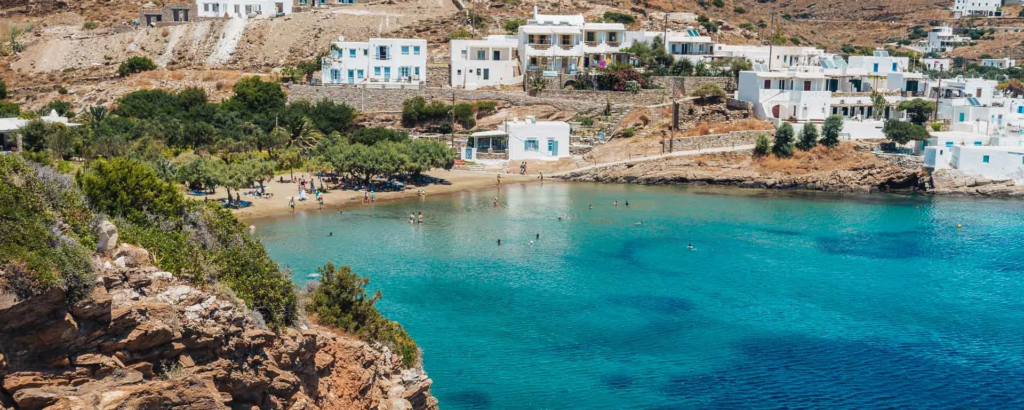
This island taught me how much I enjoy movement without urgency. Ancient paths connect Apollonia, Kastro, and small chapels overlooking the sea. Meals feel intentional, based on recipes passed down rather than reinvented for tourists.
Sifnos is not flashy. It is refined, calm, and deeply satisfying if you let it be.
Who Sifnos is perfect for:
Food lovers, hikers, couples seeking calm
Best time to visit:
May, June, September. Summer stays relaxed compared to nearby islands
Common mistake:
Skipping hiking trails and inland villages
Why it ranks #8:
Tasteful, grounded, and quietly beautiful
9. Amorgos
Amorgos is dramatic in a way that feels spiritual rather than scenic. Cliffs rise sharply from the sea, villages cling to hillsides, and silence feels intentional. This is not an island you rush through. It slows you whether you want it to or not.
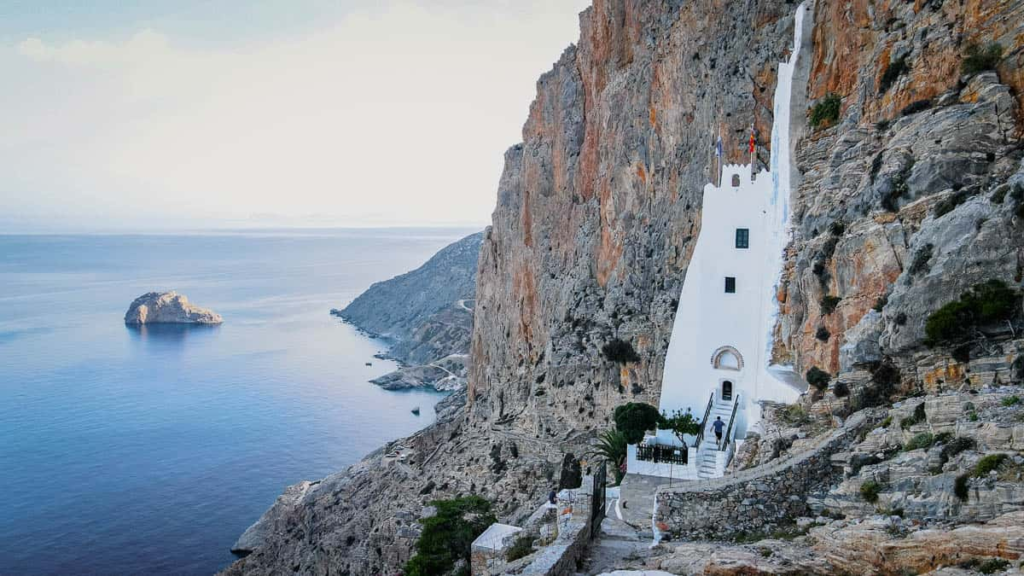
The walk to Panagia Hozoviotissa Monastery remains one of the most humbling moments I have experienced in Greece. Built into a sheer cliff, it reminds you how small travel plans feel in the face of devotion and time.
Amorgos attracts a certain traveler, one who is comfortable with fewer choices and deeper moments.
Who Amorgos is perfect for:
Introspective travelers, hikers, repeat Greece visitors
Best time to visit:
June and September. Ferries are limited, plan carefully
Common mistake:
Underestimating ferry schedules and distances
Why it ranks #9:
Raw beauty and emotional depth rarely found elsewhere
10. Rhodes
Rhodes feels solid and self-contained, an island that knows exactly what it offers and delivers it reliably. History here is not subtle. You walk through medieval streets, massive stone walls, and ancient ruins that feel genuinely preserved rather than recreated for visitors.

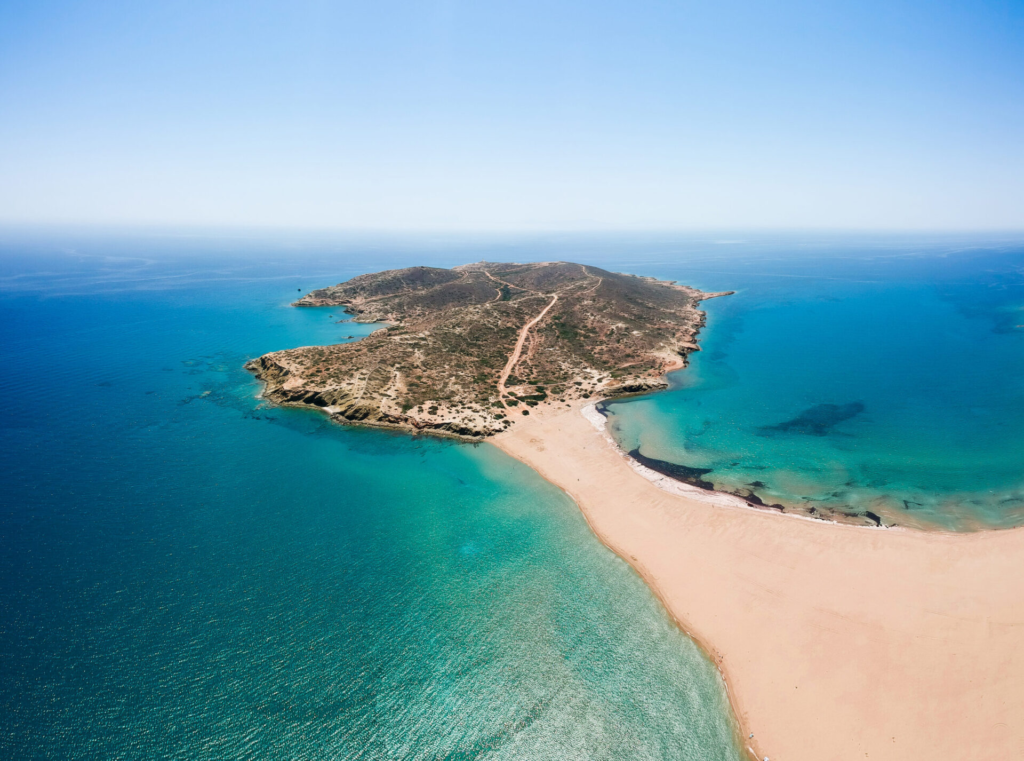
What I appreciated most about Rhodes was how structured everything felt. Transportation works, accommodations are plentiful, and it is easy to balance sightseeing with beach time. Early mornings in the Old Town are magical, quiet streets, warm stone, and the sense that you are walking through layers of time before cruise crowds arrive.
Rhodes may not feel spontaneous or wild, but it is dependable in a way many islands are not.
Who Rhodes is perfect for:
History lovers, families, travelers who like structure and variety
Best time to visit:
May, June, September, October. Summer heat can be intense
Common mistake:
Exploring the Old Town only mid-day when crowds peak
Why it ranks #10:
Exceptional history and ease, but less emotional intimacy than top-ranked islands
11. Corfu
Corfu feels like a lush green pause from the Cyclades. Influenced heavily by Venetian rule, it carries a European elegance that sets it apart from the white-and-blue image many travelers expect from Greece.
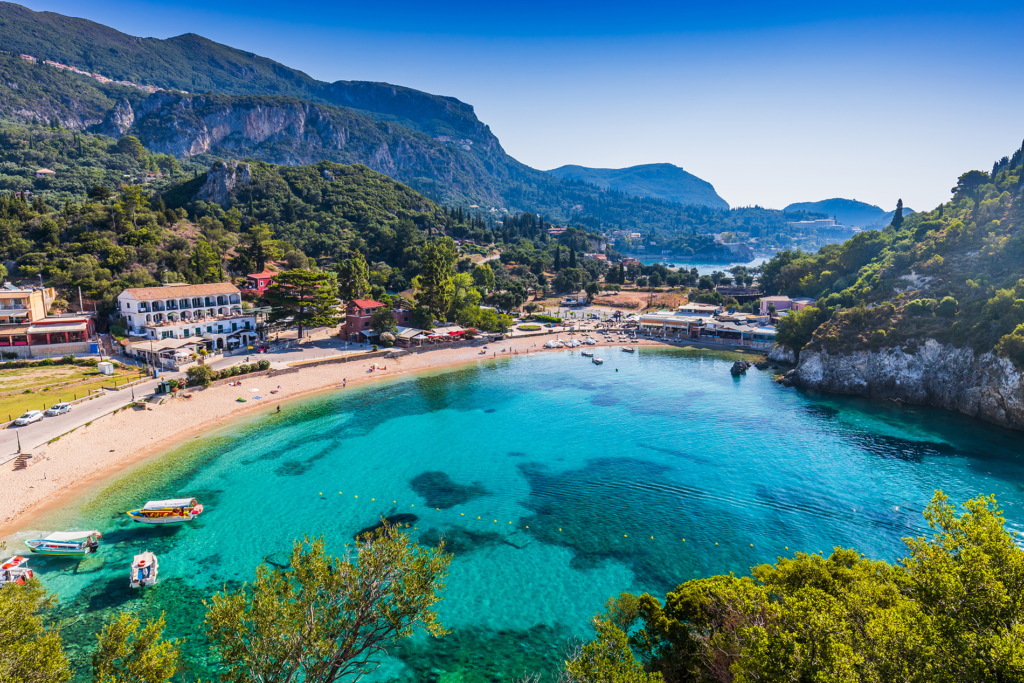
The landscapes here are undeniably beautiful. Hills roll gently, olive trees stretch endlessly, and the water feels softer, calmer. Corfu Old Town is atmospheric, best explored slowly with coffee stops and shaded walks.
However, Corfu feels less like island hopping and more like a destination in itself. Distances are larger, and the experience is less about ferry rhythms and more about settling in.
Who Corfu is perfect for:
Nature lovers, couples, travelers who prefer greenery over stark landscapes
Best time to visit:
Late May, June, September
Common mistake:
Expecting Cycladic aesthetics and fast-paced hopping
Why it ranks #11:
Beautiful and cultured, but stylistically different from classic island hopping routes
12. Hydra
Hydra feels like a deliberate step back in time. No cars, no motorbikes, just footsteps, donkeys, and the sound of water against stone. From the moment you arrive, the pace shifts, and your expectations recalibrate.
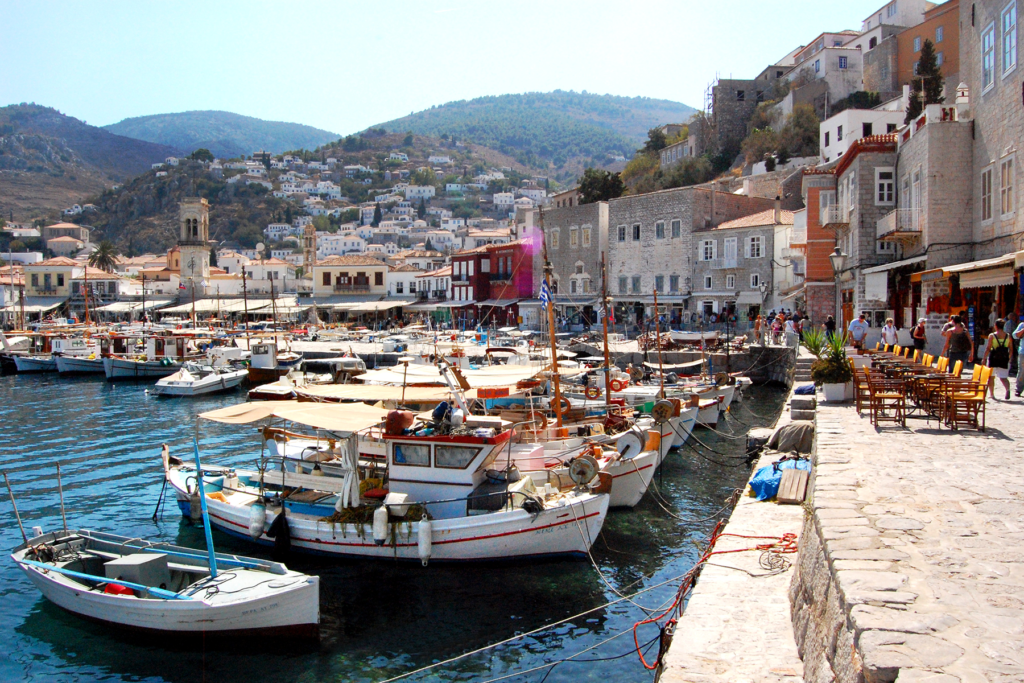
The harbor is undeniably charming, especially in the early morning or golden hour. Stone mansions rise around the port, and boats sway gently as if nothing has changed for decades. Hydra attracts artists, writers, and travelers who value atmosphere over activity.
That said, Hydra’s charm is concentrated. After a couple of days, you have seen and felt most of what it offers. Its strength is in its restraint.
Who Hydra is perfect for:
Short escapes, romantic weekends, art and culture lovers
Best time to visit:
April, May, September, October
Common mistake:
Planning a long stay expecting variety
Why it ranks #12:
Beautiful and unique, but best enjoyed briefly
13. Kefalonia
Kefalonia feels expansive and cinematic, an island that reveals itself best through long drives and unplanned stops. The scale here is different. Cliffs drop sharply into electric blue water, beaches feel carved rather than placed, and villages appear suddenly after winding mountain roads.

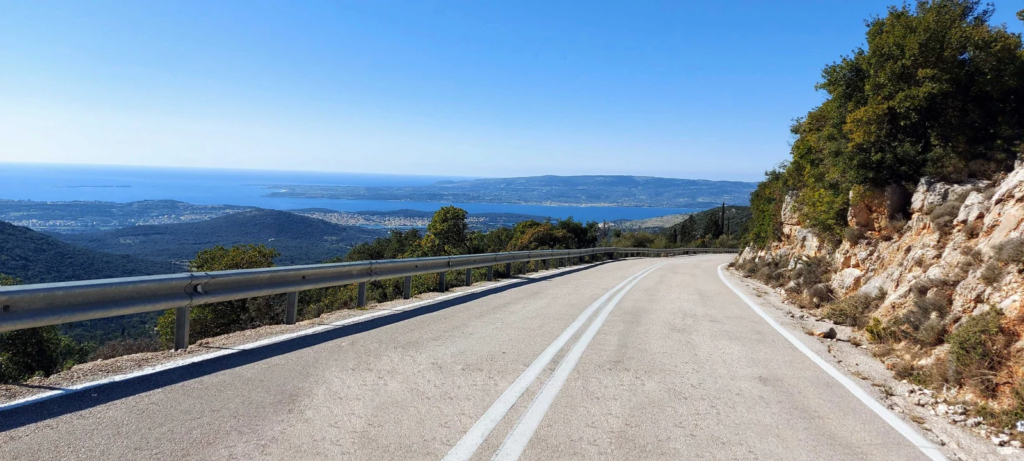
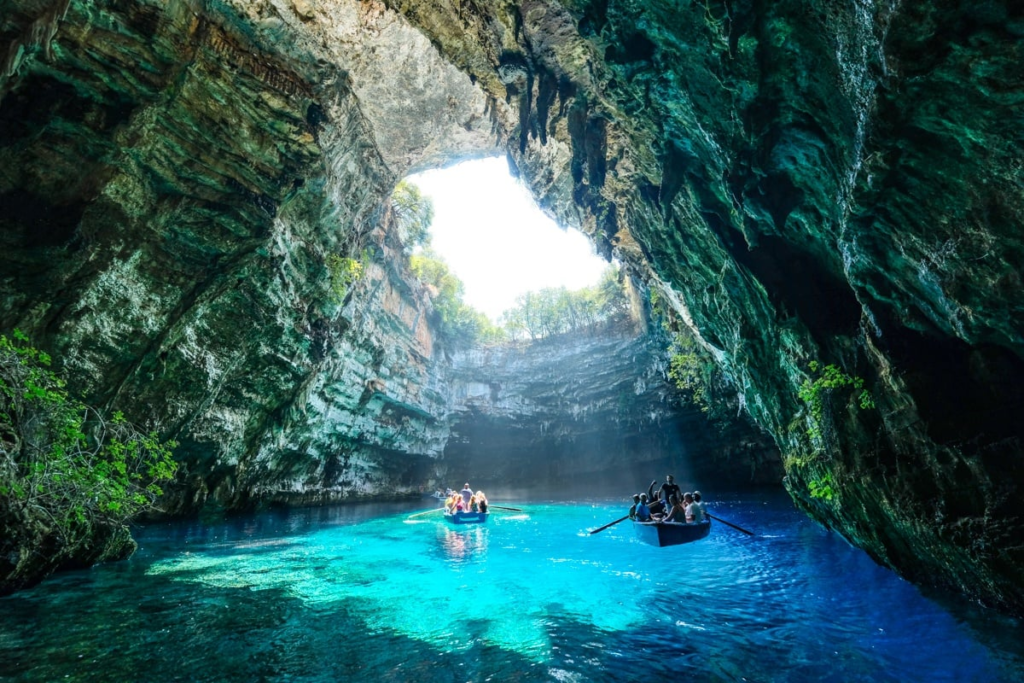
What stayed with me most was the sense of space. Even in summer, Kefalonia rarely feels claustrophobic. Myrtos Beach is dramatic in photos, but standing above it, feeling the wind and scale, makes the image feel secondary. Assos, by contrast, feels intimate and slow, a reminder that Kefalonia can soften when it wants to.
This is not an island you rush through on ferries. Kefalonia rewards travelers who commit to exploring by car and let the days unfold without strict plans.
Who Kefalonia is perfect for:
Road trip lovers, photographers, travelers who want dramatic scenery without crowds
Best time to visit:
June and September. July and August are beautiful but busier
Common mistake:
Trying to explore without renting a car
Why it ranks #13:
Stunning landscapes and space, but less suited to classic island hopping flow
14. Tinos
Tinos feels inward-looking, and that is intentional. Known primarily as a pilgrimage island, it operates on values that are not centered around tourism. Churches, marble villages, and quiet countryside shape the experience more than beaches or nightlife.


Walking through villages like Pyrgos, you notice craftsmanship everywhere, marble doorframes, fountains, benches. There is pride here, and a sense that the island knows exactly who it is, regardless of who visits.
Tinos asks you to adjust expectations. If you arrive looking for beach clubs, you will be disappointed. If you arrive curious and open, it offers cultural depth few Cycladic islands can match.
Who Tinos is perfect for:
Cultural travelers, repeat Greece visitors, travelers seeking quiet authenticity
Best time to visit:
May, June, September. August brings pilgrimage crowds
Common mistake:
Visiting only for beaches and skipping villages
Why it ranks #14:
Rich culture and identity, but niche appeal for island hopping itineraries
15. Zakynthos
Zakynthos lives in the shadow of a single image. Navagio Beach is undeniably breathtaking, but it dominates expectations so completely that many travelers overlook the rest of the island, or leave disappointed when reality does not match the postcard.

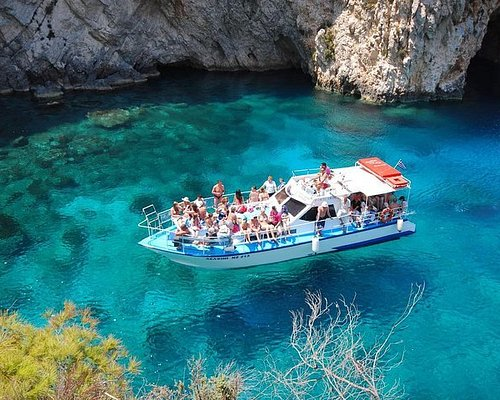
I found Zakynthos best approached strategically. Early mornings or shoulder season visits transform the experience. Away from the main tourist zones, villages feel relaxed, and the coastline reveals quieter beauty. Boat trips remain the highlight, but timing is everything.
Zakynthos is not subtle, and it does not reward spontaneity. Planned well, it can be memorable. Planned poorly, it feels overwhelming.
Who Zakynthos is perfect for:
First-time Greece visitors focused on scenery, shoulder-season travelers
Best time to visit:
Late May, June, September
Common mistake:
Visiting Navagio mid-day in peak season
Why it ranks #15:
Iconic visuals overshadow a more mixed overall experience
16. Mykonos
Mykonos is visually beautiful and expertly marketed, but it is the island where the gap between expectation and experience feels widest. Everything here works smoothly, ferries, hotels, nightlife, yet very little feels spontaneous or personal.

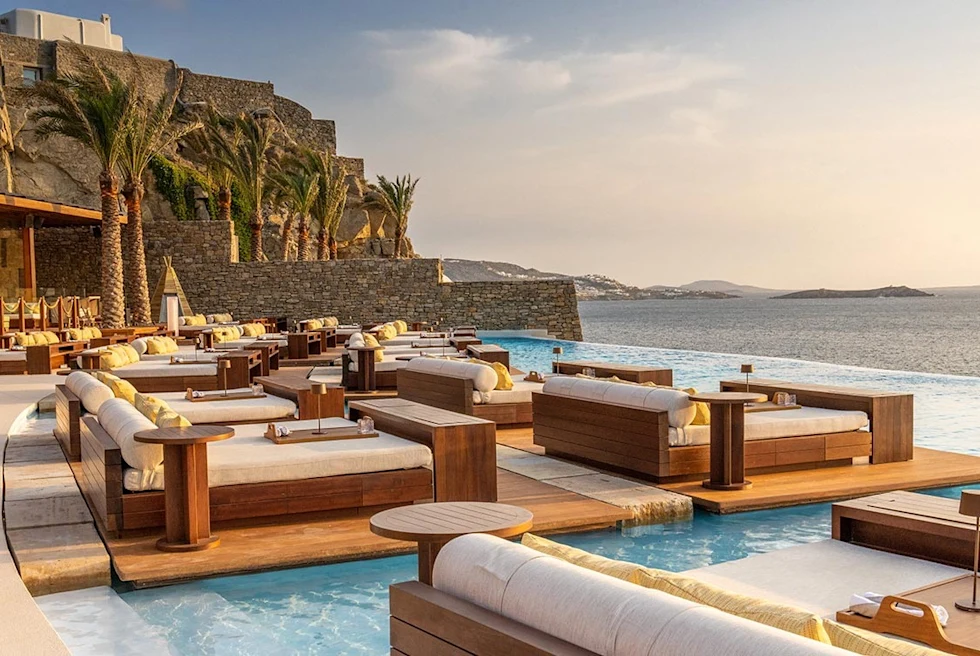
What wore me down was not the partying, but the constant sense of being sold something. Beaches come with minimum spends, dinners feel transactional, and prices rarely match quality. Even quiet moments feel curated, as if the island is always performing.
That said, Mykonos does exactly what it promises. If you want nightlife, glamour, and a social scene that never sleeps, it delivers consistently. Just do not expect depth, value, or discovery.
Who Mykonos is actually for:
Luxury travelers, nightlife-focused trips, short celebratory stays
Best time to visit:
June or September. August is intense and expensive
Common mistake:
Expecting authenticity or value for money
Why it ranks #16:
Highly polished and fun, but emotionally hollow for most island hoppers
17. Santorini
Santorini is undeniably stunning. The caldera views are real, and the first glimpse genuinely takes your breath away. The problem is what comes after. Crowds, inflated prices, and tightly packed itineraries drain the magic faster than expected.
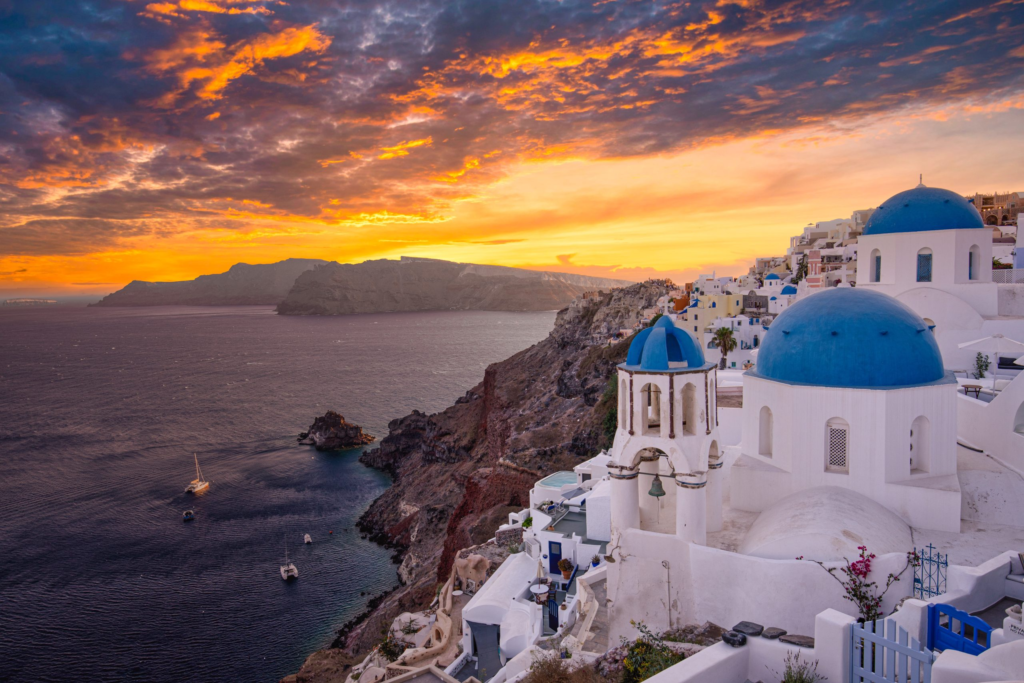
I enjoyed Santorini most early in the morning, before cruise passengers arrived. Sunrise was quiet, reflective, and beautiful in a way sunset never was. By midday, the island felt congested and transactional.
Santorini is not a place to linger. It is a place to witness briefly, then move on. One night is often enough to appreciate what makes it special without absorbing the stress.
Who Santorini is actually for:
Honeymooners, first-time Greece visitors, short stays
Best time to visit:
May or late September. Avoid peak summer if possible
Common mistake:
Planning a long stay expecting relaxation
Why it ranks #17:
Extraordinary visuals undermined by crowds and cost
18. Kos
Kos is easy, accessible, and comfortable, which is both its strength and its weakness. Everything works, transportation, accommodation, dining, but very little surprises you.
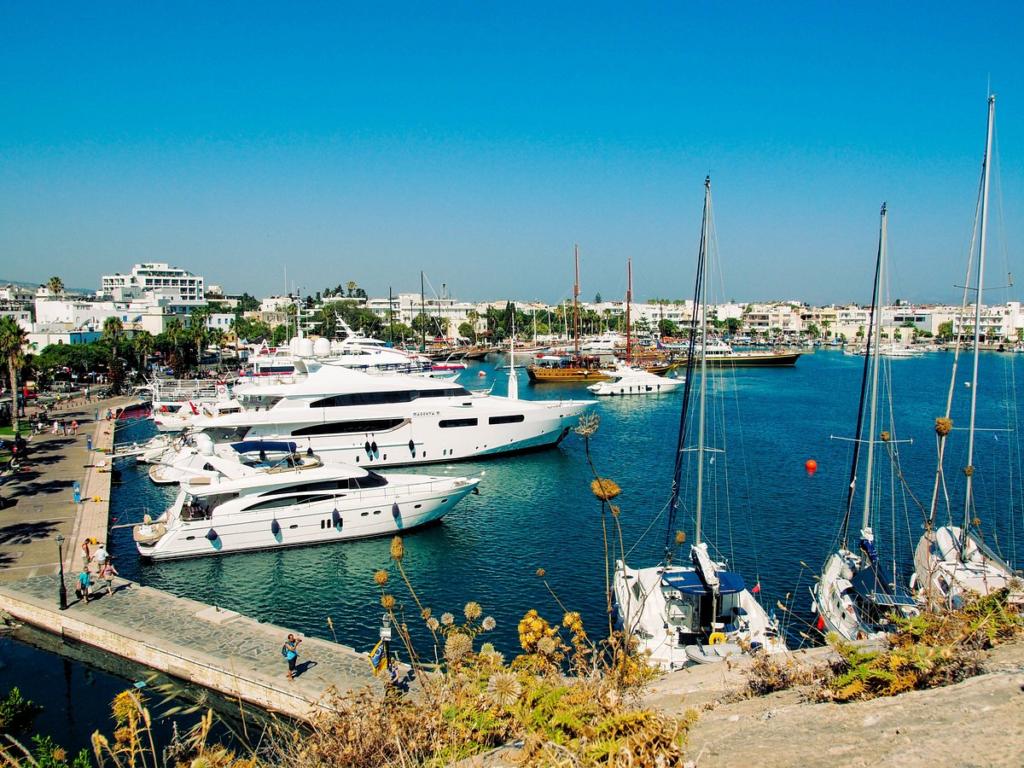
I found Kos pleasant rather than memorable. Beaches are nice, towns are functional, and the island feels geared toward packaged holidays. Cycling paths and flat terrain make it easy to explore, but exploration rarely leads to moments of awe.
Kos works best as a relaxed, low-effort destination rather than part of an ambitious island hopping adventure.
Who Kos is actually for:
Casual travelers, families, all-inclusive style trips
Best time to visit:
May, June, September
Common mistake:
Expecting strong cultural or emotional impact
Why it ranks #18:
Comfortable and practical, but lacking depth and distinct identity
19. Skiathos
Skiathos makes a great first impression. The water is clear, beaches are easy to reach, and everything feels cheerful and accessible. For a short holiday, it works beautifully. For island hopping, however, it starts to feel repetitive surprisingly fast.
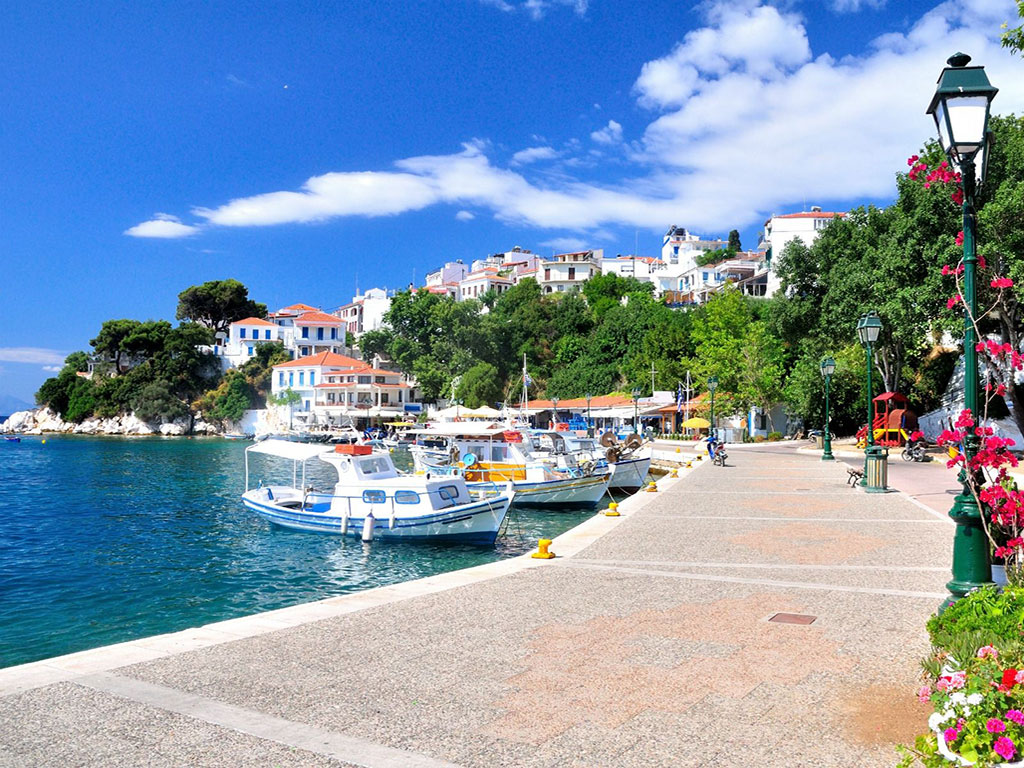
What stood out to me was how quickly days began to blur together. Beaches are pleasant but similar, the town is lively but predictable, and the island’s rhythm does not shift much once you have settled in. It is fun, relaxed, and friendly, just not particularly layered.
Skiathos excels at uncomplicated beach time. It struggles to offer contrast, discovery, or that sense of progression that makes island hopping feel meaningful.
Who Skiathos is actually for:
Short beach holidays, first-time Greece visitors, relaxed summer trips
Best time to visit:
June and early September
Common mistake:
Staying too long expecting variety
Why it ranks #19:
Enjoyable but repetitive, better as a standalone stop than part of a long hopping route
20. Thassos
Thassos is often described as underrated, and in isolation, it is. Forested hills, clear water, and traditional villages give it a grounded, local feel. The problem is not what Thassos is, but where it sits geographically and logistically.

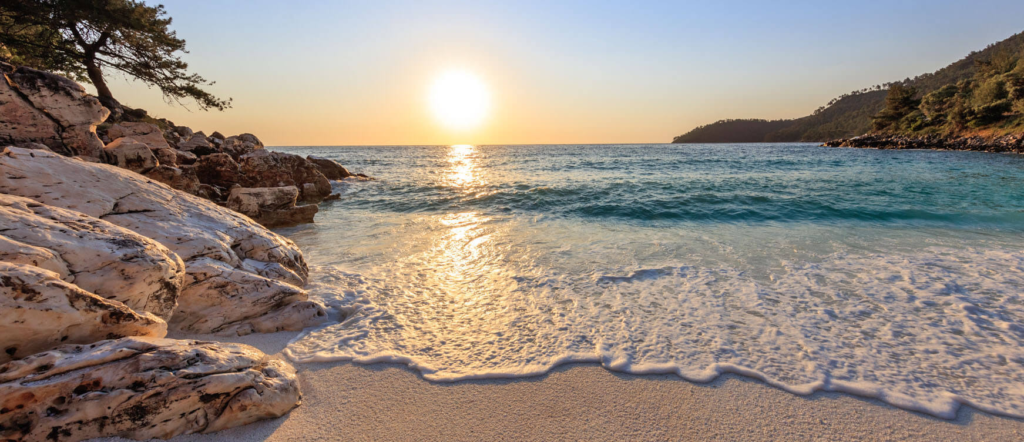
This is not an island designed for hopping. Ferry connections are limited, distances are longer, and the experience feels more like a road-trip destination than part of an island chain. I enjoyed driving through mountain villages and stopping at quiet beaches, but it never felt connected to the wider rhythm of Greek island travel.
Thassos suits travelers who want one base, one island, and one slow routine. In a ranking focused on island hopping, that places it last.
Who Thassos is actually for:
Road trippers, budget travelers, travelers avoiding crowds entirely
Best time to visit:
June and September
Common mistake:
Including it in a multi-island hopping itinerary
Why it ranks #20:
Pleasant and authentic, but fundamentally misaligned with island hopping travel
Final Thoughts on Greece Island Hopping
After traveling through these islands over multiple trips, one truth became very clear to me. Greece island hopping is not about seeing the most islands. It is about choosing islands that give back more than they take.
The best islands in this ranking share a few things in common:
- They allow you to slow down
- They still have a life beyond tourism
- They reward curiosity rather than rushing
The most overrated islands are not bad. They are simply mismatched with what many travelers actually want when they imagine Greece.
If I were planning again from scratch, I would choose fewer islands, stay longer, and let the rhythm of each place settle in before moving on. That is where Greece quietly becomes unforgettable.
Our Readers Also Ask
What is the best way to island hop in Greece?
The best way to island hop in Greece is by ferry, especially in the Cyclades where routes are frequent. Choose nearby islands to reduce travel time and delays.
Which Greek island is best for island hopping?
Naxos is the best Greek island for island hopping because it has frequent ferry connections, balanced beaches and culture, and reasonable prices.
How much does it cost to go island hopping in Greece?
On average, Greece island hopping costs €80 to €150 per day, including ferries, accommodation, food, and local transport, depending on season and island choice.
How many islands should you visit in one Greece trip?
For a 10 to 14 day trip, visiting 2 to 4 islands is ideal. Fewer islands allow deeper experiences and reduce ferry fatigue.
What is the cheapest Greek island for island hopping?
Naxos and Paros are among the cheapest Greek islands for island hopping, offering affordable ferries, accommodations, and local dining options.
Is Greece island hopping better in June or September?
June and September are the best months for Greece island hopping due to warm weather, fewer crowds, and more reliable ferry schedules.
Do you need to book ferries in advance in Greece?
In high season, ferries should be booked in advance, especially between popular islands. In shoulder season, booking a few days ahead is usually enough.
Can you island hop in Greece without a car?
Yes, you can island hop without a car, but renting a car or scooter on larger islands helps you reach beaches and villages more efficiently.
Are Greek islands safe for solo travelers?
Greek islands are very safe for solo travelers, including women. Violent crime is rare, and locals are generally welcoming and helpful.
Is island hopping in Greece worth it?
Yes, Greece island hopping is worth it if you choose the right islands and avoid rushing. The experience offers variety, culture, and unforgettable landscapes.