Refineries worldwide have prevented a global jet fuel shortage by increasing production to replace supplies threatened by Middle Eastern conflicts. While geopolitical tensions initially caused concern and led to some flight cancellations, expanded exports from the United States, Nigeria, and Spain have successfully stabilized the aviation fuel supply.
Despite the stable supply, airfares are expected to remain elevated due to high crude oil costs. Industry experts predict that refineries may soon shift focus back to automotive gasoline production. Travelers are encouraged to book flights directly and monitor schedules as airlines manage these ongoing high operational expenses.
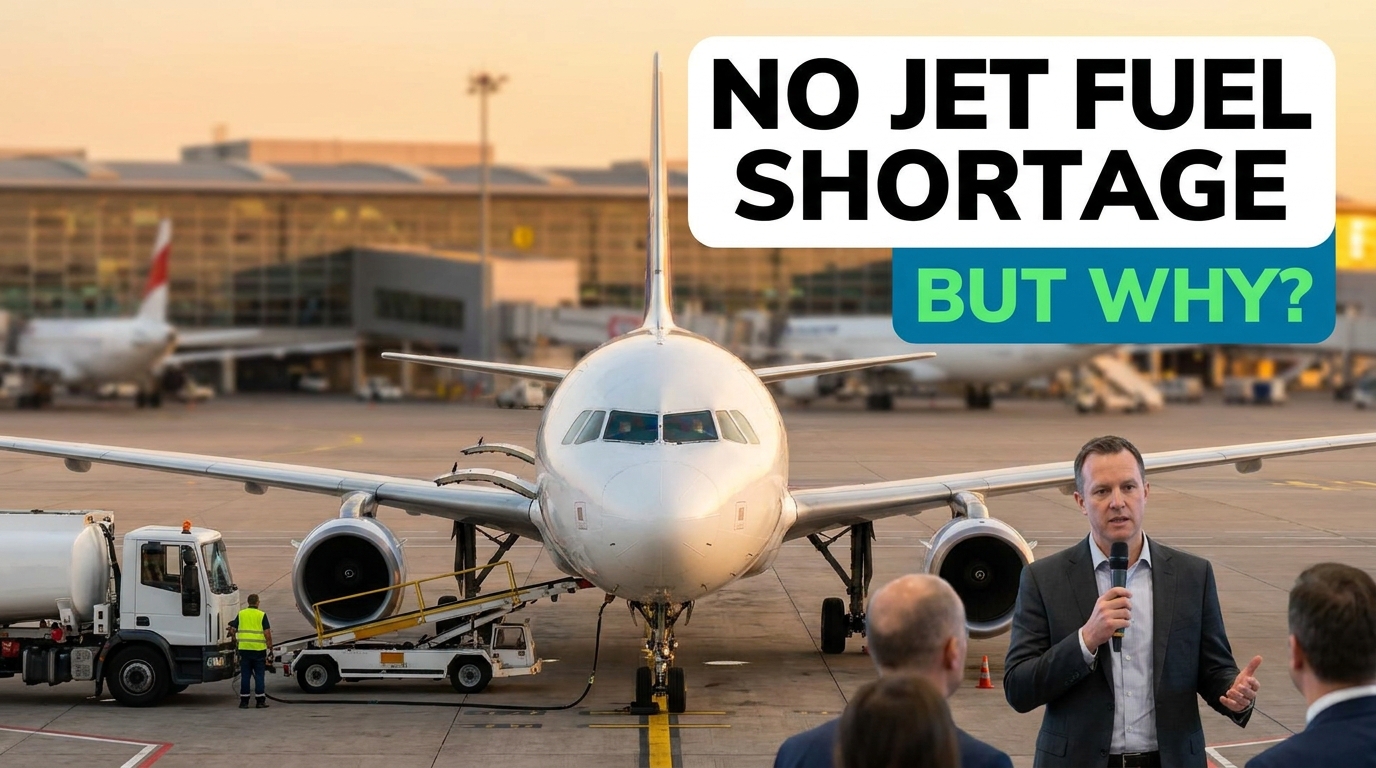
A global jet fuel shortage will not happen this year because refineries worldwide have successfully increased their aviation fuel production to fully replace the threatened supplies from the Middle East. If you have been holding off on booking your summer vacation because you feared massive flight cancellations and grounded planes, you can safely lock in your tickets right now.

We know exactly how stressful it is to plan a trip when the daily news is full of travel warnings. Earlier this spring, we watched anxiously as fuel prices skyrocketed and major carriers started aggressively slashing their schedules. But the International Air Transport Association (IATA) recently confirmed during their latest Annual General Meeting that the crisis has been expertly managed behind the scenes.
Here is exactly what you need to know about the current fuel situation, how it affects your upcoming travel budget, and what steps you can take to book smartly.
Also read – The Real Impact of American Airlines 6 U.S. Route Suspension
Why Did Experts Initially Predict a Fuel Crisis?
Experts predicted a severe fuel crisis because the ongoing conflict involving Iran threatened to close the Strait of Hormuz, effectively cutting off a massive global supply chain. The Middle East typically provides Europe with three-quarters of its imported jet fuel. When that vital supply line was threatened, the International Energy Agency warned that severe shortages could hit Europe and Asia as early as June.

We actually saw the real-world impact of this panic back in April. The Lufthansa Group had to completely shutter its regional carrier, Lufthansa CityLine, strictly due to soaring fuel costs. This sudden closure removed 20,000 short-haul flights from the European schedule through October, leaving thousands of travelers scrambling to save their vacations.
How Did the Aviation Industry Prevent the Shortage?
The aviation industry stopped the shortage through a massive reshuffling of global trade patterns and a rapid shift in refinery operations.
When demand for other types of fuels temporarily dropped due to the overseas conflicts, refineries made a quick, strategic decision to dedicate more capacity to producing jet fuel instead of standard gasoline. To cover the missing Middle Eastern supplies, several other nations dramatically scaled up their output.
The shortage was ultimately prevented by these three key actions:
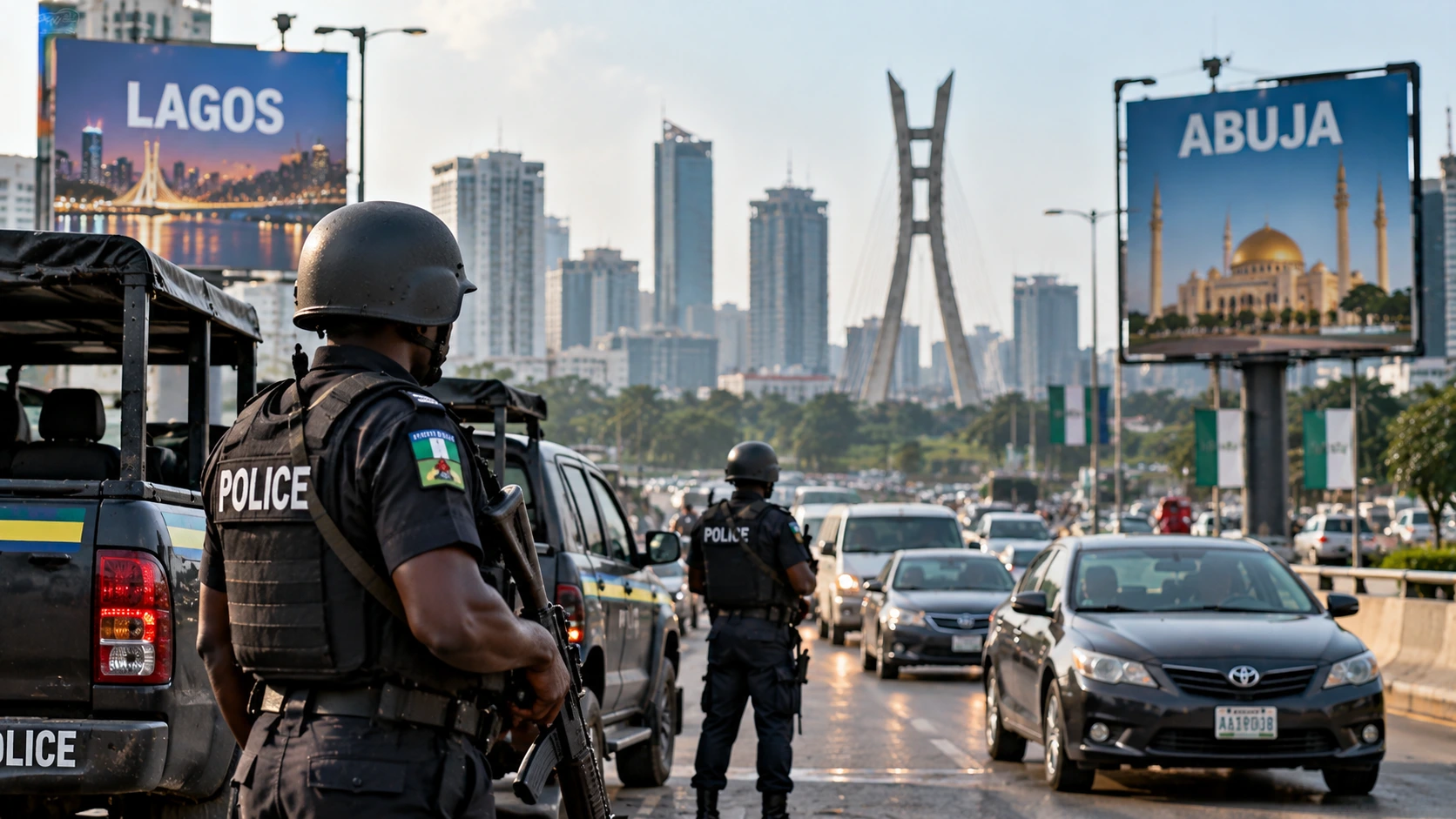
- New Export Leaders: The United States, Nigeria, and Spain significantly increased their jet fuel exports to act as a buffer for Europe and Asia.
- Refinery Shifts: Global refineries temporarily dedicated their existing capacity specifically to aviation fuel to rebuild reserves.
- Reduced Initial Demand: Early flight cuts (like the massive Lufthansa cancellations) naturally reduced the immediate global need for fuel, giving refineries the time they needed to catch up.
Also read – Is It Safe to Book Flights During the 2026 Ebola Outbreak?
Will Flight Prices Drop Now That the Shortage is Avoided?
Ticket prices will likely not drop significantly this year, even though the immediate shortage is resolved. IATA expects crude oil prices to remain higher than the pre-war baseline through the end of the year, which means airlines will continue passing those elevated operating costs directly onto passengers.
Furthermore, IATA warned that as the summer driving season arrives, refineries will likely shift their production back toward standard car gasoline. Gasoline reserves have already dropped sharply in the U.S., which pushes up prices at the pump and limits future jet fuel production.
Here is a clear look at how high fuel prices impact different types of flights:
| Flight Type | Fuel Cost Impact | Traveler Experience |
| Short-Haul Domestic | Moderate | Fewer budget carrier discounts available. |
| Long-Haul International | High | Base fares remain elevated; extremely rare flash sales. |
| Ultra-Low-Cost Carriers | Severe | Higher fees for baggage and seat selection to offset fuel. |
What Should Travelers Do to Protect Their Flights?
To protect your travel investment during unpredictable economic shifts, you must book proactively and monitor your airline’s schedule closely. We always advise our readers to treat their flight reservations actively rather than passively. We need to be smart consumers who secure leads on the best fares before they disappear.
Helpful Tips for Managing Your Flight Bookings:
- Book Direct with Airlines: If an airline has to cancel a flight due to operational costs, they prioritize rebooking their direct customers first before helping anyone who booked through a third-party travel agency.
- Track Routes Early: Use tracking tools to watch specific routes. Even with high baseline prices, airlines still run 24-hour flash sales to fill empty seats.
- Steps to Follow if Your Flight is Ever Canceled:
- Do not wait in the physical airport line with hundreds of angry passengers.
- Immediately call the airline’s international customer service number (they almost always have shorter wait times than domestic lines).
- Use the airline’s mobile app to search for alternative routes on partner airlines and confidently request that specific flight from the agent.
Knowing that the global fuel supply is secure means we can book our flights confidently today, but understanding that prices will stay elevated means we still have to hunt for the best value.