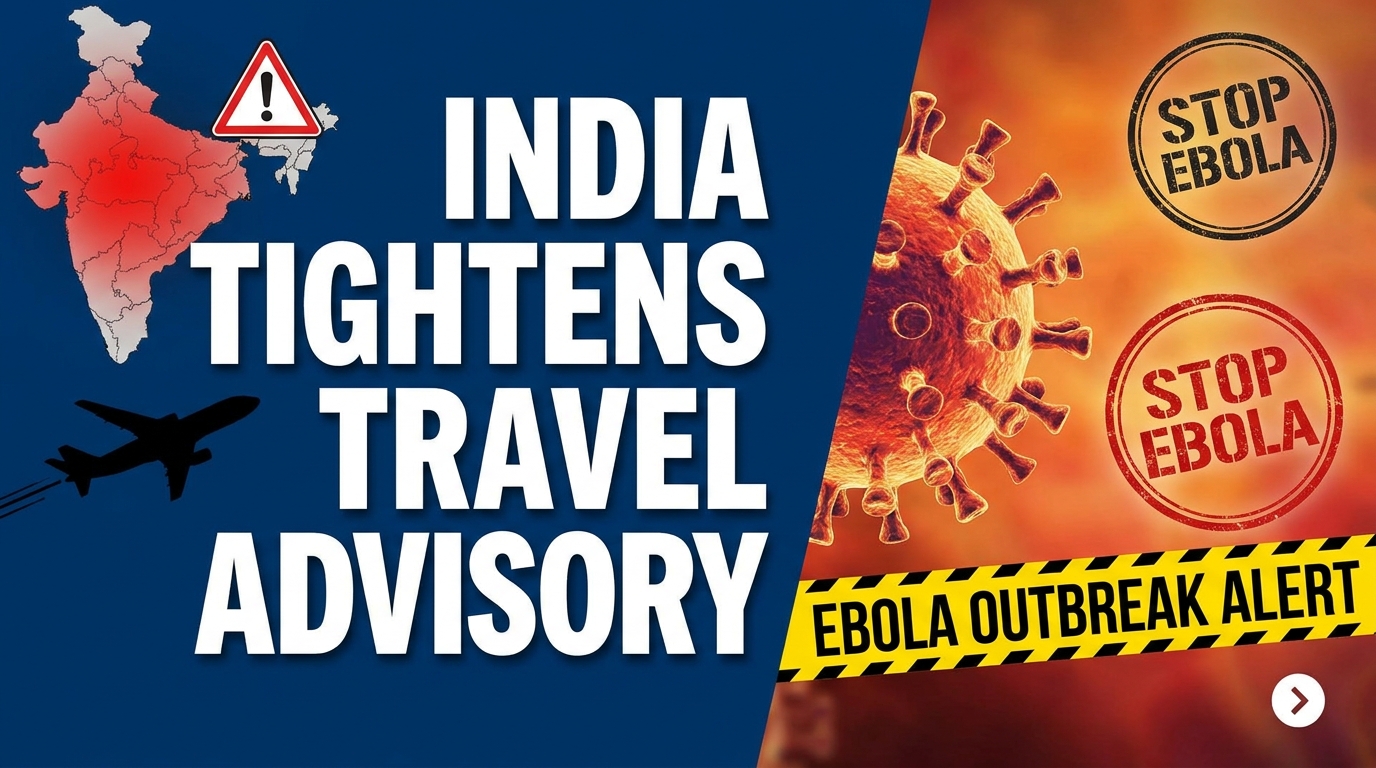
India issued a strict India travel advisory on May 21, 2026, for anyone visiting or returning from African countries affected by the Ebola virus. The government took this immediate step after a serious outbreak of the Bundibugyo strain in Uganda and the Democratic Republic of Congo. At this moment, there are zero reported cases in India, but authorities are acting fast to ensure the virus does not cross international borders.

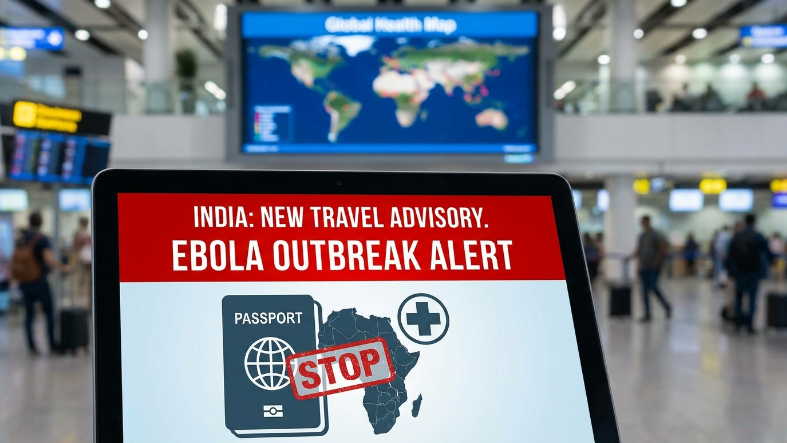
Families with relatives in the affected African nations are urged to stay cautious. If you plan to fly back to India, you must follow the updated health protocols. The focus is purely on prevention and keeping the public safe.
What Does the Travel Alert Mean for You?
If you have a recent travel history to the Democratic Republic of Congo or Uganda, you will face medical screening at Indian airports. The government strongly advises families, business professionals, and tourists to delay all non-essential trips to these specific regions. Airport medical teams are already on high alert to spot any passengers showing signs of illness. You need to monitor your own health very closely for 21 days if you recently returned from Central or West Africa.
This global health emergency has already forced massive changes to international schedules. Officials postponed the India-Africa Forum Summit in New Delhi, originally set for May 28, to avoid any health risks. Sports teams are also changing their plans abruptly. A pre-World Cup training camp for international footballers in the DRC was canceled entirely to protect the athletes. Travelers who are planning trips for major global events, like the 2026 World Cup in North America, must regularly check for sudden changes in visa processes or transit rules.

How Does the Ebola Virus Actually Spread?
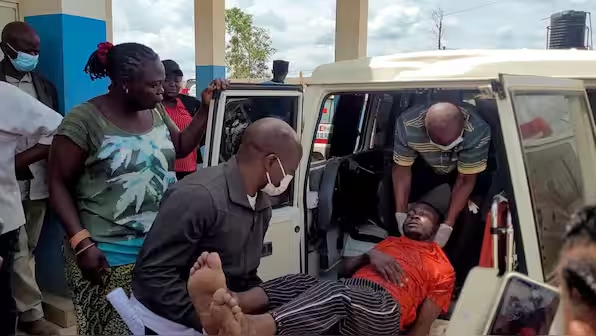
Many people worry about sitting on a plane, but Ebola does not spread through the air like a common cold. You can only catch this virus through direct physical contact. The infection transmits directly through the blood, sweat, or other body fluids of a sick person. It can also live on contaminated surfaces like shared bedsheets, towels, or unsterilized medical tools.
The disease originally jumps from infected animals to humans, most commonly through bats. While airborne transmission is incredibly rare, the risk of physical spread is very high. Keep a safe distance from sick individuals. You must also avoid handling wild animals or eating bushmeat if you travel for work in affected regions.
What Are the Early Symptoms of Ebola?
Symptoms usually start showing anywhere from two days to three weeks after exposure to the virus. You need to seek immediate medical help at a designated hospital if you notice these signs after arriving from an international flight.
- Sudden high fever and extreme physical weakness.
- Intense muscle pain and constant, sharp headaches.
- A noticeably severe sore throat.
- Frequent vomiting and uncontrollable diarrhea.
- Unexplained skin rash.
- Sudden bleeding from the gums or nose.
For more clear information and full safety and travel advise, we suggest you to check this WHO website page.
Comprehensive Ebola Travel and Safety Guide
Here is a clear breakdown of the most critical information you need to know about the current situation.
| Information Type | Important Details |
| Current Advisory Date | May 21, 2026 |
| High-Risk Countries | Uganda, Democratic Republic of Congo (DRC) |
| Specific Virus Strain | Bundibugyo virus |
| Current Cases in India | 0 (Zero reported cases) |
| Major Cancellations | India-Africa Forum Summit, DRC Pre-World Cup Camp |
| Primary Transmission | Direct contact with body fluids or infected animals |
| Average Fatality Rate | Around 50 percent (Can reach 90 percent) |
Also read – US Travel Restrictions Hit 3 African Nations: Full Report
Why Indian Health Authorities Are Acting Fast
The Indian Council of Medical Research (ICMR) identified Ebola as a top-tier future threat back in 2019. They place this specific virus in Biosafety-risk group 4. This classification means that testing suspected samples requires the highest level of laboratory security available in the country. Medical teams cannot run these tests in a standard neighborhood clinic.
Ebola is highly dangerous. The average fatality rate sits around 50 percent, but some past outbreaks have seen death rates reach 90 percent. Real-life incidents show exactly how fast rare pathogens cross borders when people travel. Recently, a rare Hantavirus outbreak happened on a luxury expedition cruise ship, infecting passengers from 23 different countries. This example proves why strong border checks and rapid government alerts are the only way to stop a local outbreak.
The health ministry actively monitors these priority pathogens to protect public health. Always follow the official medical advice from the authorities and secure comprehensive medical travel insurance before you fly overseas.
What Should You Do Next?
If your travel is absolutely essential, speak to a travel medicine specialist before you depart. Register your travel details with your local embassy so they can reach you in an emergency. Keep your hands clean, avoid busy local clinics in affected countries, and rely strictly on official government updates for your news.