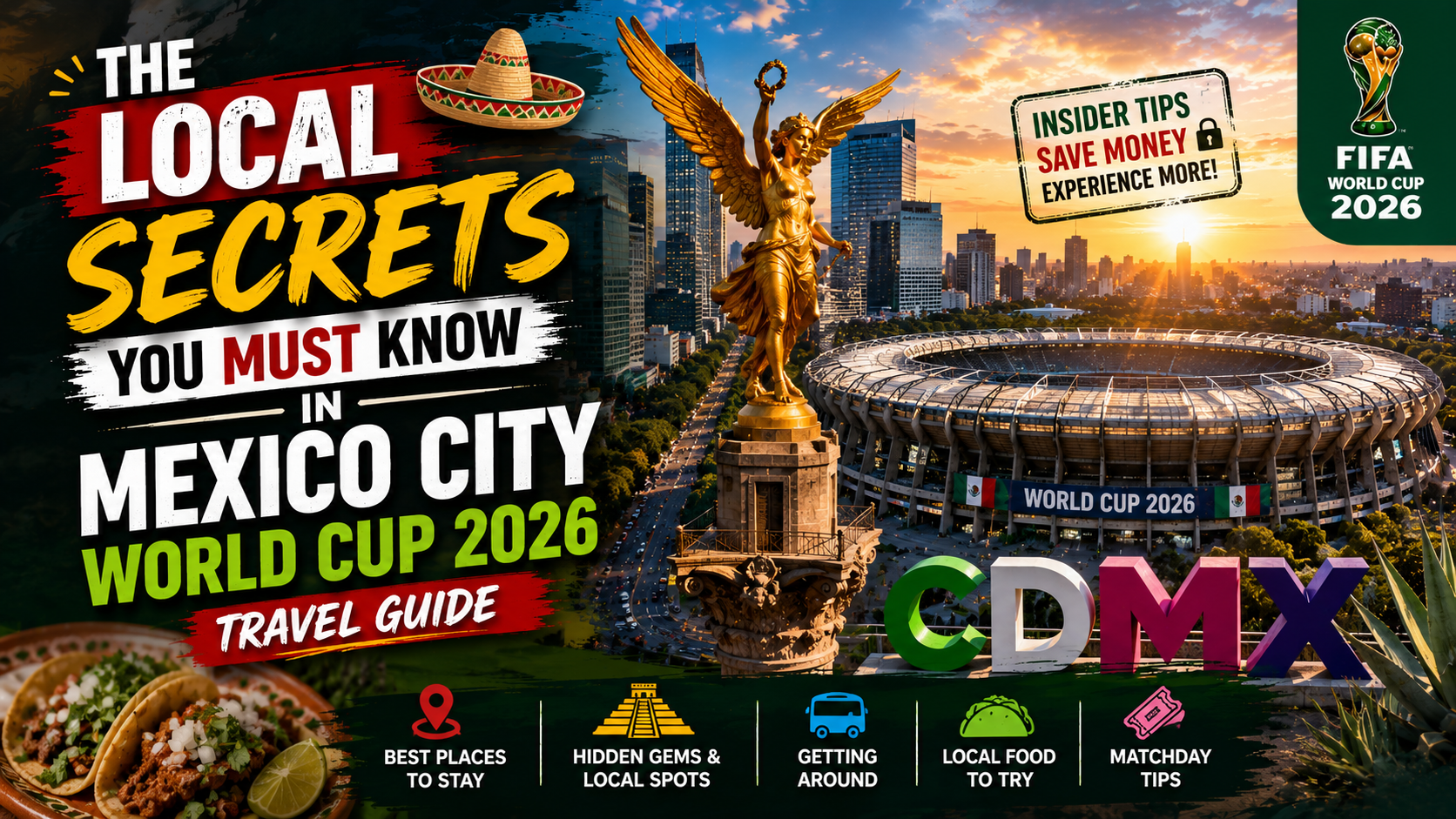
Mexico City is one of the smartest World Cup 2026 trips to plan because it gives you the opening match, historic football atmosphere, world-class food, museums, neighborhoods, parks, and fan events in one city. I would not treat this like a quick stadium weekend. I would treat it like a once-in-a-generation city trip where the football is the reason you go, but the city is what you remember.
Mexico City will host five FIFA World Cup 2026 matches, including the tournament’s opening match on June 11, 2026, and the stadium will make history after hosting World Cup moments in 1970, 1986, and now 2026.

Is Mexico City Worth Visiting for World Cup 2026?
Yes, Mexico City is absolutely worth visiting for World Cup 2026 if you plan your base, stadium day, altitude, food stops, and local transport before you arrive. The city is huge, exciting, layered, and sometimes overwhelming, so the winning move is not to see everything. The winning move is to build a trip around one matchday, one neighborhood per day, and one major experience at a time.
Here is the simple version I would give a friend searching Mexico City FIFA World Cup 2026 travel guide:

| What You Need to Know | My Smart Move |
|---|---|
| Main stadium | Plan around Mexico City Stadium, historically known as Estadio Azteca |
| Biggest football moment | Opening match on June 11, 2026 |
| Best areas to stay | Roma, Condesa, Juárez, Polanco, Coyoacán, or near Reforma |
| Biggest planning mistake | Trying to do Centro Histórico, Chapultepec, Coyoacán, and a match in one day |
| Best local transport trick | Buy the Integrated Mobility Card early |
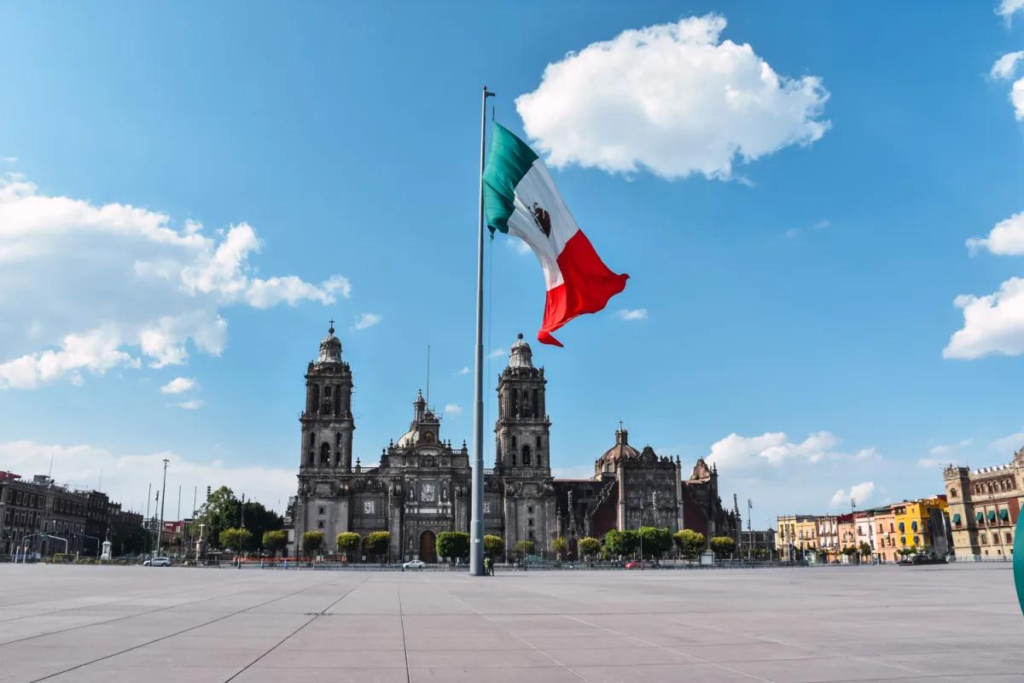
| Best fan experience without tickets | Zócalo FIFA Fan Festival |
| Best food strategy | Eat street food carefully, save restaurants by neighborhood |
| Best hidden planning tip | Give yourself an easy morning after matchday |
Where Is the World Cup 2026 Stadium in Mexico City?
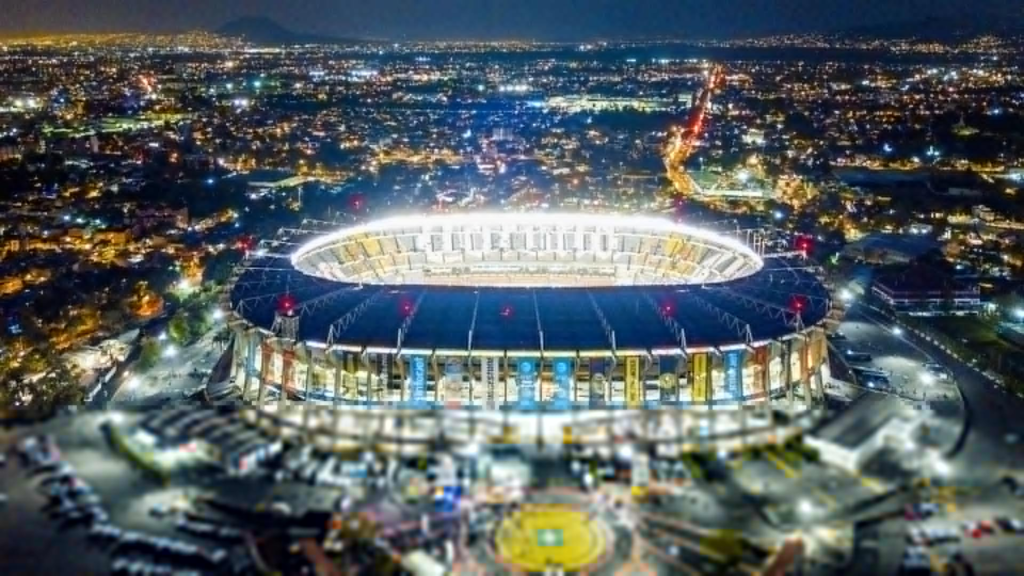
The World Cup stadium is in southern Mexico City, not in Roma, Condesa, Polanco, or the Historic Center. This matters because many visitors book hotels in trendy central neighborhoods and only later realize the stadium journey needs its own plan.
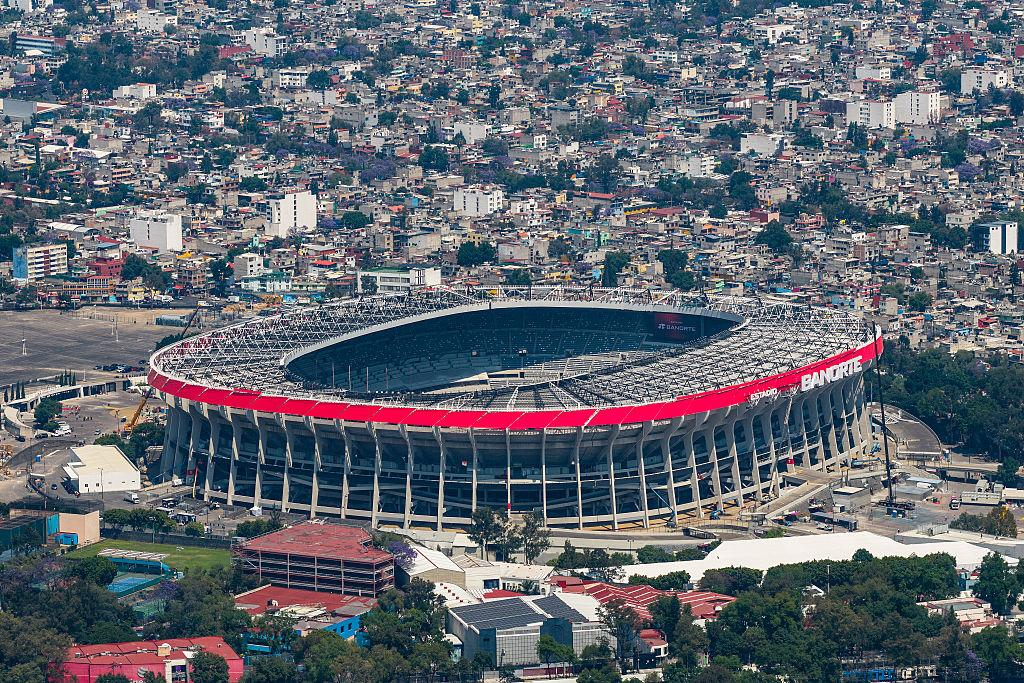
The stadium is officially listed by FIFA as Mexico City Stadium, and it is the historic Estadio Azteca that hosted the 1970 and 1986 World Cup finals. Renovation work for 2026 included updates to changing rooms, hospitality areas, VIP areas, and seating, while the wider Tlalpan area has also been tied to infrastructure and public transport improvements. Here is the official travel guide by FIFA itself for the Mexico city stadium vanue.
My local-style advice is clear: do not book only by “near stadium” on the map. A hotel close to the stadium can be useful for matchday, but it can make the rest of your Mexico City trip less convenient. I would rather stay in a safe, well-connected area with good food and predictable transport than sit beside the stadium with fewer options after the match.
Also read – Top FIFA World Cup 2026 Host Cities — Why Fans Are Already Scrambling to Book These
Mexico City World Cup 2026 Match Dates You Should Build Around
Mexico City will host three group-stage matches, one Round of 32 match, and one Round of 16 match. That makes it one of the most important early-tournament cities, especially because the opening match will put the global spotlight on the city.
| Date | Match Type | Why It Matters |
|---|---|---|
| June 11, 2026 | Opening match | Mexico starts the tournament in Mexico City |
| June 17, 2026 | Group-stage match | Good date for fans who want less opening-day pressure |
| June 24, 2026 | Group-stage match | Mexico is scheduled to play again in Mexico City |
| June 30, 2026 | Round of 32 | Knockout football begins to raise the stakes |
| July 5, 2026 | Round of 16 | One of the best-value dates for serious football travelers |
I would arrive at least two days before the opening match if you are attending June 11. Opening match week will bring extra crowds, media, security movement, fan events, and hotel pressure. For later matches, I would still arrive the day before and keep matchday free from heavy sightseeing.
Where Should I Stay in Mexico City for World Cup 2026?
Stay in Roma, Condesa, Juárez, Polanco, Reforma, or Coyoacán depending on the kind of trip you want. I would not automatically stay beside the stadium unless I was attending only one match and leaving the next morning.
| Area | Best For | Why I Like It | Watch Out For |
|---|---|---|---|
| Roma Norte | Food, cafés, first-timers | Walkable, stylish, strong restaurant scene | Prices may jump during World Cup |
| Condesa | Parks, calm evenings, couples | Leafy streets, cafés, relaxed base | Not the cheapest |
| Juárez / Reforma | Central access | Good balance for museums, nightlife, transport | Check exact street before booking |
| Polanco | Comfort and upscale stays | Hotels, restaurants, museums nearby | Expensive |
| Coyoacán | Culture and southern access | Closer feeling to stadium side, great neighborhood | Less central for Reforma and Roma |
| Centro Histórico | History and budget | Zócalo, Bellas Artes, Templo Mayor | Can feel intense at night in some pockets |

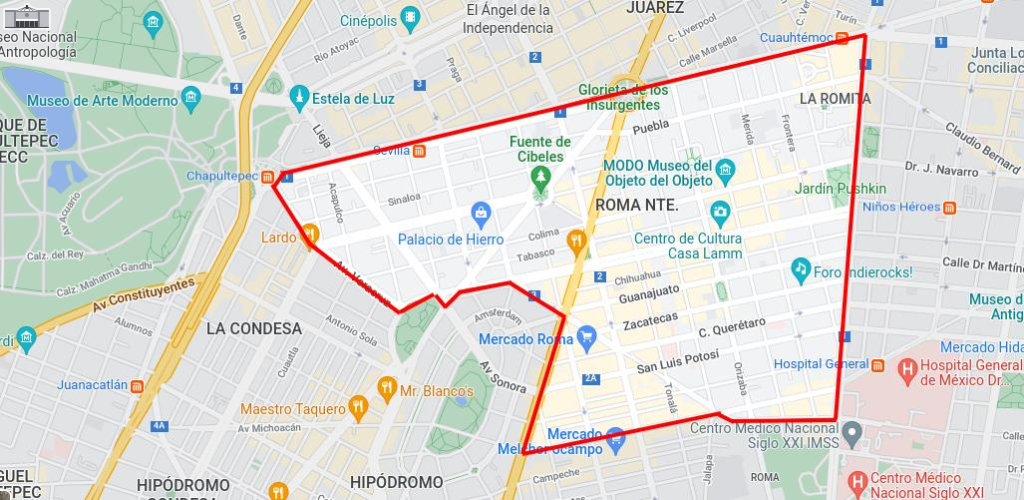
My personal pick for most World Cup visitors would be Roma, Condesa, or Juárez. These areas make the trip easier because you can eat well, walk to cafés, use rideshare when needed, and still reach the major sights without rebuilding your day around long transfers.
How Many Days Do You Need in Mexico City for World Cup 2026?
You need at least four full days for one match, and six to seven days if you want the real Mexico City experience. The city rewards slower travel. If you rush it, you will spend half your trip in traffic and the other half tired.
For one match, I would plan this:
| Day | What I Would Do |
|---|---|
| Day 1 | Arrive, check in, buy transit card, eat near hotel |
| Day 2 | Centro Histórico, Bellas Artes, Zócalo, Templo Mayor |
| Day 3 | Matchday, no heavy sightseeing |
| Day 4 | Chapultepec Park, Anthropology Museum, easy dinner |
| Day 5 | Coyoacán, Frida Kahlo Museum area, local markets |
| Day 6 | Xochimilco, Teotihuacán, or a food-focused day |
The secret is to put matchday in the middle, not at the end. If your flight is delayed, you still have a cushion. If the match drains you, you still have a recovery day. If the city steals your heart, you still have time to enjoy it.
The Altitude Secret Most First-Time Visitors Ignore
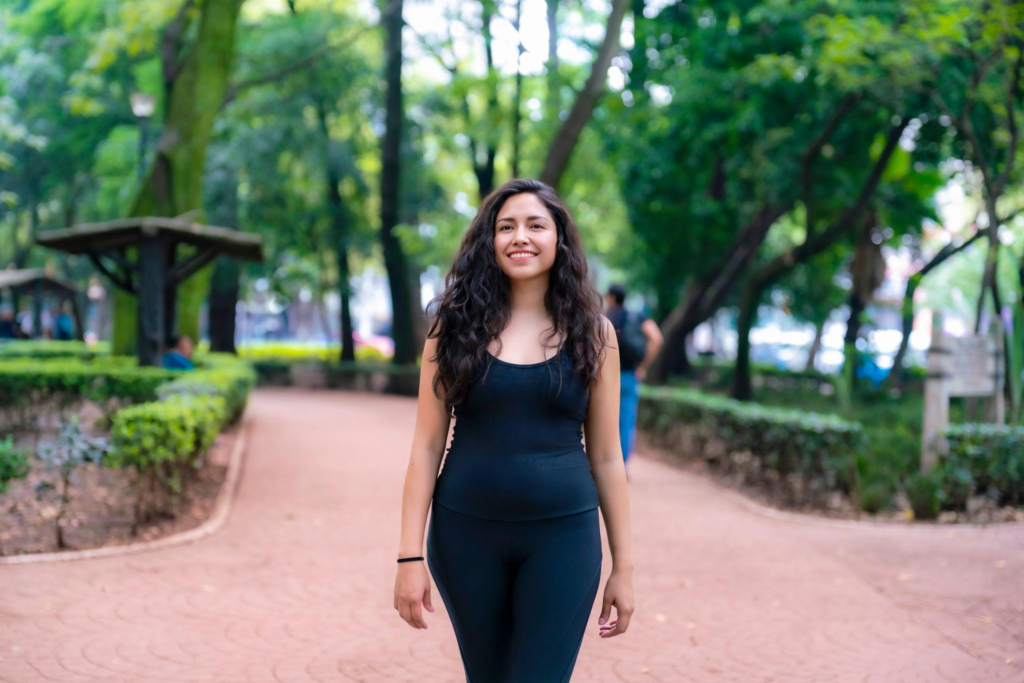
Mexico City sits at high altitude, so your first 24 hours should be easy. The city is around 2,240 meters, or 7,350 feet, above sea level, and that can make stairs, long walks, alcohol, and heavy meals feel different than they do at home.
I would do three simple things on arrival:
- Drink water before coffee or cocktails.
- Avoid a packed walking tour on day one.
- Do not schedule Teotihuacán, Xochimilco, or matchday immediately after landing.
This is not about being dramatic. It is about protecting the trip. I have seen travelers lose a full day because they landed, drank mezcal, ate too much, slept badly, and then tried to walk 20,000 steps the next morning.
How to Get Around Mexico City During World Cup 2026
The smartest transport move is to get the Integrated Mobility Card early. The city’s tourist information says the card works for systems including Metro, Metrobús, and Ecobici, which makes it useful even if you only use public transport a few times.

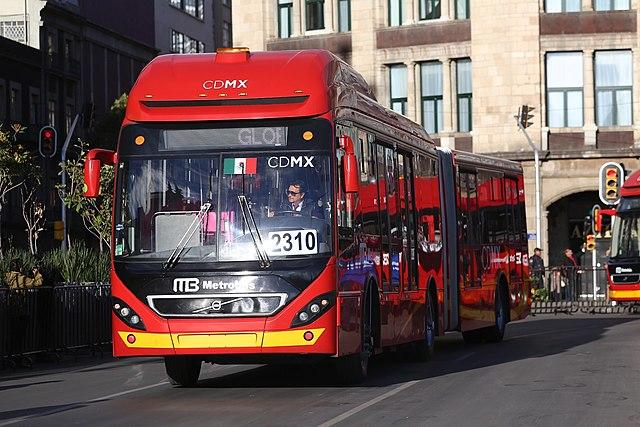
The airport also connects to downtown Mexico City by Metrobús, with boarding at Terminal 1, gate 7 and Terminal 2, gate 2, and service operating every day of the year.
My practical transport rules:
- Use Metro or Metrobús for simple daytime routes.
- Use rideshare late at night or after long dinners.
- Do not rely on one perfect route on matchday.
- Leave earlier than the app suggests.
- Keep your hotel address saved offline.
What Is the Best Fan Festival in Mexico City for World Cup 2026?
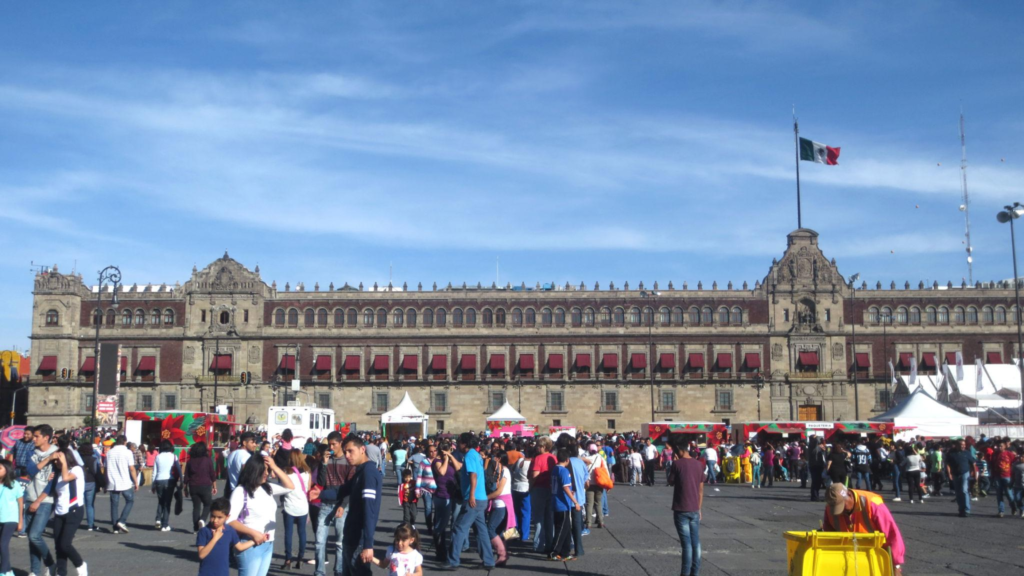
The Zócalo FIFA Fan Festival is the big public viewing experience to know. FIFA lists the Mexico City Fan Festival dates as June 11 to July 19, with the location at Zócalo de la Ciudad de México, Plaza de la Constitución, Centro Histórico.

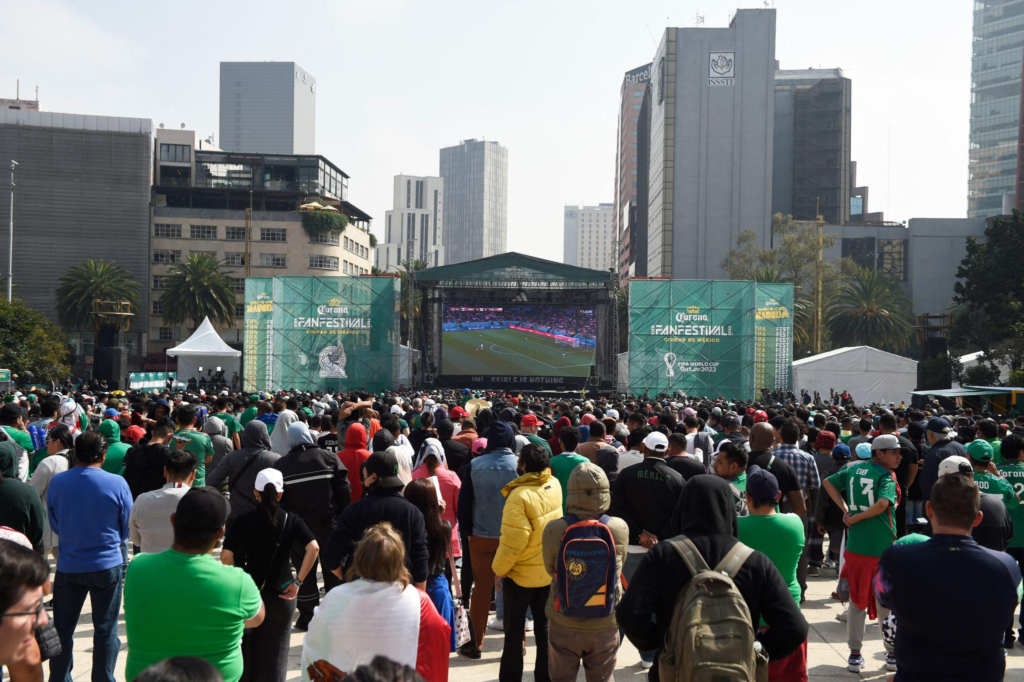
Mexico City is also planning free fan festivals across the capital, with public match screenings, cultural activities, family-friendly programming, concerts, sports activities, and food fairs. Reuters reported that the main FIFA Fan Fest will be at the Zócalo, with additional locations across boroughs.
My advice is to treat the Zócalo like a matchday. Go early, carry less, agree on a meeting spot, and do not assume mobile signal will be perfect when the crowd builds.
What Should You Do in Mexico City Between World Cup Matches?
You should build each day around one major area, not five attractions. Mexico City is too big for checklist travel.
The official tourism portal highlights places and routes such as El Ángel de la Independencia, Palacio de Bellas Artes, Xochimilco’s Cuemanco ecological tours, Centro Histórico, Chapultepec, Roma, Condesa, and Coyoacán, which are exactly the areas I would use to build a first-time World Cup itinerary.
Day Area 1: Centro Histórico
Start with Centro Histórico if you want the emotional core of Mexico City. I would begin early at the Zócalo, then walk toward Templo Mayor, the cathedral area, Alameda Central, and Palacio de Bellas Artes.

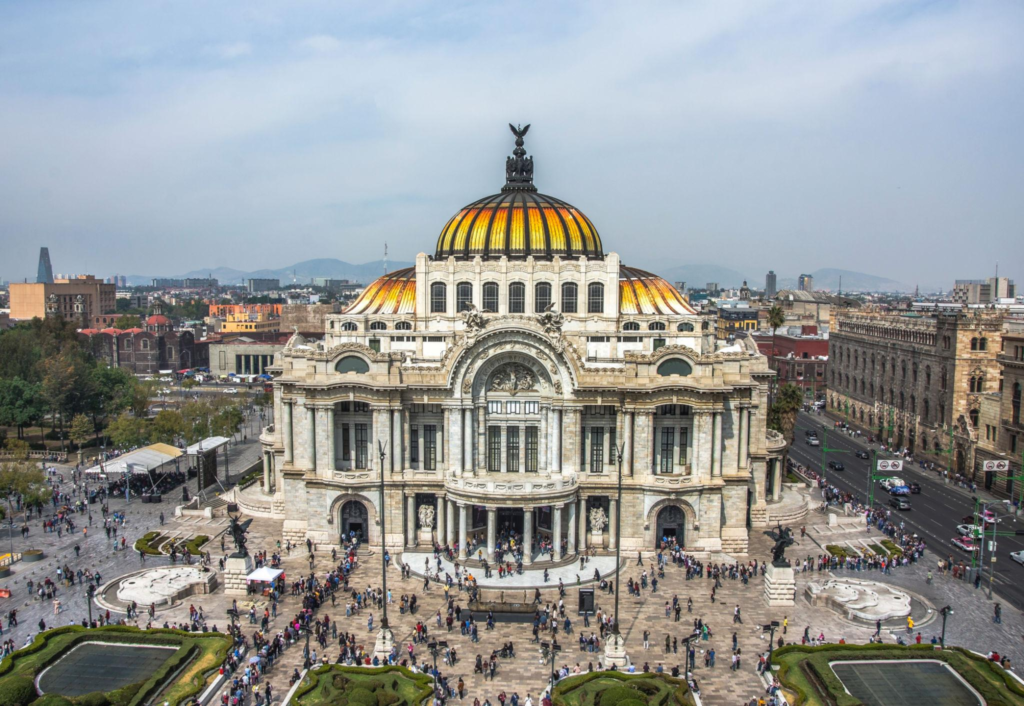
This is the day where you feel the city’s scale. Go in the morning, eat nearby, and leave before you are exhausted.
Day Area 2: Chapultepec
Use Chapultepec for museums, shade, and recovery. Chapultepec is the kind of place that saves a World Cup trip because it gives you space, trees, museums, and slower walking.
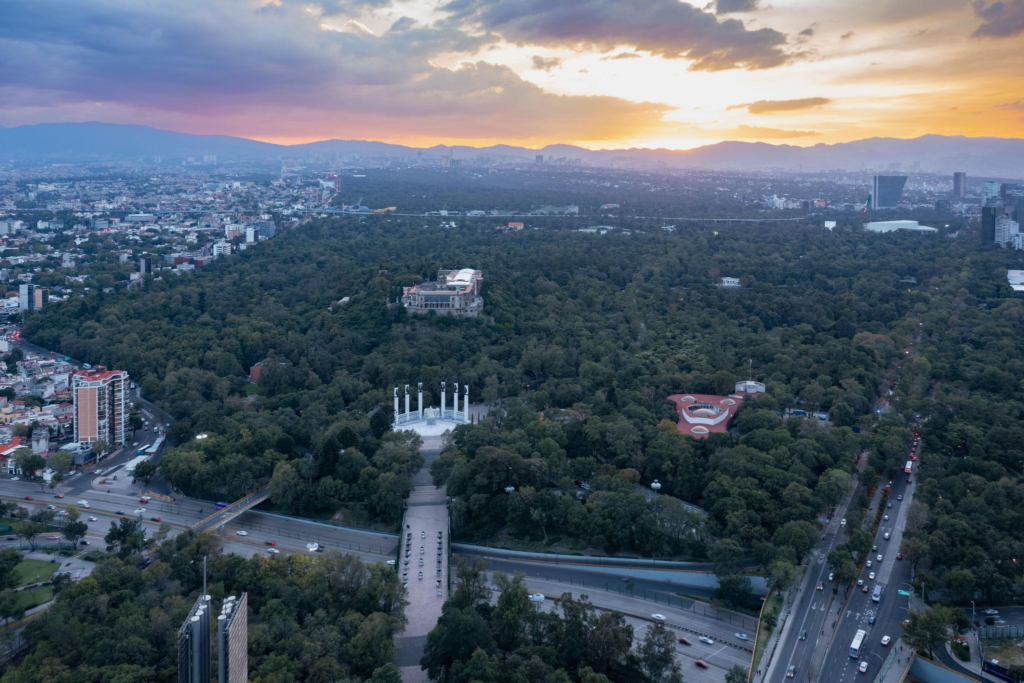
The park area includes major cultural stops such as the National Museum of Anthropology and Chapultepec Castle, and it is one of the best days to pair with Condesa or Roma for dinner. A traveler-focused Mexico City guide also recommends Chapultepec for lakes, vendors, museums, botanical gardens, and relaxed park time.
Day Area 3: Coyoacán
Go to Coyoacán when you want color, history, plazas, markets, and a slower neighborhood feel. Many visitors go for Frida Kahlo’s Casa Azul, but I would stay longer for the streets, cafés, plazas, and market snacks.
Coyoacán also makes sense if you want a southern-side day before or after thinking about the stadium, but I would still not stack it directly on matchday.
Day Area 4: Xochimilco
Choose Xochimilco when you want something that feels completely different from Roma and Centro. The Cuemanco area is listed by the city’s tourism site for ecological tours, and the canals give visitors a famous floating, music-filled, group-friendly experience.

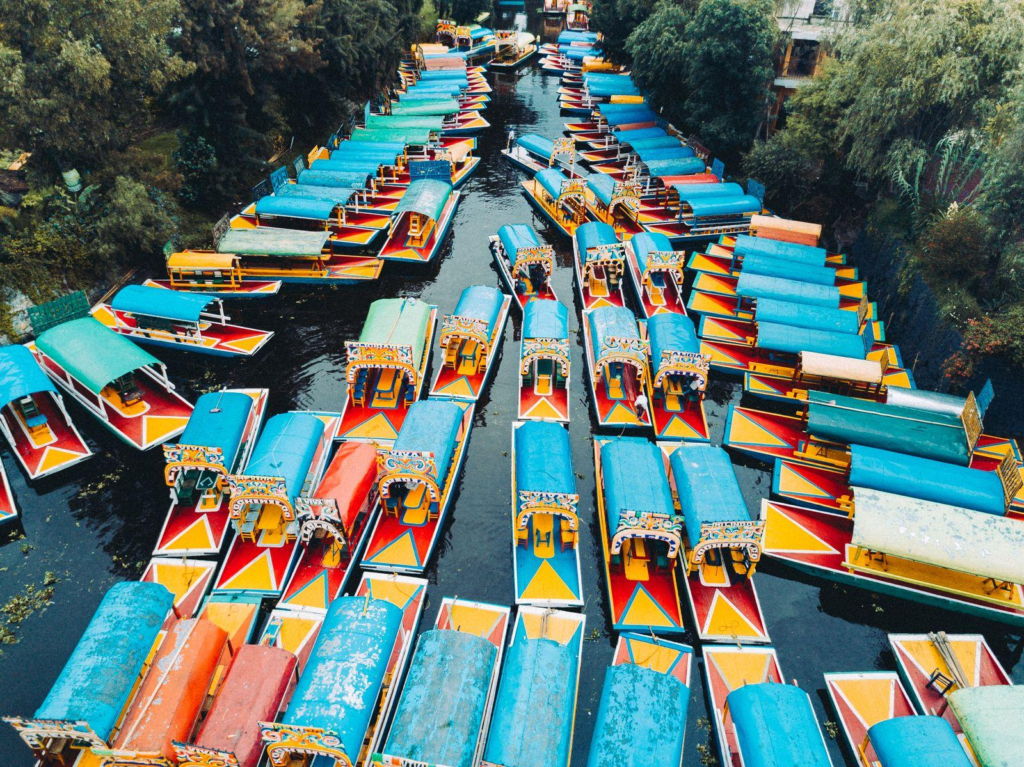
My trick is simple: go earlier, go with a group if possible, and avoid making it your plan right before a night match.
The Local Food Secret: Eat by Neighborhood, Not by Viral Lists
The best food plan in Mexico City is to eat where you already are. This city can punish people who chase one viral taco across town during rush hour.

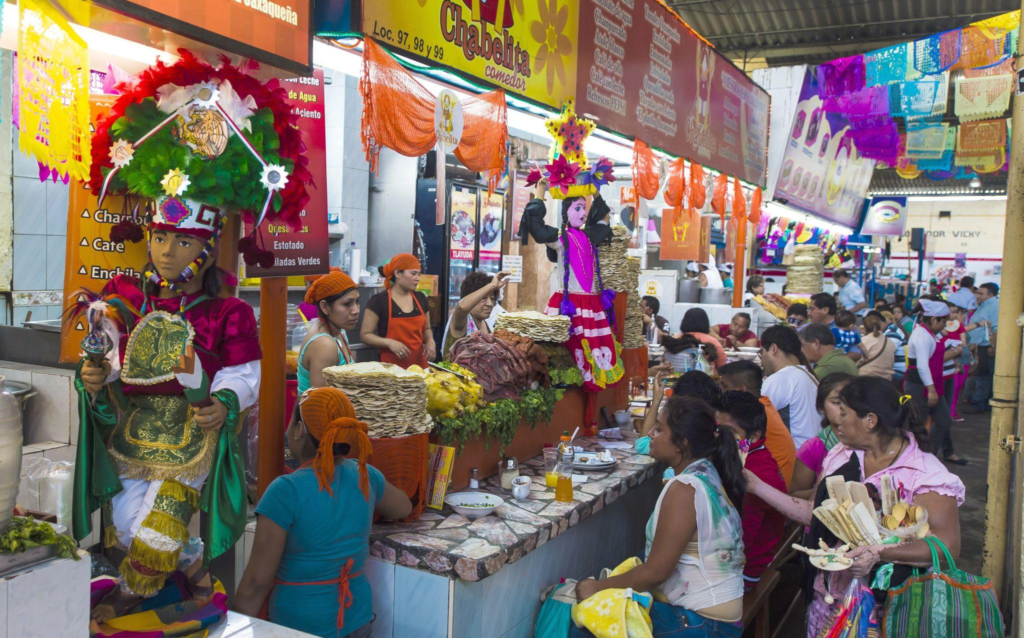
Street food is part of the Mexico City experience, and travelers looking for plant-based options can still eat well. Useful local-style choices include huitlacoche quesadillas ordered without cheese and tlacoyos ordered without cheese, while fully vegan spots mentioned by Mexico City vegan travelers include Paxil, Por Siempre, and Gatorta.
Here is how I would eat during a World Cup trip:
| Situation | What I Would Eat |
|---|---|
| Before matchday | Simple breakfast, fruit, coffee, light lunch |
| After a match | Food near hotel, not across the city |
| Centro day | Tacos, tortas, market food, classic cafés |
| Roma / Condesa day | Coffee, bakeries, casual restaurants |
| Coyoacán day | Market snacks, tostadas, churros, café stop |
| Vegan traveler | Tlacoyos, huitlacoche, vegan taquerías, plant-based cafés |
My strongest food advice is to avoid experimenting too hard before matchday. Try the exciting stuff after the match, not before sitting in a stadium for hours.
Mexico City Coffee, Galleries, and Nightlife Are Worth Planning Around
Mexico City is not just museums and tacos. It has a serious coffee culture, art scene, rooftop scene, cocktail bars, breweries, and independent galleries.

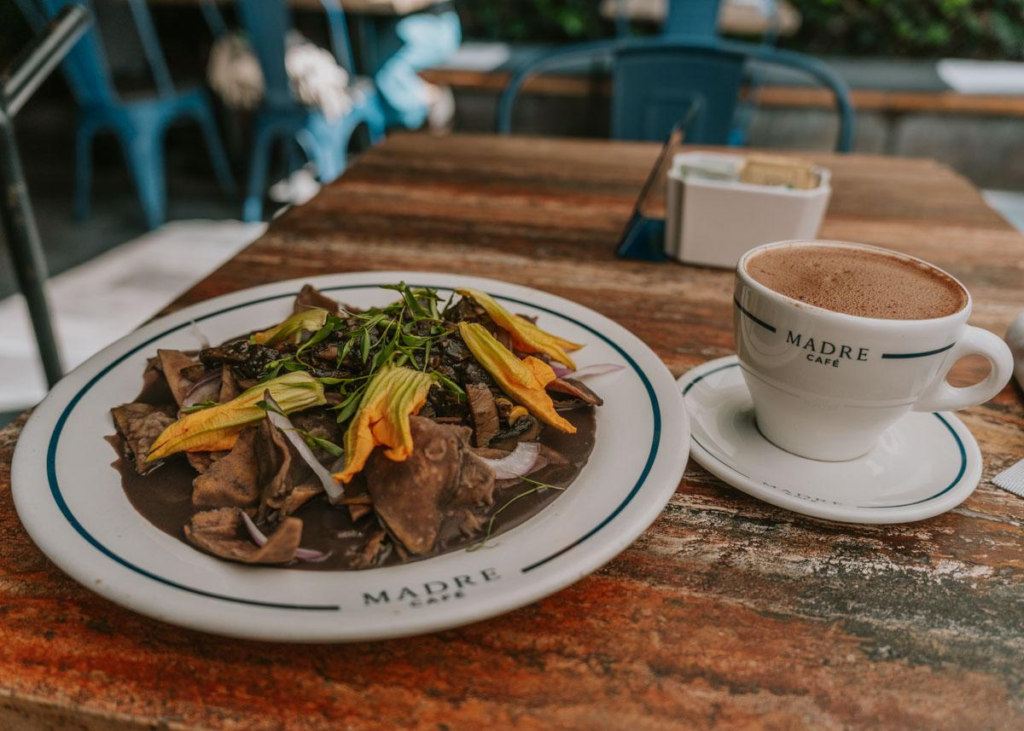
Roma Norte and Condesa are especially good for cafés and coffee stops, while galleries and creative spaces are spread across the city. A long-stay traveler guide highlights the city’s coffee culture, galleries, rooftop bars, breweries, wine bars, and cocktail scene as part of what makes CDMX easy to love beyond sightseeing.
My local-feeling move is to plan one “soft night” and one “real night.”
- Soft night: dinner, walk, coffee or dessert, early sleep.
- Real night: cocktail bar, rooftop, brewery, or live music.
- Never-before-match night: stay close to the hotel and sleep.
Is Mexico City Safe for World Cup 2026 Visitors?
Mexico City can be visited safely with smart planning, but you should not be careless. Current travel advice from the U.S. State Department tells travelers to exercise increased caution in Mexico due to crime and kidnapping, and UK travel advice says Mexico will be busier than usual during the tournament and travelers should check routes before moving between cities.
My practical safety habits are simple:
- Carry one card and limited cash during the day.
- Keep your passport locked at the hotel unless needed.
- Use rideshare late at night.
- Do not flash your phone at curbside in busy areas.
- Avoid empty streets after nightlife.
- Tell someone where you are going on matchday.
- Check official travel advice before intercity trips.
This is not fear-based travel. This is grown-up travel.
My Best 5-Day Mexico City World Cup 2026 Itinerary
This is the itinerary I would actually use for one World Cup match.
| Day | Plan |
|---|---|
| Day 1 | Arrive, get transit card, stay near hotel, early dinner |
| Day 2 | Centro Histórico, Zócalo, Templo Mayor, Bellas Artes |
| Day 3 | Matchday at Mexico City Stadium, no major sightseeing |
| Day 4 | Chapultepec Park, Anthropology Museum, Roma or Condesa dinner |
| Day 5 | Coyoacán, market snacks, coffee, relaxed evening |
This plan works because it respects the city. It does not pretend you can beat traffic, crowds, altitude, and matchday emotion in one perfect schedule.
Final Advice: The Local Secret That Saves the Trip
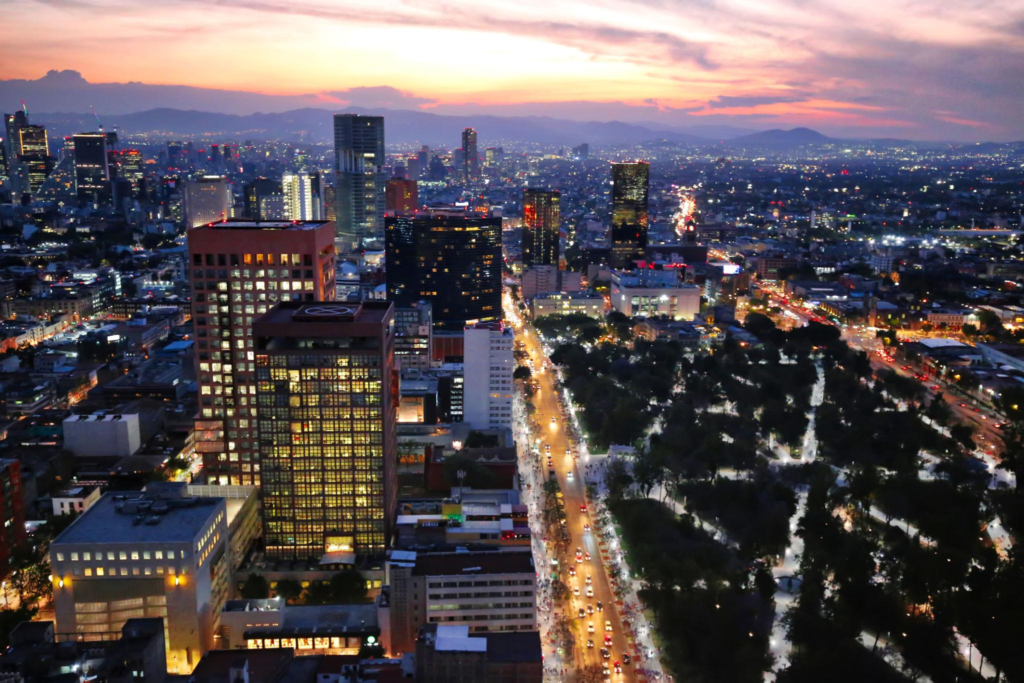
The real secret is to stop planning Mexico City like a stadium trip and start planning it like a neighborhood trip. Choose a good base, leave space in the schedule, eat where you already are, handle altitude gently, and keep matchday clean.
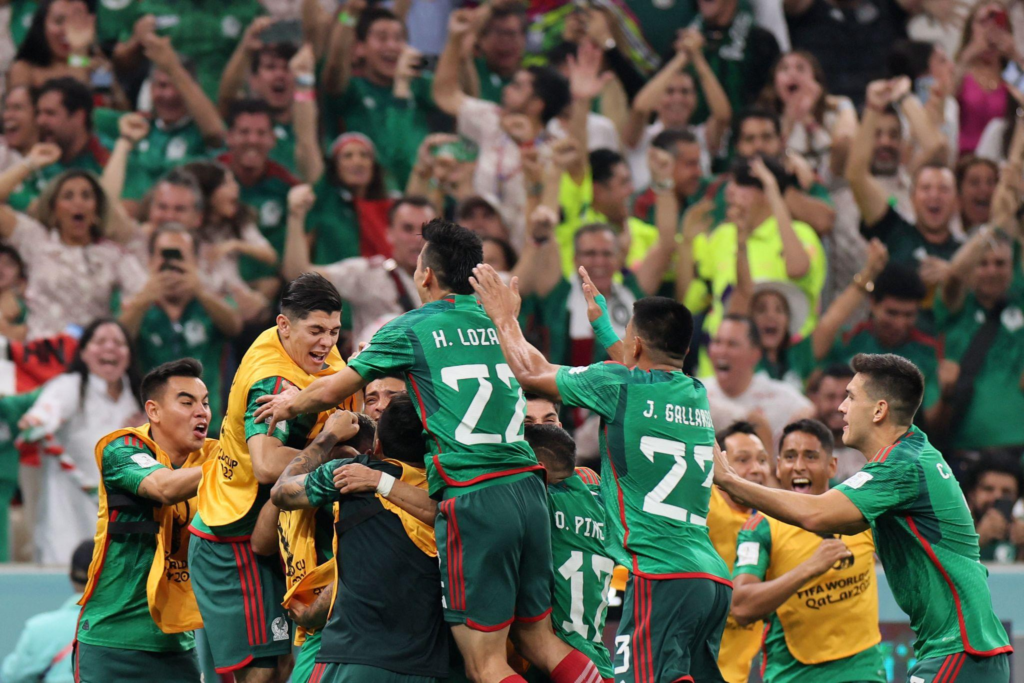
Mexico City will be loud, proud, crowded, emotional, and unforgettable during World Cup 2026. The travelers who enjoy it most will not be the ones who cram the most into every day. They will be the ones who understand the rhythm: one neighborhood, one main plan, one great meal, and enough energy left for the football.
Also read – Read This Travel Guide to New York City for FIFA World Cup 2026 & Save Your Trip