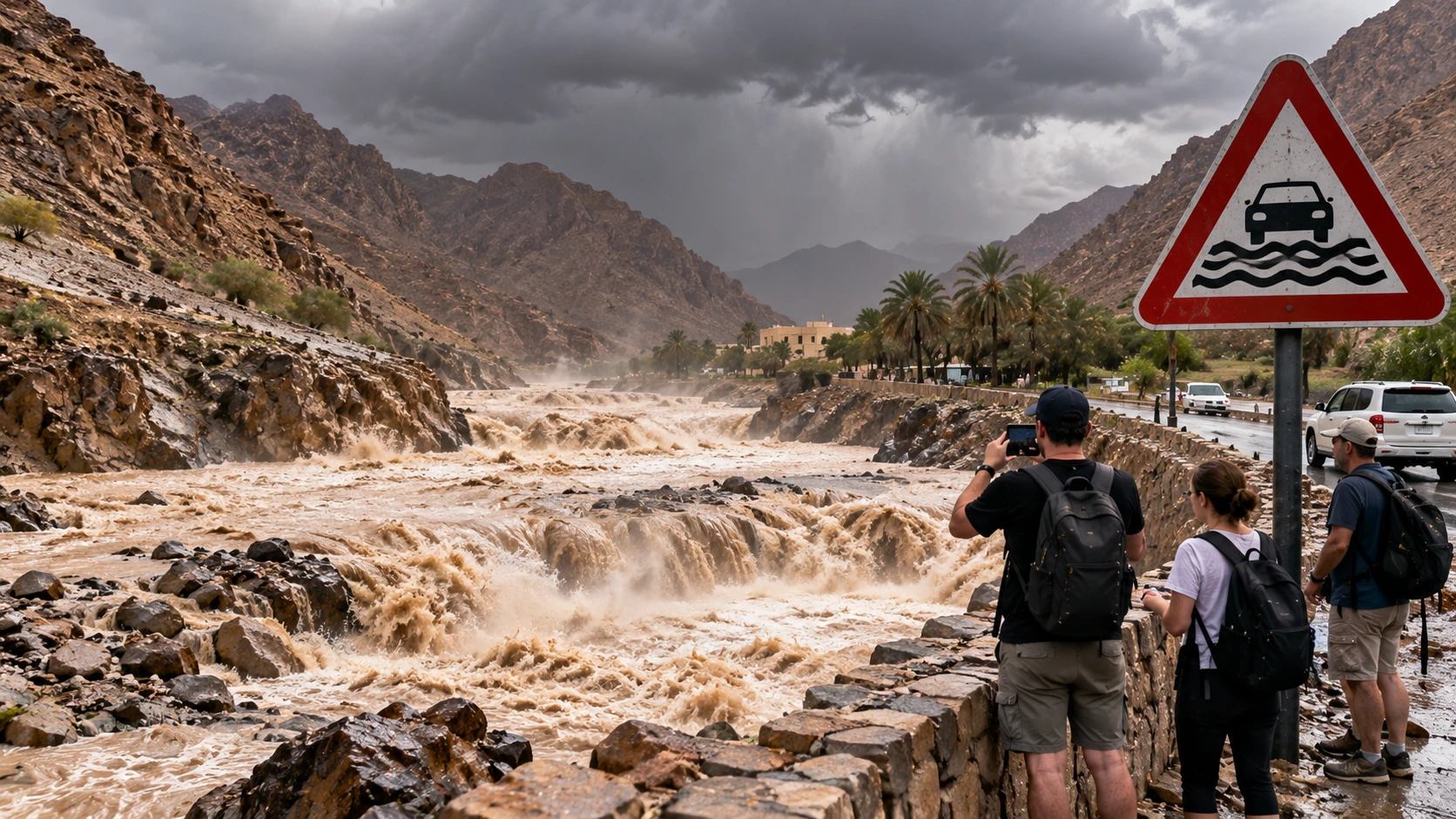
Middle Eastern safety agencies are actively monitoring severe flash floods across popular tourist wadis (dry riverbeds) following heavy regional rainfall. Tourists visiting Oman, the United Arab Emirates, and surrounding nations must immediately cancel all hiking and off-road driving plans in mountainous valleys. You can easily get trapped or swept away by sudden walls of water, even if the sky directly above you looks completely clear.

Why Are Wadis So Dangerous for Tourists?
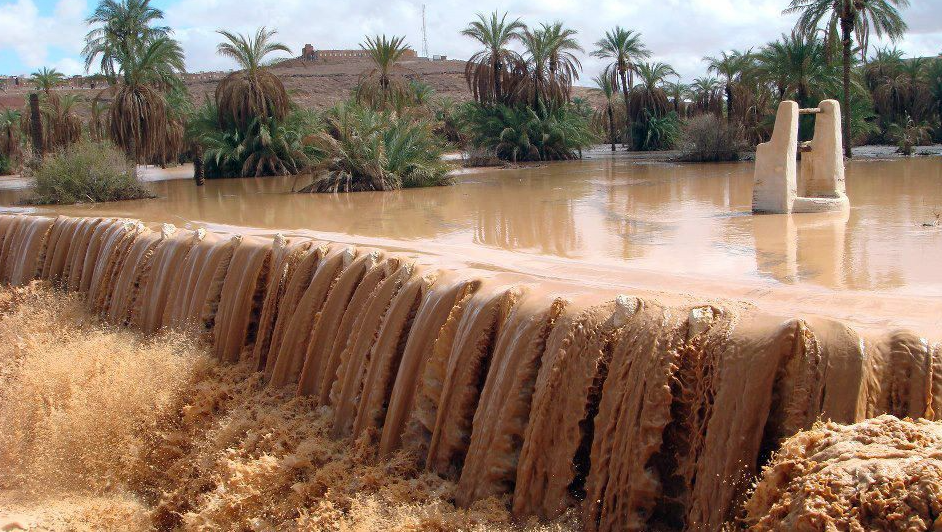
Wadis turn from bone-dry hiking trails into deadly, fast-moving rivers in a matter of seconds. When heavy thunderstorms strike the high mountain peaks, the rocky desert ground cannot absorb the moisture. This causes massive volumes of water to funnel directly down the narrow valley corridors, crushing vehicles, bridges, and people in its path.
Official Warnings from Civil Defence Authorities
The Civil Defence and Ambulance Authority (CDAA) explicitly prohibits anyone from attempting to cross an overflowing wadi in a vehicle or on foot. Rescue teams are currently on high alert across multiple governorates to extract stranded tourists who ignored early weather warnings. Local police will issue massive fines and arrest drivers who deliberately bypass safety barricades to enter flooded zones.
Also read – Air Arabia Launches Five Nonstop Flights Between Sharjah and …
How to Check Live Weather Alerts Before Traveling
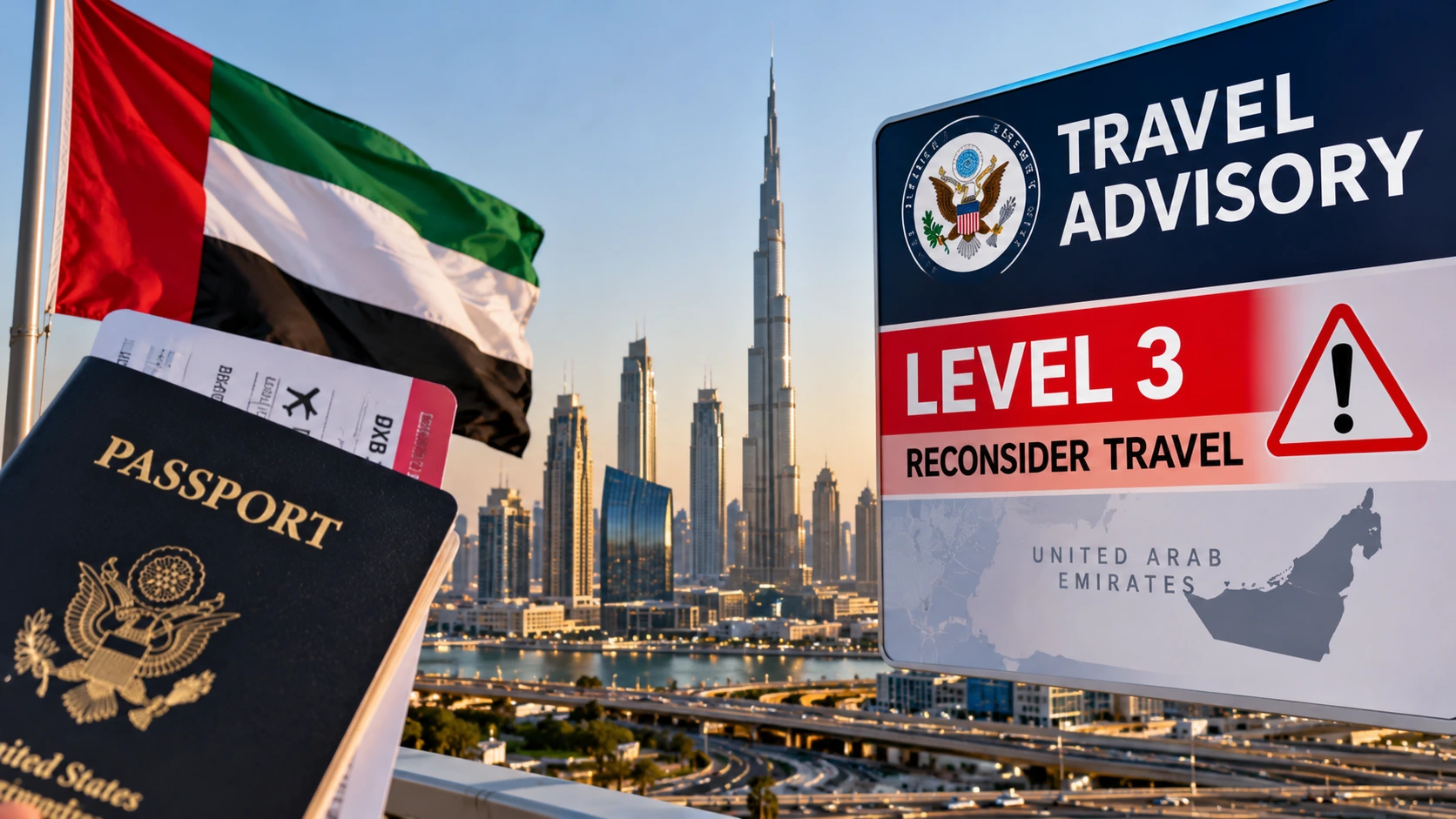
You must check official aviation and meteorological channels daily before leaving your hotel room. The Oman Meteorology portal provides real-time satellite tracking of low-pressure troughs and incoming thunderstorms. Additionally, the U.S. Department of State constantly updates its regional travel advisories, warning citizens about severe weather events that disrupt local emergency services.
Exact Steps to Stay Safe During Heavy Rain
Your primary survival strategy is to stay away from low-lying areas entirely until the storm passes. The National Weather Service (NWS) universally enforces the “Turn Around, Don’t Drown” rule because just 12 inches of fast-moving water will sweep a standard SUV completely off the road.

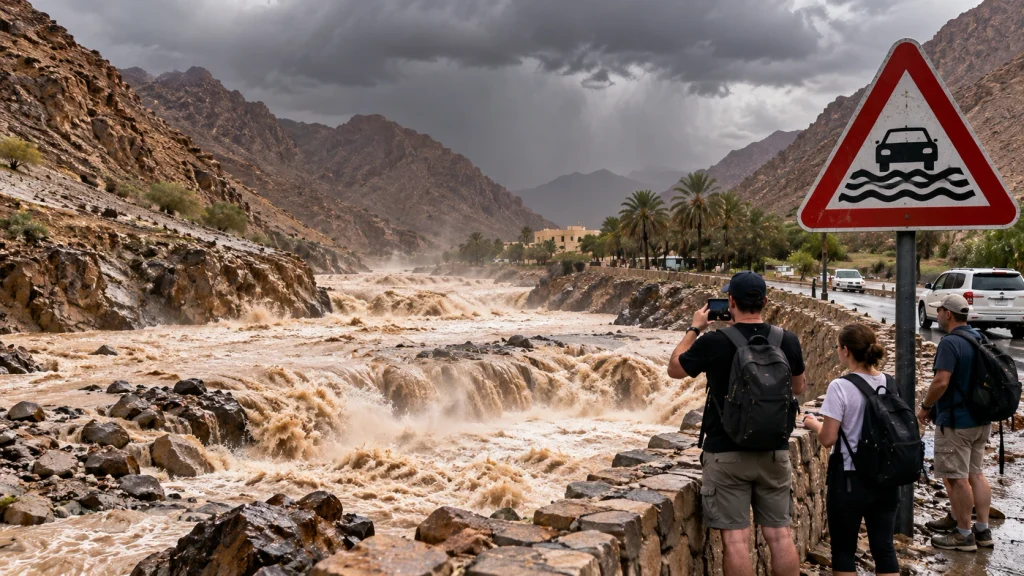
Follow these specific safety fixes if you get caught in a storm:
- Seek high ground instantly: Climb up the valley walls immediately if you hear a low, rumbling sound coming from upstream.
- Abandon your vehicle: If your rental car stalls in rising water, leave it behind and climb to safety. Cars sink quickly.
- Cancel canyon tours: Do not trust unlicensed local guides who offer to take you into restricted wadis for a discount during the rain.
- Stay indoors: Spend the day visiting indoor museums or shopping centers until the government issues an all-clear notice.
Safe vs. Dangerous Tourist Activities Right Now
Knowing exactly what to avoid prevents you from walking into a deadly trap during your vacation.
| Tourist Activity | Current Safety Status | Required Action |
| Wadi Bani Khalid / Wadi Shab | Extremely Dangerous | Cancel immediately until waters recede |
| Mountain Off-Roading | High Risk | Avoid completely due to massive mudslides |
| Desert Dune Bashing | Moderate Risk | Proceed only with verified, licensed guides |
| City Museums & Malls | Perfectly Safe | Excellent alternative during active storms |
Taking weather warnings seriously saves lives and prevents emergency responders from risking their own teams during a crisis. Always ask your hotel concierge about the current road conditions before driving out into the rural desert.