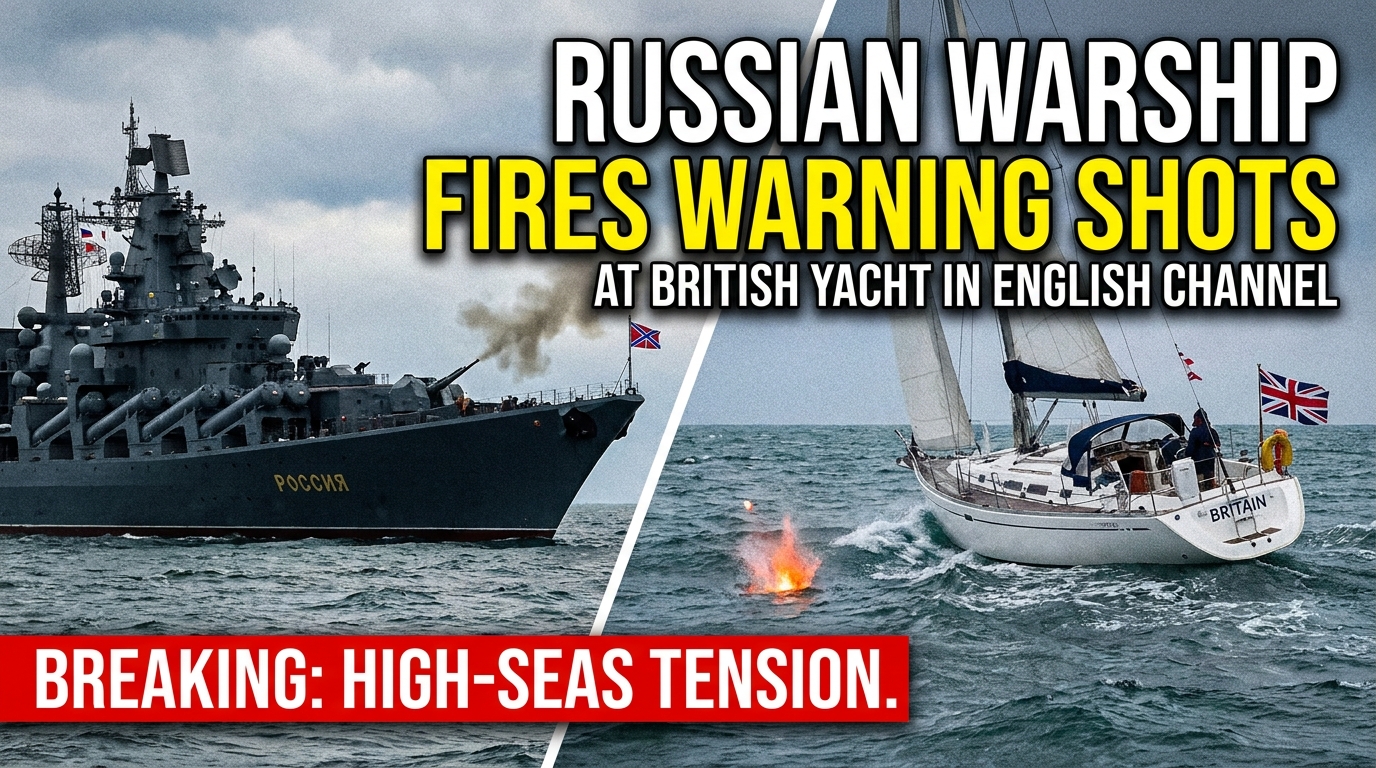
A Russian Navy warship fired live warning shots at a civilian British sailing yacht in the English Channel, an unprecedented escalation in international waters that has triggered a major maritime security response.
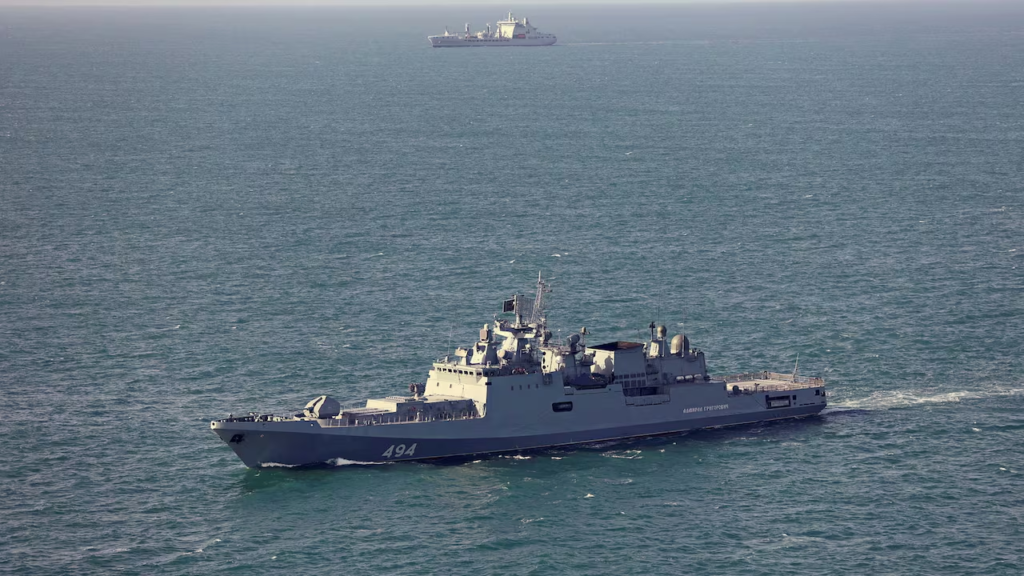
The incident occurred on June 16, 2026, when the Russian frigate Admiral Grigorovich fired four to five warning shots from small arms near a 40-foot (12-meter) UK-registered sailing yacht named Bright Future. Crewed by a retired British couple, the yacht was sailing in thick fog approximately 20 nautical miles south of the Isle of Wight when the heavily armed warship confronted them. While the crew escaped without injuries or damage, the confrontation highlights growing geopolitical tensions spillover into civilian boating lanes.

Incident at a Glance: Russian Warship Confrontation
- Vessels Involved: Russian Navy Frigate Admiral Grigorovich & British Yacht Bright Future.
- Location: 20 nautical miles south of the Isle of Wight, English Channel.
- The Action: Firing of 4 to 5 small-arms warning shots by the Russian vessel.
- Casualties/Damage: None reported; the yacht safely reached Cherbourg, France.
- Tension Context: Follows the UK Royal Marines’ dramatic seizure of a Russian shadow fleet oil tanker two days prior.
Also read – Disney Cruise Bans Cabin Door Décor After Safety Row
How Did the Encounter Between the Russian Frigate and Yacht Occur?
The civilian yacht was transiting the English Channel in heavy fog when it inadvertently drifted close to the Russian warship, leading to a breakdown in communication and subsequent warning shots.
The timeline of the encounter shows how quickly a routine crossing can escalate in high-tension environments:
- 11:30 BST: The sailing yacht Bright Future enters a dense fog bank south of the Isle of Wight.
- 11:40 BST: The crew hears a ship’s horn sound five times—the standard international signal for danger or doubt. The yacht crew acknowledges the signal and attempts to adjust their heading.
- 11:43 BST: The Russian frigate sounds a second series of rapid horn blasts.
- 11:45 BST: Four to five live warning shots are fired from the warship’s deck using small arms, hitting the water near the yacht’s hull.
- 12:00 BST: The yacht alters course away from the warship. A Royal Navy patrol ship, HMS Tyne, is dispatched to intercept the yacht, verify the crew’s safety, and escort them towards French territorial waters.

Why Did the Russian Navy Fire Warning Shots at a Civilian Yacht?
The Russian Ministry of Defence claims the civilian vessel was on a dangerous collision course and ignored standard radio warning signals, but maritime analysts suspect the shots were a deliberate show of force following the UK’s seizure of a Russian oil tanker.
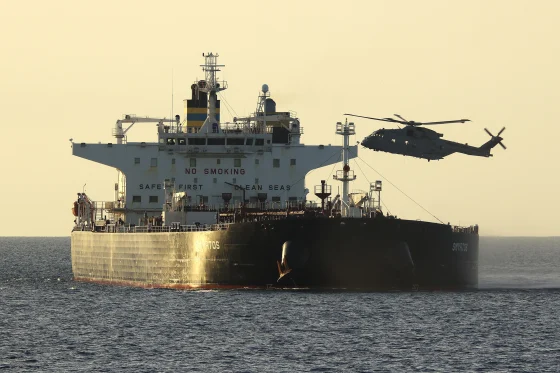
Just two days before the yacht incident, on June 14, 2026, British Royal Marine Commandos executed the first-ever boarding and seizure of a Russian “shadow fleet” oil tanker, the Smyrtos, in the English Channel for violating maritime sanctions.
While the UK Ministry of Defence has officially stated they do not believe the sailing yacht was targeted in direct retaliation, security experts suggest a different story. The Admiral Grigorovich has been heavily active in escorting Russian-linked vessels through the Channel. Firing live rounds at a British-flagged yacht sends a clear, intimidating message to Western maritime authorities operating in the area.
UK vs. Russian Accounts: How Do the Stories Differ?
The official narratives from Moscow and the British yacht crew differ sharply regarding whether warning signals were properly broadcast and ignored.
The table below compares the two accounts of the confrontation:
| Feature | Russian Ministry of Defence Account | Yacht Crew (Bright Future) Account |
|---|---|---|
| Initial Proximity | Yacht was on an active “dangerous course” heading directly for the frigate. | Yacht was navigating standard sailing lanes under low-visibility fog. |
| Radio Contact | Repeated attempts to contact the yacht on VHF Channel 16 were ignored. | No direct radio contact or clear hails were received before the horn sounded. |
| Visual Warnings | Multiple signal flares were fired into the air prior to using live rounds. | No flares were visible due to the dense fog bank. |
| Gunfire Reason | Necessary action to prevent a collision and force the yacht to alter course. | Unwarranted escalation, as they were already attempting to steer clear of the horn. |
What Action Did the Royal Navy Take?
The Royal Navy was already actively shadowing the Russian frigate using the patrol vessel HMS Mersey and immediately dispatched HMS Tyne to secure the civilian yacht.
Because the English Channel is a vital shipping lane, the UK military maintains a constant watch on foreign warships transiting the area. The Admiral Grigorovich was being closely monitored when the incident occurred. Once the shots were fired, HMS Tyne made direct contact with the retired British couple to confirm they had suffered no hull damage or physical harm before they continued their voyage to Cherbourg, France.
Also read – US Embassy Warns Americans to Avoid Bahamas Jet Ski
Personal Yachting Perspective: Navigating the Channel Under Military Shadow
As someone who has sailed the English Channel in heavy fog, I can tell you that it is one of the most nerve-wracking experiences a civilian skipper can face. You are dealing with massive container ships, strong currents, and low visibility. Adding a Russian warship firing live rounds into the mix is a true nightmare.
In heavy fog, sound is easily distorted. When the crew of the Bright Future heard five blasts, they did the right thing by acknowledging. However, in today’s high-tension geopolitical climate, military vessels are on hair-trigger alert. Skippers must understand that warships will enforce a massive exclusion zone around themselves, and the old “right of way” rules for sailing vessels do not apply in practice when dealing with heavily armed navies.
Helpful Tips: 5 Maritime Rules for Cruising Near Military Vessels
If you are operating a recreational vessel near active warships or in high-tension waters, follow these five steps to ensure your safety:
- Monitor VHF Channel 16 Constantly: Keep a dedicated radio watch. Warships will attempt to hail you using your position or description (e.g., “Sailing vessel at position X, this is Coalition Warship…”). Respond immediately.
- Understand the 5-Blast Horn Signal: Under the International Regulations for Preventing Collisions at Sea (COLREGs), five short and rapid blasts mean “I doubt your action to avoid collision.” If you hear this, immediately stop your engines or drop your sails, verify your position, and make radio contact.
- Give Warships a Wide Berth: Do not assume a warship will yield to a sailing vessel. Maintain a minimum distance of 1 to 2 nautical miles from any military ship.
- Broadcast on AIS: Ensure your Automatic Identification System (AIS) is transmitting. This allows warships to see your vessel name, size, and heading on their radar screens, reducing the risk of being misidentified as a threat.
- Report Confrontations Instantly: If a military vessel behaves aggressively or fires warning shots, immediately contact the local Coastguard on VHF Channel 16 or via the emergency phone line to log the incident and request a naval escort.
For official boating regulations and safety notices, consult the UK Maritime and Coastguard Agency (MCA) and the safety resources provided by the Royal Yachting Association (RYA).