Right now, in mid 2026, we are just weeks away from the opening FIFA World Cup match. If you look at standard booking sites for New York, Los Angeles, or Miami, you will see average hotel rooms surged by 300% to 500%, asking for $600 to $1,000 per night. You are probably thinking you have been priced out of the tournament. You have not.
You do not need to pay luxury prices for basic beds. You just need to stop searching where the tourists search.
Here is my definitive, battle-tested list of accommodation secrets, neighborhood hacks, and alternative stays that will save you thousands of dollars while keeping you close to the action.
What Is the “Budget Hub” Flight Strategy?
The Budget Hub strategy involves booking your primary 10-day stay in a cheaper central World Cup city—like Kansas City or Dallas—and taking short, same-day domestic flights to expensive coastal cities for specific matches.
This is the smartest geographical play you can make in North America. The US is massive. Trying to hotel-hop between Los Angeles and New York will drain your bank account instantly. Instead, you establish a cheap “basecamp” and fly out strictly for the 90-minute games.
How the math actually works:
- The Expensive Route (NYC): Staying in a mid-range New York City hotel right now will cost you roughly $2,800 for a week.
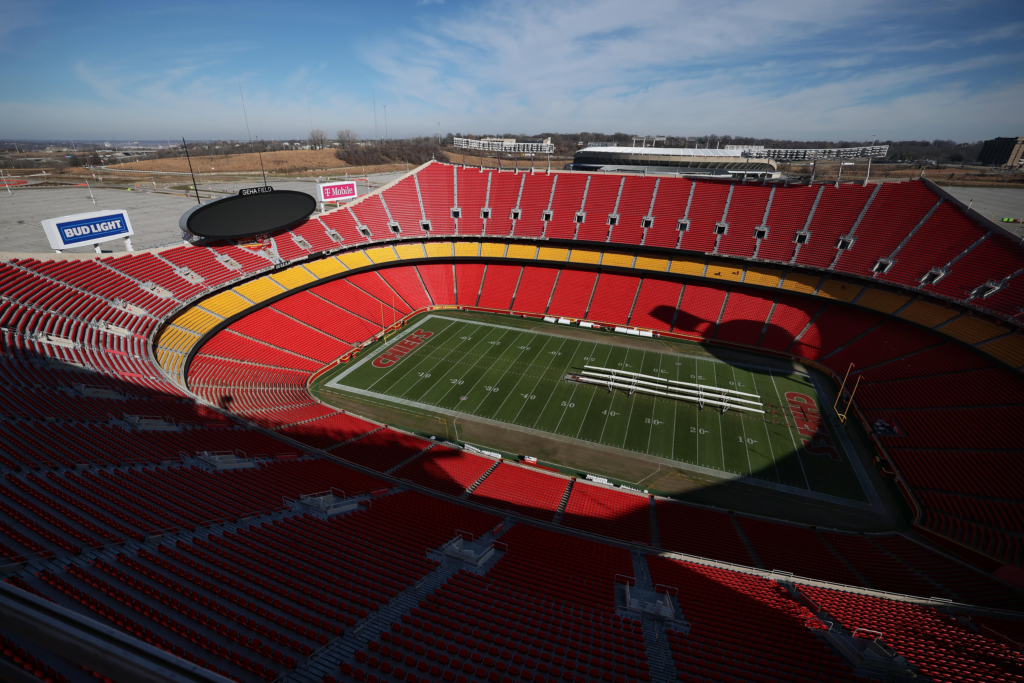
- The Smart Route (Kansas City Base): You book a week in Kansas City for about $180 a night ($1,260 total). You watch 1 or 2 group stage matches locally at Arrowhead Stadium. When your team plays in New York, you book a $200 round-trip positioning flight (like Southwest or Spirit), fly in, take the train to MetLife Stadium, watch the game, and fly back the next morning.
- The Result: You save over $1,300 in one week, see multiple cities, and dodge the coastal hotel price gouging.
Also read – FIFA World Cup 2026 Ticket Scams: How to Spot Fakes & Stay Safe
Which Secondary Transit Cities Actually Work?
You save immediate money by sleeping 30 to 50 miles away from the official host stadium in a secondary city connected by a direct, regional commuter train.
Never book a hotel directly next to the stadium unless you have an unlimited budget. The secret is matching your hotel strictly to the local transit maps. You want a 40-minute train ride, not a $150 Uber ride in bumper-to-bumper traffic.
Here are the exact secondary cities to book right now:
- For New York/New Jersey (MetLife Stadium): Do not stay in Manhattan. Book hotels in Newark, Jersey City, or Hoboken. You will save 40% on the nightly rate, and you can take the PATH train or NJ Transit directly into the stadium complex in under 30 minutes.
- For Boston (Gillette Stadium): Do not stay in Boston. Gillette Stadium is actually in Foxborough, 28 miles south of the city. Book your stay in Providence, Rhode Island. Providence hotel rooms are currently running $150-$300 a night, while Boston proper is demanding $500+.
- For Miami (Hard Rock Stadium): Avoid South Beach entirely. Book in Coral Gables, Coconut Grove, or Brickell. Prices trend 20% to 30% lower, and the transit access heading north to Miami Gardens is vastly superior.
- For Dallas (AT&T Stadium): The stadium is in Arlington. Skip downtown Dallas and book in Fort Worth or Plano. You get better dining, a calmer vibe, and massive savings on nightly rates.
Why Are University Dorms the Best Kept Secret?
University dorms are the cheapest, safest, and most central accommodations available because the World Cup takes place in June and July—exactly when college students have vacated the campuses for summer break.

Many major universities quietly open their empty dormitories and campus apartments to short-term summer renters. These are not heavily advertised on Expedia or Booking.com, which is why the masses miss them.
The benefits of campus housing:
- Rock-Bottom Pricing: You can secure a private room with a shared bathroom for $40 to $70 a night.
- Prime Locations: Universities like UCLA, NYU, and Emory (Atlanta) occupy some of the most expensive real estate in their respective cities.
- Built-in Amenities: You get access to campus cafeterias, secure high-speed Wi-Fi, and heavy campus security.
- Transit Proximity: Major universities are almost always central hubs for local bus and subway lines.
My pro tip: Go directly to the “Summer Housing” or “Conference Services” pages on the websites of universities located in host cities and email the housing directors directly.
Who Should Use Hostels and RV Parks?
Solo travelers must use dedicated backpacker hostels, while groups of four or more should rent an RV and book a suburban RV park.
If you are traveling alone, standard hotel rooms offer zero cost-sharing benefits. Conversely, if you have a group of five friends, splitting the cost of an RV rental gives you transport, a kitchen, and beds all in one package.
The Hostel Strategy:
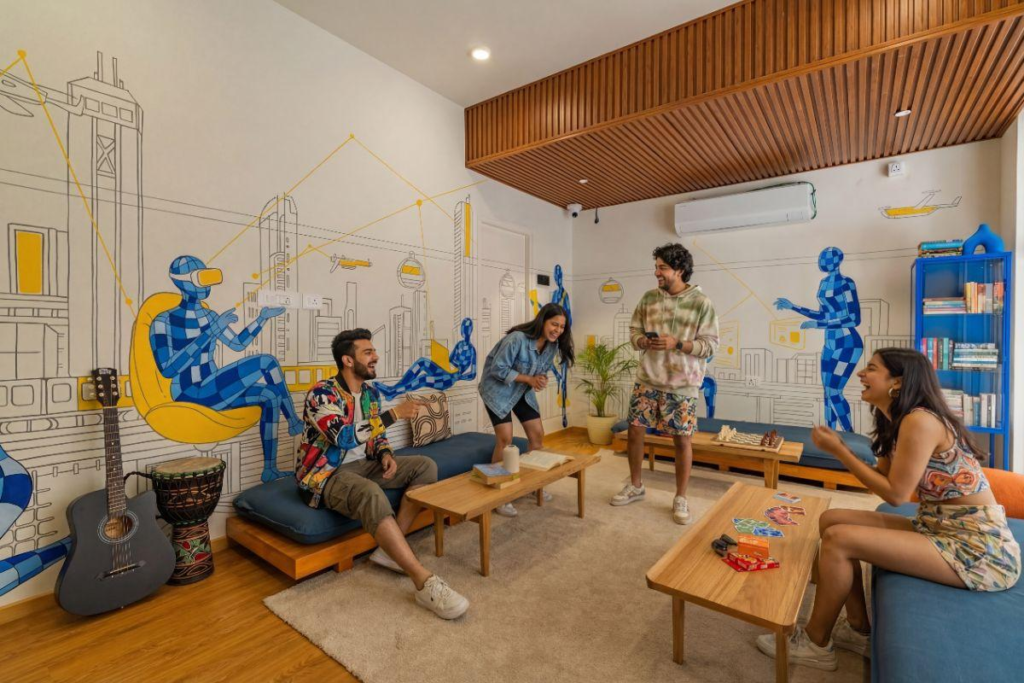
Hostels are heavily regulated, safe, and feature massive communal kitchens that allow you to cook your own meals, bypassing expensive stadium food.
- Atlanta: Look at Hilltop Hostel. It is a deep-budget option for frugal fans.
- Boston: HI Boston is centrally located and offers bunks for a fraction of the cost of downtown hotels.
- Houston: Bposhtels Houston or MyCrib Houston Hostel are perfectly positioned for budget-conscious fans.
The RV Park Strategy:
Renting a standard RV costs roughly $150 to $250 a day. RV park fees (which include water and power hookups) run about $60 to $100 a night. Split among five people, you are paying $60 a night per person for your bed, your transport, and your kitchen.
What Are the Real Costs for Budget Fans?
To make your planning strictly visual, here is exactly what you should expect to pay based on your chosen strategy for a typical 4-night stay in 2026.
| Accommodation Strategy | 4-Night Total Cost | Best City Applications | Ideal Traveler Type |
| Premium Host City Hotel (NYC/LA) | $1,600 – $2,400 | Los Angeles, Miami, New York | High budget, convenience seekers |
| Secondary Transit City | $800 – $1,200 | Providence (Boston), Newark (NJ) | Families, mid-range budgets |
| Budget Hub Basecamp | $720 – $880 | Kansas City, Dallas, Atlanta | Multi-match followers, deal hunters |
| University Dorms / Hostels | $160 – $300 | Mexico City, Houston, Atlanta | Solo travelers, deep-budget fans |
When Should You Lock In Your Stay?
You must book immediately upon reading this article. Do not wait for a price drop that will never happen.
If you find a refundable rate in a secondary city or a budget hub, secure it today. The inventory will only shrink, and the prices will only rise as we inch closer to the opening ceremonies. Use premium credit cards that offer trip cancellation coverage, lock down your suburban basecamp, and I will see you on the trains this summer.

