Scotland holds some of the most dramatic and highly photogenic ethereal landscapes in Europe, featuring crumbling stone castles and hidden natural gorges. Tourists looking to experience real-life fairytale locations must travel far beyond the city streets of Edinburgh and Glasgow. Planning a Scottish road trip around these specific locations guarantees you will see geography completely unique to the northern Highlands and surrounding islands.
1. The Fairy Pools on the Isle of Skye
The Fairy Pools feature a series of crystal-clear blue waterfalls located directly at the foot of the Black Cuillins mountain range on the Isle of Skye. You must arrive at the main car park before 8:00 AM during the peak summer months to secure a parking spot and beat the massive tour bus crowds. The official VisitScotland tourism board rates the main gravel walking path as highly accessible, taking roughly 40 minutes to reach the largest swimming pools.

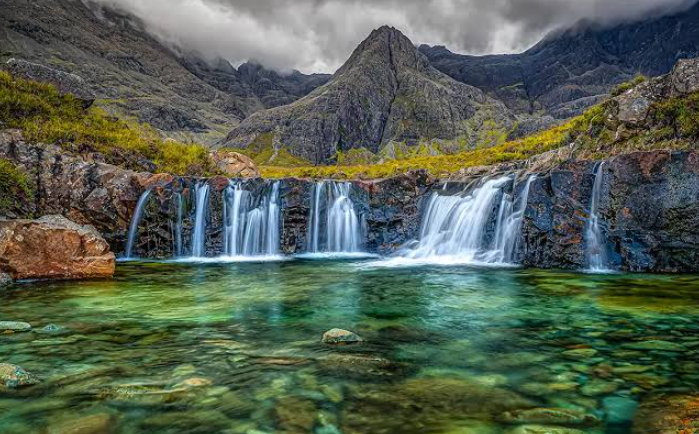
Swimming is legally allowed in the pools, but the mountain runoff water remains freezing cold even during August. Bring specialized neoprene water shoes because the submerged rocks feature a highly slippery layer of natural algae.
2. Fingal’s Cave on the Isle of Staffa
Fingal’s Cave is a 227-foot sea cave formed entirely of hexagon-shaped basalt rock columns on the uninhabited Isle of Staffa. Tourists can only reach this specific location by booking a specialized marine boat tour departing from the coastal town of Oban or the neighboring Isle of Mull. The geometric rock pillars look artificially carved, but they actually formed naturally from cooling volcanic lava millions of years ago.

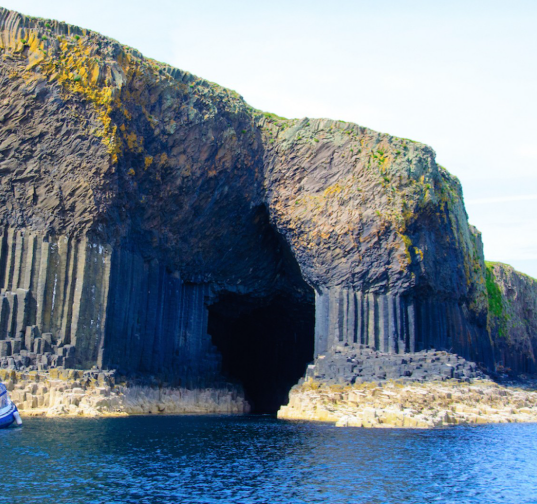
The NatureScot conservation agency closely monitors the island to protect local puffin colonies that nest on the upper grassy cliffs. Always book your boat ticket for a morning departure during May or June to experience the calmest ocean swells and the best lighting inside the dark cavern.
3. Dunnottar Castle in Stonehaven
Dunnottar Castle operates as a dramatic medieval ruin sitting on a massive 160-foot rocky headland overlooking the turbulent North Sea. Visitors face a steep physical climb involving over 200 uneven stone steps to reach the main fortress entrance from the designated car park. The fortress famously protected the Scottish Crown Jewels from Oliver Cromwell’s invading army in the 17th century.

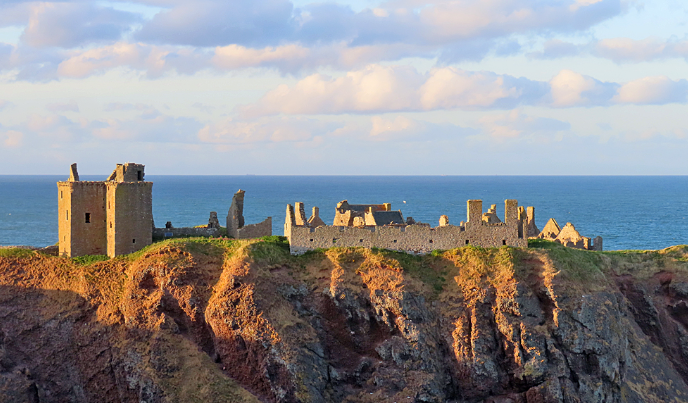
The property is managed closely by historic preservation teams, and Historic Environment Scotland actively maintains the surrounding cliffside walking paths. Photographers looking for the best fairytale wide-shot should walk along the southern coastal path toward the war memorial rather than shooting directly from the main ticket booth.
Also read – 10 Ethereal Places That Look Like a Fairytale & How to Visit
4. The Devil’s Pulpit in Finnich Glen
Finnich Glen, widely known as the Devil’s Pulpit, hides a steep natural gorge where local red sandstone makes the rushing river look completely blood-red. The descent down the ancient, moss-covered stone staircase—known locally as Jacob’s Ladder—remains incredibly slippery and dangerous without proper footwear. You must wear sturdy hiking boots and use the attached rope guides to avoid a severe ankle injury.

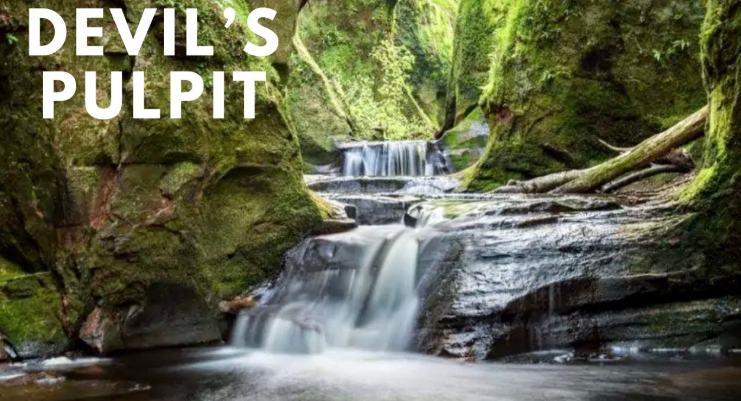
Parking near the glen requires extreme caution because local police actively issue expensive tickets to vehicles blocking the narrow rural highway. Park exclusively in the designated lay-bys and carefully walk along the grass verge to reach the hidden entrance in the forest.
5. The Quiraing on the Isle of Skye
The Quiraing is a massive, active landslip on the Trotternish Ridge featuring jagged rock pinnacles, deep valleys, and hidden grass plateaus. The complete hiking loop takes approximately two hours, offering expansive views across the ocean toward the Scottish mainland. Walkers must immediately turn back to their vehicles if heavy fog or sea mist rolls in, as the steep cliff edges become invisible.

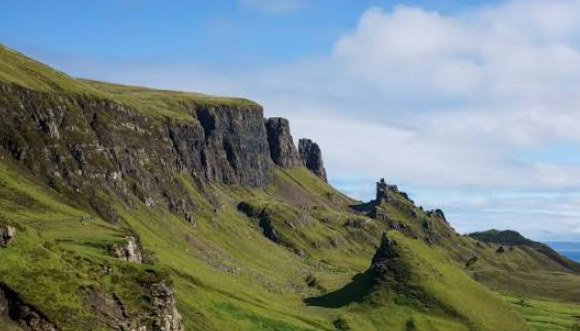
Always check the local wind speeds using the Met Office weather portal before attempting this hike. Strong Atlantic wind gusts routinely knock unaware hikers off balance along the narrow dirt trails.
6. Glenfinnan Viaduct in Inverness-shire
The Glenfinnan Viaduct is a massive 21-arch railway bridge famous for carrying the Jacobite Steam Train over a lush green Highland valley. To photograph the train crossing the bridge while blowing white steam, visitors must hike to the official hillside viewing point at least 30 minutes before the scheduled 10:45 AM or 3:15 PM crossings.

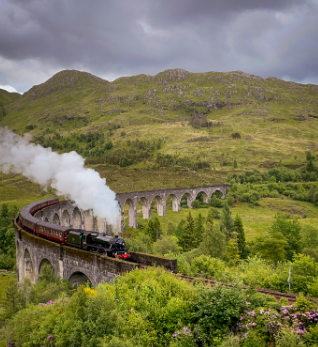
The Forestry and Land Scotland agency manages the surrounding trail network and the main visitor parking lot. Be prepared to pay a standard £5 parking fee, and always carry physical coins because the remote payment machines frequently lose cellular connection.
7. Kilchurn Castle on Loch Awe

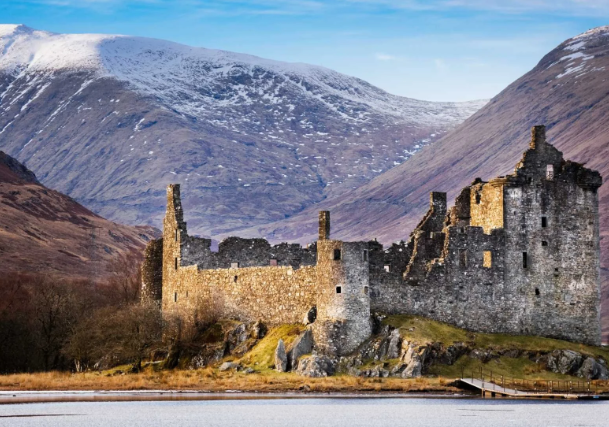
Kilchurn Castle offers a highly photogenic 15th-century stone ruin perfectly positioned on the northern marshy shore of Loch Awe. The absolute best fairytale photographs happen directly at dawn when thick morning mist rolls off the cold loch and completely surrounds the stone tower. Accessing the castle requires a short, flat 10-minute walk from the small gravel pull-off along the A85 highway.
Quick Comparison of 7 Scottish Fairytale Locations
Understanding the basic logistics for each location helps you build a realistic road trip itinerary.
| Ethereal Location | Region | Physical Difficulty | Entry Cost |
| The Fairy Pools | Isle of Skye | Easy (Flat gravel path) | Free (Pay for parking) |
| Fingal’s Cave | Isle of Staffa | Moderate (Boat ride needed) | Varies by boat operator |
| Dunnottar Castle | Stonehaven | Hard (200+ steep steps) | Adult ticket required |
| The Devil’s Pulpit | Stirlingshire | Hard (Extremely slippery) | Free |
| The Quiraing | Isle of Skye | Moderate (Uneven trails) | Free (Pay for parking) |
| Glenfinnan Viaduct | Inverness-shire | Moderate (Hill climb) | Free (Pay for parking) |
| Kilchurn Castle | Loch Awe | Easy (Short flat walk) | Free |