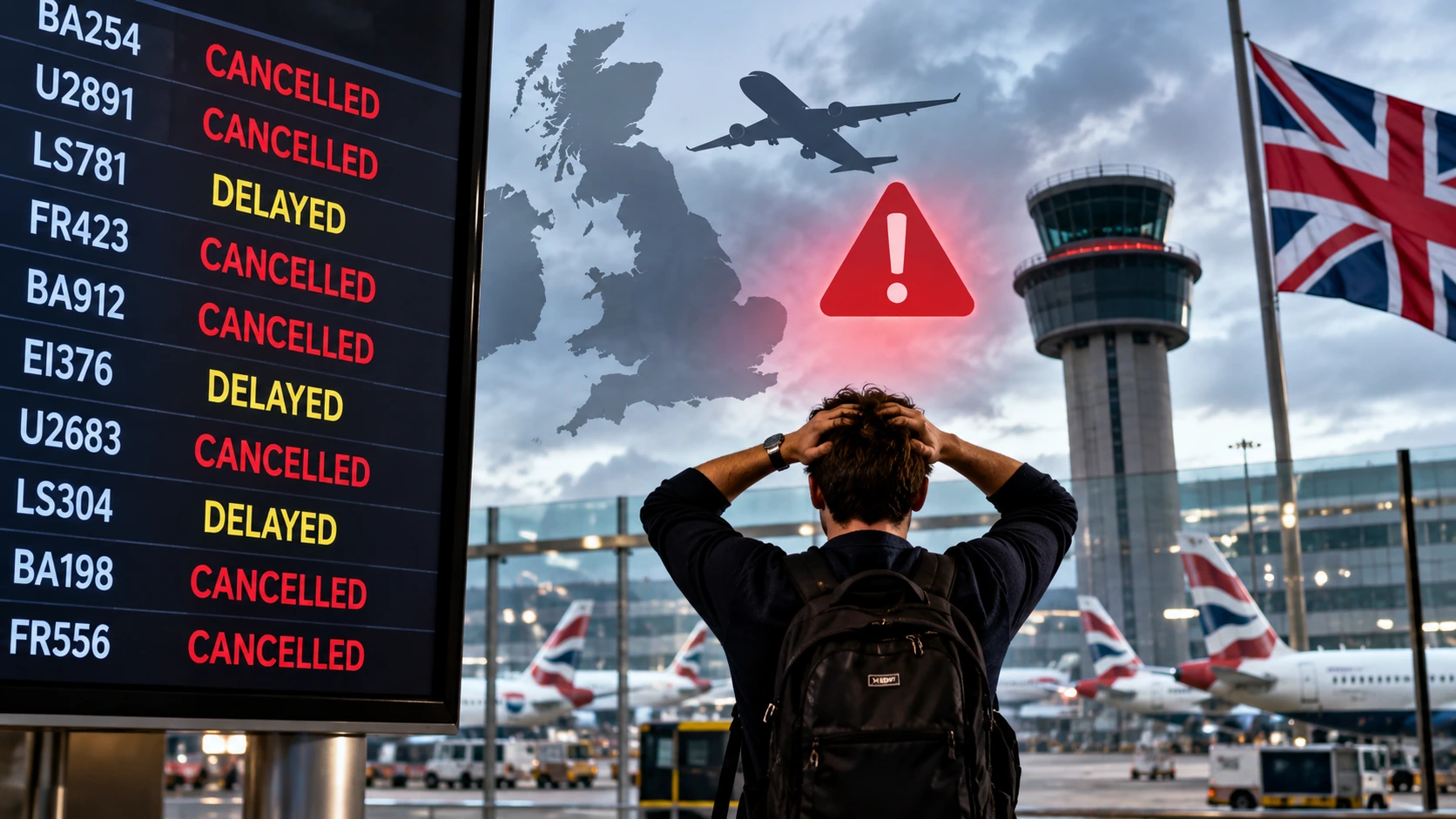
A technical failure in the UK’s air traffic control system cancelled nearly 300 flights on Tuesday 8 September 2026. National Air Traffic Services (NATS) reported a problem in its flight processing system that heavily disrupted departing flights from major airports.

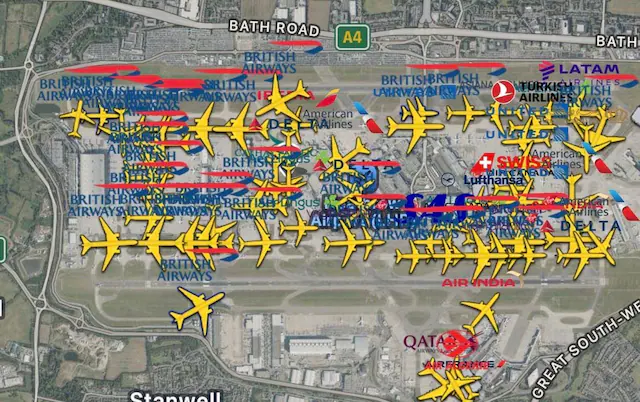
Heathrow, Gatwick, Manchester and Stansted were among the worst affected. Passengers faced long queues, delayed boarding and sudden cancellations as controllers regulated traffic to keep the skies safe. Arrivals continued more normally at first, but the knock-on effects quickly spread.
Anyone who has sat in a departure lounge watching the board turn red knows the sinking feeling. This was one of those days.
What Exactly Went Wrong with UK Air Traffic Control?
NATS identified the issue in its flight processing system early in the afternoon. Engineers were on site and worked urgently to restore normal operations. The agency confirmed that flights were still departing and airspace remained open, but recovery would take time.
The problem primarily hit outbound traffic. Controllers limited the number of aircraft that could take off, which created a backlog that grew through the day. Some inbound flights from Europe were also held or delayed because UK slots were restricted.
Flightradar24 tracked the scale of the disruption and reported nearly 300 cancellations by evening. Multiple airlines, including British Airways, easyJet and Ryanair, confirmed widespread impact.
Which Airports and Airlines Were Hit Hardest?
Major hubs and regional airports all felt the effects. Here is a snapshot of the reported disruption:
| Airport | Key Impact Reported |
|---|---|
| Heathrow | Around 100 cancellations and hundreds of delays |
| Gatwick | Roughly 250 delayed flights (about 31% of operations) |
| Manchester | Significant delays and cancellations |
| Stansted | Delays and cancellations reported |
| Birmingham | Multiple flights affected |
| Edinburgh, Glasgow, Aberdeen | Regional disruption noted |
Ryanair said more than 50 of its flights were cancelled, affecting over 65,000 passengers. easyJet and British Airways also issued warnings and offered rebooking or refund options.
Transport Secretary Heidi Alexander stated that technicians had identified the problem and were fixing it. She acknowledged the frustration for passengers.
Also read – UK Airport eGate Rules Change: Children Can Now Skip Lines …
What Should Passengers Do Right Now?
Check your flight status directly with your airline before heading to the airport. Airport websites and apps lag behind real-time airline data during system-wide events.
Practical steps that help:
- Open your airline app or website and look up your exact flight number.
- If your flight is cancelled, claim a refund or free rebooking under UK and EU passenger rights rules.
- Ask about meal vouchers or hotel accommodation if you are stranded overnight.
- Keep boarding passes, booking references and any delay notices. You may need them for compensation claims later.
- Allow extra time for security and bag drop even if your flight is still showing as operating. Queues build fast when many flights restart at once.
- Contact your travel insurance provider if you have cover for delays or cancellations.
Many passengers who stay calm and act early secure the best rebooking options. Those who wait until they reach the airport often face longer lines at customer service desks.
Why These Failures Feel So Disruptive
UK airspace is dense. When the flight processing system slows or fails, controllers must reduce the flow of aircraft for safety. A problem that lasts only a few hours can still create delays that stretch into the evening and the next day because aircraft, crews and slots fall out of sequence.
This is not the first time NATS has faced technical issues. Previous incidents have also led to widespread cancellations and calls for greater system resilience. Passengers feel the cumulative effect: lost holiday time, missed connections, extra costs and stress.
Real Experience on the Ground
Picture a typical scene. Families with children sit on the floor near the gate. Business travellers pace while on phone calls. Departure boards flash “Delayed” or “Check airline.” Staff move between desks answering the same questions again and again. Some passengers eventually board hours late. Others are told their flight is cancelled and must start the rebooking process from scratch.
The smartest travellers keep essential items in hand luggage, stay near power sockets, and use the airline app rather than relying only on airport screens.
Bottom Line for Travellers
A technical issue in the NATS flight processing system cancelled nearly 300 flights across the UK on 8 September 2026. Heathrow, Gatwick, Manchester and other major airports saw heavy disruption to departures. Recovery took time even after engineers began fixing the problem.
If you are flying in the coming days, check your flight status early and know your passenger rights. System failures of this kind remain part of modern air travel, but clear information and quick action reduce the personal impact.
For official updates, monitor your airline and the NATS website or airport social channels. Passenger rights information is available through the UK Civil Aviation Authority.