
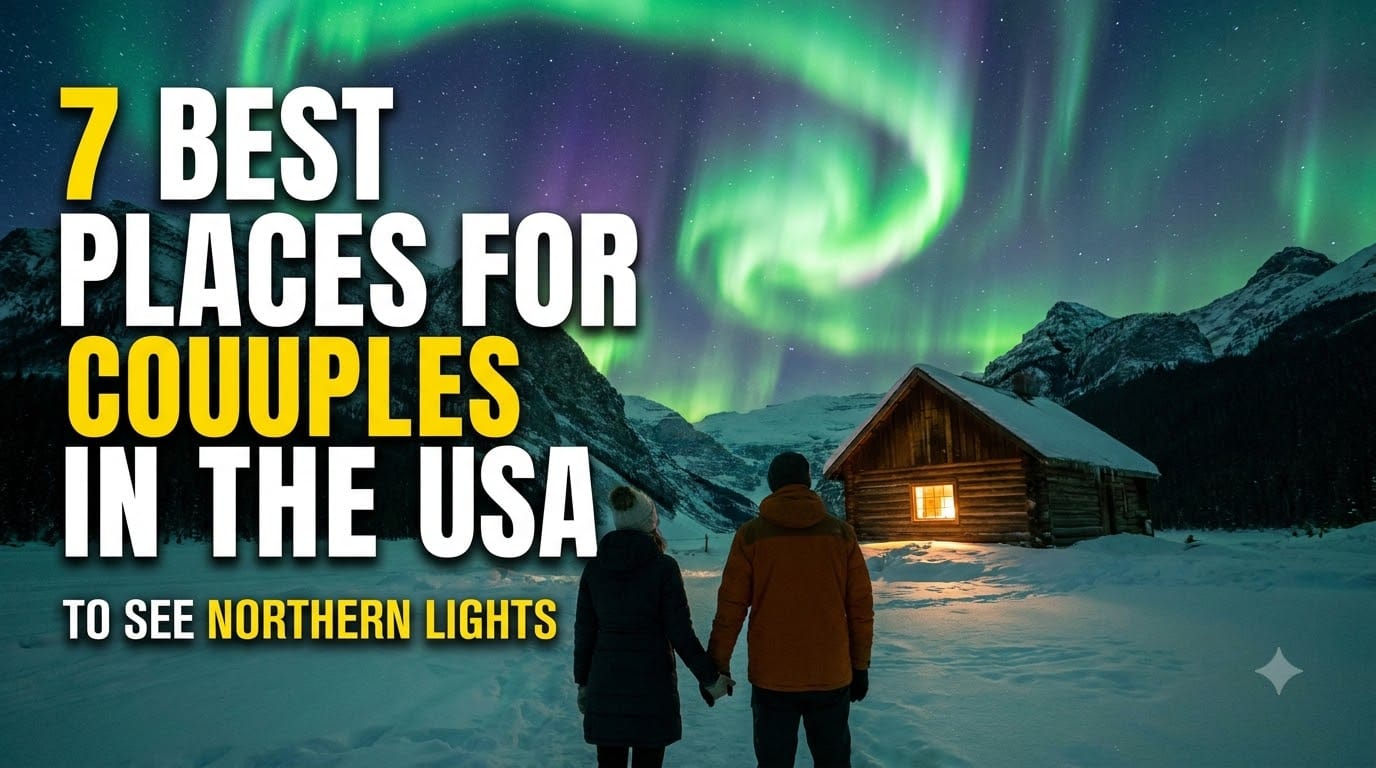
Fairbanks is the best place in the USA for couples traveling specifically to see the Northern Lights. But couples looking for a quieter cabin escape, dramatic mountain scenery or an easier Lower 48 trip also have excellent options in Minnesota, Montana and Michigan.
The important difference is simple: some destinations give you much better aurora odds, while others give you a better overall romantic trip even if the sky stays quiet. Alaska is the strongest choice for reliability; the Lower 48 works better when the aurora is a bonus rather than the entire reason for traveling.
Where Are the Best Places to See Northern Lights in the USA?
| Destination | Best for couples who want | Best general period | Reality check |
|---|---|---|---|
| Fairbanks, Alaska | Best overall viewing odds | Aug. 21-Apr. 21 | Stay at least 3 nights |
| Coldfoot, Alaska | Remote Arctic experience | September & March | Winter travel is demanding |
| Denali, Alaska | Wilderness and dark skies | Mid-Aug.-mid-Apr. | Winter services are limited |
| Voyageurs, Minnesota | Aurora reflected on lakes | Fall-winter | Displays are less predictable |
| Ely, Minnesota | Cabin romance | Fall-winter | Get outside town lights |
| Glacier, Montana | Mountain photography | Strong solar activity | Lower odds than Alaska |
| Isle Royale, Michigan | Remote adventure | Dark nights in open season | Access takes planning |
1. Fairbanks, Alaska: Best Northern Lights Destination for Couples Overall

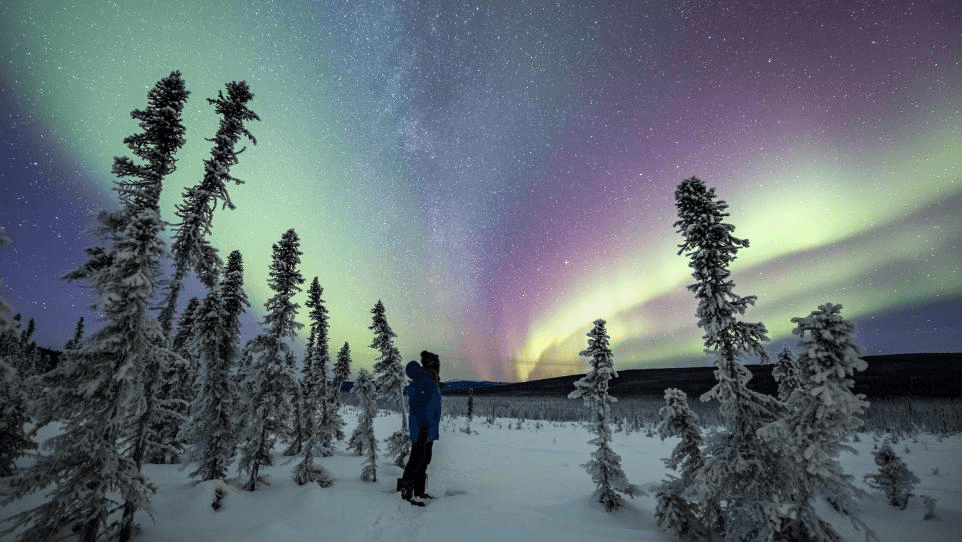
Choose Fairbanks if seeing the aurora is the main reason for your trip. Fairbanks sits beneath the auroral oval, giving travelers considerably better viewing opportunities than most destinations in the continental United States.
The official Explore Fairbanks Aurora Season guide says Aurora Season runs from August 21 through April 21 and notes that visitors who stay several nights and actively watch the sky can greatly improve their chances of seeing a display.
For couples, the smartest booking decision is often adding another night instead of upgrading one hotel night. A beautiful room cannot fix cloud cover, while an extra evening gives the sky another chance to cooperate.
A heated aurora-viewing cabin is also worth considering. Standing outside for short viewing sessions, warming up with a drink and stepping back out when activity strengthens makes the experience much more enjoyable than spending hours inside an idling rental car.
Best for: first-time aurora travelers who want the strongest overall odds.
Also read – The Secret California Beach That Glows Neon Blue at Midnight
2. Coldfoot, Alaska: Best for Couples Who Want a True Arctic Escape

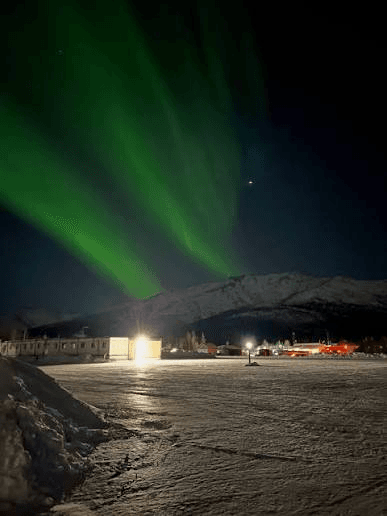
Coldfoot is one of the best choices for couples who want darkness, isolation and a genuine Arctic atmosphere. There is very little urban light, and the enormous northern sky becomes part of the experience.
The Bureau of Land Management’s Coldfoot visitor guidance highlights September and March as particularly appealing periods for aurora viewing because travelers get substantial darkness without necessarily facing the harshest part of deep winter.
The mistake to avoid is treating the Dalton Highway like a normal sightseeing road.
The Bureau of Land Management’s Dalton Highway information makes clear how remote this route is. Services, fuel and communication can be limited, while winter conditions can change quickly.
Couples without serious cold-weather driving experience are better off using guided transportation. A remote Arctic road at night is not the place to learn winter-driving skills.
Best for: adventurous couples who value solitude over luxury.
3. Denali National Park: Best for Wilderness and Dark Skies

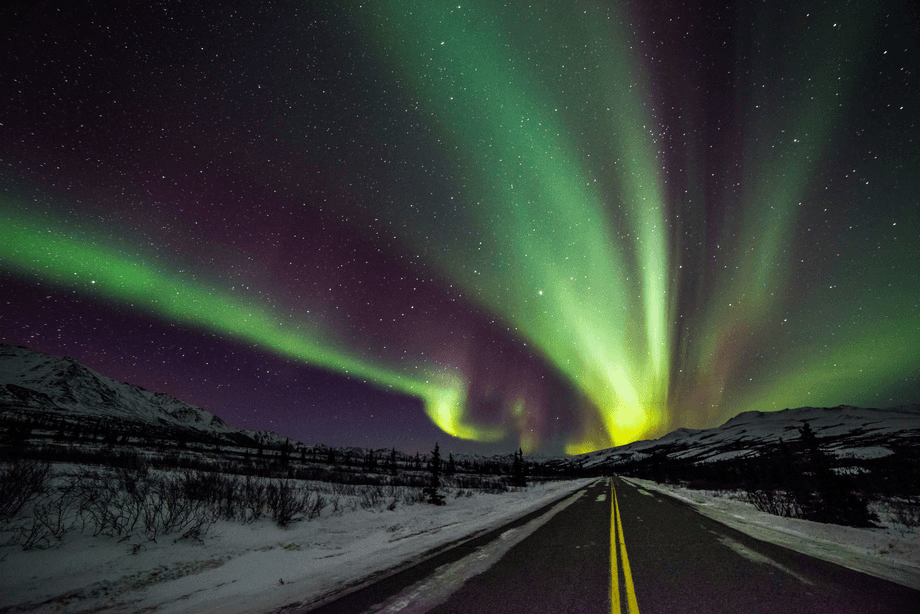
Denali is ideal for couples who want an unforgettable night sky even if the aurora does not appear. The lack of major city light creates genuinely dark conditions, with mountains and wilderness surrounding the viewing experience.
According to the National Park Service’s Denali night-sky guidance, skies are generally dark enough for meaningful aurora watching from around mid-August through mid-April.
One expectation is worth fixing before arrival: the aurora can look more intense on your phone than it does to your eyes. Cameras collect light differently and can reveal stronger greens, purples and structures.
That does not mean the real display is disappointing. Watching a faint arc suddenly begin moving across a completely silent Alaskan sky is often more memorable than the photograph.
Couples should also check current park operations before booking because Denali has fewer visitor services during the colder months.
Best for: couples combining aurora watching with an Alaska wilderness trip.
4. Voyageurs National Park, Minnesota: Best for Northern Lights Reflected on Water

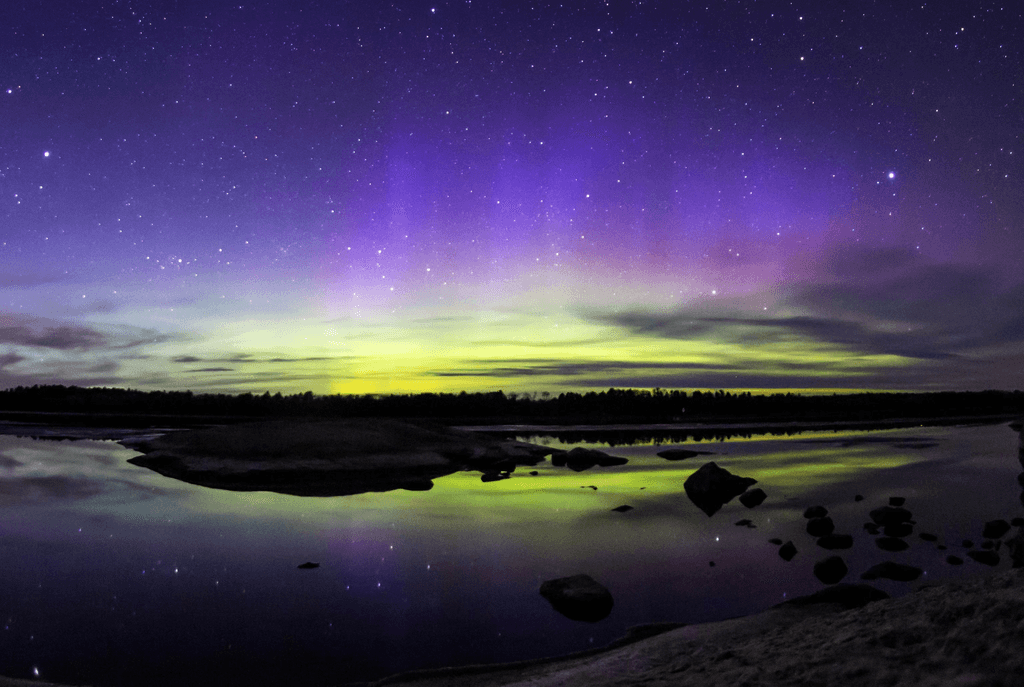
Voyageurs is one of the strongest Lower 48 choices for couples because its open lakes provide wide northern horizons and beautiful reflections when the aurora appears.
The National Park Service’s Northern Lights guide for Voyageurs explains that a successful night requires the right combination of aurora activity, clear weather and dark skies.
That last point matters more than many travelers expect. A strong aurora forecast is useless if thick clouds sit above the park.
For couples visiting in colder months, scout your viewing location before sunset. Find the parking area, check the path and identify the safest place to stand while you can still see properly.
Searching for an unfamiliar icy shoreline at midnight using a phone flashlight is an easy way to turn a romantic night into unnecessary stress.
Best for: couples who want water reflections without traveling to Alaska.
5. Ely and Boundary Waters, Minnesota: Best Romantic Cabin-and-Aurora Escape

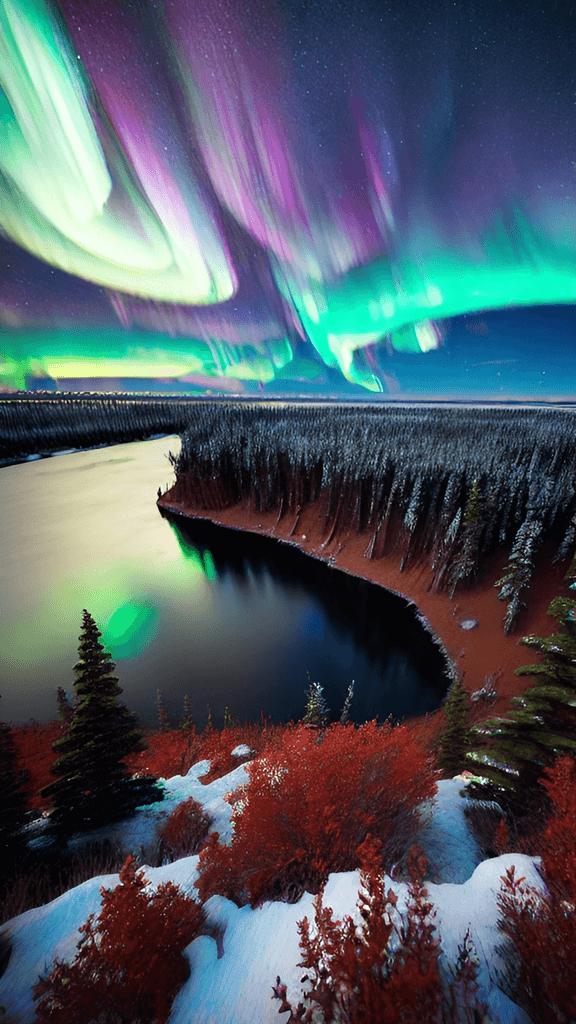
Choose Ely if you want a Northern Lights trip that still feels special when no aurora appears. Cabins, forests, quiet lakes and dark skies make the destination worthwhile on its own.
The Boundary Waters Canoe Area Wilderness is recognized by DarkSky International as an International Dark Sky Sanctuary, covering an enormous wilderness with exceptionally little artificial light.
This is where accommodation location matters.
A simple cabin farther outside town can offer a better night-sky experience than a more luxurious property surrounded by outdoor lighting. When comparing places to stay, ask whether porch lights can be switched off and whether the property has an open view toward the north.
Another small advantage of lake country is the horizon. Standing near open water often gives you a much clearer northern view than standing among dense trees.
Best for: couples who want privacy, a cabin and the possibility of aurora rather than an aggressive aurora-chasing itinerary.
6. Glacier National Park, Montana: Best for Mountain-and-Aurora Photography

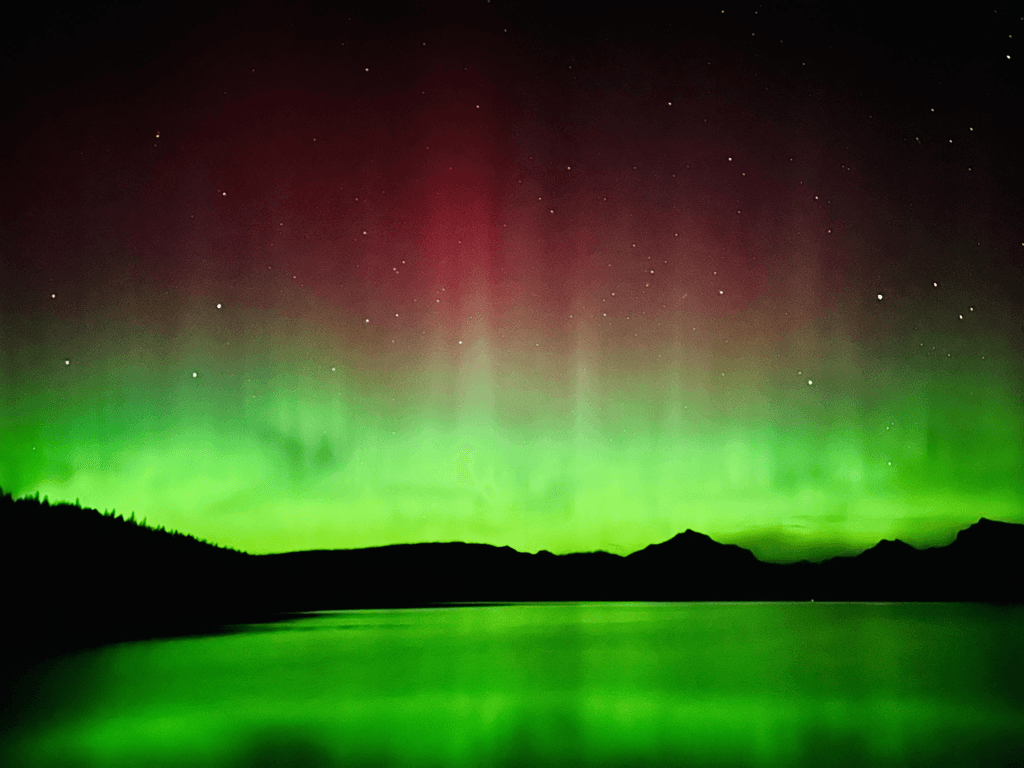
Glacier National Park is best for couples who care almost as much about the landscape as the Northern Lights. Mountains, lakes and broad northern horizons can make even a moderate aurora display look spectacular.
The National Park Service’s Glacier photography advice identifies areas such as Lake McDonald and the North Fork as useful places for northern night-sky views.
But travelers need realistic expectations.
Montana does not offer Fairbanks-level aurora reliability. Displays this far south generally need stronger geomagnetic activity, so do not plan an expensive Montana trip solely around seeing green skies.
Instead, build a trip you would happily take anyway. Hike, explore the park, spend evenings by the lake and treat a Northern Lights appearance as the exceptional bonus.
Best for: photographers and couples already planning a Glacier getaway.
7. Isle Royale, Michigan: Best for Adventurous Couples Who Want Isolation

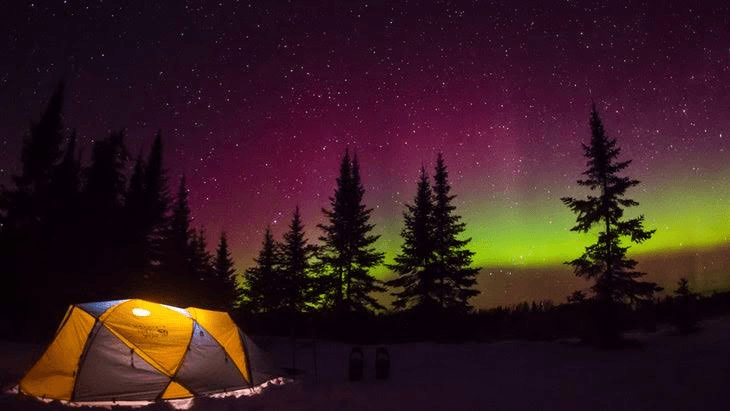
Isle Royale is one of the most interesting Northern Lights destinations for couples who prefer genuine isolation over easy access. Its remote position in Lake Superior keeps artificial light low and gives visitors expansive dark skies.
The National Park Service’s Isle Royale information highlights the park’s remote wilderness setting, which is exactly what makes nighttime viewing so appealing.
The disadvantage is logistics.
This is not a destination where you casually drive to a viewpoint after dinner. Transportation, seasonal access, overnight arrangements and weather all require advance planning.
That inconvenience is also part of the appeal. Once the day’s visitors and transportation noise disappear, the island can feel remarkably removed from ordinary travel.
Best for: experienced outdoor couples who want the trip itself to feel like an expedition.
What Is the Best Time to See Northern Lights in the USA?
Late August through early April is the most practical overall window for an Alaska Northern Lights trip because nights are long enough for proper viewing. In the Lower 48, fall, winter and early spring also provide longer darkness, but stronger solar activity is usually needed.
Before leaving your hotel or cabin, check two things:
- Cloud cover
- Aurora activity
Cloud cover should come first. A powerful geomagnetic event cannot be seen through a solid layer of clouds.
For current aurora conditions, the official NOAA Space Weather Prediction Center provides aurora forecasts and space-weather information used by serious sky watchers.
Do not make the common mistake of obsessing over one forecast number. Aurora forecasts change, local cloud conditions vary and displays can strengthen or weaken surprisingly quickly.
How Many Nights Should Couples Book for a Northern Lights Trip?
Book at least three nights if the Northern Lights are an important part of the vacation, and four or five nights is safer when budget and schedule allow.
One night leaves too much to chance.
Even during a strong aurora period, you can lose an evening because of:
- Heavy cloud cover
- Snow
- Poor visibility
- Weak activity during your viewing hours
- Exhaustion after a long travel day
A useful planning trick is to put your most demanding daytime activities near the beginning of the trip. If the aurora finally appears at 1 a.m. on your third night, you will appreciate not having an early-morning excursion booked six hours later.
6 Northern Lights Tips Couples Usually Learn After the First Night
The best aurora experience comes from preparation rather than chasing every forecast update.
- Find your viewing location in daylight. You will already know where to park and where the safe walking areas are.
- Choose an open northern horizon. The darkest spot is not automatically the best spot if trees, mountains or buildings block your view.
- Protect your feet first. Insulated boots and warm socks often matter more than adding another jacket.
- Carry hand warmers and a hot drink. Aurora watching involves considerably more standing around than most first-time visitors expect.
- Dim your phone screen. Bright screens interfere with night vision and can make faint aurora harder to notice.
- Do not chase the lights onto unsafe roads. A slightly weaker view from a known, safe location is better than getting stranded in freezing conditions after midnight.
Which Northern Lights Destination Is Best for Couples?
Fairbanks is the clear winner if actually seeing the Northern Lights matters most. Choose Coldfoot for Arctic isolation, Denali for wilderness, Voyageurs for lake reflections, Ely for cabins, Glacier for mountain scenery and Isle Royale for adventure.
The smartest romantic Northern Lights trip follows one final rule:
Choose a destination where you would still be happy spending several days together even if the sky never turns green.
That removes the pressure from each evening—and makes the moment the lights finally appear feel even better.