
Flying to Japan from the USA is straightforward for most American tourists, but several small decisions before departure can save time—and prevent problems after landing. The essentials are your passport, Japan’s online arrival system, medication rules, airport transfer, money, customs and luggage plan.
Here is what travelers should actually complete before boarding a flight to Japan.
| Do before flying | Why it matters |
|---|---|
| Check passport and visa status | Prevent airline or immigration problems |
| Complete Visit Japan Web | Simplifies arrival procedures |
| Check every medication | Some U.S. medicines are restricted |
| Know your arrival airport | Haneda and Narita require different plans |
| Prepare card + yen + IC payment | One payment method is not always enough |
| Review customs rules | Avoid declaration mistakes |
| Plan large luggage | Tokyo trains are easier without huge bags |
1. Do US Citizens Need a Visa for Japan in 2026?
U.S. passport holders traveling for short-term tourism generally do not need a visa for stays of up to 90 days. The Embassy of Japan in the United States explains Japan’s current visa requirements for American travelers entering for short, unpaid visits.

One detail catches travelers by surprise: Japan does not generally apply a six-month passport-validity rule to U.S. tourists. Your passport should remain valid throughout your intended stay, although travelers should always confirm requirements before departure.
Keep your return or onward-flight details accessible on your phone. Immigration officers can ask about your travel plans, and finding the information takes seconds when it is already saved offline.
Also read – Japan’s 2026 Tourist Tax Has a Hidden $45 Catch Nobody Knows …
2. Complete Visit Japan Web Before Flying From the USA
Complete Visit Japan Web before departure instead of doing arrival paperwork while tired after a long trans-Pacific flight. Japan’s Digital Agency explains that Visit Japan Web allows travelers to prepare information used for immigration and customs procedures.

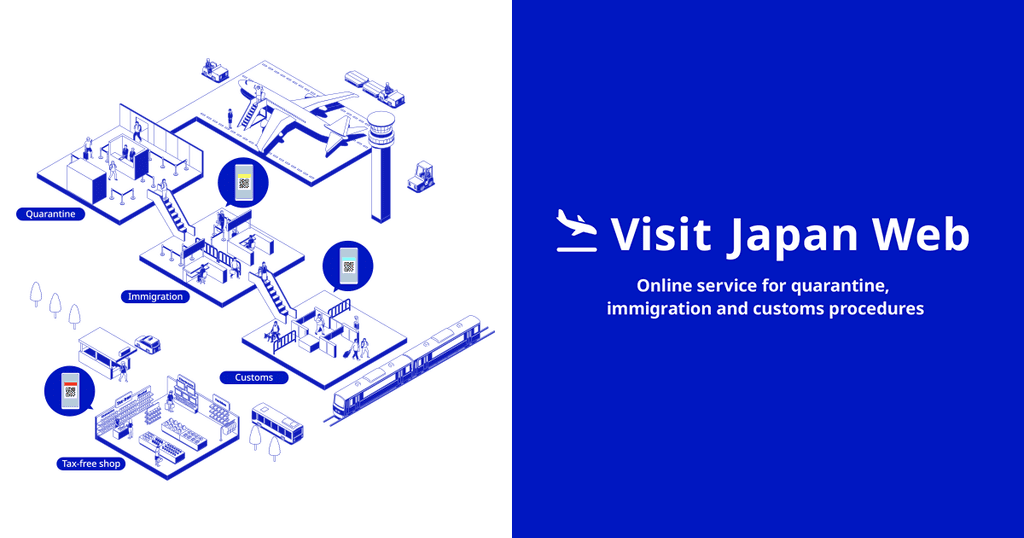
A small preparation step makes arrival easier: save the necessary QR information somewhere accessible before landing rather than depending entirely on airport Wi-Fi.
Visit Japan Web does not replace your passport. Keep your physical passport easily reachable rather than buried inside checked or tightly packed cabin luggage.
3. Check Your Medication Before Packing for Japan
Never assume medicine that is legal in the United States can automatically be brought into Japan. Prescription drugs, stimulants, narcotics and other controlled medicines can be subject to different Japanese rules.
Japan’s Ministry of Health, Labour and Welfare publishes guidance for travelers bringing medicines into Japan, including when advance permission or an Import Confirmation may be necessary.
The smarter way to check medication is by active ingredient rather than American brand name. Brand names can differ between countries, while authorities regulate the substance itself.
Keep prescription medicines in their original labeled packaging and carry documentation when appropriate.
4. Haneda or Narita? Know Your Tokyo Airport Before Landing
Haneda is substantially closer to central Tokyo than Narita, so your arrival airport changes the first-night plan.


The official Japan National Tourism Organization guide to Haneda Airport explains the airport’s convenient connections to central Tokyo, while its Narita Airport guide covers the longer journey from Narita into the city.
This matters particularly on evening flights.
A cheap ticket arriving at Narita late at night can stop feeling cheap if you miss convenient rail services and need a more expensive transfer.
Before leaving the USA, know three things:
- Which airport you land at
- Which terminal you arrive in
- How you will reach the hotel if immigration takes longer than expected
Do not schedule an important dinner or timed reservation shortly after arrival.
Also read – Japan Reclaims the Number One Spot on the 2026 Passport Index
5. Should You Carry Cash or Use Cards in Japan?
Use a combination of a credit card, access to Japanese yen and an IC transit card. Japan has become much easier for cashless travelers, but cash remains useful in smaller shops, rural areas and certain traditional businesses.
The Japan National Tourism Organization’s cashless payment guide explains how cards and electronic payments are commonly used while also noting situations where cash remains useful.
For everyday transportation, prepaid cards such as Suica and PASMO can make travel dramatically easier. The JNTO guide to IC cards explains how they can be used for transportation and many small purchases.
Best arrival setup: one working credit card, access to yen and an IC payment option.
That combination prevents the awkward moment of discovering your preferred payment method is not accepted.
6. What Do Travelers Need to Declare at Japan Customs?
Every arriving traveler must complete Japan’s customs process, even when there is nothing unusual inside the suitcase.
The official Japan Customs passenger clearance guide explains the declaration process and what travelers should expect when entering the country.
Pay particular attention if you are carrying:
- Large amounts of cash
- Medicines
- Meat or animal products
- Plants or agricultural products
- Restricted or controlled items
Japan has strict biosecurity and import rules, so “I bought it legally in America” is not proof that it can legally enter Japan.
When uncertain about an item, check before packing rather than hoping it passes customs.
7. Send Large Suitcases Ahead Instead of Dragging Them Through Tokyo
Luggage forwarding is one of the most useful Japan travel habits for visitors arriving with large suitcases. Japan’s official tourism guidance on luggage services explains options for storing and forwarding baggage during a trip.
The benefit becomes obvious after a 12-hour flight.
Imagine navigating a busy station, finding the correct platform, using an escalator and making a subway transfer while handling two oversized suitcases. It can turn an otherwise easy journey into the most stressful hour of the day.
When luggage forwarding fits your itinerary, keep one smaller bag with essentials:
- Passport and travel documents
- Prescription medication
- Chargers
- One change of clothing
- Valuable electronics
- Anything needed that evening
Never forward something you cannot comfortably be without until the bag arrives.
What Should Americans Do Before Flying to Japan?
Finish the important arrival decisions at home, not after your plane lands.
Before leaving for the airport, confirm:
- Passport valid for the full trip
- Current visa eligibility
- Visit Japan Web information completed
- Prescription medicines checked
- Haneda or Narita transfer planned
- Credit card and yen access available
- First-night hotel details stored offline
The hotel address is particularly worth saving in both English and Japanese. If your phone connection fails, showing the written address to airport staff or a taxi driver is much easier than trying to pronounce an unfamiliar neighborhood after an overnight flight.
The Japan Arrival Mistake Most First-Time Travelers Can Avoid
Do not make your first day too ambitious. Immigration queues, baggage collection, airport transfers and jet lag can turn a seemingly early arrival into a surprisingly tiring day.
Instead of booking a packed sightseeing schedule immediately after landing, use your first evening for practical tasks:
- Check into the hotel
- Set up transportation payments
- Withdraw a small amount of yen
- Buy water or breakfast supplies
- Walk around the neighborhood
- Sleep at a sensible local time
You have crossed the Pacific. The goal of arrival day is not to “win” Tokyo—it is to make the next morning easy.