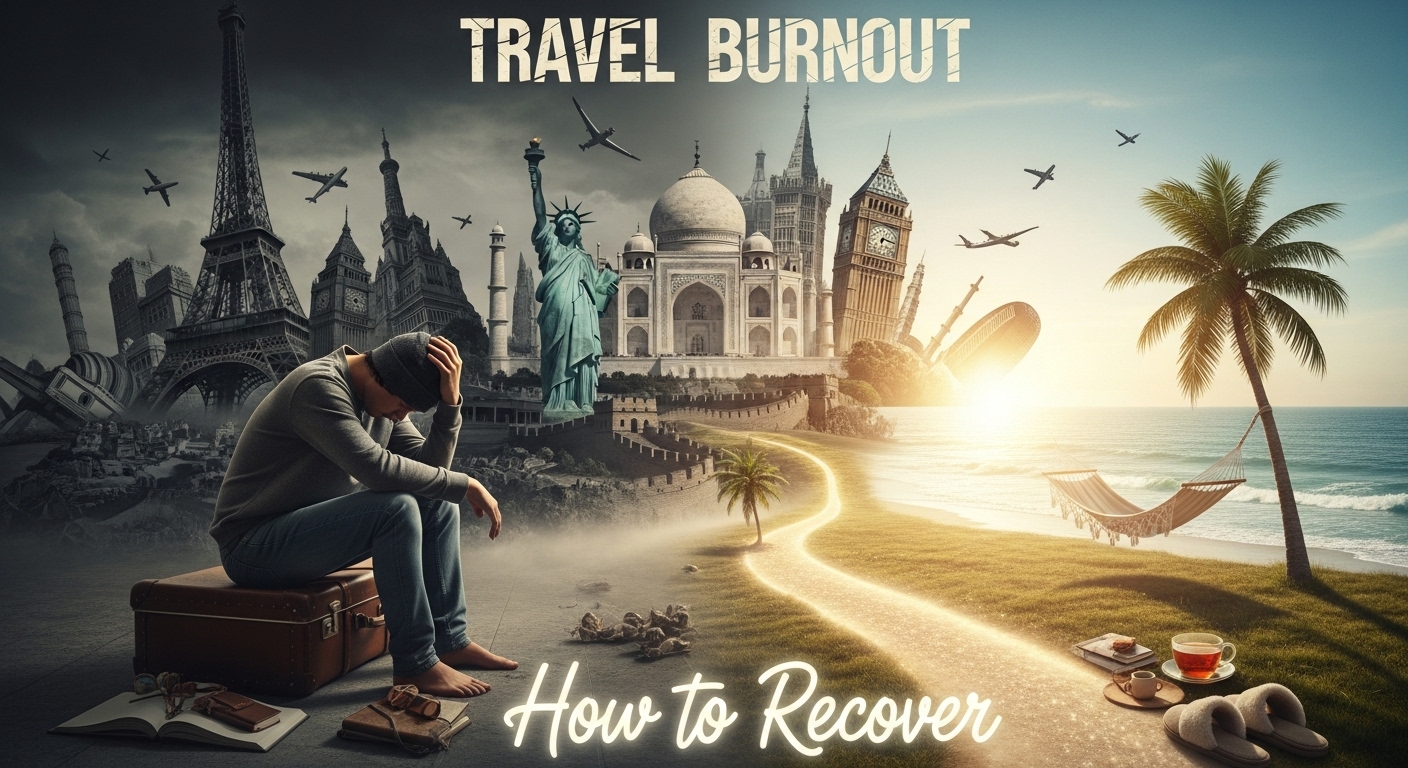
Daily travel can change lives and spark new perspectives, but too many intense experiences without pause may lead to travel burnout. The real threat is not just exhaustion but the joyless feeling that makes adventure seem overwhelming. Knowing the top signs helps travelers act early, stay healthy, and enjoy journeys completely. This guide gives direct answers to common traveler questions on travel burnout and shares proven ways to recover.

Travel Burnout Signs and Recovery Options
Chronic Fatigue That Rest Cannot Fix
When sleep does not recharge, and rest only provides minor relief, it signals burnout more than simple tiredness. True travel burnout leaves people drained no matter how much they rest. Frequent time zone changes, constant motion, and never feeling settled all lead to chronic fatigue. Travelers who cannot find energy for sightseeing, socializing, or regular activities may face burnout.
Tip: Stay in one place for longer periods. Focus on sleep hygiene—dark rooms, regular bedtimes, and reduced caffeine. Learn more about sleep management.
Loss of Excitement and Motivation
Travel burnout quickly removes enthusiasm for exploring new places. Activities that once brought joy feel dull. If the idea of visiting a famous landmark feels taxing, or if daily plans seem pointless, this is a classic burnout sign. Losing motivation to take photos, plan the next steps, or chat with locals shows mental fatigue.
Tip: Try slow travel, allowing for deeper connection with each destination. This reduces anxiety and brings fresh joy. Get slow travel tips.

Mood Swings, Irritability, and Overwhelm
Irritation and emotional ups and downs often accompany travel burnout. Minor problems, from noise in hostels to confusion with transport, may cause frustration. Many travelers start feeling overwhelmed by details—packing, booking, finding meals, navigating new languages.
Tip: Create simple routines. Keep a packing checklist, stick to daily rituals like morning walks, and journal feelings. Mindful organization lowers anxiety. Read about gentle routines.
Persistent Homesickness and Loneliness
Missing home reaches new levels as travel burnout sets in. Homesickness is more than sadness—it’s a strong desire for comfort, security, and familiarity. For some, burnout means feeling alone even in lively crowds. This stems from constant change and lack of personal space.
Tip: Connect regularly with family via calls or messages. Stay in social hostels or join community events. Booking a private room for a week can restore personal space. Explore ways to stay connected
Decision Fatigue and Indecisiveness
Travel burnout often manifests as difficulty making decisions, known as decision fatigue. Simple choices—where to eat, which tour to book, how to get around—become stressful or impossible. The brain feels foggy; travelers lose interest in planning.
Tip: Use planner apps and keep a shortlist of trusted venues. Limit choices by pre-selecting top three options. Embrace days with zero plans. Discover decision hacks.
Physical Symptoms: Headaches, Stomach Upsets
Burnout leads to health problems. Frequent headaches, upset stomachs, body pain, and colds often signal deeper stress. Constant travel exposes people to irregular meals, dehydration, and poor sleep—all undermining immunity.
Tip: Prioritize hydration and nutrition. Carry refillable water bottles, eat fruits and vegetables regularly, and avoid excessive drinking. Take breaks for daily stretching or gentle yoga. See more wellness advice.

Indifference to Cultural Experiences
Burnout can make travelers indifferent, feeling no curiosity about new places or cultures. Museums, local foods, music, and art fail to spark interest. This numbness often points to underlying travel fatigue.
Tip: Take breaks from sightseeing for reflection. Pick one unique cultural activity per week, focusing on depth rather than breadth. Deepen cultural connections
Common Travel Burnout Questions and Expert Answers
What are quick early warning signs that travelers should watch for?
- Feeling tired after small tasks
- Avoiding social interactions
- No excitement for upcoming destinations
- Difficulty making simple plans
Can travel burnout lead to depression or anxiety?
Yes, emotional symptoms can mirror depression and anxiety. Long-term burnout may require professional help. Mental health travel tips.
Does traveling with friends prevent burnout?
Not always. Burnout can affect groups and solo travelers alike. Open communication helps, but individual needs matter most.
How fast can travel burnout develop?
For most, it starts after several weeks of intensive travel. Crowded schedules, long itineraries, and poor sleep are risk factors.
How long does recovery take?
Recovery is different for everyone. Some feel better after a day off, others need weeks at home. Listen to signals from mind and body.
Are digital nomads at higher risk?
Remote workers often juggle job deadlines with new locations. Balancing work and travel demands careful routine and time management.
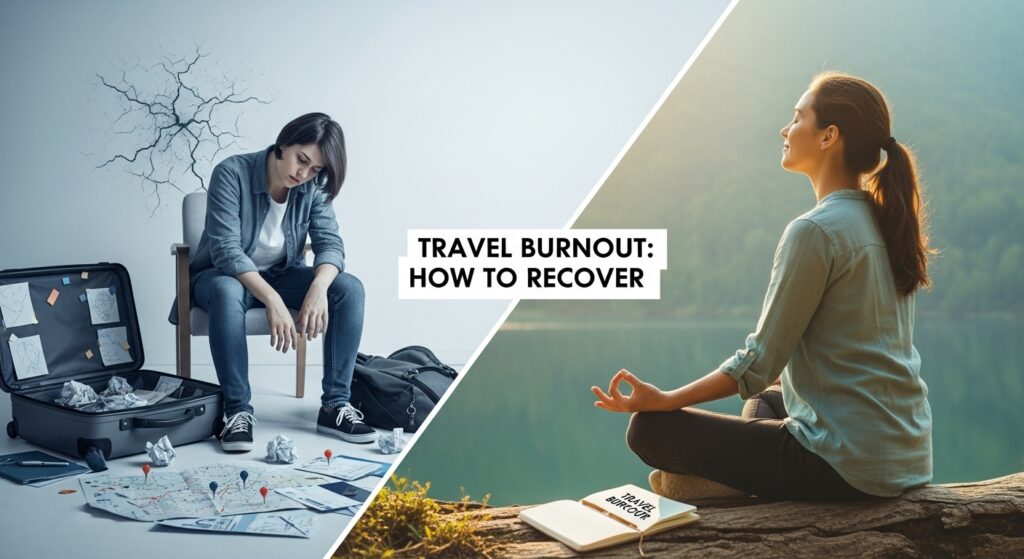
How to Recover: Action Steps That Work
Burnout recovery is personal. These actionable steps help travelers reset, recharge, and return to joyful experiences.
Pause and Stay in One Place
Stopping movement is key. Book a longer stay in a comfortable spot. Do less for a few days or weeks—skip tours and enjoy simple pleasures.
Infographic Summary:
- Book minimum one week at one address
- Cancel or postpone activities for 3 days
- Explore neighborhood slowly
- Practice gratitude journaling each morning
Reconnect With Support Systems
Reach out to family, friends, and fellow travelers. Emotional support is as important as physical rest. Regular calls and honest chats help restore positivity.
Practice Self-Care and Wellness
Daily self-care repairs stress:
- Sleep 8+ hours nightly
- Drink plenty of water
- Eat balanced, fresh meals
- Exercise gently
- Set device-free hours
Build Gentle Routines
Build routines that provide structure:
- Wake up at the same time each day
- Take regular walks
- Keep a simple journal
- Cook a favorite meal
Limit Social Demands
Skip parties or big gatherings. Choose rest and solitude as needed. Say “no” to schedules that feel draining.
Rediscover Local Joy
Find tiny, joyful moments with locals. Cafés, parks, or markets offer simple engagement. Attend a community class or cultural event.
Consider Taking a Break or Returning Home
If burnout persists, returning home may help. A short break resets the mind and body. Travel remains; good health comes first.
Preventing Travel Burnout: Proactive Strategies
- Schedule rest days between excursions
- Travel slower; skip crowded itineraries
- Journal moods and symptoms for early self-check
- Use reliable resources for mental health support
- Stay flexible—adjust plans when energy drops
- Accept that rest is part of the adventure
Updates: New Solutions for Travel Burnout
More wellness programs for travelers are available. Apps offer guided relaxation, meditation, and sleep support. Companies design tours with built-in free days. Mindful travel is now recommended by many industry experts. Policy changes promote healthy schedules and better options for long-term travelers.
Key Takeaway: Recognize burnout early using the 7 clear signs. Take action with proven steps: slow down, make routines, reach for support, and embrace rest. Recovery is personal. Healthy journeys lead to richer stories and lasting joy.
For trusted advice, visit BBC Storyworks travel health, Sleep Foundation, and the Travel Fatigue Guide.
Start prioritizing wellness. Travel for discovery, not exhaustion.