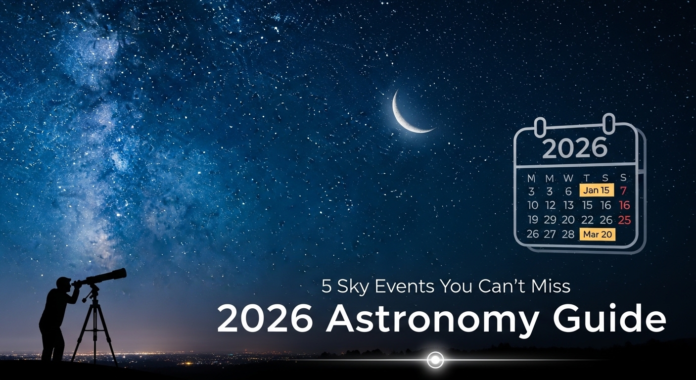
Key Highlights
- March 2026 features multiple visible planets, a meteor shower, and a lunar eclipse.
- Best viewing windows fall between March 10 and March 25.
- Minimal equipment needed for most events; several are visible to the naked eye.
- Peak stargazing nights align with the new moon phase for darker skies.
March 2026 brings a rare mix of bright planets, a meteor shower, and a lunar eclipse visible from several regions worldwide. According to the March 2026 astronomy guide published by Travel + Leisure, skywatchers will have multiple chances to witness striking celestial events throughout the month.
Whether you are a beginner or seasoned stargazer, this month offers some of the most accessible and visually rewarding sky events of 2026.
What Are the Major Astronomy Events in March 2026?
March 2026 will feature a visible lunar eclipse, a meteor shower peak, and bright planetary alignments including Venus, Jupiter, and Mars. Most events are visible without telescopes, especially during mid to late March when moonlight interference is minimal.
1. Lunar Eclipse (Mid-March 2026)
A lunar eclipse will headline the month. During this event, Earth’s shadow will partially or fully cover the Moon, giving it a reddish hue often called a “Blood Moon.”
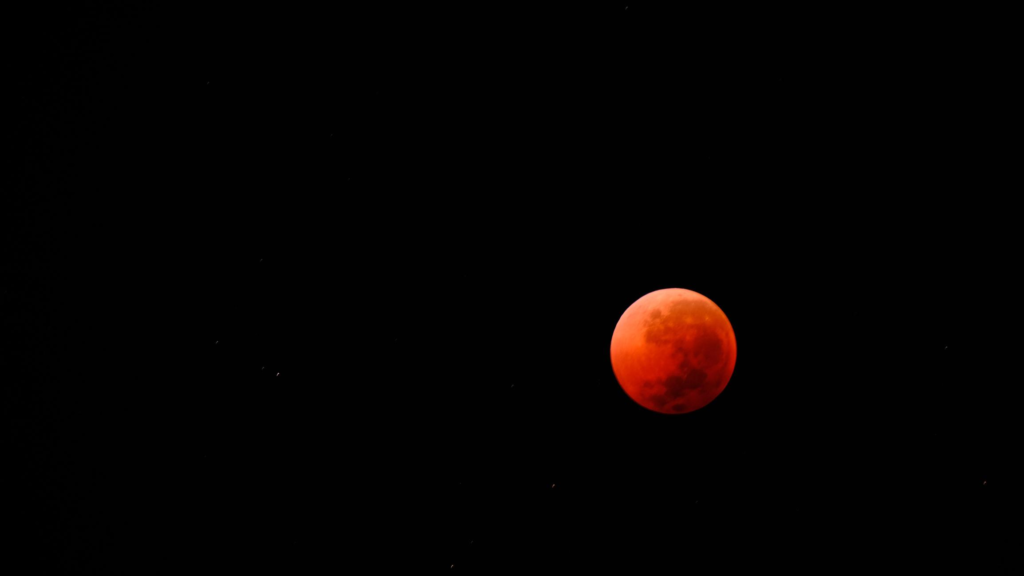
Best viewing conditions are expected in regions with clear night skies and minimal light pollution.
2. Planetary Visibility: Venus, Jupiter, Mars
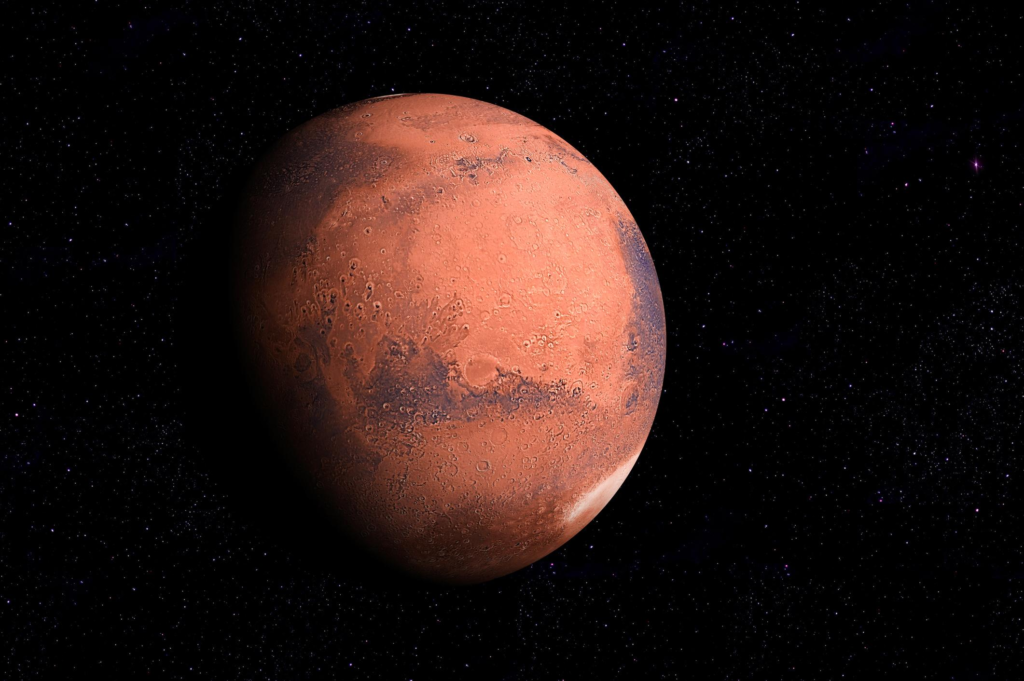
March evenings will showcase bright planetary pairings. Venus shines prominently after sunset, while Jupiter remains visible high in the sky. Mars appears as a distinct reddish point.
These planetary alignments create excellent photo opportunities and are visible without advanced equipment.
3. March Meteor Shower Peak
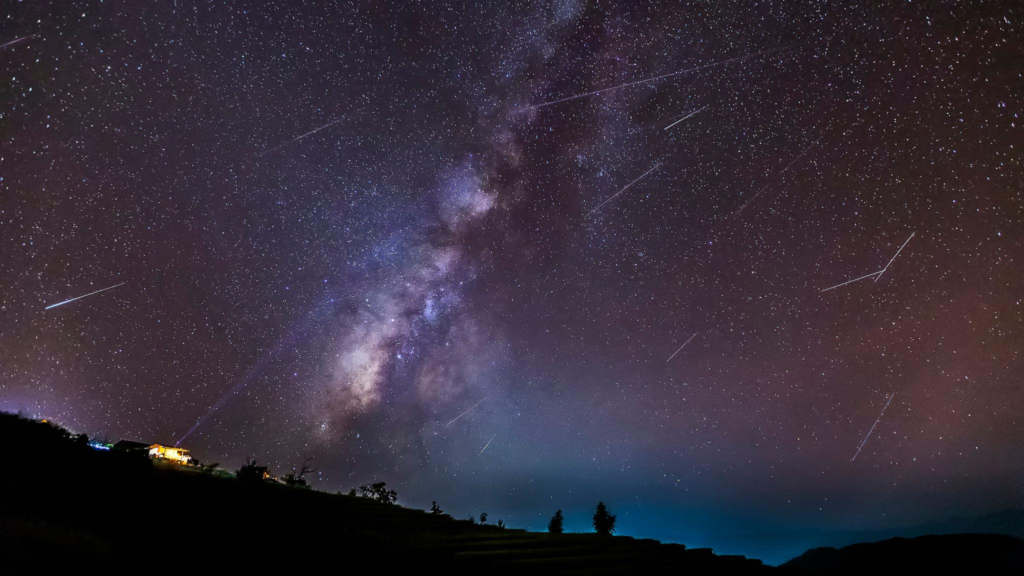
A March meteor shower will reach peak activity in the second half of the month. Stargazers may see several meteors per hour under dark skies.
The best time to watch is after midnight when Earth rotates into the meteor stream.
Also read – 10 Days You Can Enter Any US National Park for Free in 2026
Why March 2026 Is Special for Stargazers?
March 2026 is unique because multiple bright planets and a lunar eclipse occur within weeks of each other. Combined with favorable moon phases, this creates darker skies and improved visibility for casual observers and astrophotographers alike.
This combination of events rarely aligns so conveniently in a single month. With spring approaching in the Northern Hemisphere, temperatures are also more comfortable for outdoor viewing.
Best Dates to Mark on Your Calendar
| Date Range | Event | Visibility |
|---|---|---|
| Early March | Venus & Jupiter Bright Evenings | Naked Eye |
| Mid-March | Lunar Eclipse | Naked Eye |
| Late March | Meteor Shower Peak | Best After Midnight |
Viewing Tips for Beginners
- Choose a dark location away from city lights.
- Allow 20–30 minutes for your eyes to adjust.
- Use astronomy apps to track exact rise and set times.
- Bring binoculars for enhanced lunar and planetary detail.
Upcoming Astronomy Trends in 2026
Astronomy interest is rising globally due to increased astrophotography on social media and improved smartphone night modes. Experts predict 2026 will see record participation in skywatching events, especially with upcoming eclipses and planetary groupings.
Space agencies and observatories are also expanding public outreach programs, making astronomy more accessible than ever.
What is the most important sky event in 2026?
The total lunar eclipse and Blood Moon on March 3 is the standout event of the month and one of the biggest astronomical events of the decade. It is the only total lunar eclipse of 2026 and the last one visible from anywhere on Earth until 2028, making it genuinely unmissable for anyone who can see a clear sky.
Where can you see the March 3, 2026 Blood Moon lunar eclipse?
The Blood Moon is visible across most of North America (best from the western US), Australia, New Zealand, East Asia, and the Pacific. Eastern US and Canadian viewers may see the Moon setting as totality occurs, so an unobstructed western horizon view is essential for those locations.
What is the Venus-Saturn conjunction in March 2026?
On March 5, Venus and Saturn appear extremely close together in the western sky just after sunset. Venus is the brightest object in the evening sky after the Moon, and Saturn hangs beside it with a distinctive golden glow. No telescope is needed and a smartphone camera can capture the pairing easily.
What is the Spring Equinox and when does it happen in 2026?
The Spring Equinox on March 20, 2026 is the moment when day and night are nearly equal in length and the Northern Hemisphere begins tilting toward the Sun. For astronomers, it also marks the start of galaxy season when the Virgo Galaxy Cluster becomes accessible in the evening sky.
Is the Gamma Normid meteor shower worth watching?
The Gamma Normids are a subtle shower producing around 6 meteors per hour at peak, best seen from the Southern Hemisphere after midnight. It is not a spectacular display like the Perseids, but under dark skies it is a satisfying late-night watch, especially combined with the March 17-22 dark sky window.
What moon phase is best for stargazing?
The new moon phase provides the darkest skies and optimal meteor viewing.

