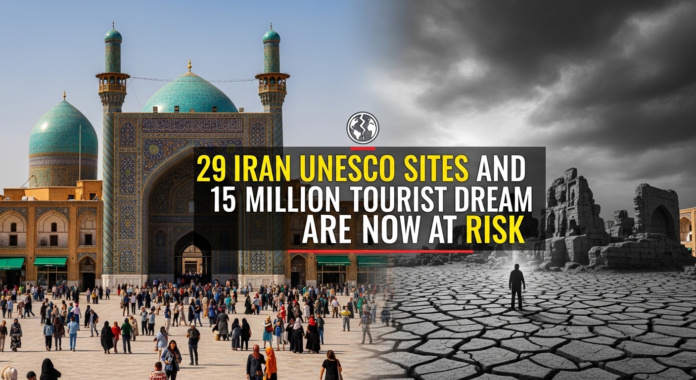
Before the war reached Iran’s cities and heritage zones, the country was trying to tell a very different story to the world. It was a story about caravanserais, turquoise domes, mirrored palaces, desert railways, and a tourism economy that officials hoped could grow to 15 million foreign visitors by the end of the Seventh Development Plan. Now that story has been interrupted by strikes, damage assessments, and a much harder question: how does a country sell wonder when the world is watching smoke instead?
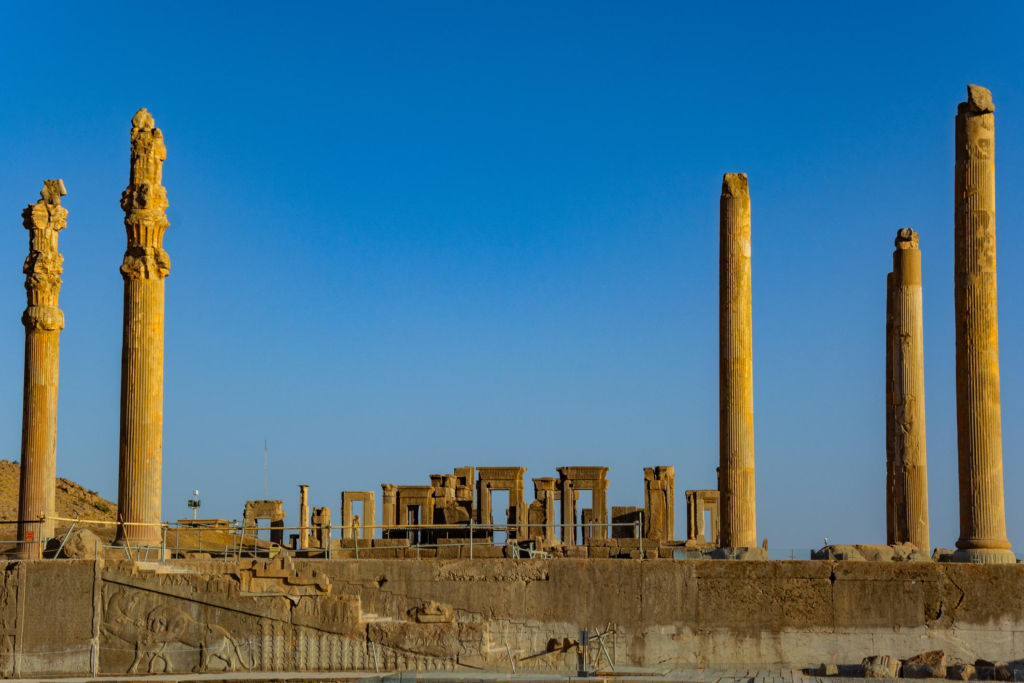
Bold tourism targets can survive sanctions for a while. They do not survive shattered confidence easily.
Iran entered 2026 with real tourism momentum. The reports from Tehran Times said the country had welcomed about 7.399 million foreign visitors in the Iranian year ending March 2025 and was still chasing a 15 million tourist target. But by March 11, 2026, UNESCO said four of Iran UNESCO sites had already suffered damage, turning a tourism growth narrative into a heritage crisis.
Quick facts at a glance
| Metric | Verified figure |
|---|---|
| Iran’s UNESCO World Heritage properties | 29 total, 27 cultural and 2 natural, according to UNESCO |
| Tourism goal | 15 million foreign tourists by the end of Iran’s Seventh Development Plan |
| Visitors in the year ending March 2025 | 7.399 million, according to Iranian tourism officials |
| Pre-conflict growth signal | More than 30% growth in arrivals during April and May 2025 |
| UNESCO-confirmed heritage damage | 4 World Heritage properties, as of March 11, 2026 |
| Wider regional tourism risk | Reuters cited a potential $34 billion to $56 billion hit to Middle East visitor spending if conflict lingers |
Iran’s tourism recovery had stopped being hypothetical
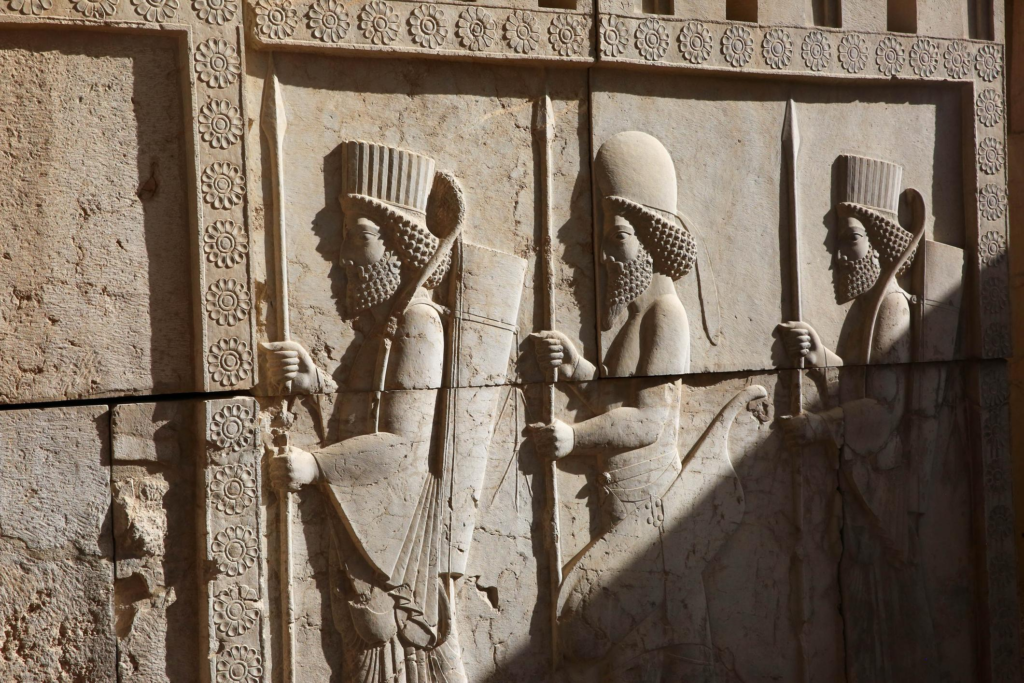
For years, Iran’s tourism industry lived in the shadow of geopolitics. Even so, the pitch was powerful. Few countries can market Persepolis, Isfahan, Yazd, the Lut Desert, Hyrcanian forests, Persian gardens, and Silk Road caravanserais in a single itinerary. Iran had scale, depth, and something many destinations would kill for, a sense of civilizational continuity people can actually see.
Officials were leaning into that.
In 2025, Tourism Minister Reza Salehi-Amiri and other Iranian officials repeatedly spoke about reaching 15 million foreign visitors by the end of the country’s Seventh Development Plan. They said arrivals had risen sharply before conflict disrupted the trend, and that the country recorded more than 30% growth in April and May 2025. In the first six months of the next Iranian year, 3.55 million travelers had already entered the country.
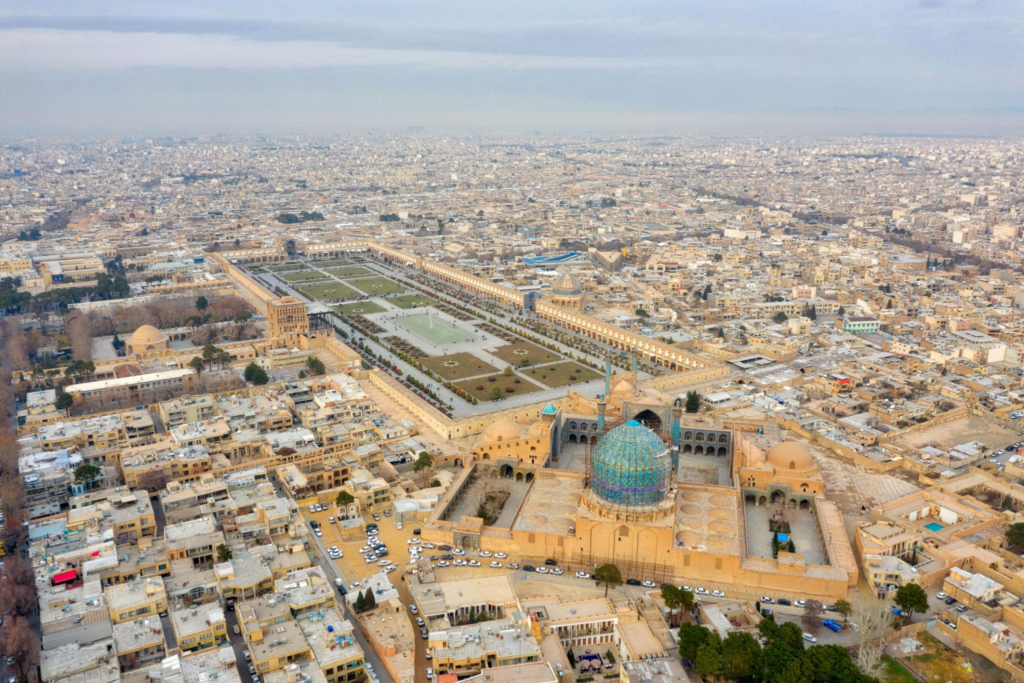
This was not just about luxury leisure tourism either. Iran’s strategy was broader and more pragmatic. It focused heavily on neighboring countries, Central Asia, the Caucasus, religious tourism, health tourism, and regional cultural ties. In other words, Iran was not waiting for a sudden Western travel boom. It was building a more regional tourism machine.
Also read – Can Tourists Really Visit the Strait of Hormuz? The Answer Might Surprise You
The number in the headline needs an update, and that matters
There is an important detail hidden inside the headline itself.
The phrase “27 UNESCO sites” is close, but no longer complete. UNESCO’s current country page for Iran lists 29 World Heritage properties, 27 cultural and 2 natural. That means the older number still circulating online now refers only to Iran’s cultural World Heritage count.
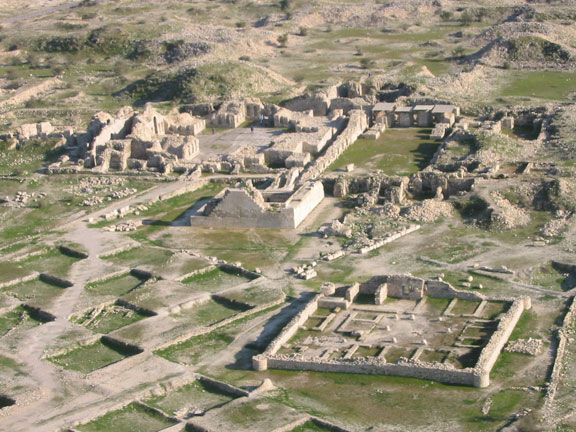
That distinction is not trivia. It tells you something about where Iran stood just before this war. The country was not merely preserving an old tourism brand. It was still adding to it. UNESCO inscribed Hegmataneh in 2024 and the Prehistoric Sites of the Khorramabad Valley in 2025. Iran’s heritage map was still growing.
That is what makes the timing so brutal. The country was still gaining international recognition for new heritage assets right before conflict began tearing into the very image it had hoped to monetize.
Then the heritage damage began
On March 11, 2026, UNESCO told Reuters it was “deeply concerned” about the impact of hostilities on World Heritage sites in Iran and across the region. Lazare Eloundou Assomo, director of the World Heritage Centre, said four of Iran’s 29 World Heritage properties had already suffered damage.
The sites publicly cited in reporting include:
- Golestan Palace in Tehran
- Chehel Sotoun, part of the Persian Garden inscription in Isfahan
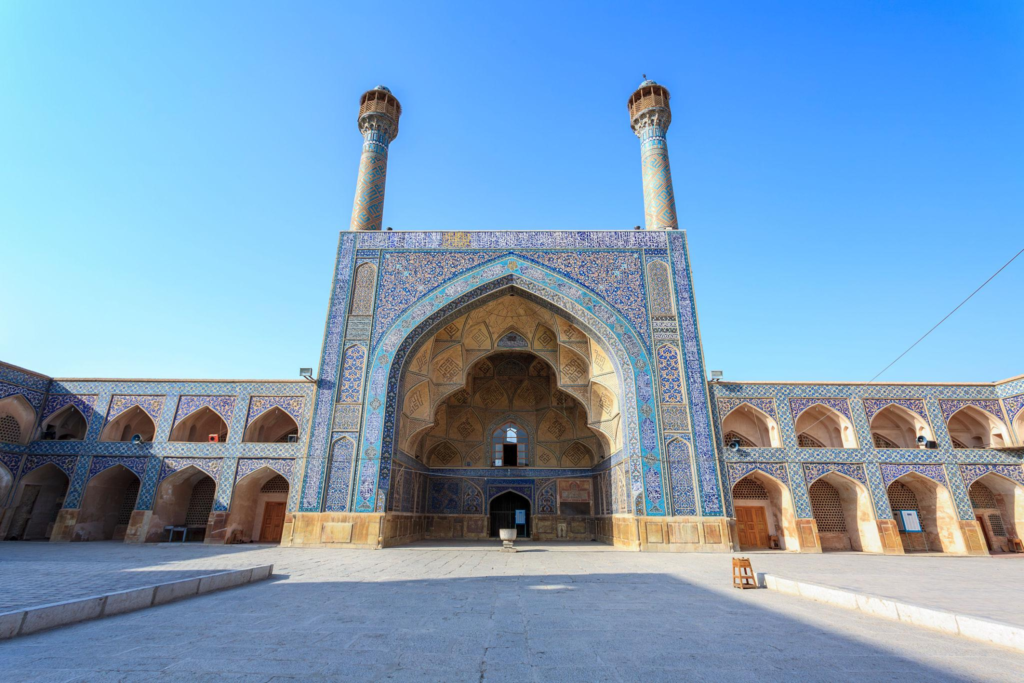
- Masjed-e Jameh of Isfahan
- Areas near the buffer zone of the Prehistoric Sites of the Khorramabad Valley
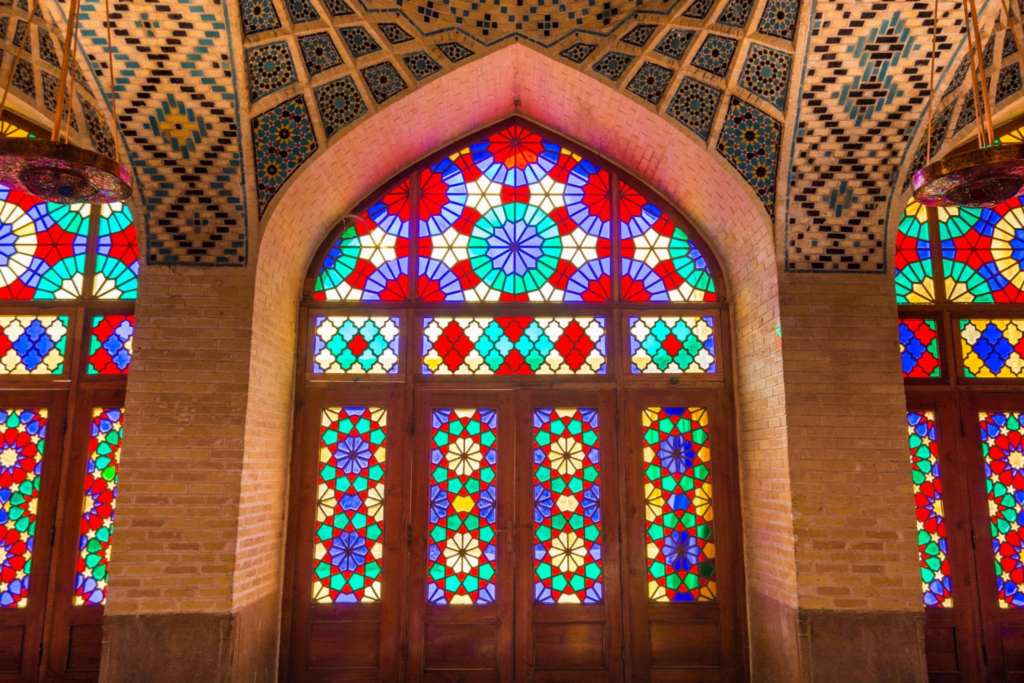
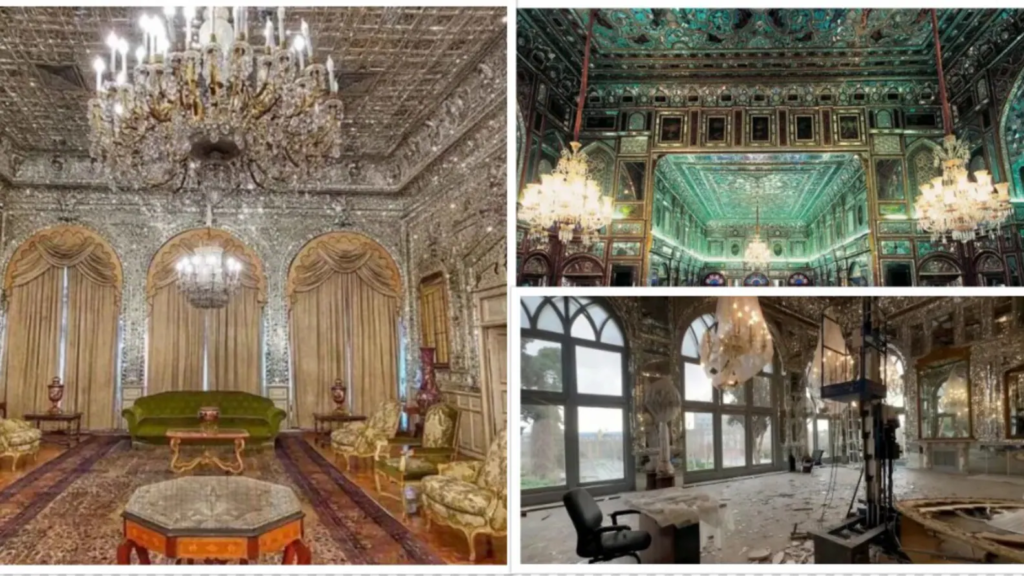
Golestan Palace may be the most painful symbol of the damage. It is the only UNESCO World Heritage site in Tehran, a palace complex famous for its mirrorwork, tilework, royal halls, and Qajar-era grandeur. Reuters reported that photos from inside showed smashed glass, broken woodwork, and debris scattered across its interior.
In Isfahan, the emotional weight may be even heavier. This is the city Iranians have long called “nesf-e jahan,” or “half the world.” It is not just beautiful, it is central to how Iran imagines itself. When the Friday Mosque, historic pavilions, and nearby heritage fabric are hit, the damage is not only architectural. It is psychological.
Also read – Vietnam on a Budget: How I Traveled 10 Days for Under $500 (2026 Edition)
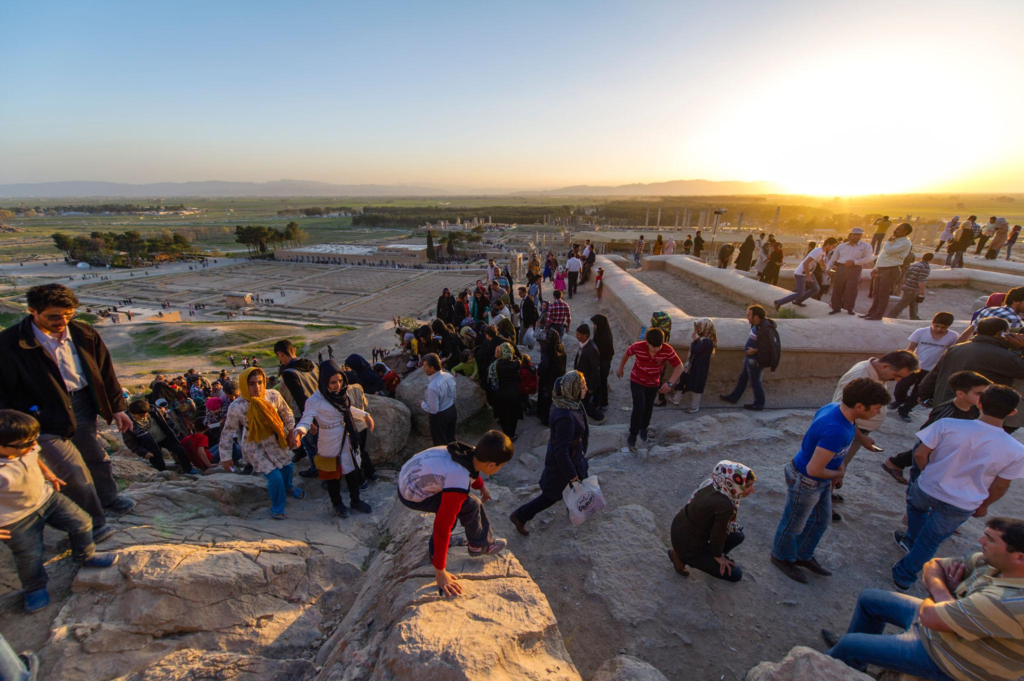
Iranian officials and other reports have pointed to additional damage at historic landmarks in Isfahan and Lorestan, including Ali Qapu Palace and Falak-ol-Aflak Castle. But the most cautious, internationally verified line remains this: UNESCO had publicly confirmed damage to four World Heritage properties by mid-March 2026.
Why this hits tourism harder than one bad season
Tourism is built on confidence long before it is built on bookings.
A country can keep hotels open, museums staffed, and airports technically functioning, and still lose the travel market because perception shifts faster than policy. Once a destination is linked with airspace closures, evacuation headlines, missile footage, and damaged heritage, travelers hesitate. So do insurers. So do tour operators. So do airlines deciding which routes are worth the risk.
That matters even more in Iran because the tourism story was never only about foreign admiration. It was about jobs.
Also read – Pakistani Travellers Can Now Visit UK With eVisa with New Update
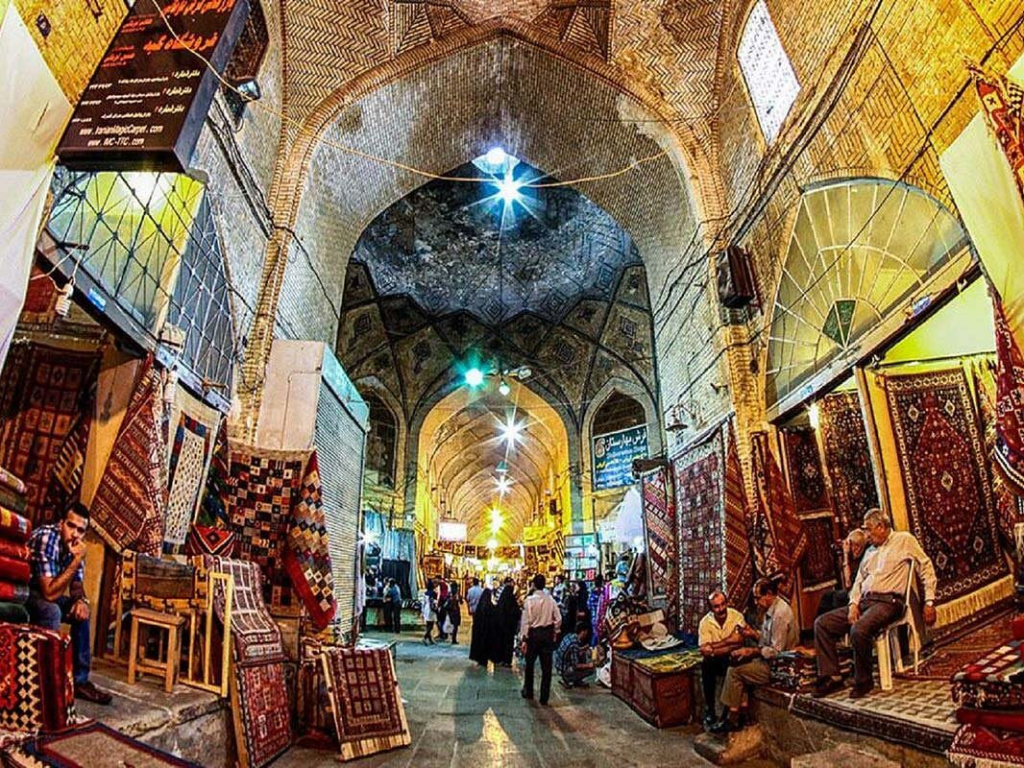
When a palace loses visitors, nearby guides lose work. Bazaar sellers lose browsing customers. Drivers lose day hires. Small hotels lose group bookings. Craftspeople lose the kind of impulse buying that only happens when tourists linger. Heritage tourism economies are intensely local, and their losses spread quietly.
This is where the real story gets sharper. The bombs did not just damage monuments. They damaged the income chains attached to them.
Iran’s tourism plan was always bigger than brochures
Iran’s officials were not pushing tourism simply because it looked good in speeches. They were using it as an economic and diplomatic tool.
Tourism offered foreign currency, softer international visibility, regional engagement, and a way to present Iran through architecture, archaeology, pilgrimage, food, and landscape rather than sanctions, proxy conflicts, and nuclear brinkmanship. In a country with a young population and long-running economic pressure, that mattered.
That is why the 15 million target was so politically useful. It suggested growth without requiring a total geopolitical reset. It promised an economy where hospitality, transport, heritage, and local enterprise could carry more weight.
War does not just interrupt that kind of strategy. It exposes how fragile it was.
The wider region is already feeling the shock
The damage is not confined to Iran’s borders. Reuters reported on March 3, 2026 that the broader Middle East tourism economy, worth roughly $367 billion annually, was already taking a hit from the conflict. The same report cited Tourism Economics estimates suggesting the region could lose between $34 billion and $56 billion in visitor spending if the crisis drags on.
That wider fallout matters for Iran too.
Even if a traveler never planned to go to Tehran or Isfahan, regional instability changes airline decisions, trip planning habits, and safety perceptions across the map. Iran’s travel problem is now part of a bigger Middle East confidence problem.
What happens next for Iran’s heritage and travel image
The next phase will likely be slower, quieter, and in some ways harder than the first headlines.
UNESCO has said it shared the coordinates of key cultural sites with the parties to the conflict and continues to monitor damage. That may help limit further destruction, but it does not restore trust overnight. Repairing mirrorwork, tile, timber, and stone is one challenge. Repairing a destination’s image is another.
Iran can restore buildings. It can reopen museums. It can relaunch campaigns.
What it cannot quickly restore is the feeling travelers need before they commit, that the place they are dreaming about will still be standing, still be reachable, and still feel safe enough to enter with curiosity rather than fear.
That is the deepest loss here.
Bottom line
Iran was not a country waiting passively for tourists. It was actively building a tourism future around one of the richest heritage portfolios on earth. Iran had 29 UNESCO World Heritage sites, not just the 27 cultural sites many older headlines still repeat. It had rising arrival numbers, a 15 million visitor ambition, and a strategy centered on history, faith, region, and identity.
Then war reached the monuments that were supposed to anchor that future.
And once the world sees shattered heritage where it expected wonder, recovery becomes much more than a tourism challenge. It becomes a fight over memory, narrative, and time.
Frequently Asked Questions About Iran UNESCO Sites and Tourism
How many UNESCO sites does Iran have in 2026?
Iran has 29 UNESCO World Heritage properties, 27 cultural and 2 natural, according to UNESCO’s World Heritage Convention listing.
What was Iran’s tourism target before the conflict escalated?
Iranian officials were targeting 15 million foreign tourists by the end of the country’s Seventh Development Plan.
How many World Heritage sites has UNESCO confirmed were damaged?
As of March, 2026, UNESCO said four of Iran’s World Heritage properties had suffered damage.
Which famous Iran UNESCO sites is located in Tehran?
The Golestan Palace in Tehran is a UNESCO World Heritage Site known for its ornate mirror halls, gardens, and royal architecture.
How many historic sites were affected during the conflict?
Iranian officials reported that at least 56 museums and historic locations experienced damage during the war.
What are Persian gardens?
Persian gardens are historic landscapes designed around water channels, symmetry, and shaded pathways. They influenced garden design across the Middle East, India, and even Europe.
Does Iran have ancient Silk Road sites?
Yes. Many caravanserais and historic cities in Iran were part of the Silk Road trade network.

