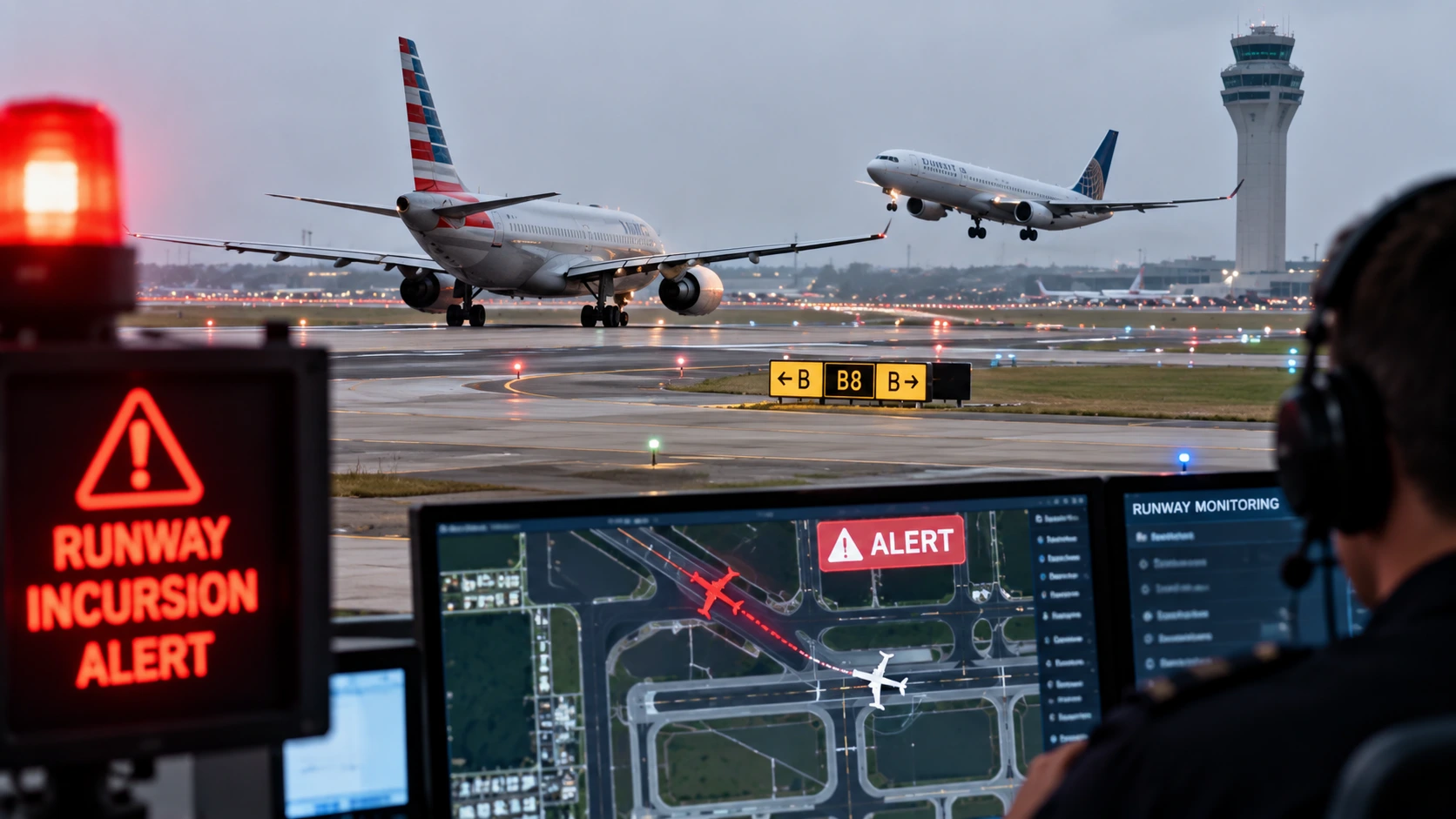
The Federal Aviation Administration (FAA) is expanding runway safety alert technology across major U.S. airports to help pilots, controllers and airport teams identify potential runway conflicts faster and reduce the risk of dangerous near-miss incidents.

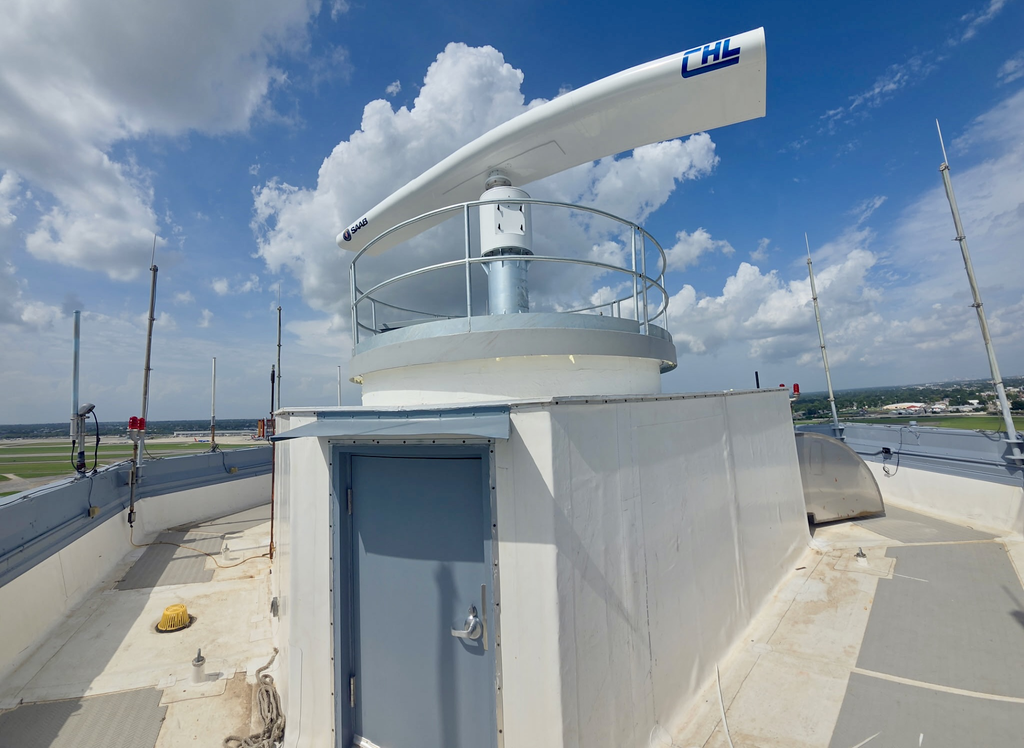
The technology focuses on one of aviation’s most serious safety concerns: situations where an aircraft, vehicle or person enters a runway when another aircraft is preparing to take off or land.
For passengers, the change will mostly happen behind the scenes. Travellers will not see a new security checkpoint or boarding process, but the technology is designed to create an additional safety layer during some of the most critical moments of a flight — taxiing, takeoff and landing.
According to the Federal Aviation Administration (FAA), runway safety remains one of the agency’s highest priorities, with ongoing investments in airport technology, air traffic procedures and safety systems.
What Are Runway Near-Miss Alerts and How Do They Work?
Runway near-miss alerts are warning systems designed to detect possible runway conflicts before they become accidents.
The systems combine information from:
- Airport surveillance technology.
- Aircraft position data.
- Runway occupancy information.
- Air traffic control systems.
- Automated safety monitoring tools.
When the system detects a possible conflict, it can provide alerts to help controllers and pilots respond quickly.
A simple example:
- An aircraft is cleared for takeoff.
- Another aircraft or vehicle unexpectedly approaches the same runway.
- The alert system identifies the conflict.
- Controllers receive additional information to help prevent a dangerous situation.
The goal is not to replace air traffic controllers. Instead, the technology works as an additional safety support tool.
Why Are Runway Safety Alerts Being Expanded Across US Airports?
The FAA is expanding runway safety technology because runway incursions remain one of the aviation industry’s most closely monitored risks.
A runway incursion happens when an aircraft, vehicle or person is incorrectly positioned on a runway or protected area, creating the possibility of a collision.
Although commercial aviation remains one of the safest forms of transportation, runway events receive major attention because decisions often need to be made within seconds.
The FAA’s runway safety approach focuses on:
| Safety area | Purpose |
|---|---|
| Better airport technology | Detect conflicts faster |
| Improved communication | Reduce misunderstandings between pilots and controllers |
| Training programs | Improve human decision-making |
| Airport design improvements | Reduce operational risks |
The agency publishes runway safety information through its Runway Safety Program, which provides guidance, data and safety initiatives for airports and aviation professionals.
Also read – FAA Proposes New Class E Airspace for Trading Bay Airport in …

How Do Runway Near-Miss Alerts Help Prevent Airport Accidents?
The biggest benefit of runway alert systems is giving aviation teams earlier warnings when something does not look right.
Many runway incidents are caused by a combination of small factors:
- Confusing instructions.
- Miscommunication.
- Weather conditions.
- Busy airport operations.
- Human attention errors.
A warning system can provide another opportunity to catch a problem before it reaches a dangerous stage.
A realistic airport scenario:
A passenger aircraft begins taxiing during a busy departure period. Another aircraft is preparing to land. A runway alert system can help identify whether the two movements create a potential conflict and provide additional awareness to the controller managing traffic.
Are Runway Near-Miss Alerts Replacing Air Traffic Controllers?
No, runway alert technology supports controllers but does not replace human decision-making.
Air traffic controllers remain responsible for managing aircraft movement, issuing instructions and responding to changing conditions.
The technology provides:
- Additional awareness.
- Faster identification of possible conflicts.
- More information during high-pressure situations.
Aviation safety depends on both advanced technology and experienced professionals working together.
The FAA continues to combine automation improvements with controller training and operational procedures.
Which US Airports Are Receiving Runway Safety Technology?
The FAA has focused runway safety upgrades on airports with high traffic volumes and complex operations.
Large airports face unique challenges because they often have:
- Multiple runways.
- Heavy aircraft movement.
- International flights.
- Frequent taxi operations.
- Complex terminal layouts.
Examples of airports that regularly operate advanced runway safety programs include major hubs such as:
| Airport type | Safety challenge |
|---|---|
| International hubs | High aircraft volume |
| Large connecting airports | Constant arrivals and departures |
| Airports with multiple runways | More complex traffic patterns |
| Busy cargo airports | Mixed aircraft operations |
The FAA’s airport safety programs provide ongoing updates on technology deployment and runway improvements through official aviation safety resources.
What Does This Mean for Airline Passengers?
Passengers should expect safer airport operations, not visible changes to their travel routine.
The impact passengers may notice indirectly includes:
- Fewer operational disruptions caused by runway safety concerns.
- Improved confidence in airport movement systems.
- Better coordination during busy travel periods.
Travellers often think aviation safety depends only on aircraft maintenance, but airport movement is equally important. Every flight involves dozens of coordinated steps before an aircraft even leaves the ground.
Why Runway Incidents Get So Much Attention in Aviation
Runway incidents receive significant attention because takeoff and landing are the highest-workload phases of flight.
During these periods:
- Aircraft are close to the ground.
- Multiple teams coordinate simultaneously.
- Decisions must happen quickly.
- Weather can affect visibility and communication.
Even when a runway event does not result in an accident, aviation authorities study it carefully because preventing the next incident is the main objective.
The FAA regularly reviews safety data and publishes aviation safety updates through its Safety website.
How Airports Prevent Runway Conflicts Beyond Technology
Runway safety depends on multiple layers of protection, not one single system.
Airports use:
1. Clear runway markings
Painted signs, lights and markings help pilots and vehicle operators understand runway boundaries.
2. Controller procedures
Controllers follow strict communication and separation rules.
3. Pilot verification
Pilots confirm taxi instructions and runway assignments before movement.
4. Airport monitoring systems
Technology helps track aircraft and vehicles.
5. Continuous training
Airlines, airports and controllers regularly train for unusual situations.
This layered approach means aviation safety does not rely on one device alone.
What Travellers Should Know About Airport Safety Technology
Most aviation safety improvements happen quietly without changing the passenger experience.
Passengers usually notice delays, gate changes or boarding announcements, but many of the systems protecting flights operate in the background.
Modern aviation safety increasingly combines:
- Human expertise.
- Real-time data.
- Artificial intelligence-assisted monitoring.
- Automated alerts.
- Improved airport infrastructure.
The runway alert expansion is part of a broader effort to make airports safer as passenger numbers and aircraft movements continue increasing.
Final Takeaway: Why Runway Near-Miss Alerts Matter
FAA runway near-miss alert technology adds another safety barrier between normal airport operations and potentially dangerous runway conflicts.
For passengers, the message is simple: aviation safety is constantly evolving even when improvements are invisible.
The next time an aircraft safely takes off or lands, that success depends on thousands of coordinated decisions — including technology designed to identify problems before they happen.