
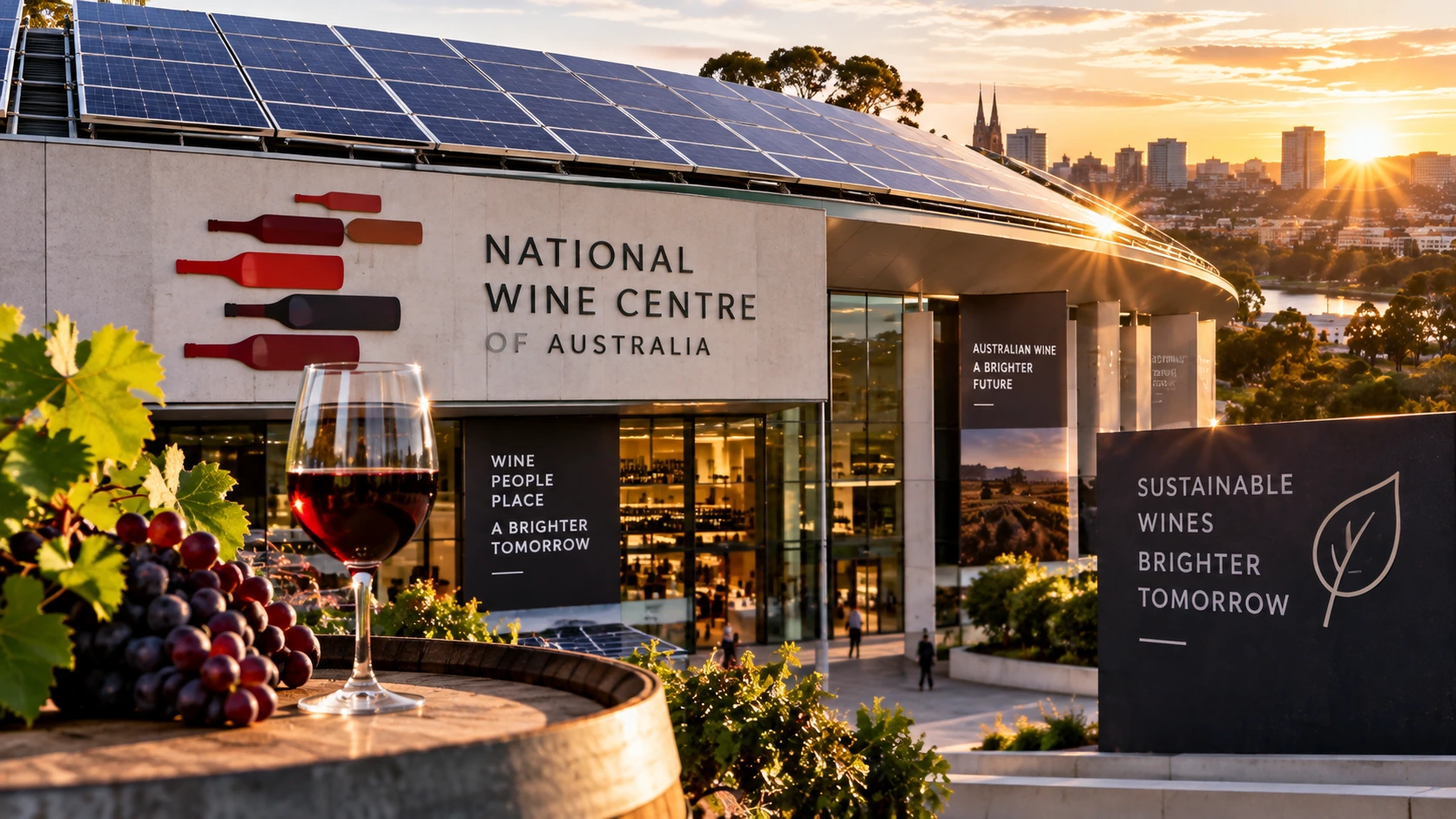
The National Wine Centre of Australia has switched on a new 100 kW rooftop solar system in Adelaide. Two hundred TrinaSolar Vertex S+ 500 W modules now generate clean electricity across two buildings at one of South Australia’s best-known tourism and hospitality landmarks.

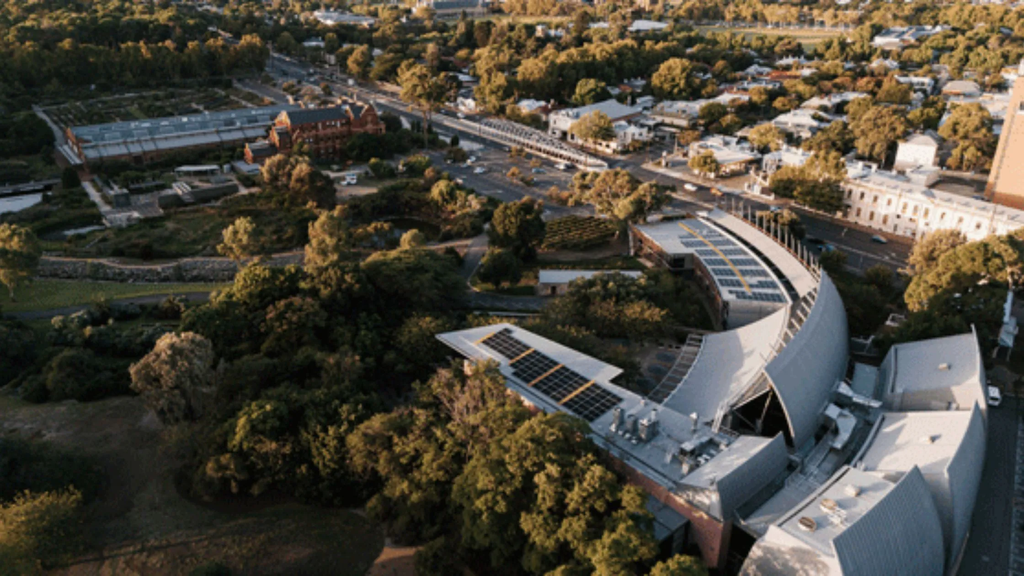
I visited the centre years ago for a wine tasting and conference and still remember the distinctive architecture set against the Adelaide Botanic Garden. Learning that the same venue has added solar without changing its look or interrupting events feels like a practical win for both sustainability and operations.
What Exactly Was Installed at the National Wine Centre?
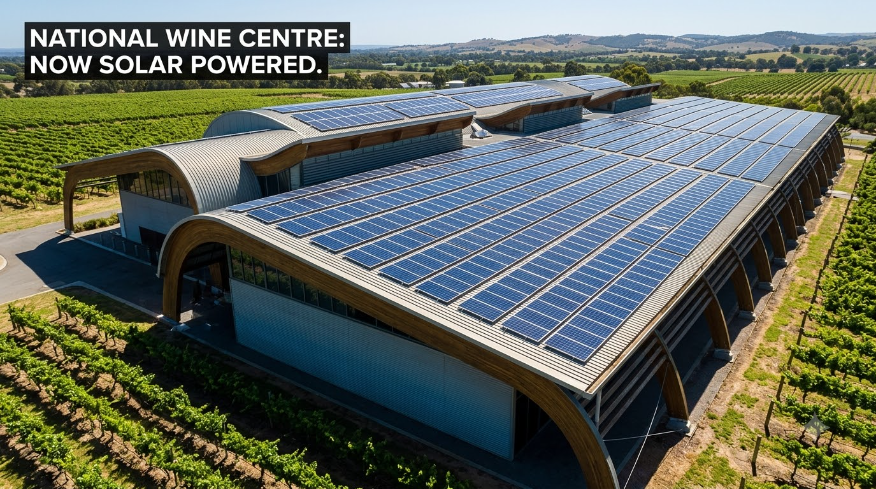
TrinaSolar supplied 200 Vertex S+ 500 W modules (model NEG18R.28) for the 100 kW system. The installer, Venergy Solar, designed the arrays to fit the existing multi-angled roofs of two separate buildings on the site.
Key technical points:
- Medium-format, lightweight modules that work well on complex commercial roofs
- n-type i-TOPCon cell technology for high efficiency and low long-term degradation
- Arrays positioned so they remain largely hidden from main public viewing areas
- Staged construction that kept the venue open for weddings, conferences and tourist visits throughout the project
The system uses Sungrow inverters and Clenergy mounting hardware, completing a full commercial package sized for the available roof space.
Also read – 20 Best Solo Travel Destinations for Cultural Experiences

Why This Project Matters for a Landmark Venue
The National Wine Centre sits next to the Adelaide Botanic Garden and forms part of the University of Adelaide. It hosts tourism, education, industry events and private functions. Any solar project had to protect the visual character of the buildings and keep daily operations running.
Simon Burgess, General Manager of the National Wine Centre, described the investment as part of a wider focus on sustainability, operational efficiency and responsible asset management. “The National Wine Centre is surrounded by nature and sits in one of Adelaide’s most unique locations, so sustainability is an important part of how we see the venue evolving,” he said.
Edison Zhou, Head of Australia, New Zealand and Pacific Islands at TrinaSolar, noted that the project shows the practical challenges of commercial solar on prominent buildings: limited roof space, complex geometry and the need to preserve appearance. The Vertex S+ format gave the installers the flexibility they needed.
How the Installation Stayed Invisible and Operational
Venergy Solar designed the layout around the existing roof angles rather than forcing a standard flat-array approach. Panels sit in positions that are hard to see from the main public approaches and garden pathways. Visitors still experience the centre’s distinctive exterior and gardens without a visual interruption from solar hardware.
Because the work was staged, the centre never closed. Weddings went ahead, conference rooms stayed available, and tourist groups continued to arrive. That continuity is rare on commercial solar projects of this size and location.
What Visitors and Event Organisers Should Know
The solar system does not change the visitor experience. Tastings, exhibitions, functions and garden views remain the same. The only difference is behind the scenes: lower grid electricity use and a smaller carbon footprint for every event held on site.
If you are planning a wedding, corporate day or wine tour at the centre, you can now factor in that the venue actively generates its own renewable power. For many organisers that detail strengthens the sustainability story of the event itself.
Practical Takeaways for Other Venues Considering Solar
- Choose modules that match the roof constraints rather than forcing a one-size-fits-all panel.
- Prioritise concealment when the building is a public landmark.
- Stage the work so operations continue. Lost revenue from closures often outweighs modest savings in installation speed.
- Pair high-efficiency modules with reliable inverters and mounting systems designed for commercial loads.
- Treat the project as part of long-term asset management, not a one-off green gesture.
I have watched several heritage and tourism sites struggle with the balance between appearance and energy goals. The National Wine Centre approach—right-sized modules, careful placement, zero downtime—offers a clear template that other venues can copy.
The Bigger Picture for South Australia Tourism
South Australia continues to expand solar across commercial and institutional buildings. A high-profile site like the National Wine Centre demonstrates that even architecturally sensitive locations can adopt rooftop solar without compromising visitor appeal. The project also supports the state’s broader renewable energy direction while reducing operating costs for a busy tourism asset.
Full project details appear in TrinaSolar’s announcement and coverage from industry outlets such as SolarQuarter. The system is now live and contributing power to the centre’s daily needs.
The National Wine Centre has added clean generation without changing the experience that draws people through its doors. For a landmark that celebrates Australian wine and hospitality, that quiet upgrade is exactly the kind of practical sustainability that lasts.