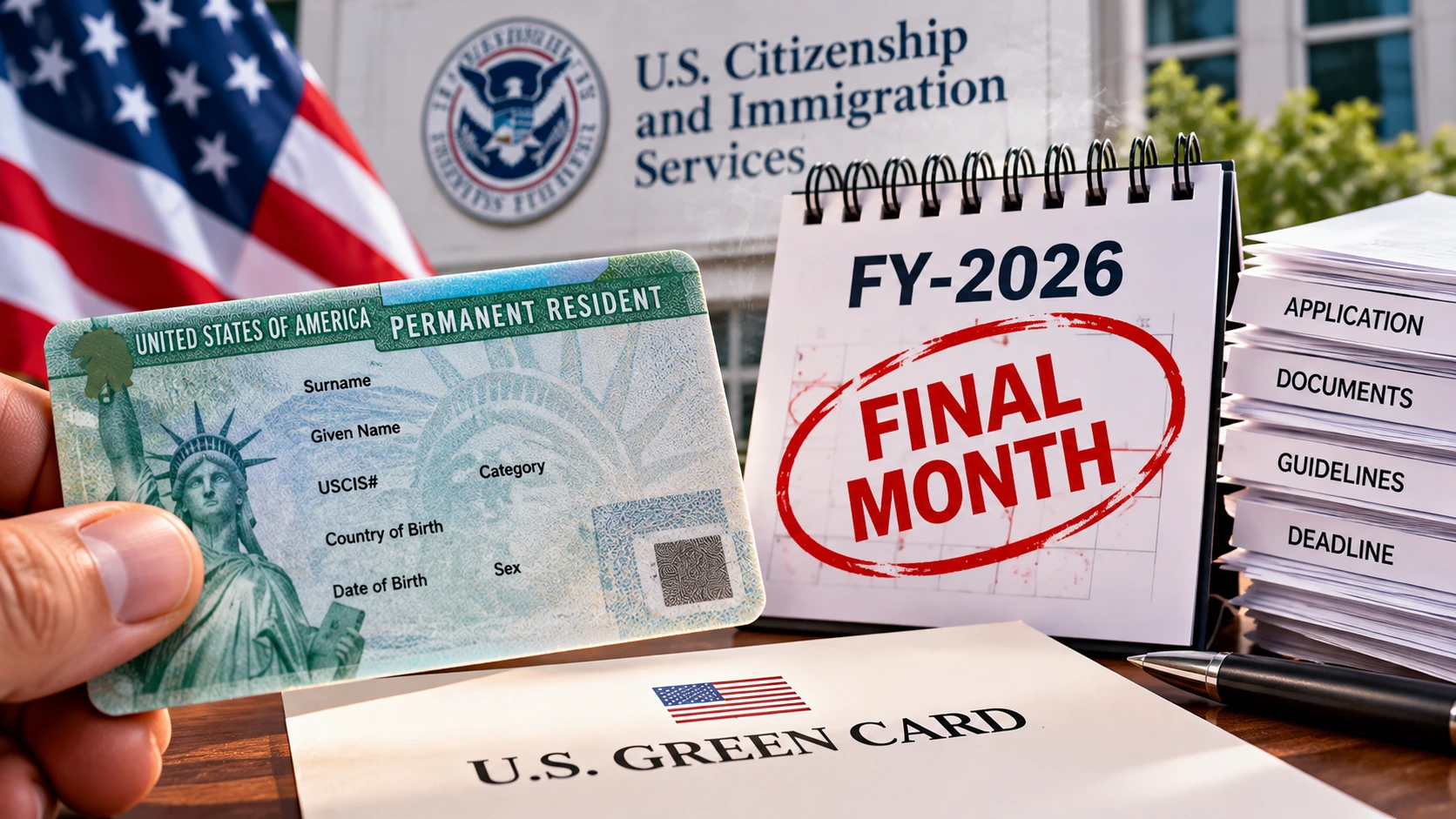
USCIS has confirmed that employment-based green card applicants must use the Final Action Dates chart from the September 2026 Visa Bulletin for the rest of this fiscal year. Final action dates themselves did not move from August, but the State Department has issued clear warnings that several categories could become unavailable before September 30, 2026.

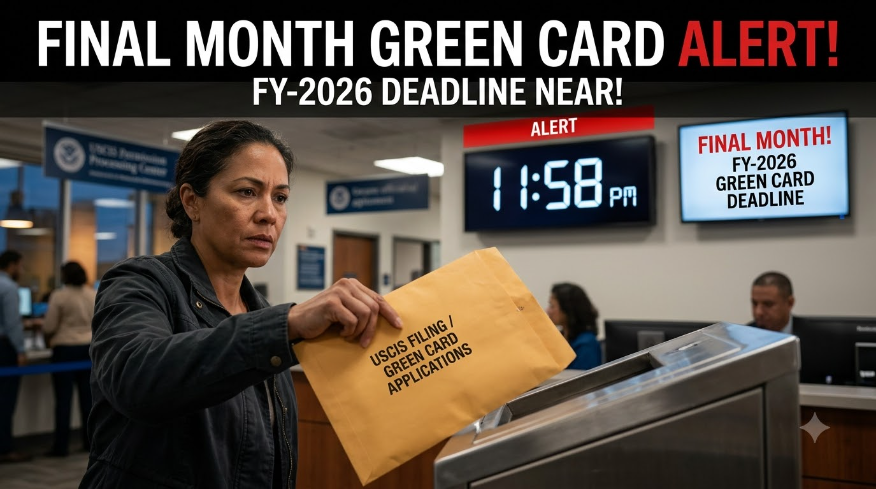
I have watched many clients race the fiscal-year clock in previous Septembers. The combination of frozen dates plus explicit unavailability risk makes this month different. Here is exactly what the rules say, which categories are at risk, and the practical steps that matter right now.
What USCIS Requires for September 2026 Filings
For all employment-based preference categories, applicants filing Form I-485 (adjustment of status) must use the Final Action Dates chart in the September 2026 Visa Bulletin. USCIS published this confirmation on its official adjustment of status filing charts page.
Family-sponsored applicants use the Dates for Filing chart. Employment-based cases stay locked to Final Action Dates for the remainder of FY-2026.
You can verify the current designation directly at uscis.gov.

September 2026 Final Action Dates for USCIS Green Card Applications
The dates remain identical to August 2026:
| Category | All Chargeability Areas | China | India | Mexico | Philippines |
|---|---|---|---|---|---|
| EB-1 | Current | July 1, 2023 | Oct 15, 2022 | Current | Current |
| EB-2 | Current | Sept 1, 2021 | Unauthorized | Current | Current |
| EB-3 | Sept 1, 2024 | Jan 1, 2022 | Jan 1, 2014 | Sept 1, 2024 | Aug 1, 2023 |
| Other Workers | April 1, 2022 | May 1, 2019 | Jan 1, 2014 | April 1, 2022 | Dec 1, 2021 |
| EB-5 Unreserved | Current | Dec 1, 2016 | Unauthorized | Current | Current |
| EB-5 Set-Asides | Current | Current | Current | Current | Current |
EB-2 India stays Unauthorized. No new numbers are available in that category until the new fiscal year begins on October 1.
Categories at Risk of Unavailability Before September 30
The State Department explicitly warned that three groups may run out of numbers or retrogress before the fiscal year closes:
- EB-1 India – High demand could push the category to unavailable status.
- EB-2 (all countries) – Increased usage may cause the final action date to move backward or the category to close temporarily.
- EB-5 Unreserved – Demand may exceed remaining supply.
Once a category becomes unavailable, no further immigrant visas or adjustment approvals can be issued until FY-2027 numbers become available on October 1. Pending cases simply wait.
Why the Timing Matters More Than Usual
September is the last month of the fiscal year. Any unused numbers disappear. At the same time, a new public charge standard takes effect on September 18, 2026. Applications filed on or after that date will face the updated screening rules and the new Form I-485 version.
The State Department has also temporarily paused immigrant visa interviews worldwide while consular officers receive training on the new public charge guidance. Consular processing cases already in the pipeline may see extra delay.
Eligible applicants who can file now avoid both the risk of category closure and the new public charge rules that begin mid-month.
Practical Steps for Applicants and Employers This Month
- Confirm your priority date against the Final Action Dates chart above.
- If your date is current and your category is not yet unavailable, prepare and file the I-485 as soon as complete medical and supporting documents are ready.
- Track daily announcements from the State Department and USCIS. Unavailability can be declared with little notice.
- If you are in EB-1 India, EB-2, or EB-5 Unreserved, treat the next three weeks as a narrow window.
- Coordinate with your employer or attorney on concurrent filing of any remaining petitions if the priority date allows.
- Keep copies of every receipt and tracking number. Fiscal-year transitions sometimes create temporary processing gaps.
I have seen cases where a one-week delay in September cost applicants an entire extra year of waiting. The difference between filing on the 15th and the 25th can be the difference between approval this fiscal year and a long wait for the next.
What Happens After September 30
On October 1 the new fiscal year begins. Fresh visa numbers become available and many categories that closed or retrogressed in September traditionally reopen or advance. Exact movement will depend on demand and the annual limits set by Congress.
Until then, the rules are fixed: Final Action Dates control filing eligibility, several categories sit on the edge of unavailability, and the public charge change arrives on the 18th.
Check the official September 2026 Visa Bulletin on the State Department site and the USCIS filing chart page for any mid-month updates. For anyone whose priority date is currently current, the safest course is to file while numbers remain available.