Nepal is one of the safest countries in South Asia for solo female travelers. Violent street crime against foreign women is rare, and the local Hindu and Buddhist culture places a deep value on guest hospitality.
You will face very little catcalling or street harassment compared to Western cities or other popular backpacking destinations. Your main safety concerns will instead be transport safety on winding mountain roads, food and water hygiene, altitude sickness, and occasional overcharging by souvenir vendors.

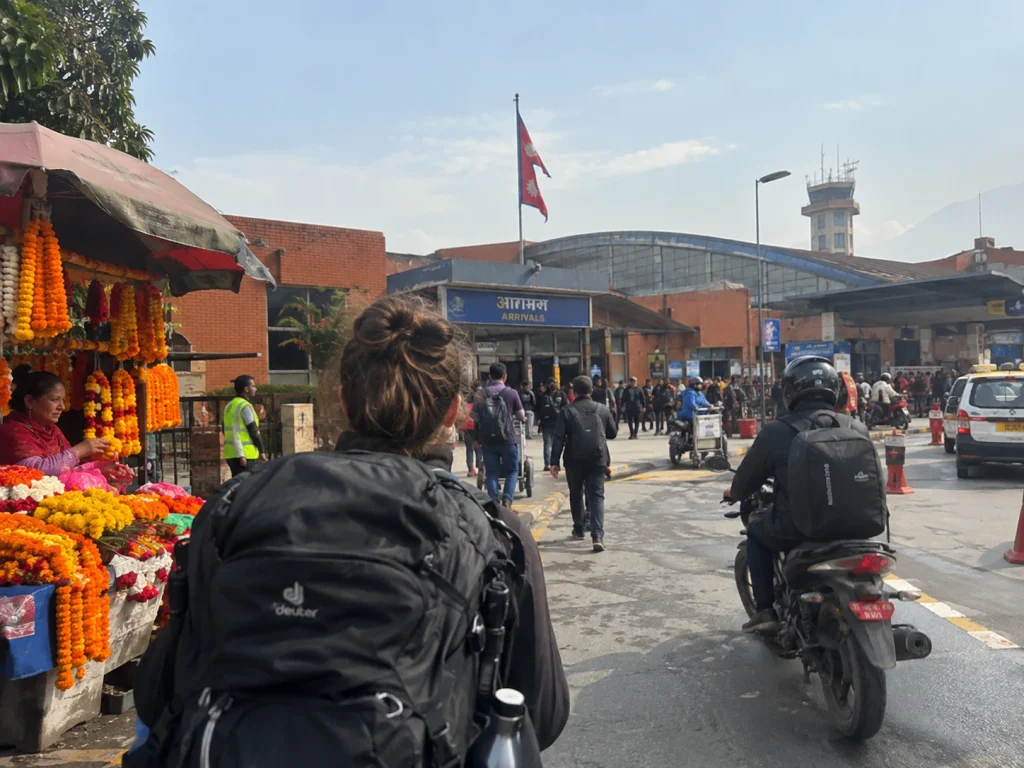
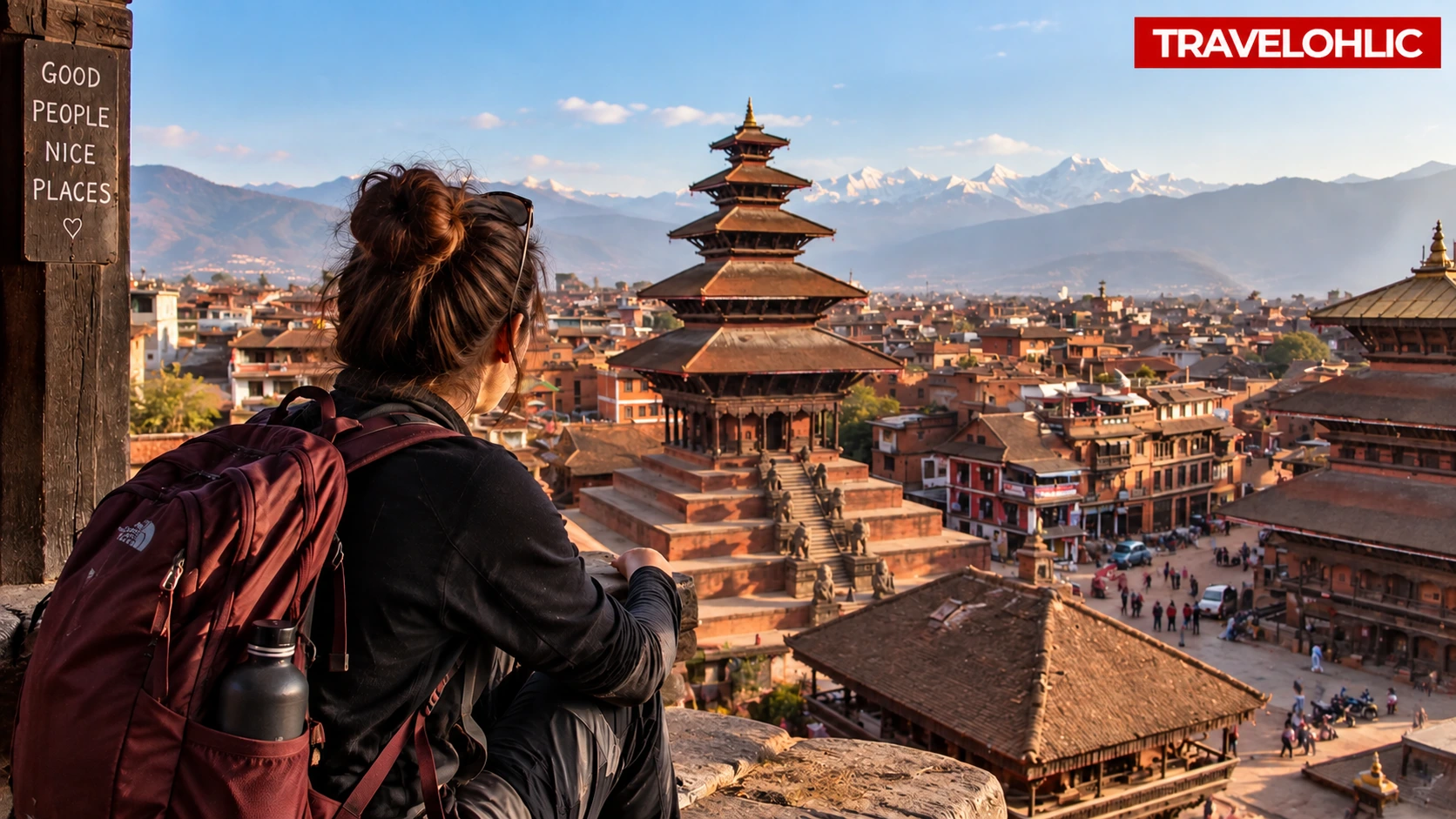
I landed in Kathmandu by myself on a crisp October morning with a 40-liter backpack and plenty of nervous energy. Stepping out of Tribhuvan International Airport, I was greeted by the smell of marigold garlands, roasting corn, and heavy motorbike exhaust. Within forty-eight hours, the warmth of the locals put my anxiety to rest. Store owners greeted me with a warm “Namaste” and a slight bow, street vendors offered directions before I even asked, and guesthouse hosts treated me like an extended family member.
Cultural Norms: What to Wear to Avoid Unwanted Stares
Wearing loose, conservative clothing that covers your shoulders and knees will instantly earn you respect and prevent unwanted attention. Nepal is a socially conservative society where showing bare shoulders, deep cleavage, or thighs is considered disrespectful.
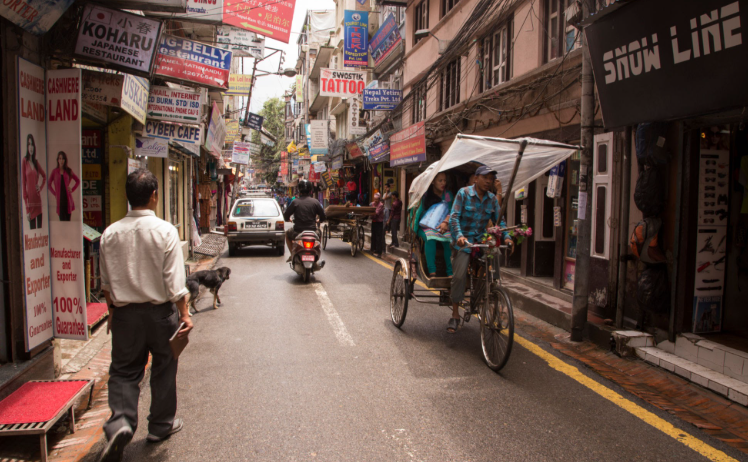
On my second day in Kathmandu, I made the mistake of heading out in tight athletic leggings and a tank top. While nobody yelled or harassed me, the sustained, quiet stares from older women and shopkeepers made me feel terribly uncomfortable. I immediately ducked into a small shop in Thamel, spent 900 Nepalese Rupees (about $6.75) on a pair of loose cotton trousers, and threw on an oversized linen shirt. The difference was immediate. The awkward stares stopped, and people engaged with me far more warmly.

Pack simple, breathable clothing that keeps you covered and comfortable:
- Pants: Loose linen trousers, lightweight cargo pants, or long hiking trousers. Avoid skin-tight yoga leggings unless worn under a long tunic.
- Tops: Basic cotton t-shirts with high crew necks, loose linen button-downs, or local kurtas.
- Scarf: Keep a lightweight cotton scarf in your daypack. It works as an emergency chest covering, a dust shield on bumpy roads, and a head covering for religious shrines.
- Footwear: Slip-on shoes or sturdy sandals like Chacos. You will be taking your shoes off constantly before entering temples, homes, and certain teahouses.
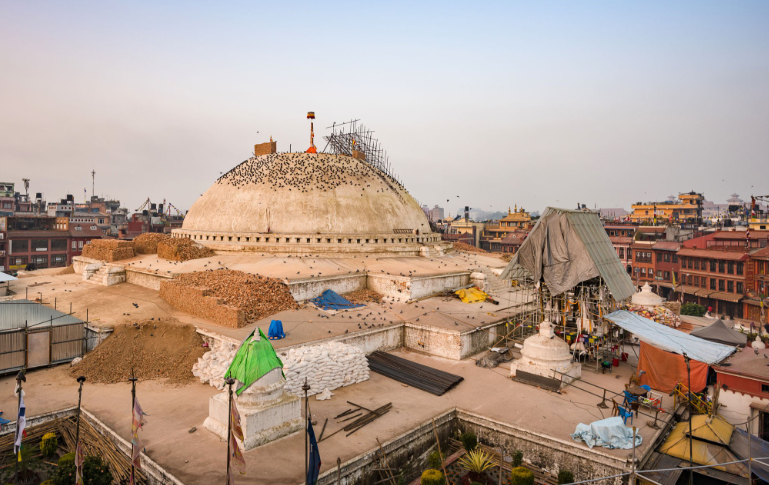
Religious spaces require extra care. You must always remove your shoes and leather items (including belts and watch straps) before stepping inside Hindu temples. When visiting Buddhist stupas like Swayambhunath or Boudhanath, always walk around them clockwise. Use your right hand when handing over money or accepting food, as the left hand is traditionally reserved for bathroom hygiene.
Also read – Nepal Request India to Accept New Digital ID for Border …
Getting Around: The Safest Ways to Travel the Cities
Ride-hailing apps are the safest, most reliable way for solo women to move around Kathmandu and Pokhara. They remove the stress of haggling and create a digital record of your driver, vehicle registration, and route.
Download inDrive and Pathao as soon as you get your local SIM card. I used Pathao daily to move between Thamel, Patan, and Boudha. A scooter ride across town costs between 200 and 400 NPR ($1.50 to $3.00), while a car ride costs around 500 to 800 NPR. If you need to hail a standard white taxi on the street, negotiate the price before putting your bags in the trunk, or insist that they turn on the meter. Always sit in the back seat directly behind the driver to preserve your personal space.
Long-distance transit between cities requires a bit more caution:
- Tourist Buses: Always choose dedicated tourist coaches over local microbuses for journeys between Kathmandu, Pokhara, and Chitwan. Companies like Swift Holidays or Jagadamba cost around $12 to $25 per seat. They drive at reasonable speeds, provide bottled water, and do not pack the aisles with standing passengers.
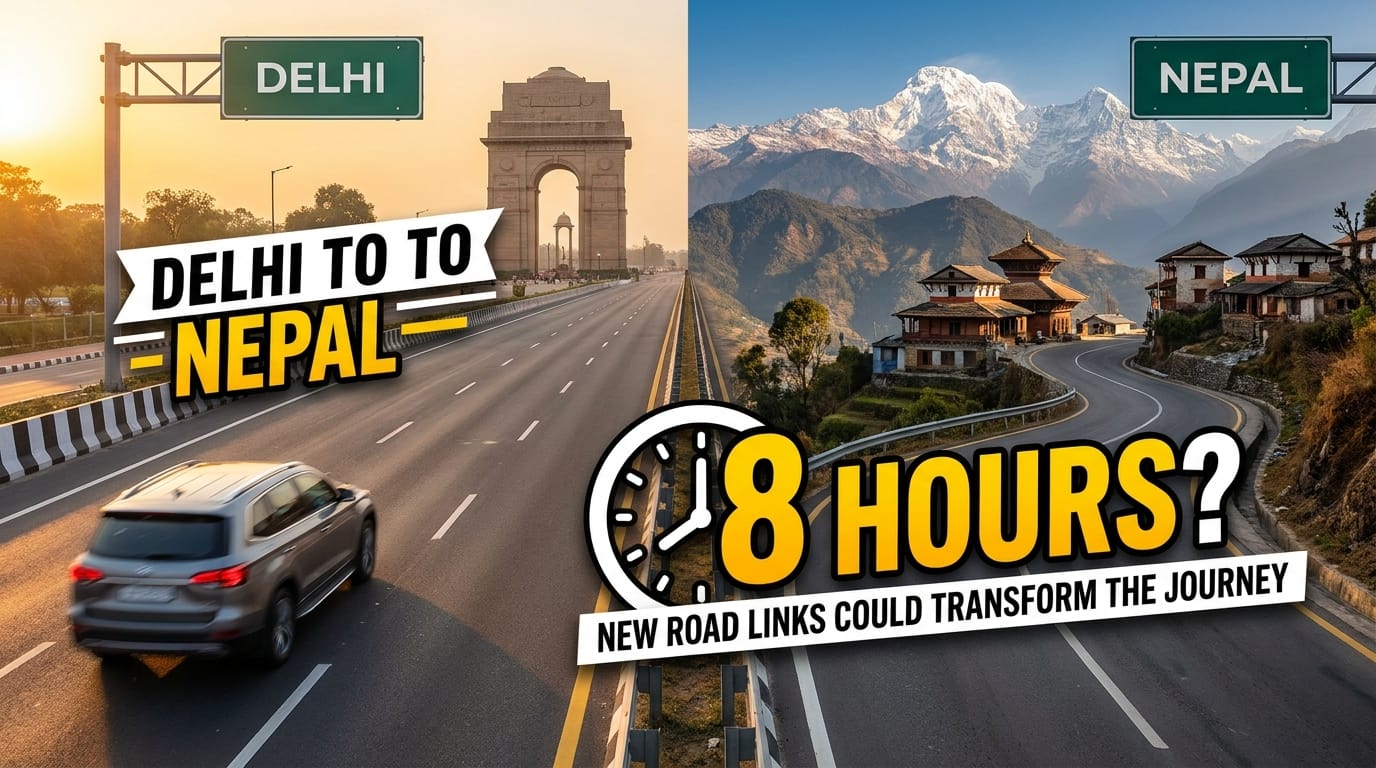
- Domestic Flights: Flying cuts a grueling eight-hour mountain drive down to twenty-five minutes. However, mountain weather changes fast. Check flight guidelines directly through the Civil Aviation Authority of Nepal and always keep a two-day buffer in your itinerary in case of cancellations.
- Local Night Buses: Avoid overnight local buses entirely. Mountain roads in Nepal can be poorly lit and prone to landslides during seasonal rains. Day travel is vastly safer.
New 2026 Trekking Rules for Solo Women
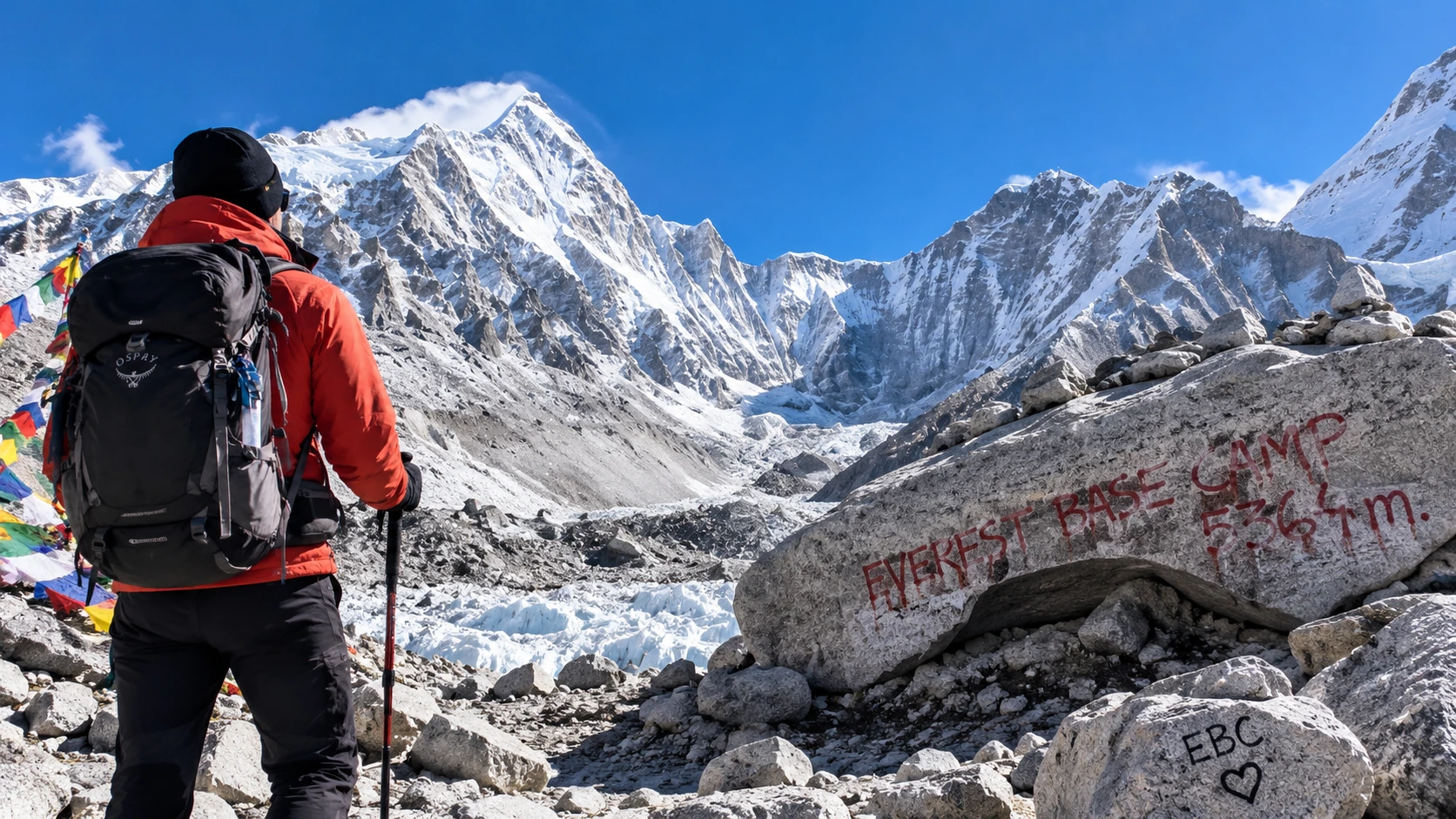
Solo trekking without a licensed guide is illegal in Nepal’s national parks. The government implemented this rule to protect trekkers from getting lost, suffering medical emergencies without support, or going missing on high-altitude routes.
Every solo trekker must hire a government-certified trekking guide through an agency registered with the Nepal Tourism Board. This regulation is a massive advantage for solo women. A good guide handles your teahouse bookings, translates menus, monitors your altitude symptoms, and acts as a built-in safety net.

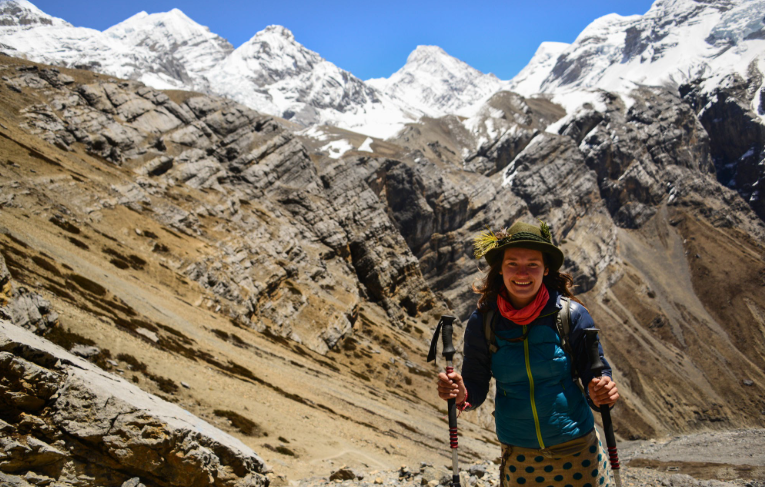
If trekking alongside a male guide makes you feel hesitant, you can hire a professional female guide. Agencies like 3 Sisters Adventure Trekking specialize in training and employing local female guides and porters. Trekking with a female guide gives you deep insight into the daily lives of Himalayan women and creates an easy, comfortable dynamic on the trail.
Before you set out, make sure your agency has secured your Trekker Information Management System (TIMS) permit and entry passes from the Department of National Parks and Wildlife Conservation. Always keep digital copies of your passport and visa stored securely in your phone.
Also read – 25 Best Cultural Travel Experiences Around the World
Best Neighborhoods for Solo Female Travelers in Nepal
Staying in well-lit, walkable neighborhoods makes a massive difference in how safe and comfortable you feel after sunset. Street lighting in Nepal is inconsistent, and unpaved alleys can be difficult to navigate after dark.
| Neighborhood | Safety Rating | Overall Vibe | Best Suited For |
| Patan (Lalitpur) | Excellent | Quiet, cultural, historic brick courtyards with cozy cafes. | Travelers wanting peaceful evenings and authentic Newari architecture. |
| Boudha (Kathmandu) | Excellent | Serene, spiritual, peaceful community centered around the stupa. | Anyone seeking calm mornings, monastery chants, and safe evening walks. |
| Thamel (Kathmandu) | Good | Busy, tourist-dense, loud, and heavily patrolled by tourist police. | First-timers needing gear shops, tour agencies, and international food. |
| Lakeside (Pokhara) | Excellent | Relaxed, scenic, pedestrian-friendly strip along Phewa Lake. | Resting before or after long Himalayan treks. |
I spent my first three nights in Thamel because everything was within arm’s reach. But when I returned from the mountains, I moved to a quiet guesthouse in Patan near the Durbar Square. Falling asleep to temple bells instead of revving motorbikes was the best decision of my trip.

Common Tourist Scams in Nepal to Watch Out For
Scams in Nepal are rarely aggressive, but they can drain your wallet if you let your guard down. Being polite but firm is all it takes to handle them.
- The Baby Milk Powder Trap: A woman carrying a baby will approach you outside supermarkets in Thamel or near tourist squares. She will ask you to buy a tin of infant milk rather than giving her money. The store sells you the tin for an inflated price of 2,500 NPR ($19). Once you walk away, the woman returns the tin to the shopkeeper and they split your cash. Politely say no and walk on.
- The Pushy Temple Blessing: Holy men (Sadhus) dressed in bright saffron robes with painted faces hang out around Pashupatinath and Kathmandu Durbar Square. They will smile, place a red tika mark on your forehead, and immediately demand 500 to 1,000 NPR for the “blessing.” If you do not want to pay, keep your hands in a polite prayer position, say “No, thank you,” and step back.
- The Friendly Student Tour Guide: Young men hanging around tourist attractions will strike up fluent English conversations, asking where you are from. They will walk alongside you, offer interesting historical facts, and then demand a hefty guide fee once you reach the end of the courtyard. If you want a guide, book a verified one through an agency or set a clear price before you take a single step together.

Health, Hygiene, and Altitude: The Real Hazards
Contaminated tap water and sudden altitude sickness pose far greater threats to your trip than physical crime ever will. Getting sick while traveling alone is miserable, so basic prevention is essential.
Never drink tap water in Nepal, even in high-end hotels. Stick to bottled mineral water with unbroken seals, or carry a reusable bottle paired with a reliable UV purifier or water purification tablets. I relied on my Grayl filtering bottle every day and avoided stomach bugs completely. Be cautious with raw salads, unpeeled fruits, and street food washed in local groundwater. Stick to freshly cooked meals, especially local lentils and rice (Dal Bhat), which is always served piping hot.
Altitude sickness does not care about your age, physical fitness, or gender. If you are heading into the mountains, ascend slowly and drink three to four liters of clean water daily. If you develop a severe, persistent headache, nausea, or loss of balance, tell your guide immediately and descend. The Nepal Medical Council registers trusted clinics such as the CIWEC Hospital in Kathmandu and Pokhara, which are fully equipped to treat altitude emergencies and travel ailments.
Emergency Contacts and Staying Connected
Staying connected ensures you can call for transport, translate signs, and share your live location with family back home.
Buy a physical tourist SIM card right at Tribhuvan International Airport after passing baggage claim. Both Ncell and Nepal Telecom (NTC) have dedicated kiosks. You will need your physical passport and a passport photo. I paid 1,200 NPR (around $9) for an Ncell package with 20GB of data, and it worked reliably across Kathmandu, Pokhara, and even through major sections of the trekking routes.
Save these essential emergency numbers in your phone right now:
- Tourist Police Nepal: Dial 1144 (Toll-free, dedicated English-speaking officers). You can review their support guidelines via the Nepal Police portal.
- General Police Emergency: Dial 100
- Ambulance Service: Dial 102
- Immigration Inquiries: Contact the Department of Immigration Nepal for visa extensions, lost passport registration, and travel permits.
Final Thoughts on Solo Travel in Nepal
Traveling through Nepal on your own will challenge your comfort zone, but it will reward you with unforgettable views, life-affirming friendships, and an immense sense of personal confidence. The people are gentle, respectful, and eager to ensure you feel welcome in their country. Keep your wits about you, honor the local culture, and let the magic of the Himalayas carry you forward.