The Nepal Department of Tourism has officially issued autumn mountain permits for the 2026 climbing season, approving 637 mountaineers across 68 international teams to scale 18 different Himalayan peaks. This seasonal roster includes 474 male and 163 female climbers preparing for high-altitude expeditions between September and November.
Why Mount Manaslu Dominates the Autumn 2026 Season

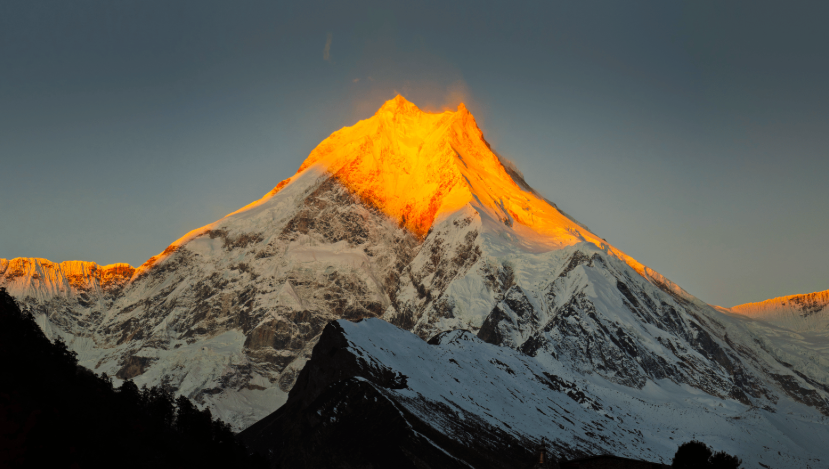
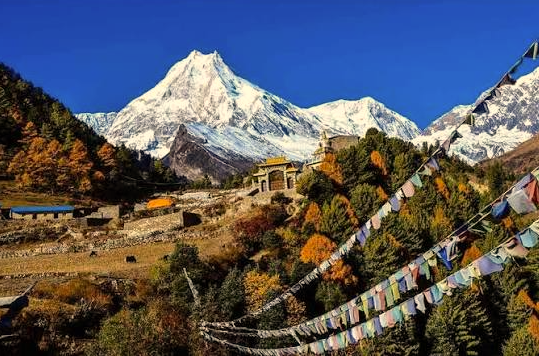
Mount Manaslu completely dominates the autumn 2026 climbing roster, attracting 500 individual climbers across 43 organized teams. The world’s eighth-highest peak (8,163 meters) historically serves as the primary autumn objective for mountaineers because weather windows on Mount Everest and K2 are far less stable during this period.
The Department of Tourism (DoT) reported collecting Rs 225.86 million in royalties strictly from Manaslu permits this season. Expedition operators use this specific mountain as a critical training ground for clients preparing for Everest summit bids the following spring.
Complete List of the 18 Approved Mountains
The government distributed the remaining 137 climbing permits across 17 other technical peaks and 8,000-meter giants. Dhaulagiri I remains the second most popular choice for advanced alpinists, drawing 34 climbers attempting its highly avalanche-prone slopes.
The official distribution for the top five most requested mountains highlights a concentrated focus on specific Himalayan regions.
| Mountain Name | Elevation | Climbers Approved | Total Teams |
| Mount Manaslu | 8,163 meters | 500 | 43 |
| Dhaulagiri I | 8,167 meters | 34 | 4 |
| Putha Hiunchuli | 7,246 meters | 20 | 2 |
| Danga Hiunchuli | 6,550 meters | 16 | 2 |
| Baruntse | 7,129 meters | 10 | 1 |
Climbers also secured permits for lower-traffic objectives, including Makalu, Gangapurna West, Thorong Peak, Annapurna IV, Pumori, Thapa Peak (Dhampus), Chamlang, and Lamjung Himal.
Also read – Know How I Percolated My Coffee on Everest Base Camp Hike

Financial Impact of Autumn Climbing Royalties
The 2026 autumn climbing season generated Rs 238.517 million (approximately $1.568 million USD) in direct government royalties. The Ministry of Culture, Tourism and Civil Aviation (MoCTCA) mandates that a portion of these funds flows directly back into local mountain communities to support rural infrastructure and waste management initiatives.
Unlike the spring season, where Everest permits cost $11,000 per person, autumn royalties are significantly cheaper, making this an attractive season for budget-conscious climbers. Financial regulations require all expedition teams to pay these fees exclusively through registered local trekking agencies before arriving at base camp.

Essential Rules for Securing a Nepal Mountaineering Permit
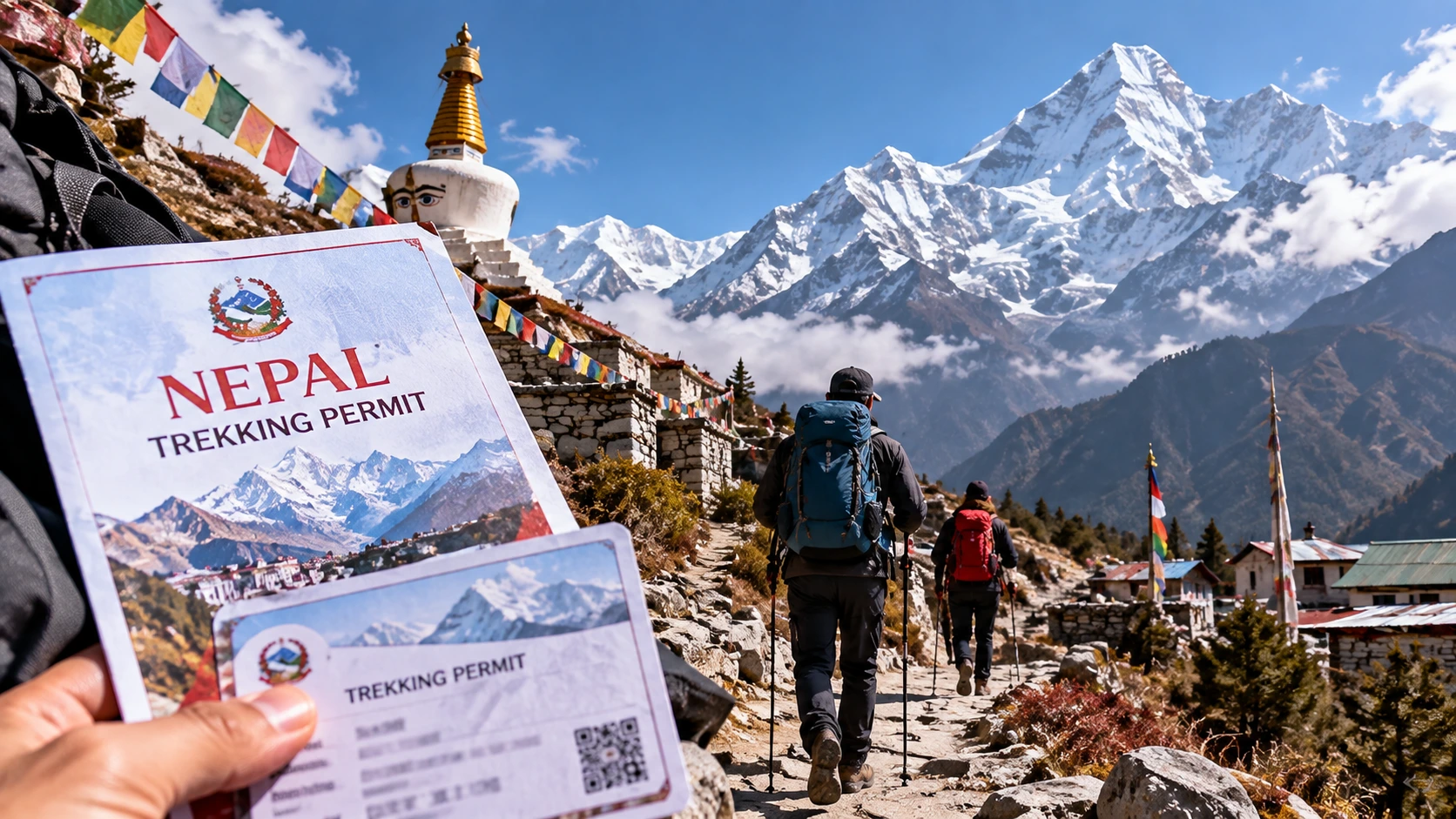
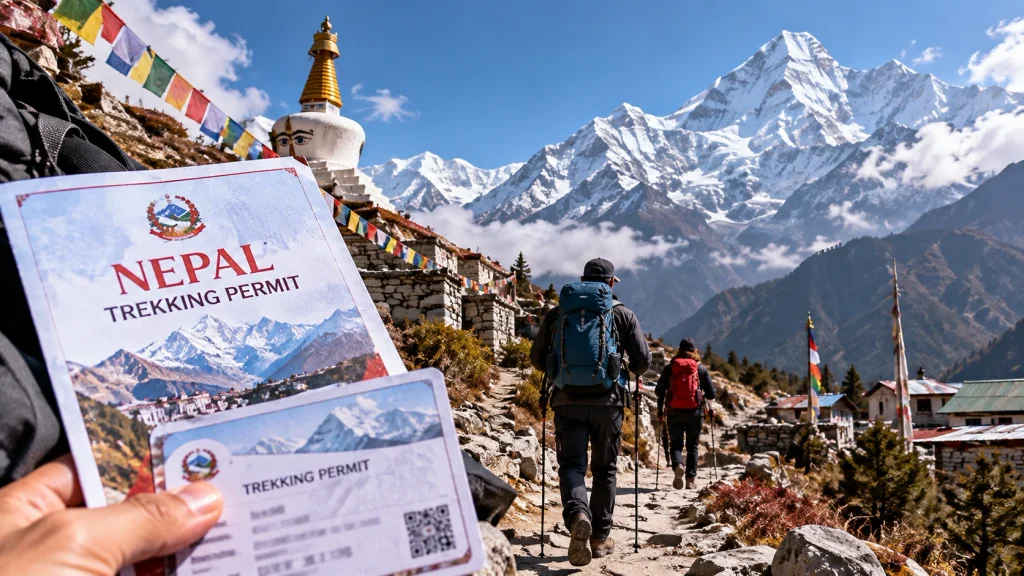
Foreign nationals cannot legally climb a peak in Nepal simply by paying the royalty fee at the border. The Nepal Tourism Board (NTB) strictly requires all international mountaineers to hire a government-registered local outfitter to manage their expedition logistics and guarantee emergency support.
The permit application process mandates specific environmental and safety compliance protocols to protect the fragile alpine ecosystem.
- Liaison Officer Requirement: Every expedition team climbing a peak over 6,500 meters must hire a government-appointed Liaison Officer to enforce environmental rules at base camp.
- Garbage Deposit: Teams must pay an upfront, refundable garbage deposit ranging from $500 to $3,000, which local authorities only return after verifying the team brought all waste down from the mountain.
- Mandatory Travel Insurance: Climbers must carry specialized high-altitude rescue insurance covering private helicopter evacuation and medical repatriation.
- Restricted Area Visas: Approaching specific mountains requires regional trekking permits from the Department of Immigration and entry fees managed by the Department of National Parks and Wildlife Conservation.
Travelers planning standard trekking routes near the Manaslu Circuit or Dhaulagiri base camps should prepare for heavy trail traffic and limited teahouse availability during the October peak window. Trekking groups must yield the right of way to heavily loaded mule trains and porters carrying expedition supplies up the narrow valleys to avoid accidents.