The Trump administration is preparing to revoke up to 200,000 U.S. business and tourist visas held by foreign nationals who later applied for asylum, potentially creating the largest single mass visa revocation in American history. The move targets B1 and B2 visas issued between 2016 and 2026, according to government documents and officials cited by the Associated Press.

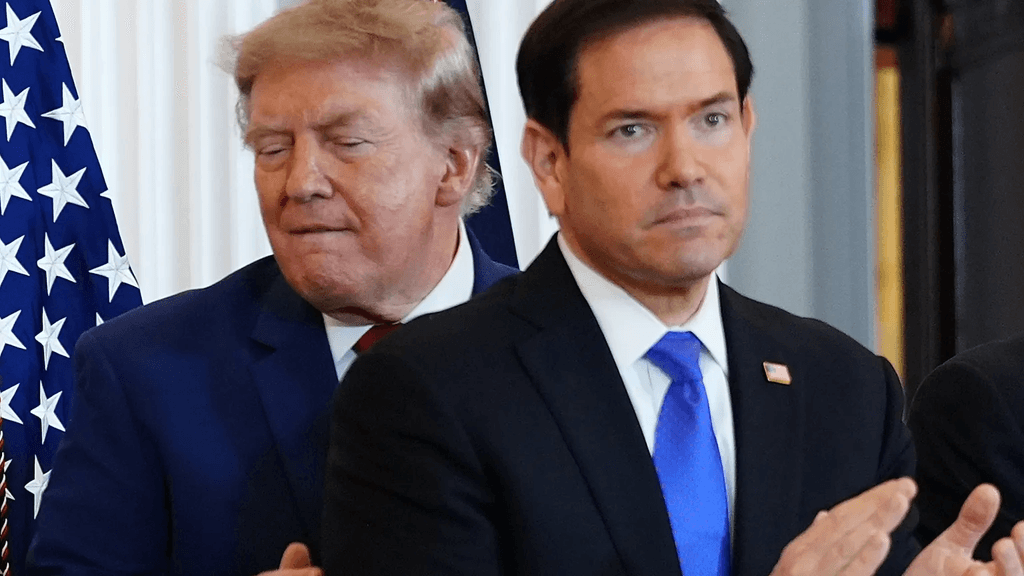
For travelers, families and asylum applicants, the important question is not simply how large the number sounds. It is who is actually affected and what visa revocation changes in practical terms.
Who could lose a U.S. B1 or B2 visa?
The planned action targets people who entered or received visas for temporary business or tourism and later sought asylum in the United States.
B1 visas generally cover qualifying business travel, while B2 visas are commonly used for tourism and visits. The proposed review covers visas issued over a decade, from 2016 through 2026.
| Key question | Latest answer |
|---|---|
| How many visas could be revoked? | Up to 200,000 |
| Which visas? | B1 and B2 visitor visas |
| Which issuance years? | 2016–2026 |
| Who is targeted? | Visa holders who sought or are seeking asylum |
| Does revocation equal immediate deportation? | No |
The State Department has not publicly confirmed that every person within the potential pool will ultimately lose a visa, so “up to 200,000” is the accurate figure rather than stating that 200,000 revocations have already happened.
Also read – Ranked: The Most Expensive Tourist Visas in the World

Does losing a visitor visa mean immediate deportation?
No. Visa revocation by itself does not automatically mean an asylum applicant will immediately be removed from the United States.
Officials cited by AP said people affected could lose their underlying tourism or business visa status while remaining tied to their asylum proceedings. That creates an unusual situation: a person’s permission connected to the visitor visa can disappear while their asylum case remains unresolved.
This is the detail travelers should understand before reacting to dramatic headlines. A visa, admission status and an asylum application are related immigration issues, but they are not interchangeable legal documents.
Why is the Trump administration revoking these visas?
Administration officials argue that visitor visas should not be used as an entry route for people who ultimately intend to seek asylum.
Deputy Secretary of State Christopher Landau has criticized what the administration considers misuse of the asylum system, while the broader immigration strategy has expanded scrutiny of people who initially entered the country legally. Reuters reports that the administration has already revoked more than 175,000 visas through wider enforcement efforts.
The administration presents the policy as an immigration-control and security measure. Immigration advocates and legal experts, however, argue that asylum is a legal protection process and expect the mass-revocation policy to face court challenges.
Also read – U.S. Plans Mass B1 and B2 Visa Revoke for Asylum Seekers
What should B1/B2 visa holders do now?
Do not cancel travel simply because you hold a B1/B2 visa; the proposed action does not target every tourist or business traveler.
The practical checklist is more specific:
- Check your visa status before international travel, particularly if you have an asylum case.
- Keep copies of immigration notices, passport pages and visa records together.
- Do not assume a visa sticker guarantees admission at the border.
- If your circumstances involve asylum or another immigration case, obtain advice from a qualified U.S. immigration attorney before leaving the country.
- Rely on the official U.S. Department of State visa information rather than social-media screenshots or forwarded messages.
A particularly important travel mistake to avoid is departing the United States without first understanding how leaving could affect a pending immigration case. Immigration circumstances vary significantly from person to person.
Are ordinary U.S. tourists affected by the 200,000 visa plan?
Most ordinary B1/B2 travelers who have not sought asylum are not the group described in the reported mass-revocation plan.
Someone planning a two-week U.S. holiday should therefore not interpret this announcement as the cancellation of 200,000 random tourist visas.
The reported trigger is the combination of holding a visitor visa and subsequently applying for asylum.
When will the U.S. visa revocations happen?
The revocations were still being prepared as of late August 2026 and had not yet been completed as one blanket action.
AP reported that the State Department could announce the revocations in the coming weeks unless the plan is revised or challenged.
That makes this a policy travelers should watch rather than panic over. The most useful next update will not be another headline saying “200,000 visas”; it will be official guidance explaining precisely whose visas were revoked, how affected individuals are notified and whether courts intervene.