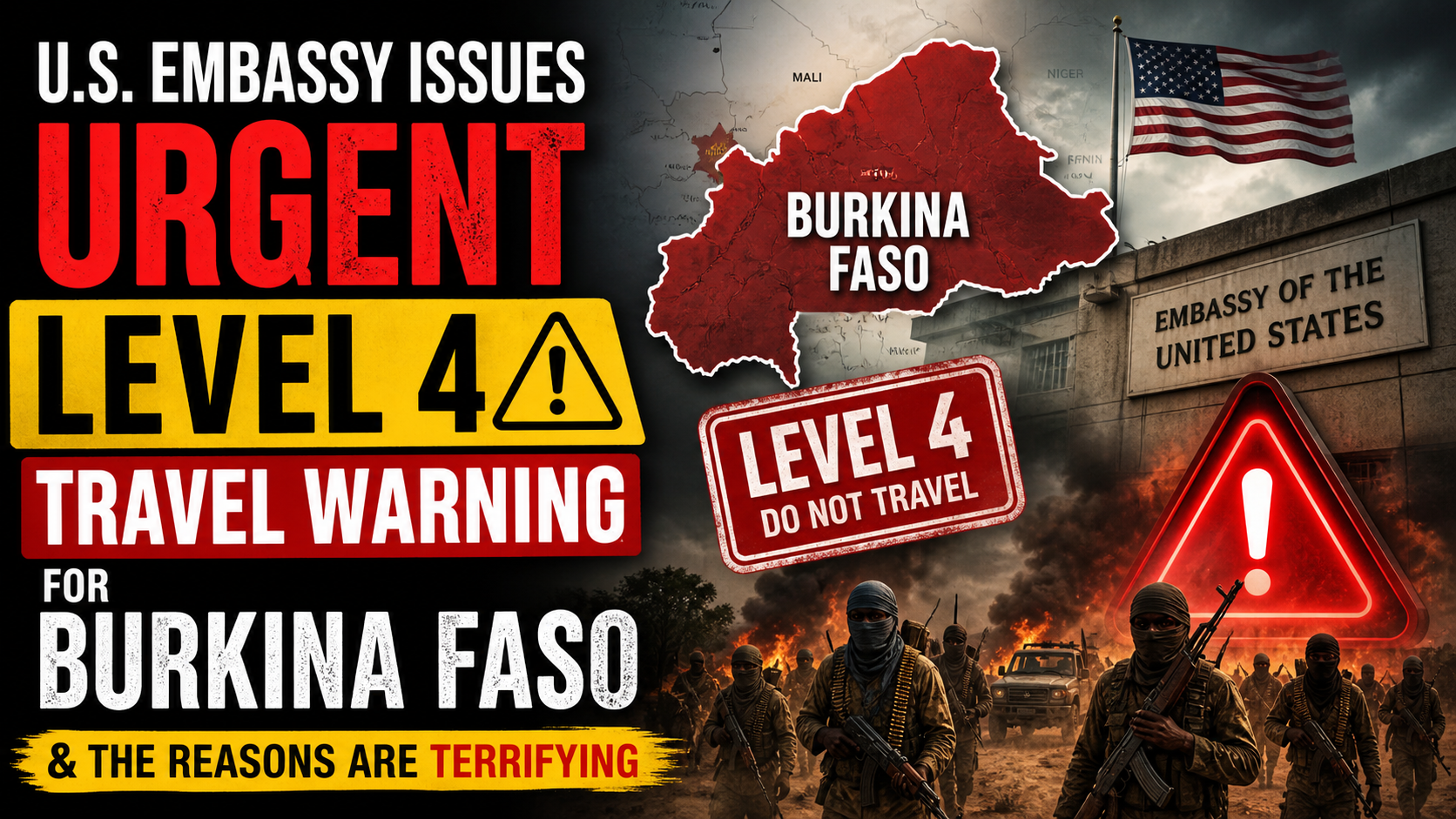
Terrorist groups actively plan and carry out attacks across the entire country. These armed organizations frequently target foreigners to kidnap them for ransom. Kidnapping and extortion serve as major funding sources for these criminal networks.

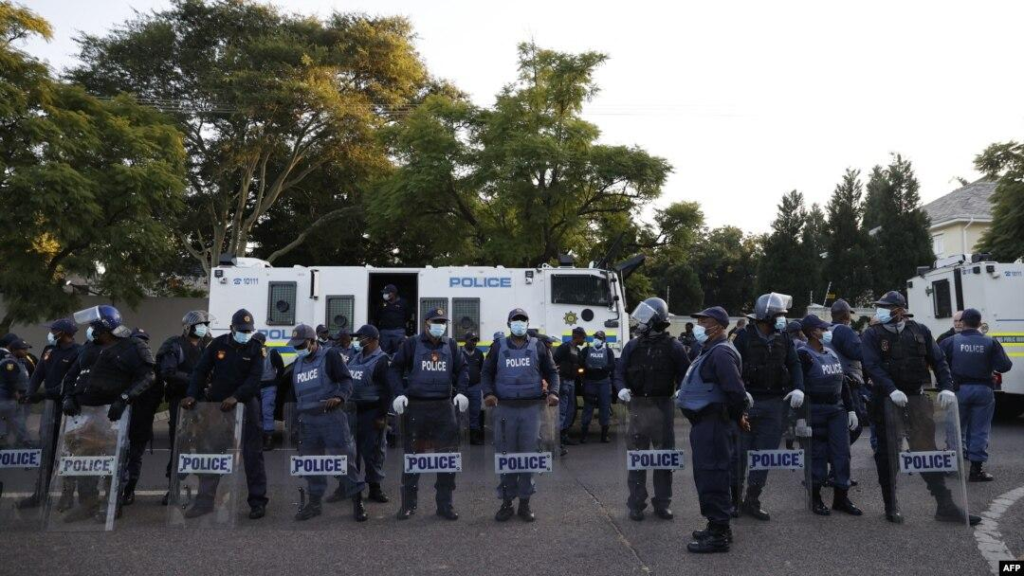
The threat of kidnapping remains very high for Westerners. The danger is worst in the Sahel and East regions, but incidents also happen frequently in the capital city of Ouagadougou. Travelers should review the [suspicious link removed] provided by the U.S. Department of State for more details.
Common Terror Targets
Terrorists often attack without any warning. They generally focus on these specific locations:
- Spots popular with foreigners and tourists
- Police stations and military posts
- Customs offices and government buildings
- Mining sites and surrounding areas
- Night clubs, hotels, and restaurants
- Places of worship and religious sites
- International diplomatic missions
Severe Crime and State of Emergency Areas
Violent crime happens daily in Burkina Faso. Armed robbery, assault, carjacking, and home invasions are common. These crimes spike during local holidays and seasonal events. Armed groups frequently set up roadblocks on major highways and attack civilian, commercial, and government vehicles.

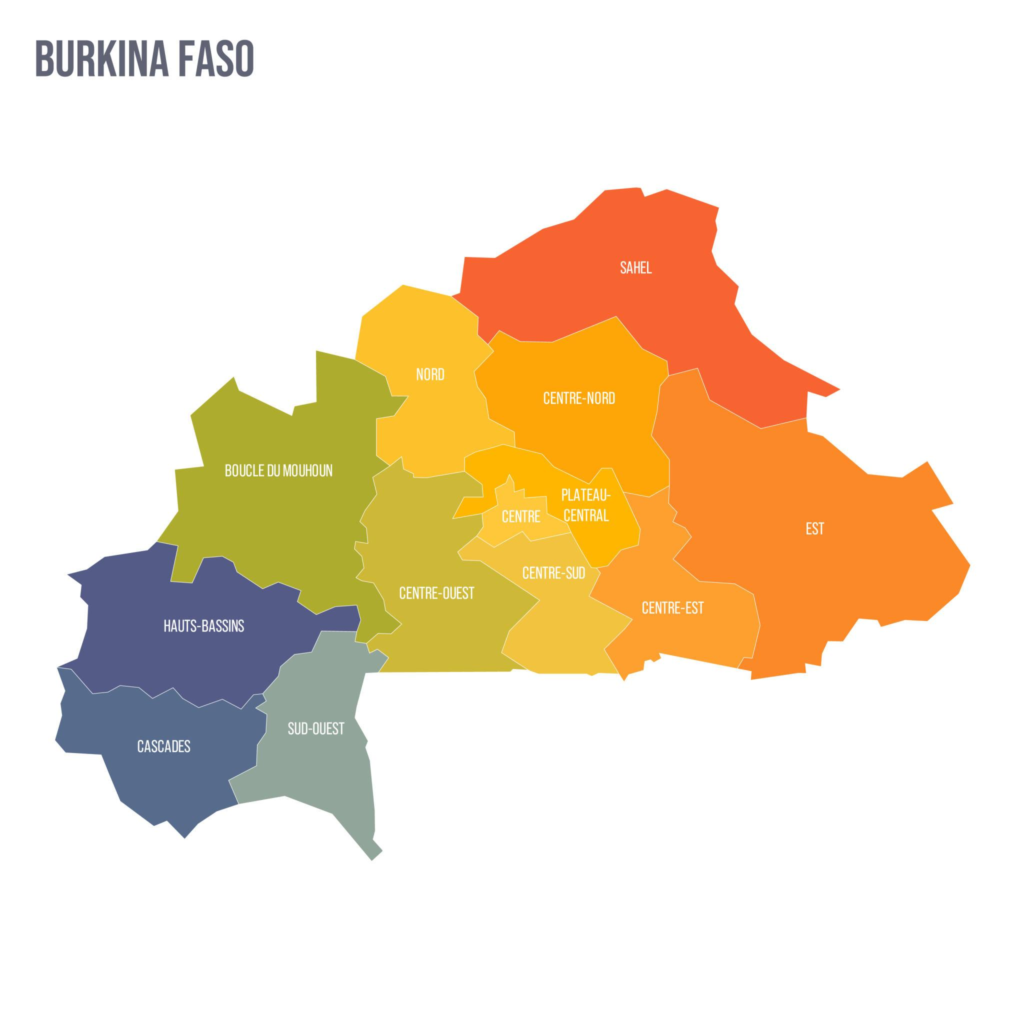
The Government of Burkina Faso currently enforces a strict State of Emergency across multiple territories.
State of Emergency Territories in Burkina Faso
| Region | Specific Affected Provinces |
| Sahel Region | The entire region |
| East Region | The entire region |
| Boucle de Mouhoun | Kossi and Sourou |
| Hauts Bassins | Kenedougou |
| North Region | Loroum |
| Center-East Region | Koulpelogo |
Local police may also fail to recognize your dual nationality. If you are a citizen of both the U.S. and Burkina Faso, local authorities might not recognize your American status. You should read the official rules on Dual Nationality to understand your rights.
Strict Rules for U.S. Government Employees
The U.S. government does not let its own employees travel freely. Workers stationed in Burkina Faso cannot leave the city limits of Ouagadougou due to extreme safety risks.
Officials also tell staff to avoid moving at night through the Balkiui and Rayongo neighborhoods, which sit inside Ouagadougou’s Arrondissement 11. The embassy tells all private American citizens to follow these exact same safety rules.
Action Plan for Americans Still in Burkina Faso
If you choose to stay in the country despite the Level 4 warning, you must take immediate steps to protect yourself.
- Sign Up for Alerts: Enroll in the Smart Traveler Enrollment Program (STEP) so the embassy can reach you during an emergency.
- Review Safety Guidelines: Read official documents on Terrorism, Travel to High-Risk Areas, and Crime Abroad. You should also look at resources for Americans Missing Abroad and Victims of Crime.
- Make an Exit Plan: Create a way to leave the country that does not rely on U.S. government rescue. Read up on Crisis and Evacuations.
- Consult Security Experts: Review the OSAC Country Security Report for Burkina Faso and build a personal security plan with your employer.
- Protect Your Assets: Write a will, set up a power of attorney, and pick insurance beneficiaries. Talk to your family about custody plans for children and pets.
- Set Up Proof of Life: Establish a proof of life protocol with your family. Share specific questions and answers only you would know so your family can confirm you are alive if taken hostage. You should also leave DNA samples with your doctor.
- Secure Your Digital Footprint: Delete sensitive photos or controversial comments from your phone, laptop, and social media accounts before traveling.
- Stay Low Profile: Leave expensive items at home. Always lock your doors, set alarms, and only stop for police in well lit areas with multiple officers.
- Get Good Insurance: Buy a plan from a reliable travel insurance provider that fully covers medical evacuation and trip cancellation.
Watch local news closely and be ready to change your plans at a moment’s notice.