
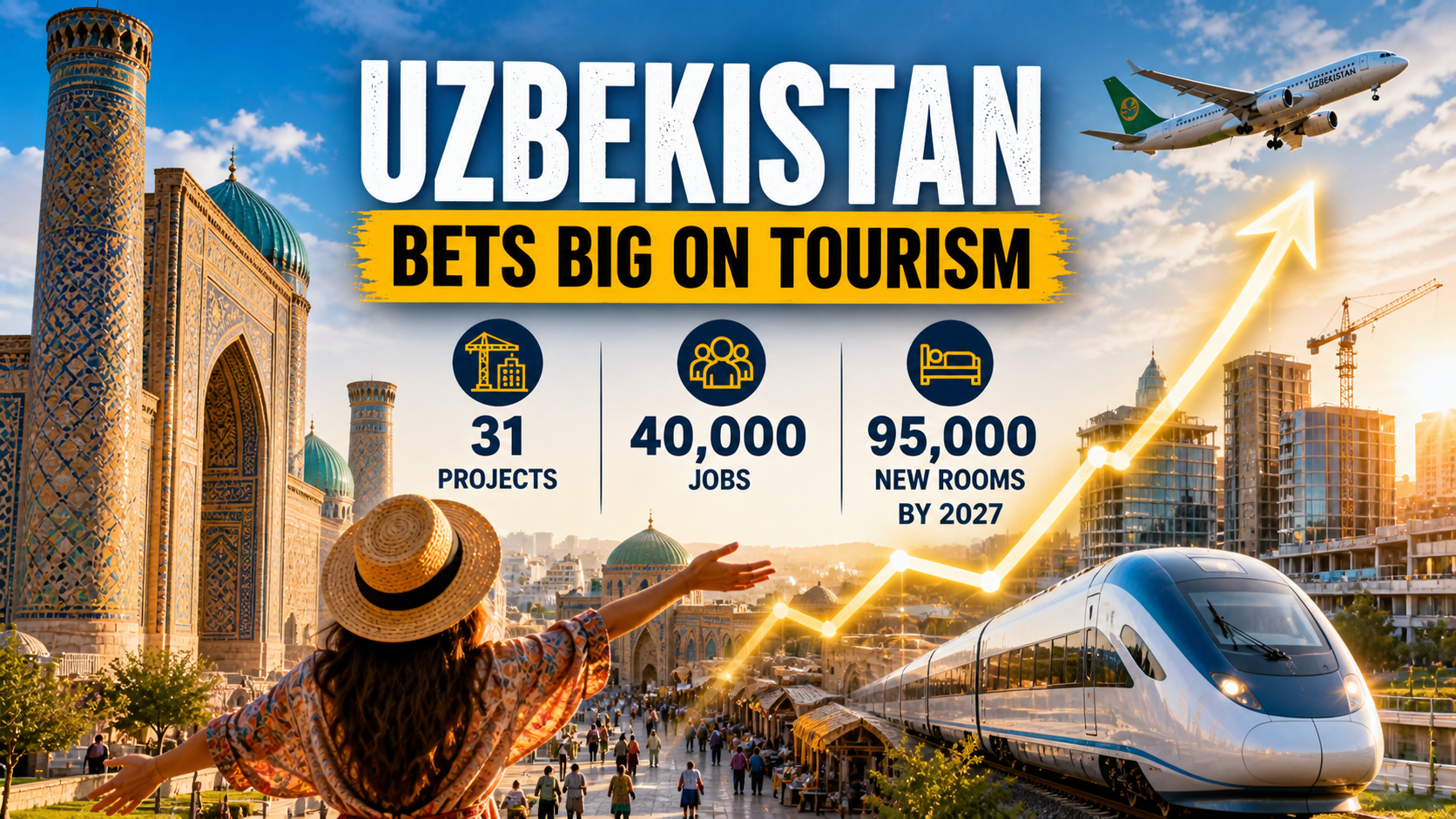
Central Asian destination rolls out aggressive infrastructure expansion and financial incentives to capture growing Silk Road travel market.

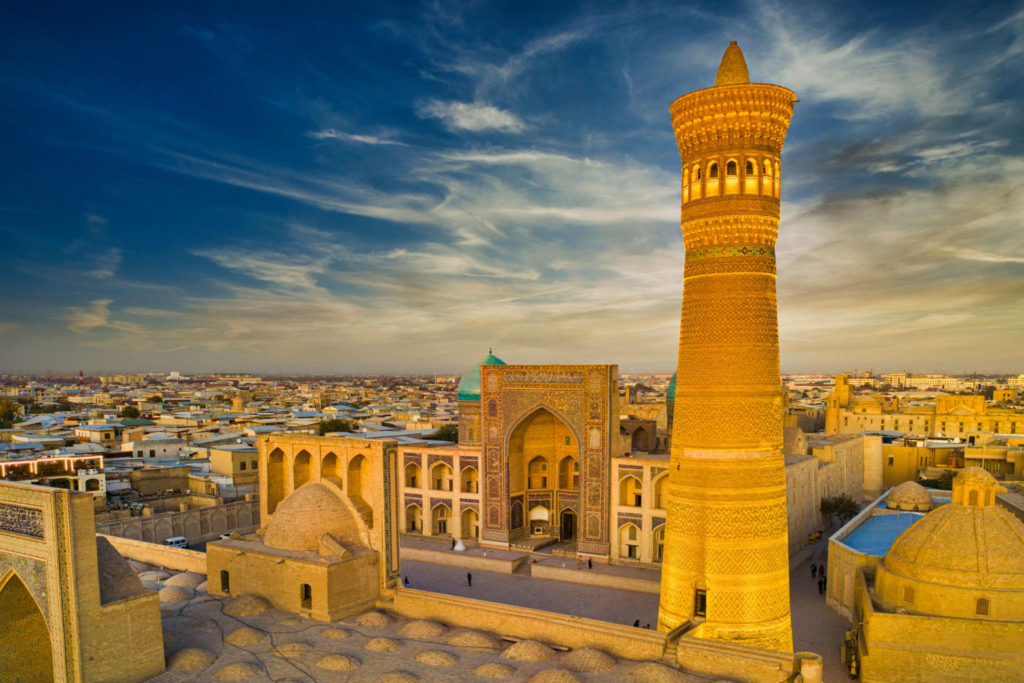
Uzbekistan is launching an ambitious tourism infrastructure offensive, targeting 31 major projects and 40,000 new jobs by 2027 as the former Silk Road hub races to capitalize on surging interest in Central Asian travel.
The Uzbekistan Tourism Committee announced the comprehensive expansion plan this week, outlining a dual strategy of hard infrastructure development and financial incentives designed to position the country as a premier destination between Europe and Asia.
Uzbekistan Tourism Infrastructure 2027: The Numbers That Matter
The scope of the expansion is substantial. By the end of 2027, Uzbekistan aims to more than double its accommodation capacity, scaling up to:
| Infrastructure Target | Current Baseline | 2027 Goal | Growth |
|---|---|---|---|
| Total accommodation facilities | ~4,200 | 8,250 | +96% |
| Total rooms | ~52,000 | 95,000 | +83% |
| Hotels | ~750 | 1,380 | +84% |
| Jobs created | — | 40,000 | New target |
The employment target breaks down into 24,000 freshly created positions and the formalization of 16,000 existing informal roles — a move that signals Tashkent’s intent to professionalize the sector while expanding it.
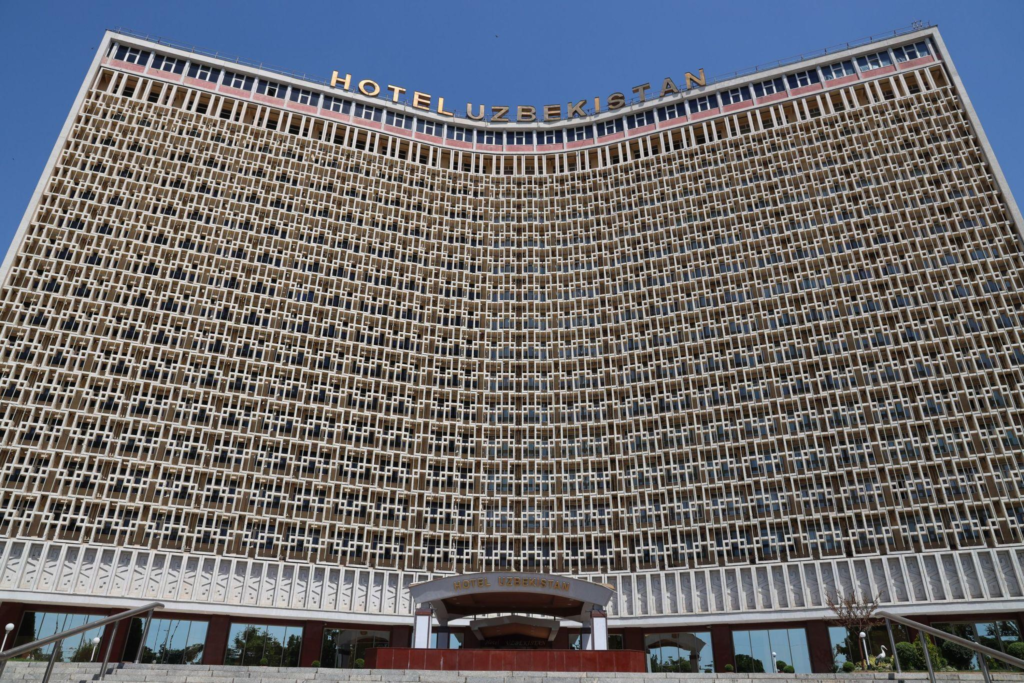
31 Tourism Projects Uzbekistan: Modern Management Takes Over
Gone are the days of ad-hoc development. The government is introducing project-based management across all 31 identified tourism initiatives, a shift that tourism officials say will improve accountability and execution speed.
The 31 projects focus on four pillars:
- Regional infrastructure upgrades — improving roads, utilities and access to secondary cities beyond Samarkand and Bukhara
- Service quality enhancement — standardized training and certification programs
- Tourist flow optimization — digital booking systems and visitor management tools
- Public-private partnerships — incentivizing private investment in hospitality and experiences
“This isn’t just about building more hotels,” said a Tourism Committee spokesperson. “We’re restructuring how tourism projects are conceived, funded and delivered. Every initiative now has clear KPIs, timelines and responsible parties.”
Also read – The One Change That Finally Opened Bhutan to Tourists
Uzbekistan Hotel Expansion: 1,380 Properties and 95,000 Rooms Pipeline
The accommodation push targets both quantity and quality. While the 1,380-hotel target includes budget and mid-range properties to serve backpackers and regional tourists, there’s also a parallel push for upscale international brands.
Geographic distribution priorities:
- Samarkand & Bukhara — Heritage tourism hubs getting 40% of new capacity
- Tashkent — Business and transit travelers, 25% of expansion
- Khiva & Nukus — Emerging cultural destinations, 20% allocation
- Mountain and eco-tourism zones — Nuratau, Chimgan, Ustyurt Plateau, 15% reserved
Industry observers note that the 95,000-room target would bring Uzbekistan’s hotel density closer to Morocco and Jordan — countries that have successfully scaled tourism while preserving cultural assets.
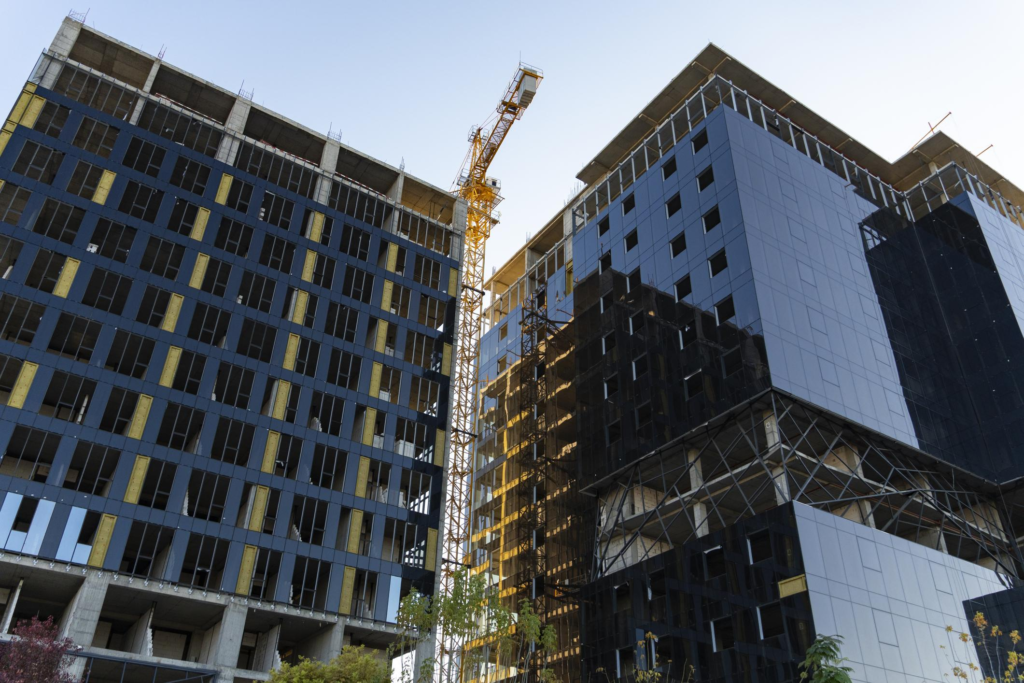
Uzbekistan Tourism Incentives 2026: Cash Back for Tour Operators
Starting September 1, 2026, the government flips the switch on a new incentive regime designed to make Uzbekistan more competitive against regional rivals like Kazakhstan and Kyrgyzstan.
What’s on the table:
- Travel cost reimbursement — Foreign tour operators invited to familiarization trips can claim partial refunds on flights, hotels and meals
- Marketing compensation — Up to 25% reimbursement (capped at UZS 500 million, approximately $40,000) for international promotional campaigns
- Event financing — Partial government funding for cultural festivals and public events organized by private entrepreneurs
The move is a direct response to feedback from international tour operators who cited high upfront marketing costs as a barrier to promoting Uzbekistan in Western markets.
Job Creation Uzbekistan: 40,000 Positions and Formalization Push
The 40,000-job target isn’t just about headcount — it’s about quality and legality. The formalization of 16,000 existing informal positions means bringing unregistered guides, drivers and hospitality workers into the tax and social security system.
Employment breakdown by sector:
- Accommodation & food services — 18,000 jobs
- Transport & tour operations — 9,000 jobs
- Cultural sites & museums — 5,000 jobs
- Adventure & eco-tourism — 4,000 jobs
- Administrative & support services — 4,000 jobs
The government is pairing this with vocational training programs in partnership with Turkish and South Korean hospitality institutes, aiming to raise service standards to international benchmarks.
Why Uzbekistan Tourism Growth Matters Now
The timing is strategic. Post-pandemic travel patterns show growing appetite for “undiscovered” destinations, and Uzbekistan’s visa liberalization policies (e-visas for 87 countries, visa-free for 15) have already produced results — international arrivals jumped 35% year-on-year in 2024.
But infrastructure lagged behind demand. Travelers reported bottlenecks during peak seasons in Samarkand, with hotel occupancy rates exceeding 95% and tour guide shortages during spring and autumn.
The 2026-2027 roadmap addresses these pain points head-on, with a clear-eyed recognition that Central Asia’s tourism race is intensifying. Kazakhstan is pushing its “Great Steppe” brand, Kyrgyzstan is marketing mountain trekking, and Turkmenistan remains largely closed. Uzbekistan, with its UNESCO World Heritage cities and relatively open borders, is positioning itself as the region’s anchor destination.
What Could Go Wrong?
Ambitious targets carry risks. Industry analysts point to three potential challenges:
- Workforce training lag — Building hotels is faster than training seasoned hospitality staff
- Infrastructure coordination — Roads, water and electricity must keep pace with hotel construction
- Preservation vs. commercialization — Balancing tourist volumes with heritage site conservation
The government’s project-based management approach suggests awareness of these pitfalls. Whether execution matches ambition will become clear over the next 18 months as the first wave of projects breaks ground.
Methodology: Information sourced from official Uzbekistan Tourism Committee statement released. Employment and infrastructure targets represent government projections for 2026-2027 period. Currency conversion: UZS 500 million ≈ USD $40,000 at current exchange rates.