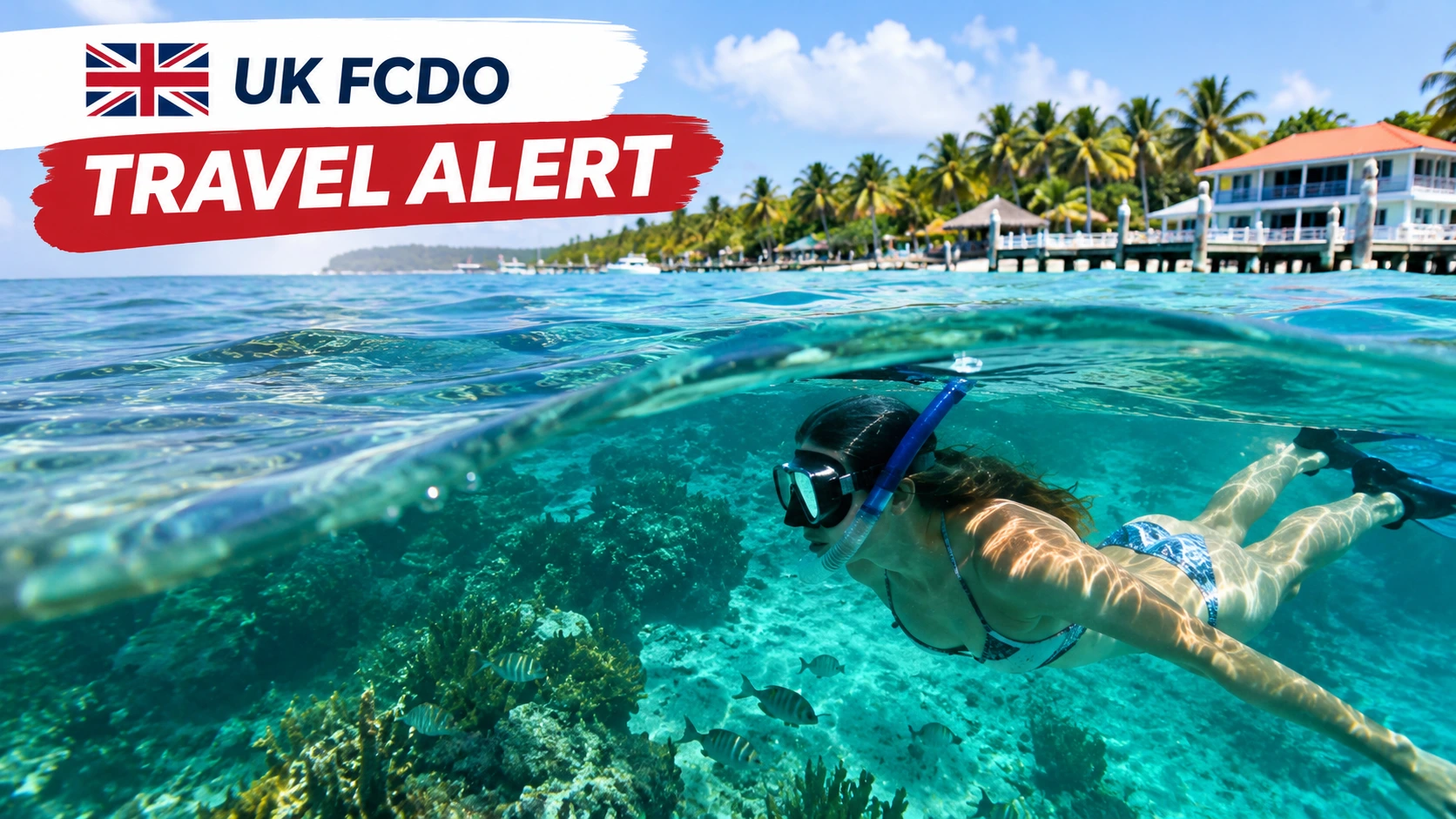
The UK Foreign, Commonwealth & Development Office (FCDO) explicitly warns tourists visiting Belize to exercise extreme caution when snorkeling near Ambergris Caye due to rising safety incidents involving severe weather and unregulated boat traffic. Snorkelers swimming outside designated safe zones face immense physical danger from high-speed water taxis navigating the narrow channels of the Belize Barrier Reef. Travelers must prioritize high-visibility safety gear and strictly utilize licensed tour operators to avoid life-threatening maritime accidents.
Why Unregulated Boat Traffic Threatens Ambergris Caye Snorkelers
Ambergris Caye lacks clearly cordoned-off swimming zones along its primary eastern coastline, forcing snorkelers to share shallow waters with motorized water taxis and commercial dive boats. Snorkelers floating face-down near the surface become nearly invisible to boat captains accelerating through the active reef channels. The FCDO Belize Travel Advice specifically cites inadequate safety precautions as a leading cause of aquatic fatalities in the region, directly referencing the severe danger of open-water boat strikes.
Tourists venturing past the end of the resort docks without a brightly colored diver-down buoy place themselves directly inside active navigation lanes. High-speed boat collisions in these coastal waters result in massive physical trauma, prompting local authorities to heavily restrict independent swimming near busy thoroughfares like the Hol Chan Marine Reserve.

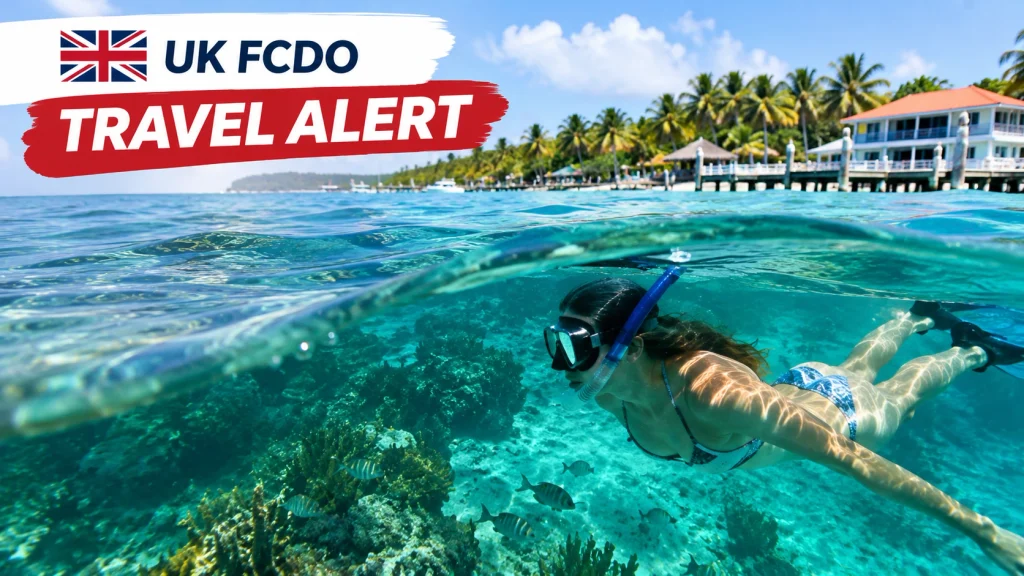
How to Verify Belize Snorkel Tour Operator Licenses
The FCDO strongly dictates that all foreign nationals must book water excursions exclusively through registered and licensed Belizean operators. Independent boat owners often walk the beaches of San Pedro offering heavily discounted snorkeling trips to the barrier reef. These unlicensed vessels frequently lack mandatory safety equipment, including working VHF marine radios, onboard emergency oxygen tanks, and functional life jackets.
Before handing over any cash, tourists must verify the captain’s credentials issued by the Belize Tourism Board. Ask the tour agency specific safety questions regarding their guide-to-swimmer ratios and their emergency response protocols for extracting injured divers from the water.
| Verification Step | Licensed Operator Standard | Unlicensed Street Vendor |
| Credentials Check | Displays official Belize Tourism Board license | Offers no official business documentation |
| Safety Equipment | Carries VHF radio, oxygen, and life vests | Relies on mobile phones with spotty signal |
| Guide Ratio | Provides one expert guide per eight snorkelers | Leaves snorkelers unsupervised in the water |
| Weather Rules | Cancels trips automatically during high swells | Operates recklessly in dangerous conditions |
FCDO Weather Directives for Offshore Reef Swimming
Tropical weather systems across the Caribbean alter ocean currents rapidly, transforming calm snorkeling sites into dangerous rip tides within minutes. The FCDO warns that severe weather conditions directly contribute to tourist drowning incidents along the Belizean coast. High swells rolling through the reef cuts generate massive surges that easily overpower inexperienced swimmers and smash them against sharp coral formations.
Also read – Forget the Cotswolds: 7 Secret UK Villages With Zero Tourists
Travelers must independently check local marine forecasts before boarding a tour boat. The UK government advises all visitors to monitor severe weather updates directly through the US National Hurricane Center and the National Meteorological Service of Belize. If regional authorities issue a small craft advisory, you must cancel your snorkeling plans immediately, regardless of what an aggressive tour operator claims about the safety of the reef.
Medical Evacuation Realities Following Water Accidents
Healthcare infrastructure on Ambergris Caye remains heavily limited, meaning the island cannot handle severe marine trauma or complex surgical emergencies. The local polyclinic in San Pedro stabilizes patients, but serious medical cases require an immediate, highly expensive airlift to the United States for life-saving treatment. The FCDO emphasizes that these international medical evacuations happen entirely at the patient’s personal financial expense.
Standard domestic health insurance plans do not cover international air ambulances, which easily cost upwards of $50,000. You must purchase comprehensive travel insurance that explicitly includes high-limit medical evacuation coverage before entering Belizean waters. Verify that your insurance policy covers offshore water sports, as some budget insurers automatically exclude open-water snorkeling accidents from their payout structures.
Mandatory Safety Protocols for Swimming in Belizean Waters
Mitigating the risks outlined by the UK FCDO requires strict adherence to international water safety guidelines endorsed by maritime organizations like the Royal Life Saving Society. Tourists must take proactive, physical steps to increase their visibility and protect themselves from negligent boat operators.
- Wear high-visibility gear: Always wear a brightly colored neon rash guard and secure an inflatable safety sausage (surface marker buoy) to your waist before entering the ocean.
- Stay inside dock perimeters: Never attempt to swim from the beach directly out to the barrier reef, as this path crosses heavily trafficked boat commuter lanes.
- Refuse night swimming: Do not swim or snorkel after dusk, as boat captains have absolutely zero visibility to spot people floating in the dark water.
- Use a flotation device: Secure a specialized snorkel vest that keeps you buoyant, preventing exhaustion if a sudden rip current pulls you away from the anchored tour boat.