
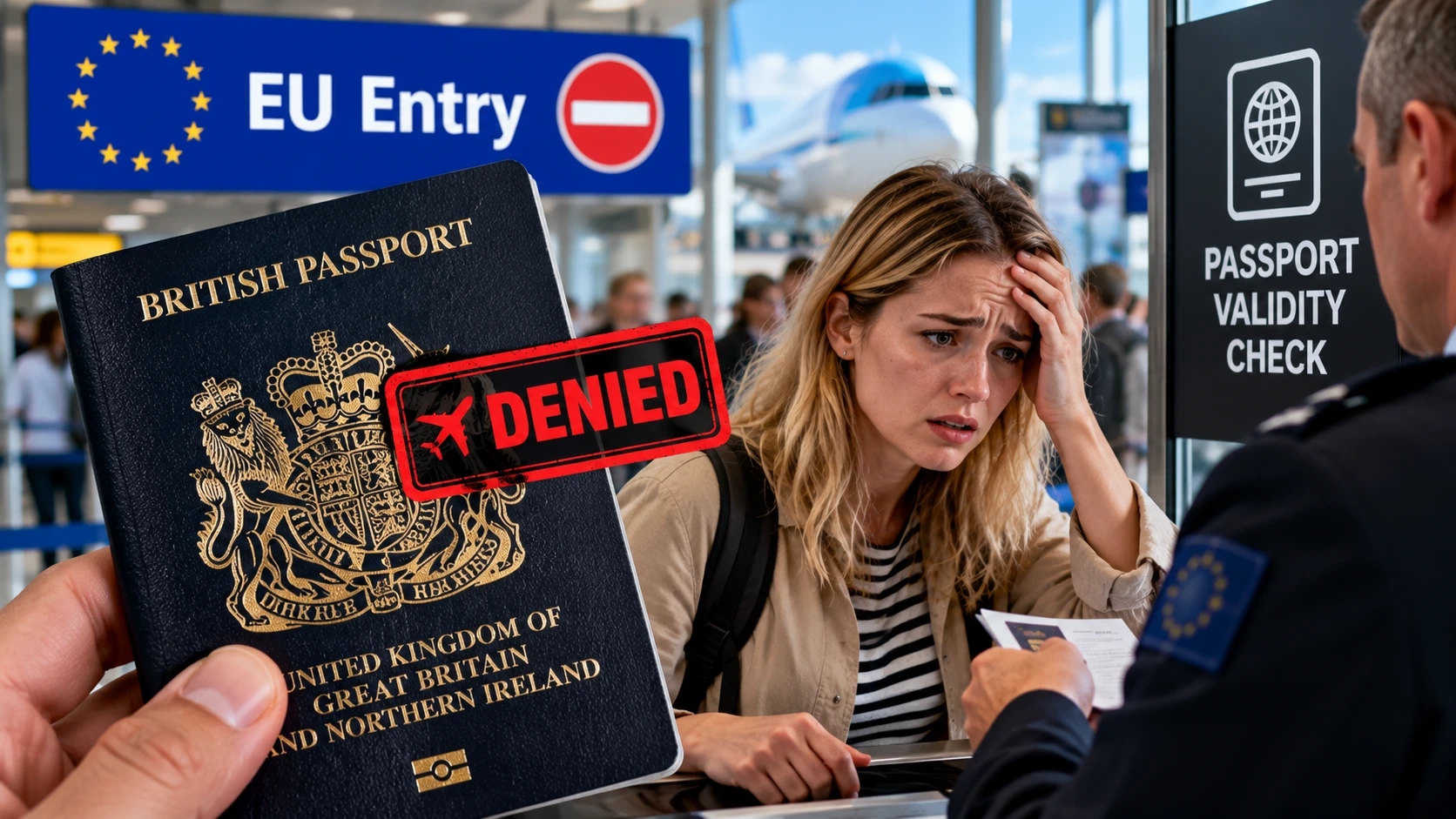
British holidaymakers keep getting turned away at the departure gate for Europe even when their passport has months left on it. The reason is the 10-year rule that kicked in after Brexit. Airlines enforce it strictly. If your passport was issued more than 10 years before the day you enter most EU countries, you will not board.

I have spoken to travellers who walked through security, reached the gate and only then discovered the problem. One couple on a family trip to Greece were escorted back through the airport after staff checked the issue date. Another traveller missed a long-planned visit to France because the extra months carried over from an old passport made the document too old under EU rules. The humiliation and cost of rebooking or cancelling are real.
What Is the UK Passport 10-Year Rule for EU Travel?
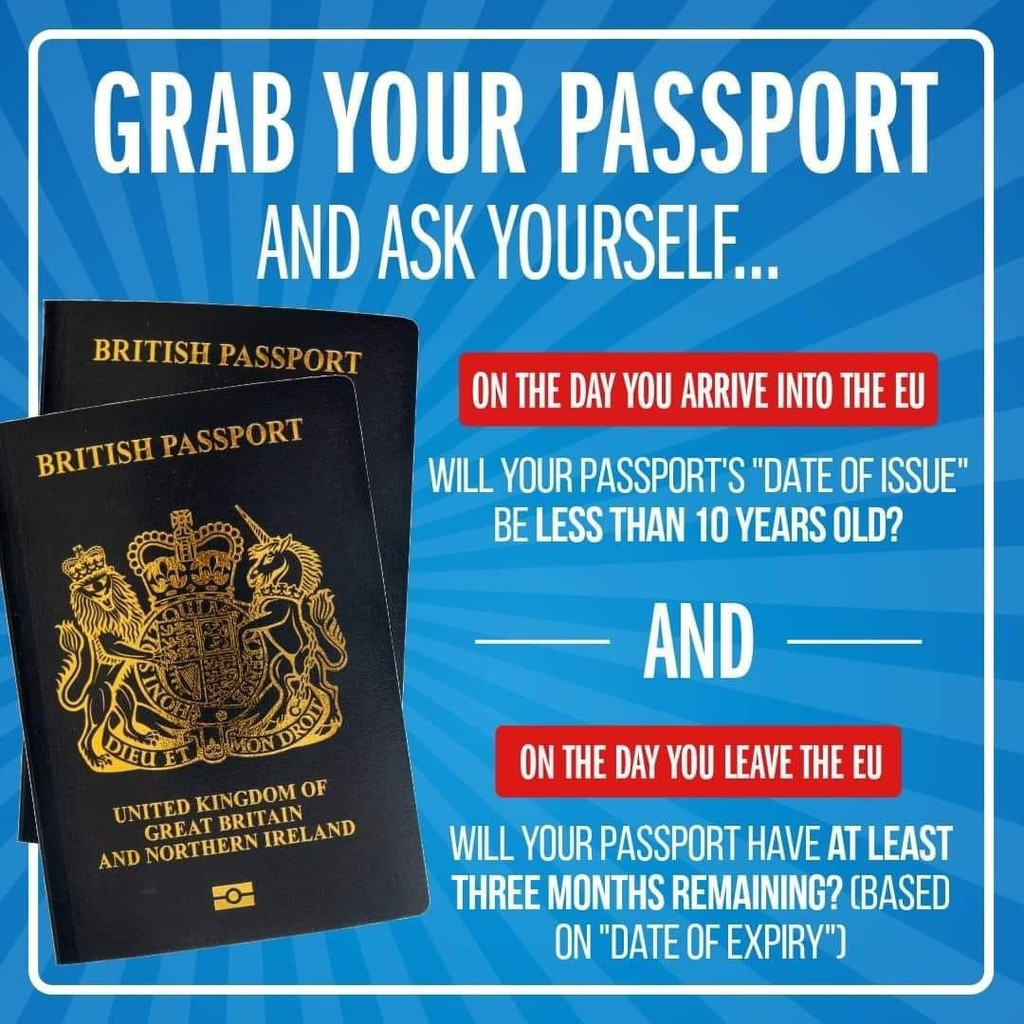
Your British passport must meet two separate conditions for entry into the Schengen area and most EU countries:
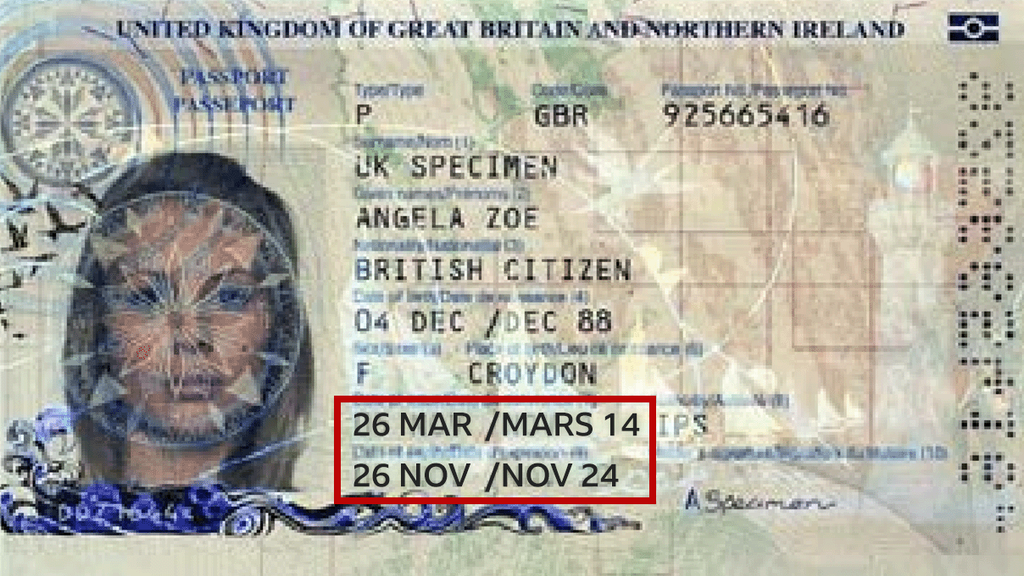
- The date of issue must be less than 10 years before the day you arrive.
- The expiry date must be at least three months after the day you plan to leave the Schengen area.
These rules apply because the UK is now treated as a third country. Ireland is the clear exception because of the Common Travel Area. For Ireland your passport only needs to stay valid for the length of your stay.
The official GOV.UK guidance for France (and the same wording appears for other Schengen destinations) states it clearly: your passport must have a date of issue less than 10 years before the date you arrive, and an expiry date at least three months after the date you plan to leave the Schengen area. The expiry date does not have to fall inside the 10-year window from issue.
Also read – Drunk Onboard? UK Flyers Could Be Banned From Every Airline

Why Do Pre-2018 Passports Cause the Biggest Problems?
Until September 2018 the UK Passport Office added any remaining months from an old passport (up to nine months) onto the new one. That practice created passports that look perfectly valid on the expiry page but are already more than 10 years old on the issue date.
Example that still catches people:
- Passport issued 6 June 2016
- Expiry date 6 March 2027
You book a July 2026 trip to Spain thinking you have plenty of time left. Under EU rules that passport stopped being valid for entry on 6 June 2026. The extra months do not count.
Passports issued after September 2018 are almost always exactly 10 years, so the calculation is simpler. Still check both dates every time.
Which Countries Enforce the 10-Year Passport Rule?
The rule applies to the Schengen area and most EU countries. This includes:
- France, Spain, Italy, Greece, Germany, Portugal, Netherlands, Croatia
- Iceland, Norway, Switzerland, Liechtenstein
Ireland does not apply the 10-year rule. Cyprus and a few other destinations have their own slightly different requirements, so always check the specific country’s entry page on GOV.UK before you book.
Citizens Advice advises the same checks: renew if your passport is 10 years old or more on the day you enter the EU country, or if there is less than three months left at any point during your trip.
How Airlines Enforce the Rule and Why You Get Denied at the Gate
Airlines face fines if they carry passengers who will be refused entry. They check documents at the gate, sometimes after you have already cleared security and passport control. Online check-in and mobile boarding passes do not guarantee the document will pass a final visual or system check.
Travellers report being stopped with only minutes left before departure. Rebooking on the spot is expensive. Some airlines offer limited help; others simply point you back to the check-in desk. Denied boarding compensation under EU261 can apply in some cases if the airline was at fault for incorrect advice, but the safer route is never to reach that point.
Exact Steps to Check Your Passport Right Now
- Open your passport to the photo page.
- Find the “Date of issue”. Add exactly 10 years. That is the last day the passport can be used for entry into the Schengen area.
- Find the “Date of expiry”. Count three months after your planned return date from the Schengen area. Your passport must still be valid on that later date.
- Compare both dates against your exact travel dates.
- Cross-check the destination on the official GOV.UK foreign travel advice page for that country and read the “Entry requirements” section.
Do this for every adult and child in the party. Children’s passports have shorter validity but still follow the same logic for issue and remaining time.
What to Do If Your Passport Fails the 10-Year Rule
Renew before you book or as soon as you realise the problem. Standard online renewals take several weeks in busy periods. For urgent travel the HM Passport Office offers a 1-week Fast Track service and a 1-day Premium service at certain offices. Book the appointment online on GOV.UK as early as possible. Premium appointments fill quickly in school holidays and summer.
Keep the old passport until the new one arrives. You can travel on the new document once you have it; the old one is cancelled.
Practical Tips That Actually Save Holidays
- Check the issue date the moment you start thinking about a European trip, not the week before.
- Photograph both the issue and expiry pages and keep the photos on your phone.
- When booking, add a calendar reminder three months before travel to re-check the dates.
- If you renewed early before 2018, assume the extra months are invisible to EU border systems.
- For multi-country trips, calculate the three-month buffer from the final exit from the Schengen area, not from the first country.
- Carry proof of return travel and accommodation; border officers can still ask even when the passport is fine.
- Travel insurance will not cover a refusal caused by an invalid passport. Disclose any existing medical conditions when you buy cover.
I once helped a friend who nearly lost a ski week in Austria because the issue date was 10 years and four days old. A quick renewal appointment sorted it. Another traveller I know now checks every passport in the family the same day the school holiday dates are announced. That five-minute habit has prevented two near-misses.
Quick Reference Table: Passport Checks for Common Destinations
| Destination | 10-Year Issue Rule | 3-Month Expiry Buffer | Notes |
|---|---|---|---|
| France, Spain, Italy, Greece | Yes | Yes | Full Schengen rules |
| Germany, Netherlands, Portugal | Yes | Yes | Full Schengen rules |
| Switzerland, Norway, Iceland | Yes | Yes | Schengen, not EU |
| Ireland | No | Valid for stay only | Common Travel Area |
| Cyprus | Check specific | Check specific | Not Schengen |
Always verify the latest wording on the official GOV.UK page for the country you are visiting. Rules can be updated and airlines follow the current official requirements.
The 10-year rule is not new, yet it still surprises people every summer and half-term. Treat the issue date as important as the expiry date. Check both, renew early if needed, and you will walk through the gate instead of being turned around. That small habit protects the holiday you have already paid for and the memories you plan to make.