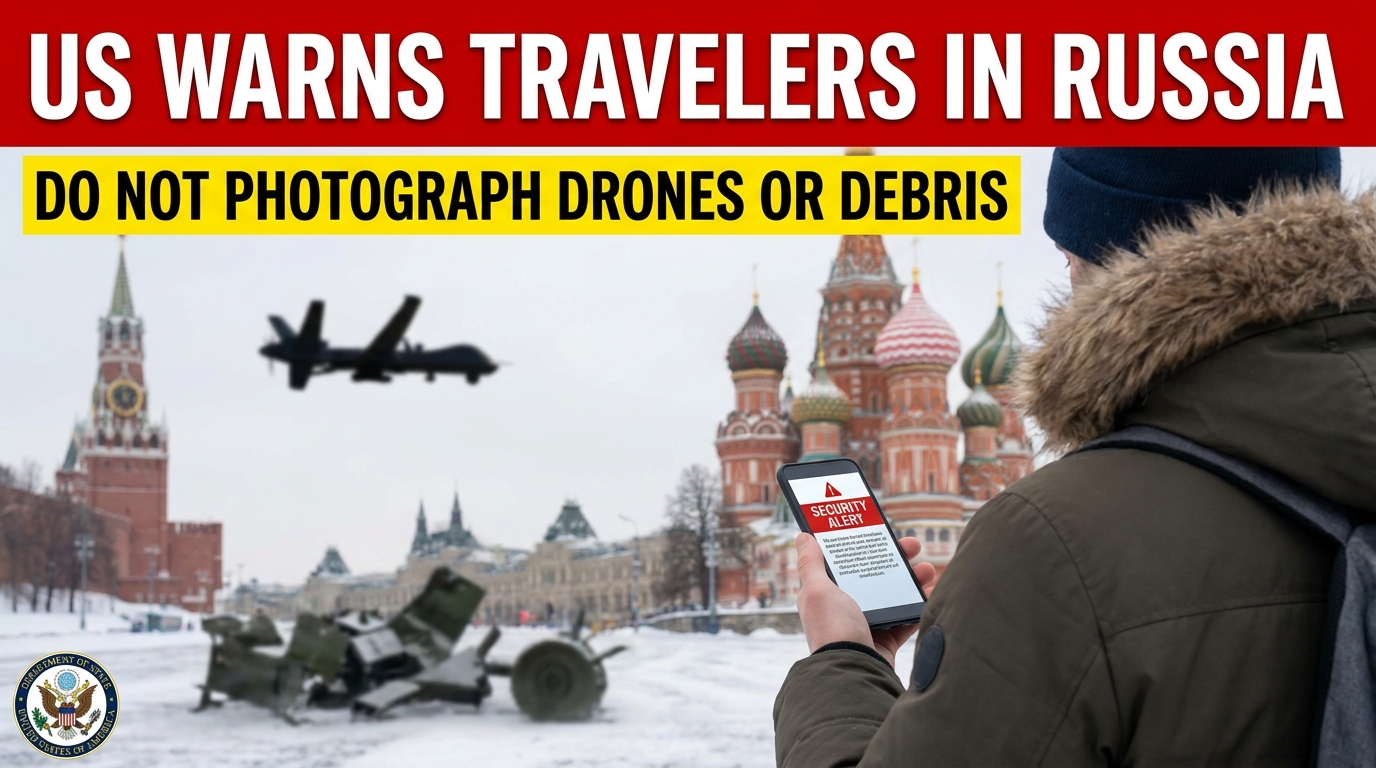
American travelers in Russia are being told not to photograph drones, drone debris, or attack sites after a fresh U.S. Embassy security alert warned of UAV attacks and explosions across parts of Russia. The warning matters because taking photos near a strike scene is not just risky for personal safety. According to the U.S. Embassy alert reported by Kyiv Post and RBC-Ukraine, Russian law can punish people for sharing or publishing images of drone attack aftermath, including UAV parts.

What Did the U.S. Embassy Warn Americans in Russia About?
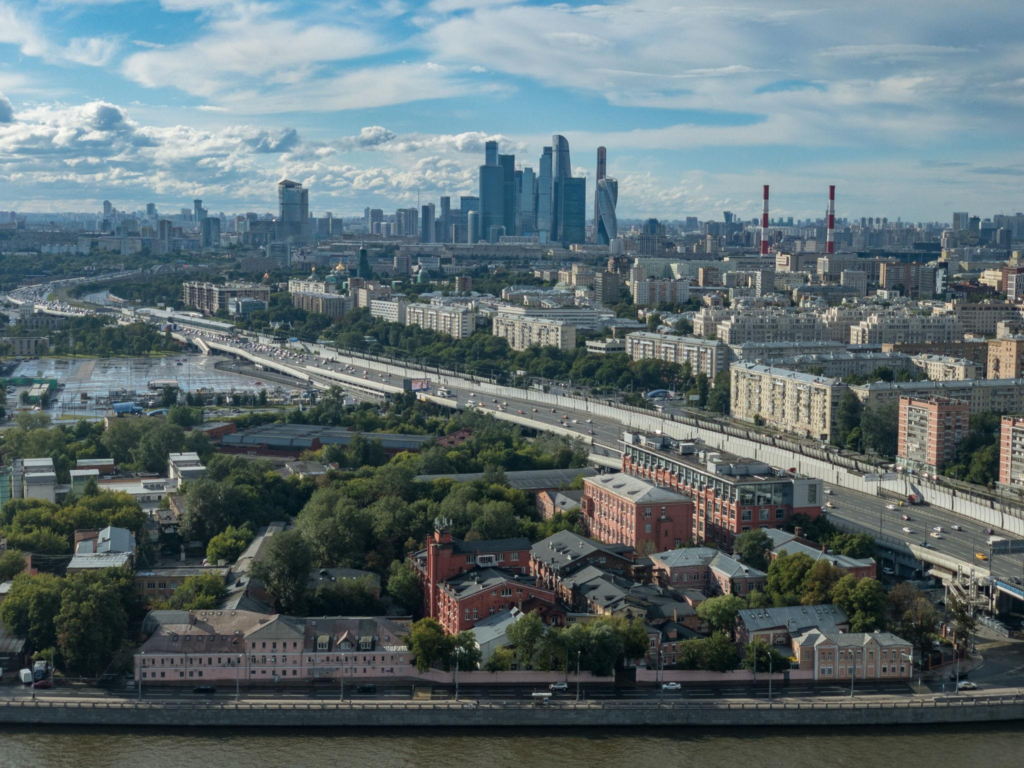
The U.S. Embassy warned Americans about drone attacks and explosions near Ukraine’s border and in major Russian cities, including Moscow, Kazan, and St. Petersburg. The alert followed fresh drone activity affecting Moscow, where Russian officials reported injuries and disruptions after a large attack.
For a traveler, the main message is simple: this is not a moment to film, investigate, or linger. A drone fragment on a road, a damaged building, or smoke near an industrial site may look like a newsworthy photo. In Russia right now, it can also become a legal and security problem.
Also read – UK Eases UAE Travel Advice: What it Means for Dubai …
Can Americans Travel to Russia Right Now?
No, the U.S. State Department’s position is clear: do not travel to Russia. The official Russia travel advisory remains at Level 4: Do Not Travel, citing risks including terrorism, unrest, wrongful detention, drone attacks, limited consular support, and arbitrary enforcement of local laws.
This is especially important for U.S.-Russian dual nationals. Russia may not recognize their U.S. citizenship, and U.S. consular access can be limited or blocked.
What Should You Do If You See a Drone in Russia?
If you see a drone, move away immediately and seek cover. Do not stop to record it. Do not follow other people toward the scene. Do not assume a small object on the ground is harmless.
A safer response looks like this:
- Move indoors or behind solid cover if you hear explosions or see debris falling.
- Leave the area calmly and avoid crowds gathering near the site.
- Follow local authority instructions, even if the information is brief or confusing.
- Do not touch debris, metal fragments, electronics, wires, or unidentified objects.
- Message family only after you are safe, using simple location and status updates.
A practical traveler tip: keep your phone charged, but resist the instinct to open the camera. In a tense security area, a phone pointed at smoke, police, military personnel, or wreckage can attract attention quickly.

What Not to Photograph in Russia After Drone Attacks
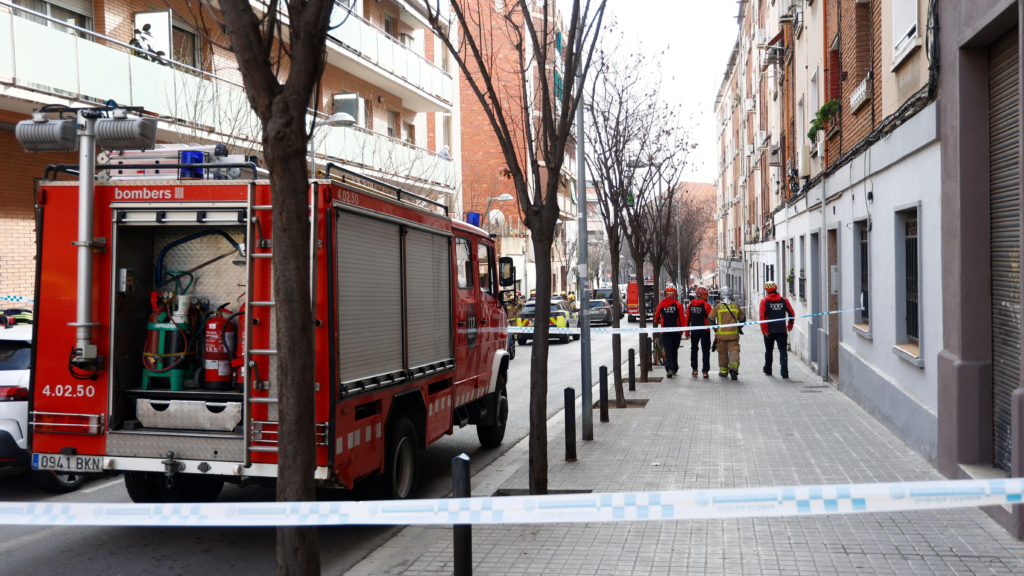
Do not photograph or film drones, debris, air defense activity, damaged sites, emergency responders, or security forces. The Embassy warning specifically highlighted that Russian law may punish people for sharing or publishing photos or videos showing the aftermath of drone attacks.
| Situation | Safer Action | Why It Matters |
|---|---|---|
| Drone seen overhead | Move away and take cover | A second strike or falling debris may follow |
| Debris found on street | Do not touch or photograph it | It may be dangerous or treated as sensitive evidence |
| Smoke near refinery or airport | Leave the area | Security forces may restrict movement |
| Police or military nearby | Keep phone away | Filming security activity can create legal trouble |
| Flight disruption at airport | Monitor airline updates | Drone alerts can trigger delays and closures |
Also read – Vietnam-Russia Travel Surges After Direct Flights & QR Payment
Why This Alert Matters After the Moscow Drone Attack
The alert came after a major Ukrainian drone attack on Moscow on June 18, 2026. Reuters reported that drones struck Moscow’s oil refinery for the second time that week, causing fires and wider disruption in the capital. Kyiv Post also reported that Russian officials said 16 people were injured in the Moscow region.
For travelers, the bigger issue is unpredictability. Drone incidents can affect roads, airports, industrial districts, and city neighborhoods with little notice. Even if a visitor is nowhere near the front line, Moscow, Kazan, St. Petersburg, and other large cities are now part of the U.S. security warning.
What Americans Already in Russia Should Do Now
Americans already in Russia should make a realistic exit and safety plan. The State Department says U.S. citizens in Russia should leave immediately, but commercial travel options may be limited and can change quickly.
Useful steps include:
- Keep your passport, visa documents, cash, and phone charger in one reachable place.
- Share your hotel address, route plans, and check-in times with a trusted person outside Russia.
- Avoid protests, government buildings, military sites, transport hubs during alerts, and crowds near explosions.
- Do not post political comments, drone footage, or security-related images on social media while in Russia.
- Enroll in the Smart Traveler Enrollment Program, known as STEP, if you have not already done so.
Bottom Line for U.S. Travelers in Russia
The safest move is not to travel to Russia, and Americans already there should avoid filming anything connected to drones or security incidents. The fresh alert is not just a general warning. It is practical advice for a fast-changing environment where one photo can create safety, legal, and consular problems.
When in doubt, put the phone away, leave the area, and focus on getting indoors or out of the city zone affected by the alert.