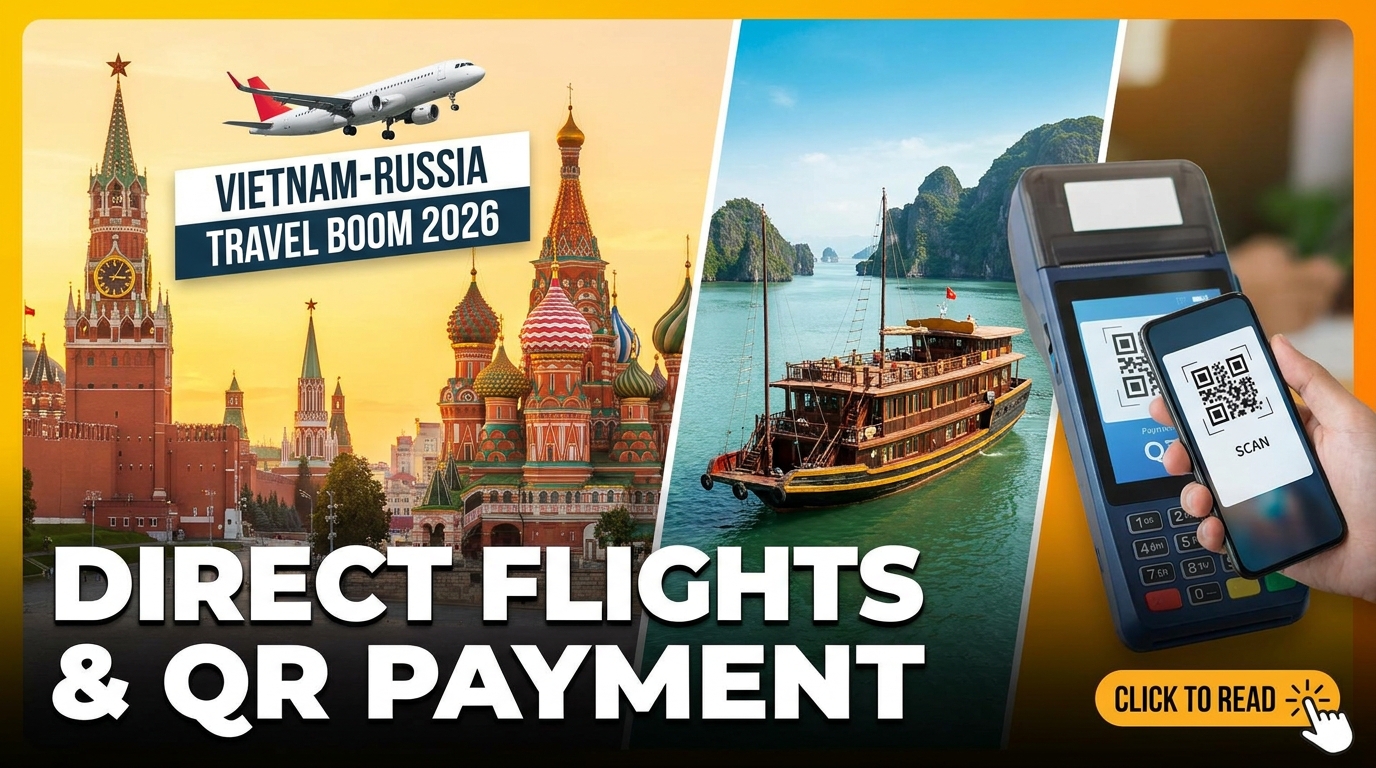
Vietnam is experiencing a record-breaking influx of Russian tourists in 2026, driven by new direct flight routes from twenty-five Russian regions. This growth is supported by strategic diplomatic cooperation, expanded charter flights to coastal gateways, and streamlined electronic visa processes that simplify entry for international travelers.
To sustain this volume, both nations are implementing digital payment systems using QR codes to bypass traditional banking fees. Additionally, Vietnam is investing in bilingual professional training to improve communication, while travelers are encouraged to utilize point-to-point regional flights to enhance efficiency and support sustainable tourism efforts.
Vietnam is experiencing this historic boom because of a strategic expansion of direct regional flights, deeply relaxed e-visa structures, and a coordinated effort to implement seamless digital payment networks.

Why are hundreds of thousands of travelers bypassing traditional transit hubs and flying straight into Vietnam’s coastal gateways this year? If you are planning an international trip, researching flight routes, or analyzing global travel trends, you need to understand this massive shift.
We have rarely seen a bilateral travel corridor explode this quickly and efficiently. Over 500,000 Russian travelers landed in Vietnam in just the first four months of 2026 alone. This is not just a random spike in people looking for sunny beaches. It is a highly calculated transformation of aviation networks, visa policies, and digital banking infrastructure.
We are breaking down the exact mechanics behind this massive travel surge. In this guide, you will learn exactly how these new direct flight corridors operate, why QR-code payments are replacing traditional travel credit cards, and how you can apply these exact logistical upgrades to make your own travel cheaper, faster, and smoother.

Why is Vietnam Seeing a Massive Surge in Russian Tourists in 2026?
Before the pandemic, travel numbers between Russia and Vietnam were strong, but the current momentum is breaking all historical records. Data from the Vietnam National Authority of Tourism paints a very clear picture of this rapid acceleration. In 2025, Vietnam welcomed over 600,000 Russian tourists, matching the all-time historic high. However, the first four months of 2026 shattered expectations by bringing in over 500,000 arrivals in just a fraction of the year.
To handle this massive influx, top diplomatic, banking, and aviation leaders from both countries held a critical high-level seminar in Moscow on May 29, 2026. Their main objective was simple: build a modern, frictionless travel ecosystem that can sustain this volume long-term without overwhelming local resources.
Key Visitor Data at a Glance:
| Time Period | Total Russian Arrivals in Vietnam | Growth Indicator |
| Entire Year 2025 | Over 600,000 | Matched pre-pandemic historic highs |
| Jan – April 2026 | Over 500,000 | Unprecedented rapid acceleration |
| Projected 2026 | Expected to shatter all records | Driven by new charter flight networks |
How Are Direct Flights to Vietnam Expanding from Regional Airports?
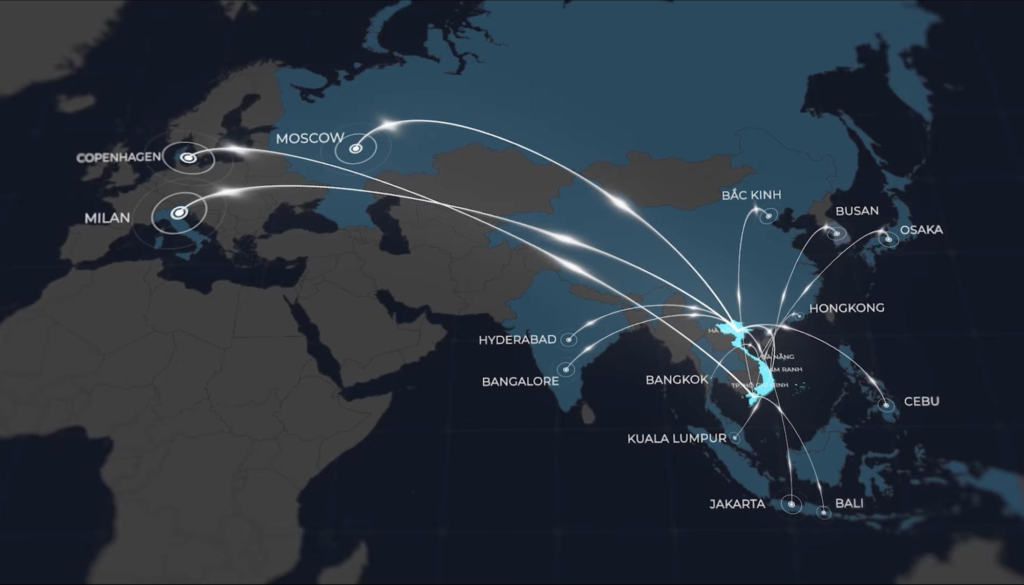
Direct flights are expanding by bypassing major traditional transit hubs entirely, linking 25 inland and remote Russian regions straight to Vietnam’s premier coastal gateways via dedicated charter flights.
Historically, travelers moving between these two nations had to navigate lengthy, multi-stop itineraries through busy connecting hubs like Moscow or Hanoi. If you have ever traveled with a family, you know that a 10-hour layover adds significant transit fatigue and drains your holiday budget before you even reach your hotel.
The landscape has completely changed. Nikita Kondratiev, Director of the Department for Multilateral Economic Cooperation under Russia’s Ministry of Economic Development, confirmed that 25 distinct Russian regions now operate direct flights to Vietnam. This marks the highest number of interconnected regional routes in the history of their diplomatic relationship.
Furthermore, deputy tourism director Nguyen Thi Hoa Mai proposed a brilliant twin strategy:
- Establish dedicated charter flights to link remote, inland territories directly with Vietnam’s seaside provinces.
- Simplify electronic visa tracking structures so passengers clear immigration faster upon arrival.
Also read – St. Lucia Vs Barbados 2026: The Honest Insider Comparison
Which Vietnamese Coastal and Cultural Hubs Are Benefiting Most?
Tropical beach paradises like Nha Trang, Mui Ne, and Phu Quoc Island, alongside cultural heritage sites like Da Nang, Hue, and Ha Long Bay, are capturing the vast majority of these direct arrivals.
Vietnam has successfully positioned itself as an ideal, year-round escape. Travelers are no longer just looking for a standard summer beach vacation; they want warm winter retreats and deep cultural immersion.
Beyond the world-class resort infrastructure, Vietnamese Ambassador Dang Minh Khoi highlighted an invaluable “soft” asset that sets the destination apart: the genuine warmth and hospitality of the local people. Rooted in decades of traditional friendship dating back to the Soviet era, this creates an authentic sense of security. In our decades of exploring the globe, we can confidently say that feeling safe and welcomed is the number one metric that drives repeat tourism.
Top Destinations for the 2026 Boom:
- Nha Trang (Khanh Hoa): The undisputed king of coastal resort tourism.
- Mui Ne (Phan Thiet): Famous for its unique sand dunes and relaxed beach atmosphere.
- Phu Quoc Island: A dedicated tropical resort island with heavily relaxed visa rules.
- Da Nang: The perfect blend of heritage coastline and modern city infrastructure.
How Will Tourists Overcome the Local Language Gap in Vietnam?
Vietnam is rapidly accelerating intensive language certification programs across major coastal zones and partnering with local universities to train a massive influx of bilingual professionals.
When half a million international tourists arrive in four months, local infrastructure gets stressed. The sudden influx of travelers completely outpaced the local supply of qualified, bilingual professionals. To bridge this communication barrier, the government is not just relying on translation apps.
They are actively building long-term training pipelines to ensure that hotels, tour operations, and local markets have staff who can communicate seamlessly. For travelers, this means you will start seeing significantly more dedicated language guides at major heritage sites by the end of the year.
How to Use QR Code Payments in Vietnam and Avoid Credit Card Fees?
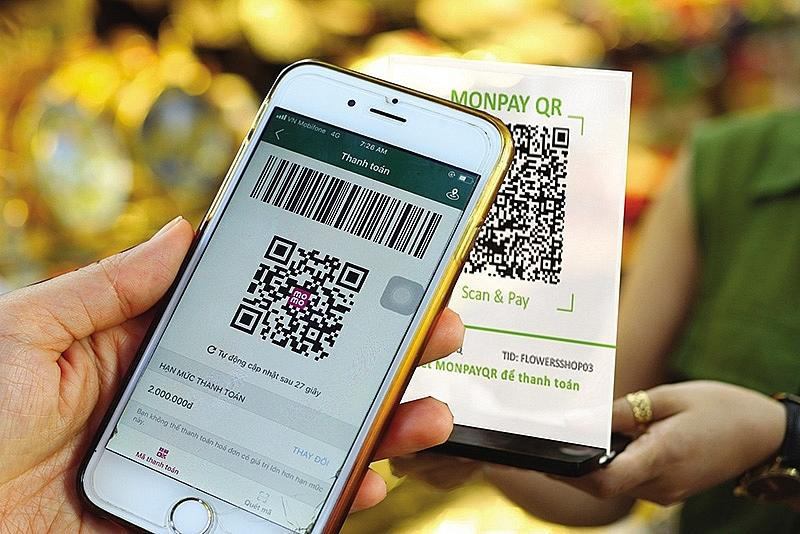
Central banking groups are currently integrating unified QR-code payment networks, allowing tourists to use instant digital wallets for hotel bookings and local market shopping without paying high international credit card processing fees.
This is a massive update for budget-conscious travelers. Navigating traditional credit card processing fees and currency conversions places an unnecessary burden on vacation budgets. Banks often charge a 3% to 5% foreign transaction fee on every single swipe, plus unfavorable exchange rates.
Ambassador Khoi directly urged banking groups to fix this bottleneck. By integrating unified QR-code payment networks, international tourists will soon be able to scan and pay for a bowl of Pho at a street market or a luxury suite at a resort using a seamless digital wallet. This frictionless fintech solution completely bypasses traditional banking fees, keeping more money in the traveler’s pocket.
Also read – Uzbekistan Bets Big on Tourism: 31 Projects, 40,000 Jobs and 95,000 New Rooms by 2027
4 Proven Strategies to Manage Your International Travel Logistics
To navigate high-demand travel corridors efficiently, you must actively track flight status changes, review dynamic airline seat policies, understand rebooking protocols, and choose eco-certified accommodations.
If you are planning to take advantage of these new direct flight routes, you need to be prepared. The global travel market is constantly shifting, and relying on outdated advice will cost you time and money. Here are our top four rules for navigating the 2026 travel landscape:
- Track Flight Status Changes Dynamically: Commercial airlines frequently update their networks to optimize capacity on high-demand corridors like Russia-Vietnam. Use digital tracking tools to ensure you are instantly notified of routing updates before you pack your bags.
- Review Carrier Seat Policies: Because airlines are deploying different aircraft to handle the surge, take a moment to review your carrier’s current seat policies. This guarantees your family’s cabin arrangements remain secure over long hauls.
- Know the Delay Protocols: Should an unexpected weather disruption or an operational layout shift cause a connection delay, knowing exactly how to handle sudden airport delays will help you coordinate swift rebookings without panic.
- Embrace Sustainable Tourism: The rapid expansion of direct, point-to-point regional flights significantly lowers the environmental footprint per passenger mile by eliminating unnecessary layovers. Build on this by choosing eco-certified accommodations and supporting independent regional tour operators to preserve these beautiful coastlines for future generations.