
The United States government officially ended its immigrant visa freeze for nationals of 75 countries on 10 September 2026. A federal court ruled the nationality-based pause unlawful, forcing the Department of State to resume processing immediately. More than 43,000 applicants denied under this ban will now have their cases reopened.

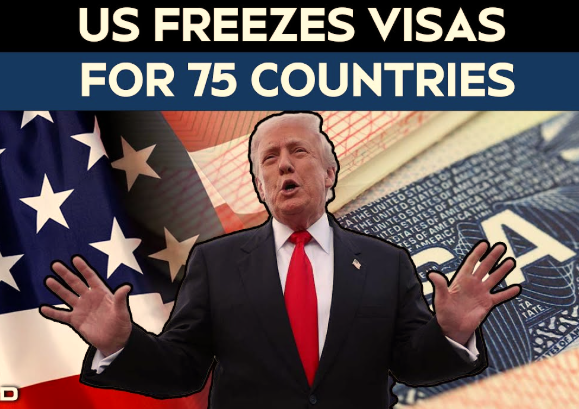
Which Countries Benefit from the Lifted Visa Freeze?
The recent court ruling specifically helps citizens from 75 designated nations across Latin America, the Balkans, Africa, and the Middle East. Major migration hubs like India, China, Mexico, and the Philippines were never on this list. If your passport belongs to one of the affected nations, consular officers will now review your refused application.
The original suspension targeted countries the government claimed presented a high risk for public benefit usage. The list included diverse nations requiring immediate processing updates.
| Region | Affected Countries Included in the Lifted Ban |
| Europe & Balkans | Albania, Belarus, Bosnia and Herzegovina, Russia |
| Africa | Algeria, Cameroon, Democratic Republic of the Congo, Egypt |
| Latin America & Caribbean | Colombia, Cuba, Bahamas, Belize |
| Asia & Middle East | Afghanistan, Bangladesh, Cambodia, Myanmar (Burma) |
Why the Federal Court Struck Down the Policy
Judge Jeannette A. Vargas vacated the visa suspension on 21 August 2026, ruling that the government exceeded its legal authority. The initial policy, launched in January 2026, paused visas for these specific countries over public charge concerns. The court decided that immigration law requires individual assessments, meaning the government cannot block entire nationalities without congressional approval.
The Catholic Legal Immigration Network successfully argued that this policy violated the core rules of the Immigration and Nationality Act. You can access the full court records and legal precedents via the United States District Court for the Southern District of New York. This ruling confirms that executive branches must follow statutory limits when processing migration requests.
Also read – Ranked: The Most Expensive Tourist Visas in the World

What Affected Applicants Need to Do Right Now
Applicants refused a visa after 21 January 2026 under the pause do not need to submit a brand new application. A September 10 cable instructed embassies to review these specific cases in chronological order, starting with the oldest refusals. Consular officers will contact you directly to request updated medical exams or missing documents.
Follow these exact steps to prepare for your upcoming case review:
- Check your digital status: Monitor your profile on the Consular Electronic Application Center (CEAC) weekly for status changes.
- Update your contact details: Ensure your current email address is actively linked to your visa profile so you do not miss embassy alerts.
- Renew expiring documents: Book a new medical exam if your previous health clearance expired during the eight-month freeze.
- Gather financial proof: Collect recent tax returns and bank statements to prove you will not become a public charge in America.
Why Some Applicants Still Face Interview Delays
While the 75-country ban is dead, a separate worldwide interview freeze remains active across all American consulates. The government paused global interviews in late August to train staff on new public charge screening rules. The U.S. Citizenship and Immigration Services (USCIS) and consular posts have not announced a firm date for when standard global interviews will resume.

If you are not from one of the 75 listed countries, this recent court victory does not speed up your visa process. Your application remains paused strictly due to the global training programme. Applicants must wait for individual embassies to finish their training and send out rescheduled appointment dates by email.
Next Steps for Legal Compliance and Travel
Families waiting to reunite in America should consult a registered migration agent before making non-refundable travel arrangements. Check the official Federal Register for any sudden appeals filed by the government that could pause processing again.
Immigrants must also remember that standard admissibility rules still apply at the border. The U.S. Customs and Border Protection (CBP) retains the right to question arriving passengers about their financial stability. Keep all your paperwork organised and ready for the moment the embassy calls you in for a final interview.