Travelers keep searching after they book a trip because flexible cancellation policies allow them to constantly hunt for a cheaper rate or a better room. A staggering 78 percent of consumers do not stop shopping once they secure a reservation. They remain in a constant state of buying intention. People actively scan competitor websites to make sure they did not overpay for their upcoming holiday. This behavior completely breaks the traditional marketing funnel where a purchase used to mark the end of the shopping journey.
How Free Cancellation Policies Fuel Booking FOMO
Risk-free booking options create massive Fear Of Missing Out among digital consumers. When hotels offer full refunds up to 24 hours before check-in, travelers treat their initial reservation as a backup plan rather than a final commitment. They lock in a baseline rate and then immediately return to search engines to hunt for flash sales or unadvertised discounts. The Federal Trade Commission (FTC) monitors how online travel agencies display these urgent pricing tactics to protect consumers from deceptive scarcity marketing.

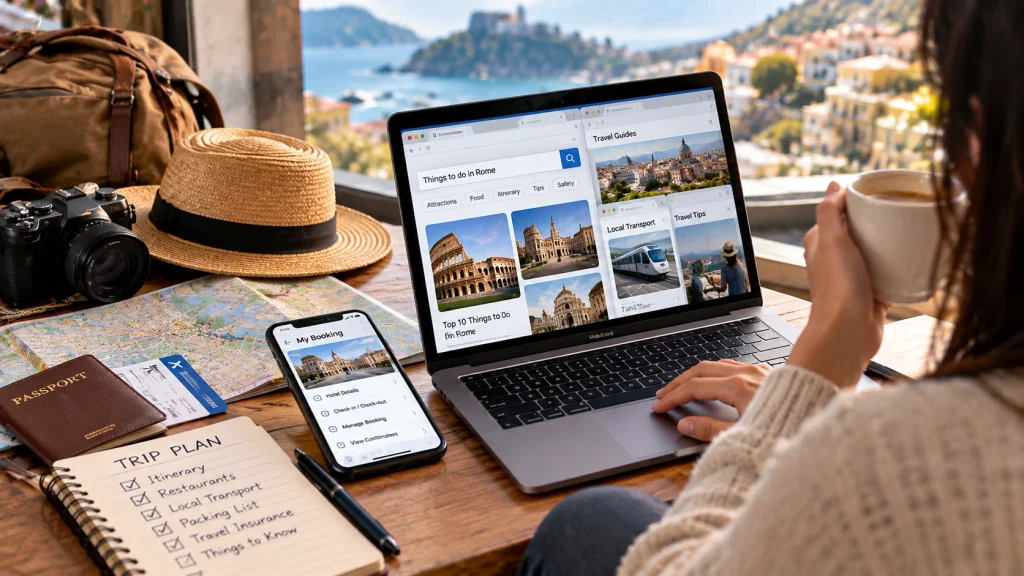
What Travelers Actually Search For After Paying
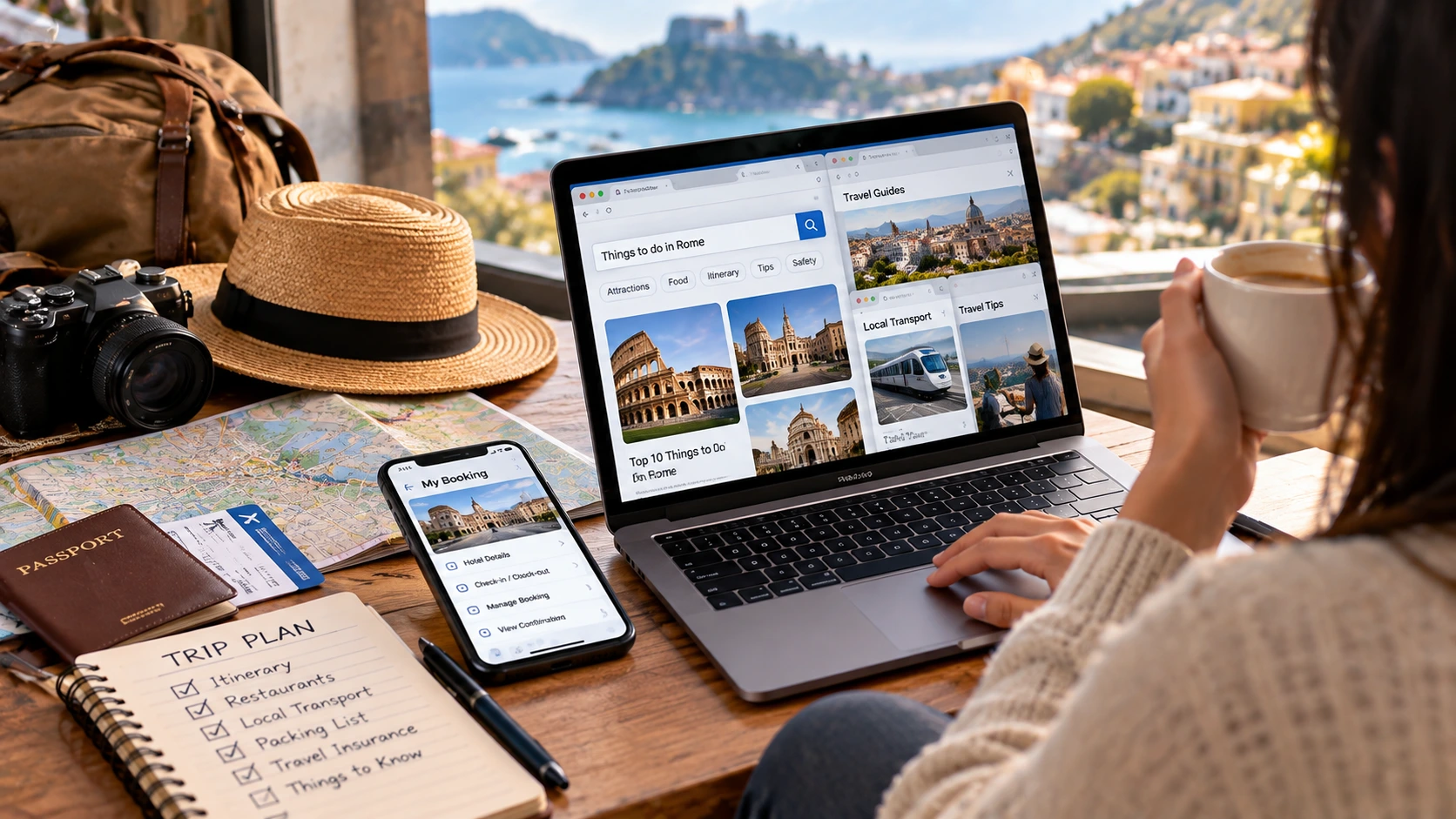
Most post-booking searches focus on securing local experiences, restaurant reservations, and flight seat upgrades rather than just swapping hotels. After the primary flight and hotel expenses are paid, travelers shift their budget focus to ancillary activities. They want to map out daily itineraries and find exclusive local spots before they arrive.
| Post-Booking Search Category | Primary Consumer Goal | Why It Matters |
| Accommodation Alternatives | Finding a cheaper nightly rate | Securing price drops before check-in |
| Local Ground Transport | Comparing airport transfer costs | Avoiding expensive last-minute taxi fares |
| Dining & Experiences | Booking highly rated restaurants | Reserving tables that book out months ahead |
The Impact of Airline Refund Rules on Consumer Behavior
Flight shopping habits directly influence how people book hotels and rental cars. The U.S. Department of Transportation (DOT) recently updated federal rules requiring airlines to provide prompt, automatic cash refunds for significantly delayed or cancelled flights. Knowing they hold strict legal rights to get their money back makes consumers much more comfortable booking early. They secure a seat months in advance and then continuously monitor competitor airlines for sudden price drops.
Also read – Ten Most Inaccessible Places to Travel on This Earth


3 Smart Steps to Optimize Your Post-Booking Strategy
You can use this continuous research loop to secure massive savings if you follow a strict monitoring routine. Never cancel an existing reservation until you receive the exact confirmation email for the cheaper alternative.
- Monitor Price Drops: Use automated price tracking tools to alert you when your exact hotel room drops in price.
- Verify Refund Windows: Mark the exact date and time your free cancellation window closes on your calendar. Missing this deadline means the Consumer Financial Protection Bureau (CFPB) cannot help you dispute a valid non-refundable charge.
- Book Direct for Perks: Call the hotel directly after booking through a third party. Properties often offer free breakfast or room upgrades to convince you to cancel the agency booking and reserve directly with them.
How Hotels Must Change Their Marketing Tactics
Hotels must aggressively market to guests who already hold a reservation to stop them from defecting to a competitor. Sending an automated confirmation email is no longer enough to secure a traveler’s loyalty. Smart properties now target confirmed guests with discounted spa packages, guaranteed early check-in, and dining credits weeks before they arrive. The European Consumer Centre (ECC-Net) advises travelers to carefully review the terms of these promotional add-ons, as upgrading a flexible room rate sometimes converts it into a non-refundable booking.