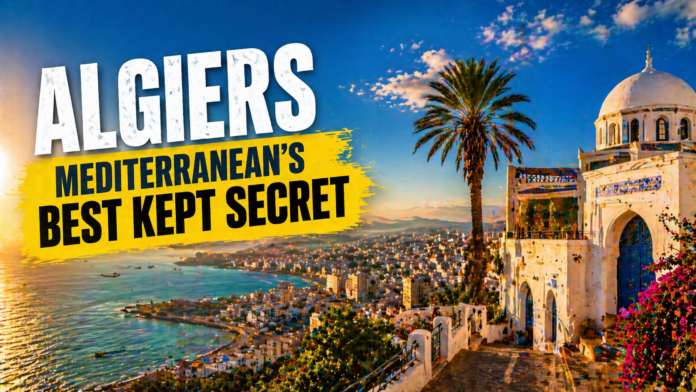
The Mediterranean breeze hits you differently in Algiers. It doesn’t smell like sunscreen and overpriced spritzes; it smells of salty air, roasting chestnuts, and diesel fumes from the ferries chugging out of the port. They call it Alger la Blanche (Algiers the White) for the cascading whitewashed buildings that tumble down the hills into the deep blue bay, but that nickname feels too pristine for a city this complex, gritty, and gloriously alive.
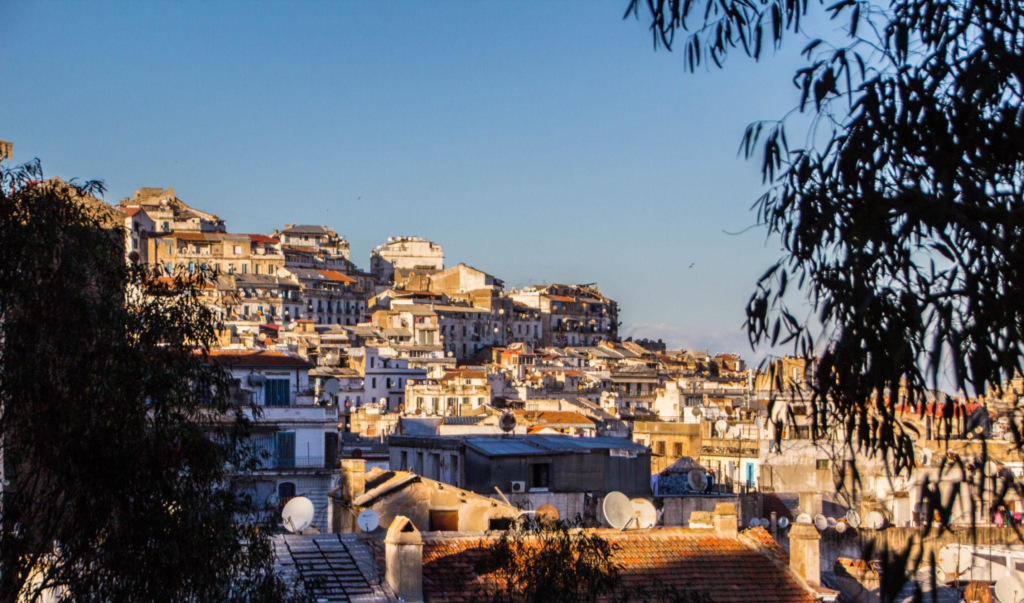
If you are looking for a sterile, pre-packaged vacation, stop reading now. But if you crave a travel experience that feels like travel used to—before Instagram homogenization took over—Algiers the capital of Algeria is your place. In 2026, the city sits at a fascinating tipping point. New metro lines have finally connected the airport to the city center, making it accessible, yet it remains refreshingly void of mass tourism.
I spent weeks getting lost in its alleyways, drinking too much mazagran (iced coffee), and learning the hard way how to navigate a cash-heavy economy. Here is why the capital of Algeria needs to be on your radar right now.
1. The Casbah is a Living Time Capsule
Why it matters: It is one of the few UNESCO World Heritage sites where real life hasn’t been pushed out by souvenir shops.
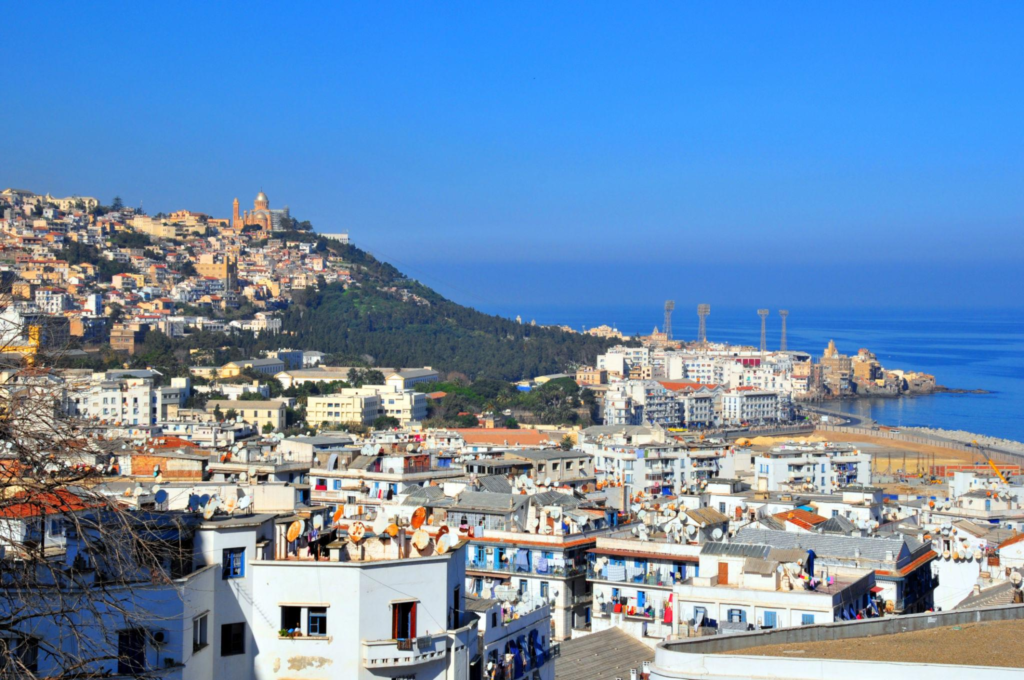
The Casbah isn’t a museum; it is a neighborhood. When you walk through these narrow, winding streets, you are stepping into a centuries-old urban maze that defied the French colonial grid. It is steep, crumbling in places, and incredibly atmospheric.
What is the Casbah of Algiers?
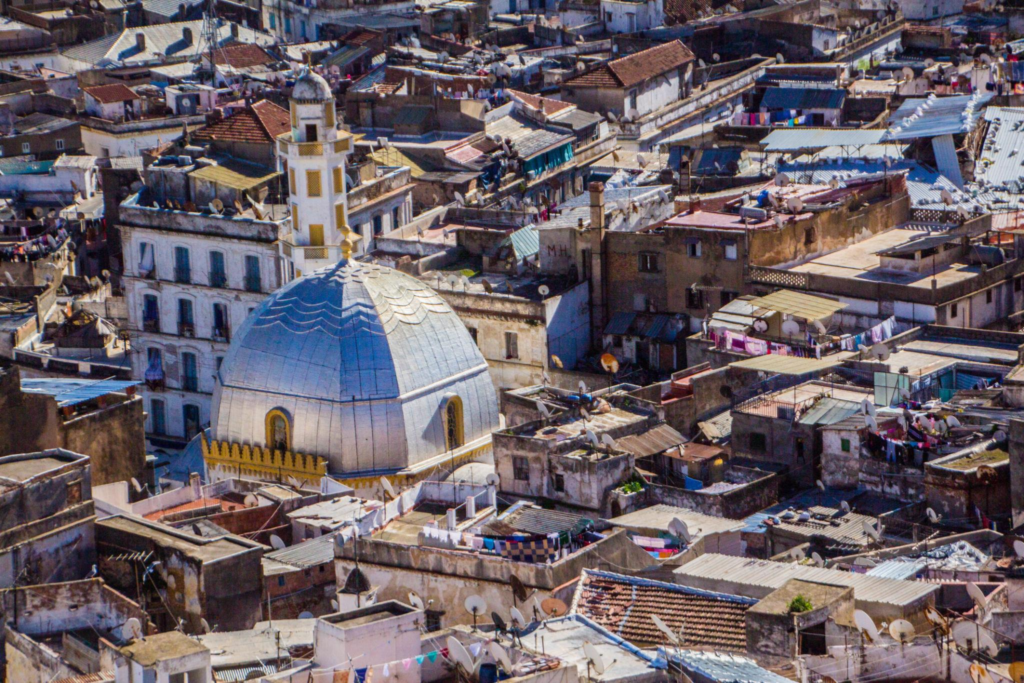
The Casbah is the ancient walled citadel of Algiers, a UNESCO World Heritage site known for its steep, labyrinthine streets, Ottoman palaces, and role in the Battle of Algiers. It remains a residential area, offering an authentic glimpse into daily Algerian life.
I remember turning a corner near the Sidi Ramdane Mosque and bumping into a group of kids playing football on a 45-degree cobblestone slope. One of them stopped the ball, smiled, and said, “Welcome,” before rocketing a pass down the alley. You don’t get that in Venice anymore.
Practical Tip: Do not go alone. Not just for safety, but because you will get lost. Hire a local guide (many young Algerians are starting small tour guiding hustles now) to show you the hidden rooftop terraces where artisans still hammer copper.
2. The Food Scene is Unpretentious and distinct
Why it matters: Algerian cuisine is often overshadowed by Moroccan food, but Algiers offers unique dishes you can’t find elsewhere.
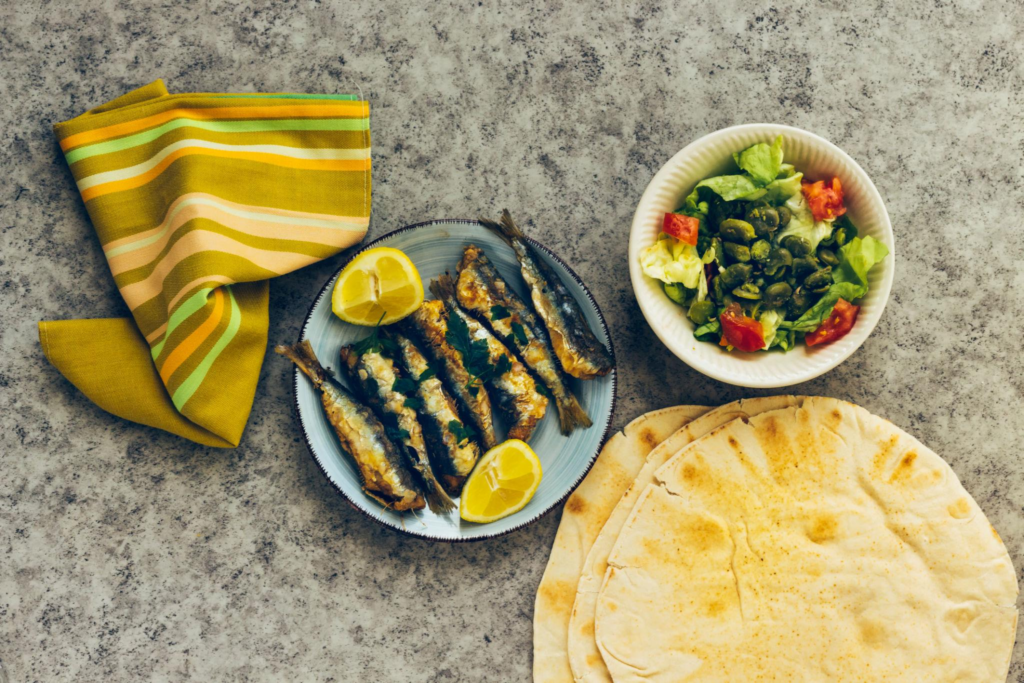
In Algiers, food is love, and it is served in massive portions. You have to try Rechta. It is the city’s signature dish—thin, flat white noodles served with chicken, chickpeas, and turnips in a cinnamon-scented white sauce. It sounds simple, but the texture is pillowy and rich.
Top Eats in Algiers
| Dish | Description | Where to find it |
| Rechta | Noodles with chicken & white sauce. | Traditional restaurants in Hydra or the Casbah. |
| Sardines | Fried fresh from the port. | Any modest eatery near the Pêcherie (Fisheries). |
| Mhadjeb | Semolina crepe stuffed with tomato/onion. | Street stalls (best eaten hot and standing up). |
| Chakhchoukha | Torn flatbread soaked in spicy red sauce. | Ask for a “traditional” spot; locals will point the way. |
I made the mistake of ordering a “light lunch” and was served a bowl of Chorba Frik (green wheat soup) and Bourek (meat-filled pastry) that could have fed a family. The cost? Less than $4.
3. Notre Dame d’Afrique: A Message of Peace
Why it matters: It symbolizes a rare and beautiful history of coexistence.
Perched high on a cliff overlooking the bay, this Neo-Byzantine basilica is stunning. But the real reason to visit is the inscription above the altar: “Notre Dame d’Afrique, priez pour nous et pour les Musulmans” (Our Lady of Africa, pray for us and for the Muslims).
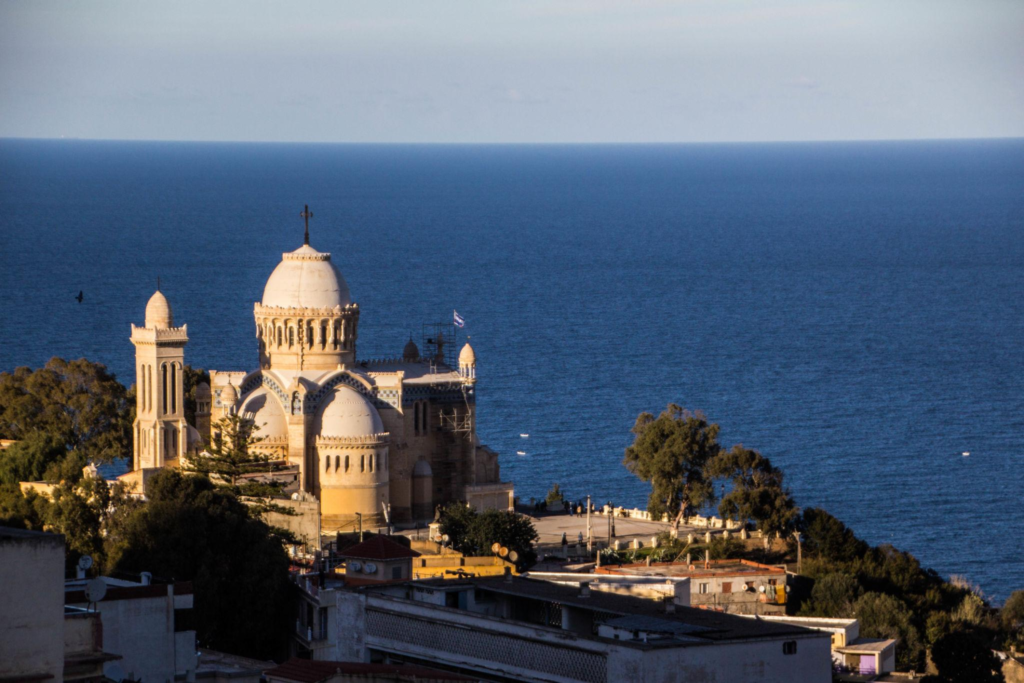
What makes Notre Dame d’Afrique unique?
Beyond its stunning Neo-Byzantine architecture and panoramic views, this basilica is famous for its inscription praying for both Christians and Muslims, symbolizing a deep history of interfaith dialogue in Algeria.
I took the cable car up here just before sunset. The view of the white city turning gold, with the Mediterranean stretching endlessly north, is one of those “pinch me” travel moments. It’s quiet, respectful, and deeply spiritual, regardless of your religion.
4. 2026 Brings New Metro Connectivity
Why it matters: Getting around Algiers used to be a traffic nightmare. That has changed.
For years, the taxi ride from Houari Boumediene Airport to the city center was a gamble. You could be stuck in gridlock for two hours. But as of late 2025 and into 2026, the Algiers Metro expansion has finally linked key districts and the airport.
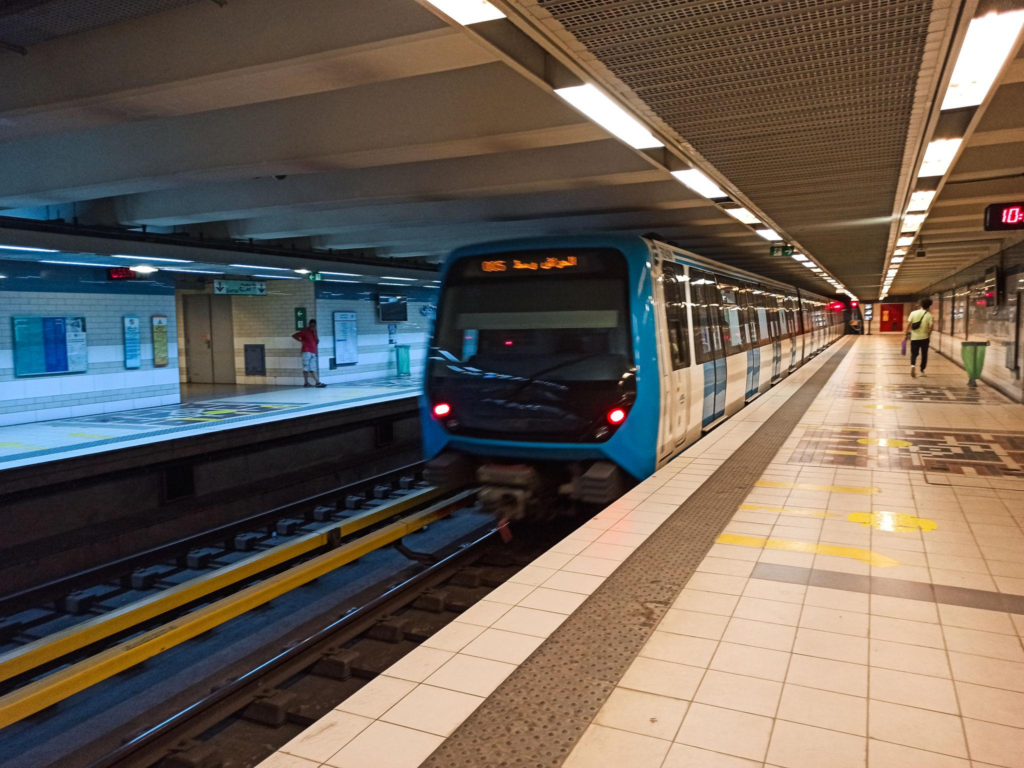
The metro is clean, safe, and insanely cheap (about 50 DZD, which is roughly $0.25). It’s also a great place to people-watch. You’ll see teenagers in trendy streetwear, older men in traditional burnous, and business people glued to their phones. It’s the pulse of the modern city.
My Advice: Download the Yassir app. It’s the Algerian version of Uber. It works perfectly, the prices are fixed (no haggling!), and it’s safer than flagging down random yellow taxis if you don’t speak the local dialect, Darja.
Also read – Ten Most Inaccessible Places to Travel on This Earth
5. The Hamma Botanical Garden (Jardin d’Essai)
Why it matters: It is a tropical oasis in the middle of a chaotic city.
This isn’t just a park; it’s a 58-hectare masterpiece that served as a filming location for the original Tarzan movie in the 1930s. The giant ficus trees look like alien structures, their roots tangling and twisting into caverns you can walk inside.
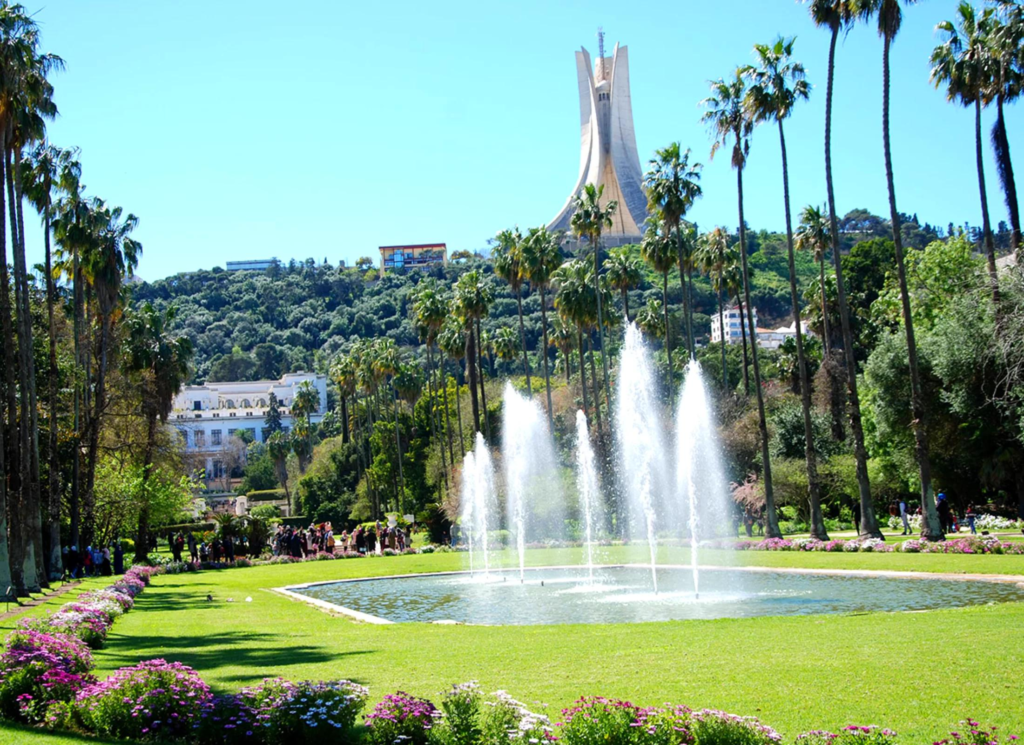
Is the Hamma Botanical Garden worth visiting?
Absolutely. Established in 1832, it is one of the world’s most important test gardens, featuring spectacular avenues of dragon trees, giant bamboos, and ficus trees with massive aerial roots. It’s a cool, green escape from the city heat.
I spent a Friday afternoon here (the Algerian weekend is Friday-Saturday) watching families picnic. It felt incredibly safe and communal. If you need a break from the noise of the city, this is your sanctuary.
6. It’s Shockingly Affordable
Why it matters: Your travel budget stretches 3x further here than in Europe.
Let’s talk money, because this is where a lot of travelers get tripped up.
The “Black Market” Reality: You cannot rely on ATMs. Most international cards (Visa/Mastercard) do not work at local ATMs or even in many shops. You must bring Cash (Euros or US Dollars) and exchange it.
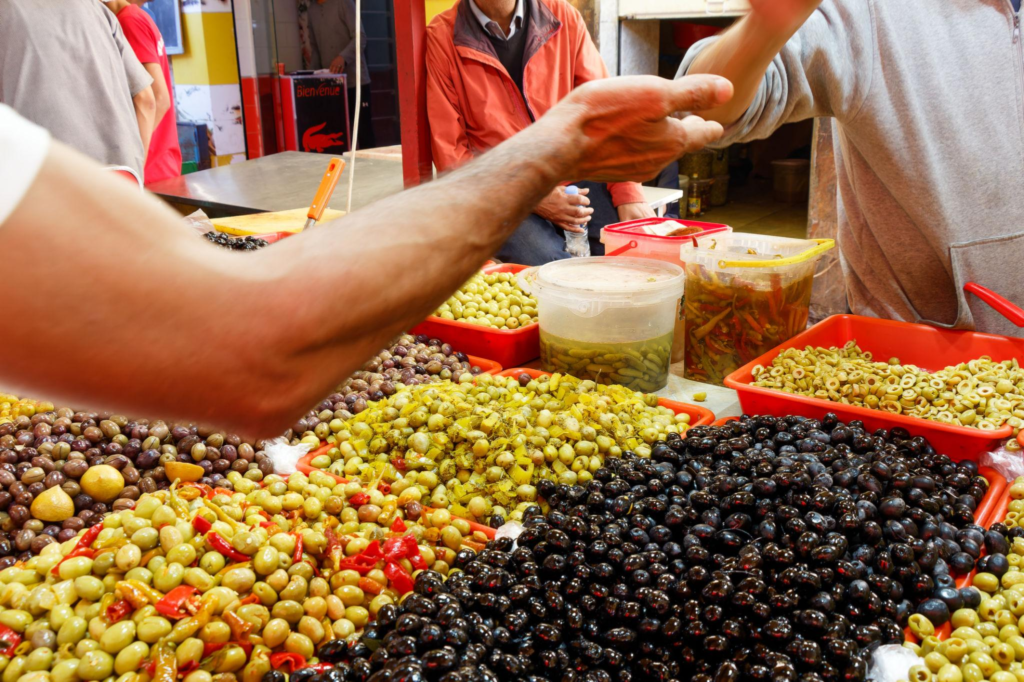
In 2026, the unofficial exchange rate is significantly higher than the official bank rate. You will likely exchange money at “Square Port Said” or through a contact at your hotel. It feels sketchy at first—guys standing around with wads of cash—but it is the standard way the economy functions.
Once you have Dinar, you are rich. A fancy dinner for two might cost $20. A coffee is $0.30. Museum entry is often negligible. You can enjoy luxury experiences here for backpacker prices.
7. The Hospitality is Overwhelming
Why it matters: You are a guest, not a walking wallet.
This was the biggest surprise for me. In many tourist-heavy capitals, you feel like a transaction. In Algiers, people are genuinely curious about why you are there.
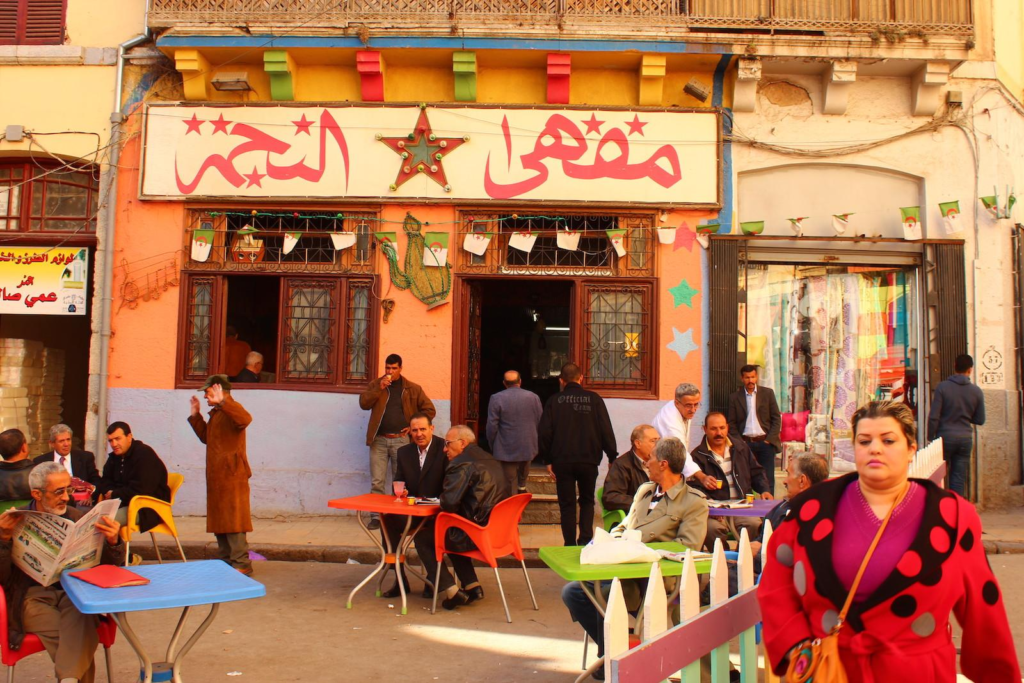
I was sitting in a cafe near the Grande Poste when an older gentleman heard me speaking English. He didn’t try to sell me a carpet. He didn’t ask for money. He just wanted to know if I liked his country. When I said yes, he insisted on paying for my coffee. “Tell your friends we are good people,” he said.
That is the energy of Algiers in 2026. It is a city eager to show the world its true face—warm, proud, and resilient.
MyTakeaway & Lessons Learned
What I wish I knew before I went:
- Dress Modestly: Algiers is cosmopolitan, but it is still conservative. Men should wear trousers (no shorts), and women should avoid plunging necklines or very short skirts. You don’t need a headscarf, but blending in earns you respect.
- Language Barrier: English is growing, but French and Arabic are king. Download Google Translate offline. A simple “Salam” (Hello) and “Saha” (Thank you) opens every door.
- The Cash Rule: I cannot stress this enough. I nearly ran out of cash on day three and had to panic-text a friend to Western Union me money. Bring 100% of your budget in cash Euros.
Algiers challenges you. It’s noisy, the traffic can be maddening, and things don’t always run on time. But it rewards you with a raw authenticity that is extinct in Paris or Rome.

