
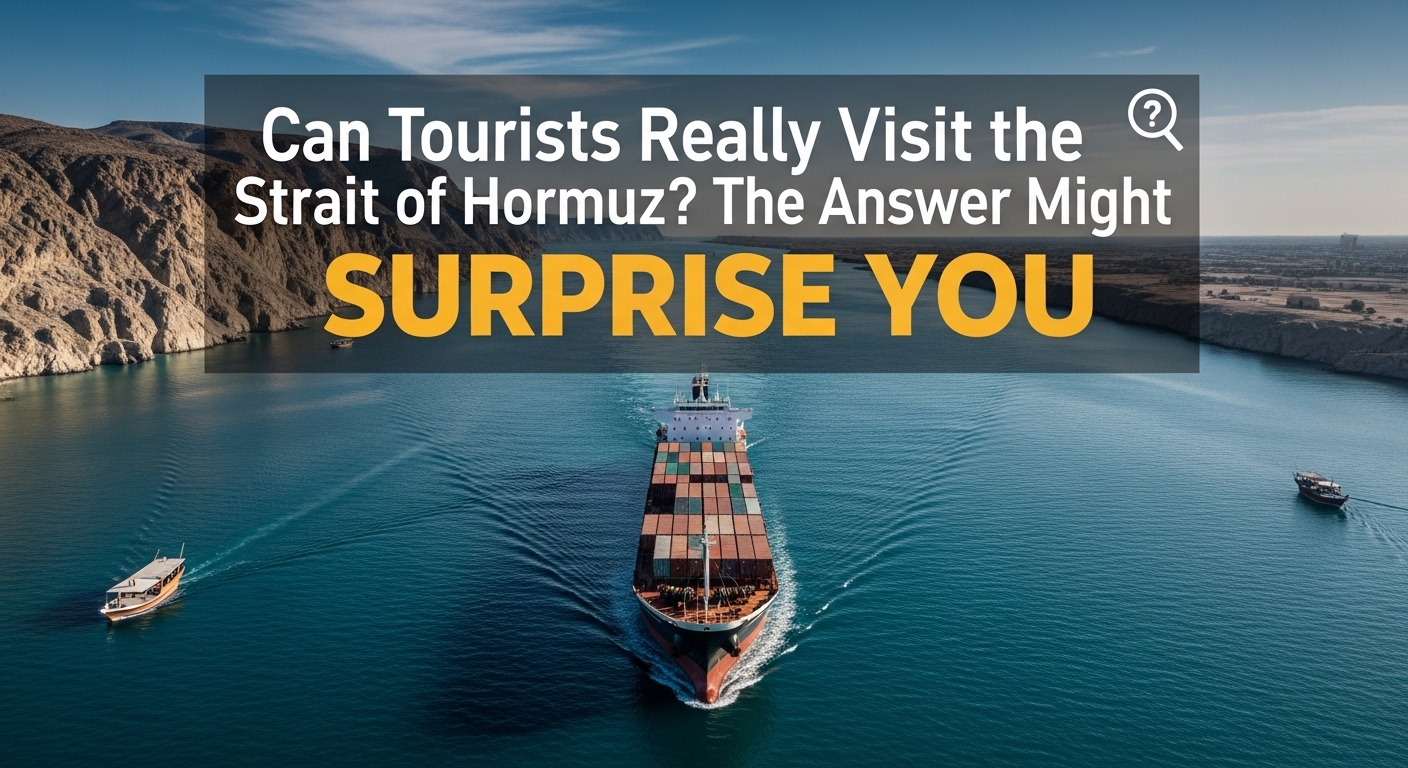
Most people recognize the Strait of Hormuz from news headlines rather than travel blogs. It’s often mentioned in discussions about global shipping, oil routes, or geopolitical tensions.
But here’s the surprising part.
You actually can visit the region surrounding the Strait of Hormuz as a traveler, and the experience looks nothing like the tense image many people imagine.

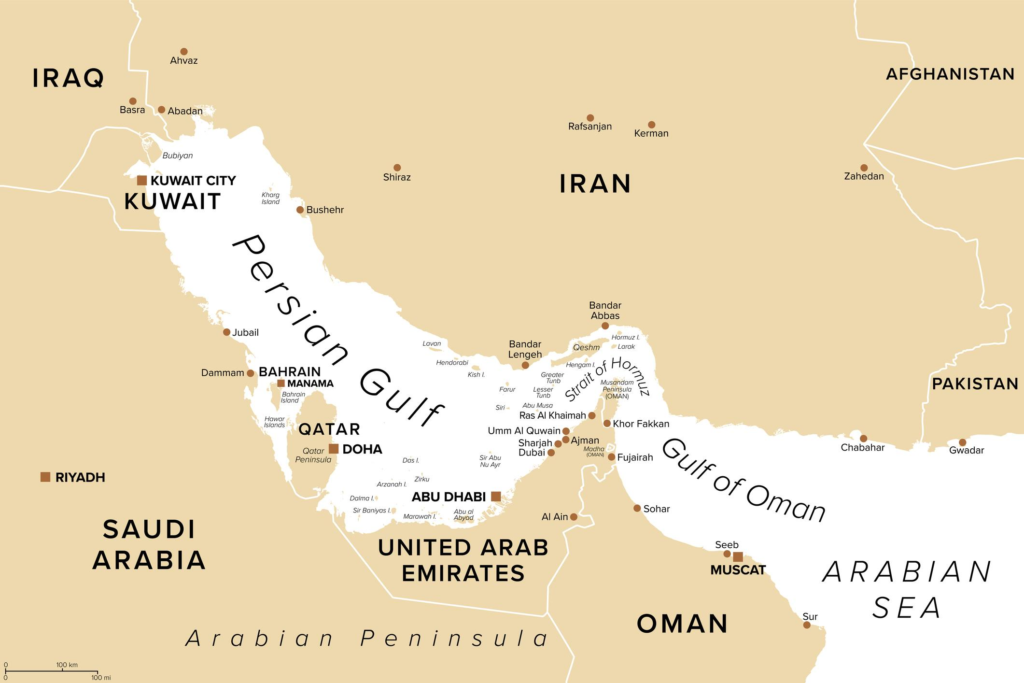
During a trip across southern Iran’s Persian Gulf coast, I first heard locals talk about Hormuz Island, a small island sitting right at the entrance of the strait. Fishermen described it with pride, calling it a place of “colors and quiet.”
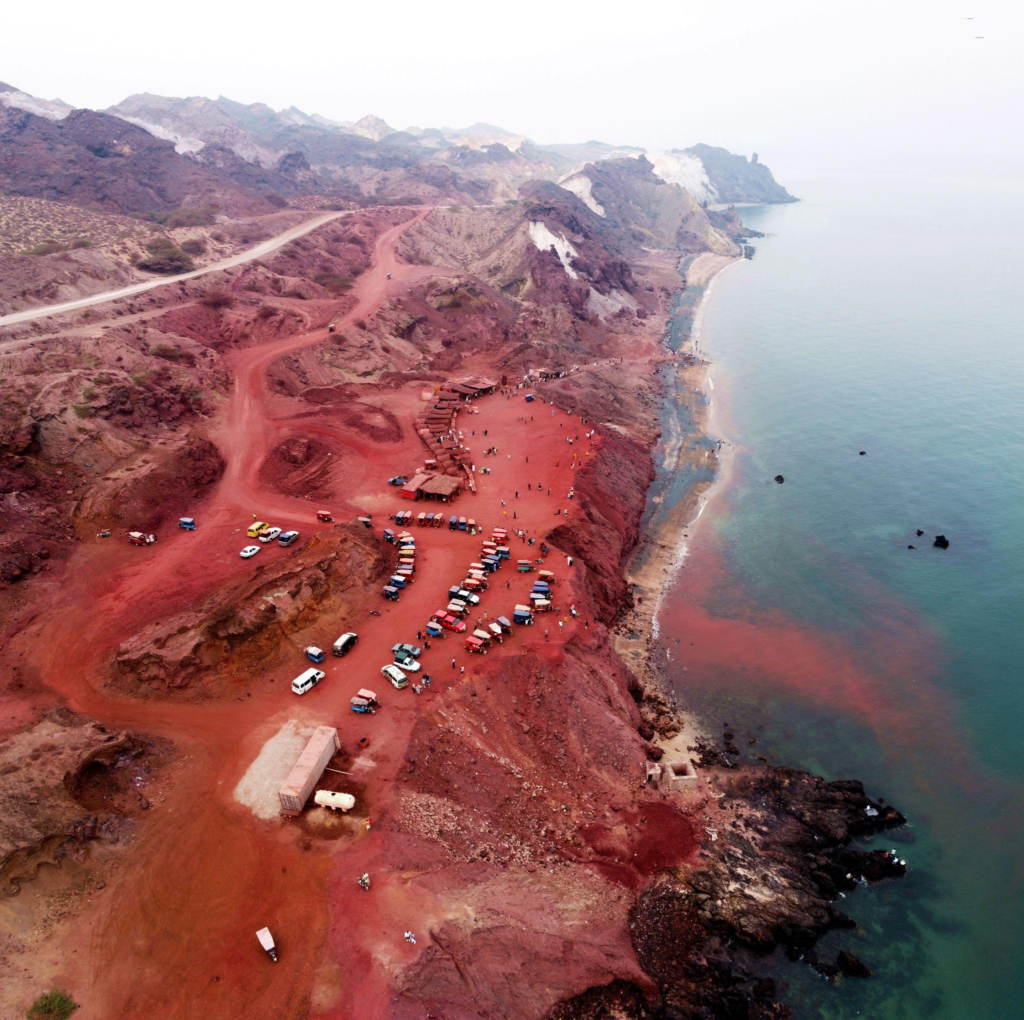
When I finally arrived, the scene felt worlds away from the news cycle. Red beaches, surreal rainbow mountains, and fishermen repairing nets along a calm turquoise shoreline.
It made me realize something: the Strait of Hormuz is more complex, and more accessible, than many travelers assume.

Where Exactly Is the Strait of Hormuz?
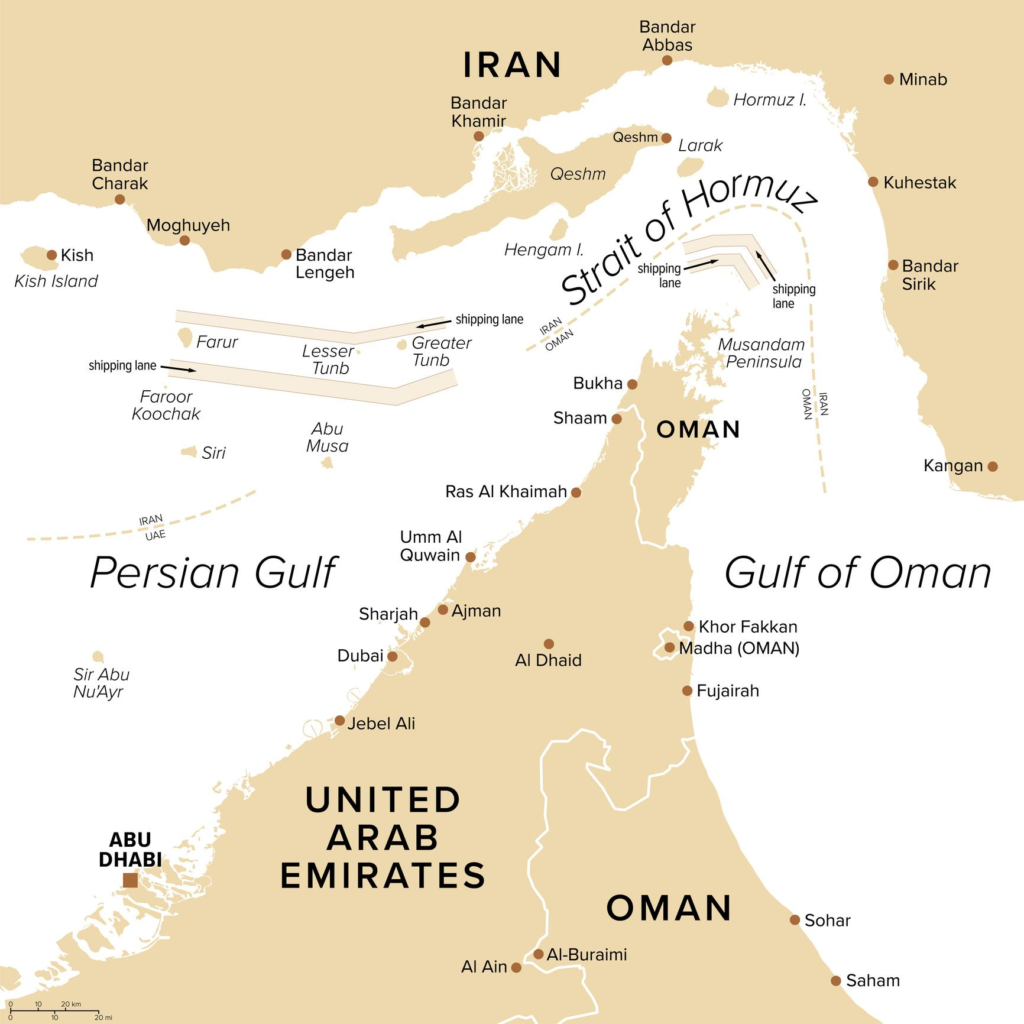
The Strait of Hormuz is a narrow waterway connecting the Persian Gulf to the Gulf of Oman and the Arabian Sea.
It lies between two countries:
- Iran to the north
- Oman and the United Arab Emirates to the south
This narrow passage is one of the most important shipping routes in the world, with a large percentage of global oil exports passing through it daily.
Because of its strategic importance, the strait frequently appears in international news coverage.
However, what many people don’t realize is that several peaceful coastal destinations around the strait are open to visitors.

Also read – Vietnam on a Budget: How I Traveled 10 Days for Under $500 (2026 Edition)
Can Tourists Actually Visit the Strait of Hormuz?

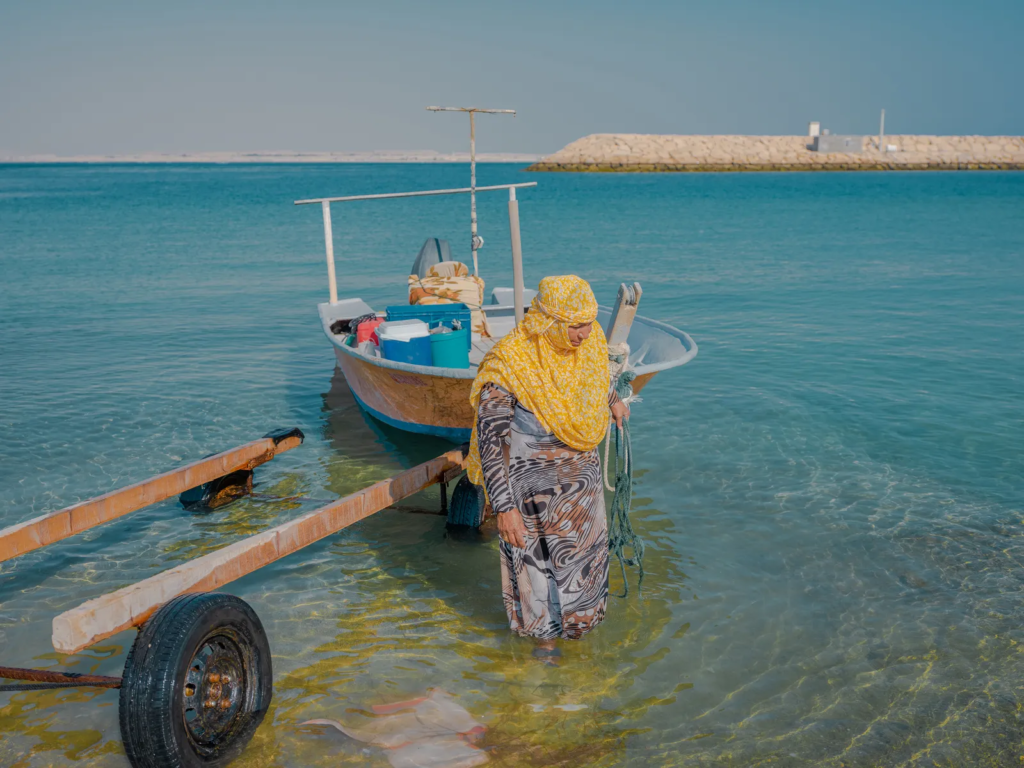
The short answer is yes, but not in the way many travelers expect.
Tourists generally cannot simply sail freely through the shipping lanes of the strait. Those waters are heavily monitored and used primarily for international shipping.
However, travelers can visit nearby destinations that sit directly along the Strait of Hormuz, including:
- Hormuz Island (Iran)
- Qeshm Island (Iran)
- Musandam Peninsula (Oman)
These places offer dramatic landscapes, traditional fishing communities, and relatively quiet tourism compared to many global destinations.
Hormuz Island in particular has become famous for its surreal landscapes, including hills made of colorful mineral deposits that locals sometimes call the “Rainbow Mountains.”
The Most Surprising Destination: Hormuz Island
Hormuz Island might be one of the most unusual landscapes in the Middle East.
Instead of white sand, parts of the island have deep red beaches, colored by iron-rich soil. In other places, hills glow with shades of orange, purple, and yellow.

Local guides often explain that the island’s soil contains dozens of minerals, creating the striking colors.
Despite its natural beauty, tourism here remains relatively small. Visitors often explore by:
- Renting motorbikes
- Hiring local tuk-tuks
- Walking along quiet coastal roads


One evening, while watching fishing boats return to shore, a local guide told me something simple but memorable:
“People hear the name Hormuz and think about politics. But we just see home.”
Visiting the Musandam Peninsula in Oman
On the southern side of the strait lies the Musandam Peninsula, part of Oman.
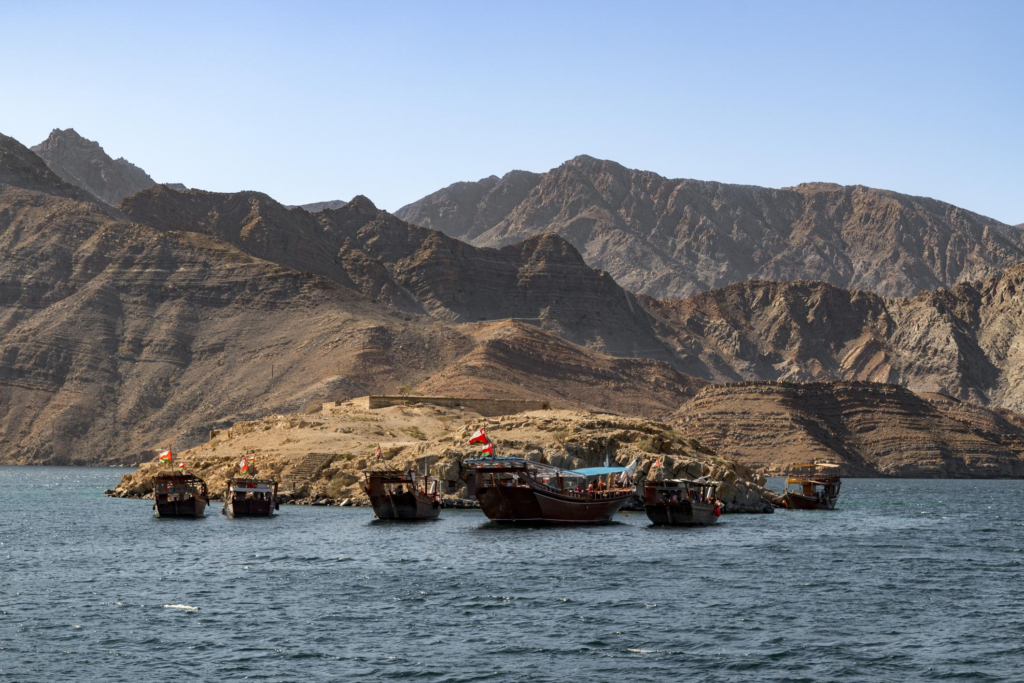
This region is famous for dramatic fjord-like cliffs rising from the sea, often compared to Norway’s landscapes.
Boat tours here are surprisingly popular with travelers visiting the United Arab Emirates, especially from nearby Dubai.
Common experiences include:
- Traditional dhow boat cruises
- Dolphin watching tours
- Snorkeling in clear Gulf waters
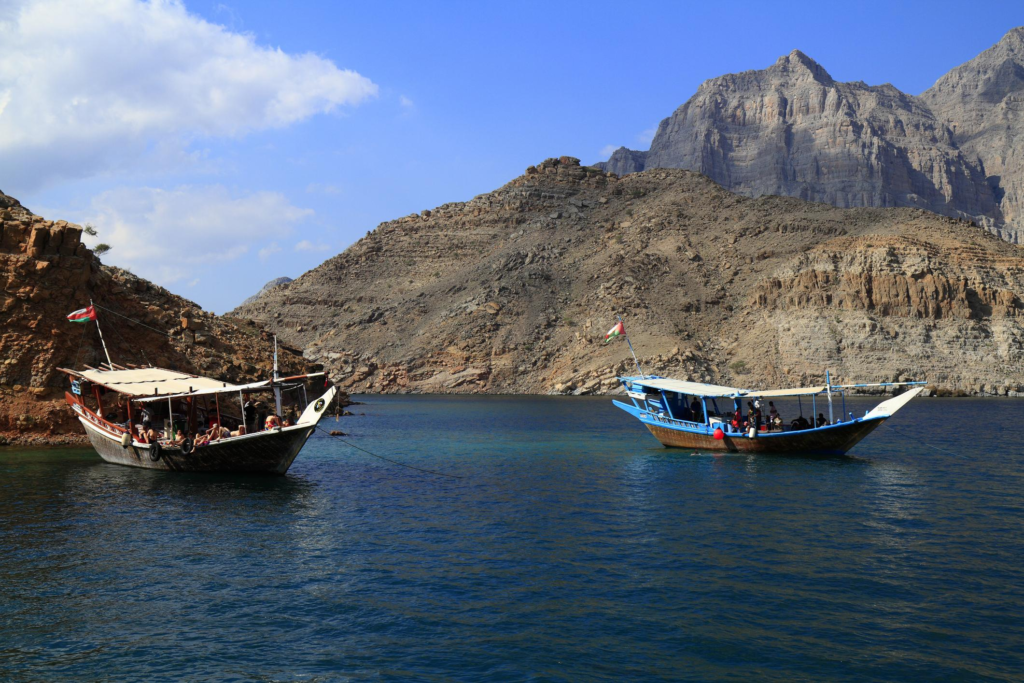
From the deck of a dhow boat drifting between towering cliffs, it’s easy to forget you’re near one of the world’s most strategic waterways.
What Travelers Should Know Before Visiting Strait of Hormuz
Traveling near the Strait of Hormuz is possible, but preparation is important.
Understand Visa Requirements
Iran and Oman have different visa policies, and travelers should always check the latest requirements before planning a trip. You can check everything here on the official website of International Maritime Organization.
Respect Local Regulations
Because the region is strategically sensitive, travelers should follow local guidelines regarding photography, ports, and military areas.
Stay Updated on Travel Advisories
Political conditions in the region can change, so it’s wise to check official government travel advice before visiting.
Why This Region Fascinates Travelers
For many travelers, the Strait of Hormuz is fascinating precisely because it sits at the crossroads of geography, culture, and global history.
Yet the everyday life along its shores is surprisingly peaceful.
Fishing villages wake early. Markets sell fresh seafood. Boats drift slowly across quiet waters.
The contrast between global headlines and local life is what makes this region so intriguing.
Sometimes the places we hear about the most are also the ones we understand the least.

Frequently Asked Questions About Visiting the Strait of Hormuz
Can tourists visit the Strait of Hormuz?
Tourists cannot freely sail through the international shipping lanes of the Strait of Hormuz, but they can visit nearby destinations such as Hormuz Island in Iran or the Musandam Peninsula in Oman.
Is the Strait of Hormuz dangerous for travelers?
The shipping lanes themselves are restricted, but nearby tourist destinations can be visited under normal travel conditions.
Why is the Strait of Hormuz so important?
The strait is one of the world’s most important shipping routes, with a significant portion of global oil exports passing through the narrow waterway.
Is Hormuz Island open to tourists?
Yes, Hormuz Island is open to tourists and is known for its colorful landscapes, red beaches, and quiet fishing communities.
What country controls the Strait of Hormuz?
The strait lies between Iran and Oman, with territorial waters belonging to both countries.
How wide is the Strait of Hormuz?
At its narrowest point, the Strait of Hormuz is about 33 kilometers (21 miles) wide, making it a strategic maritime passage.
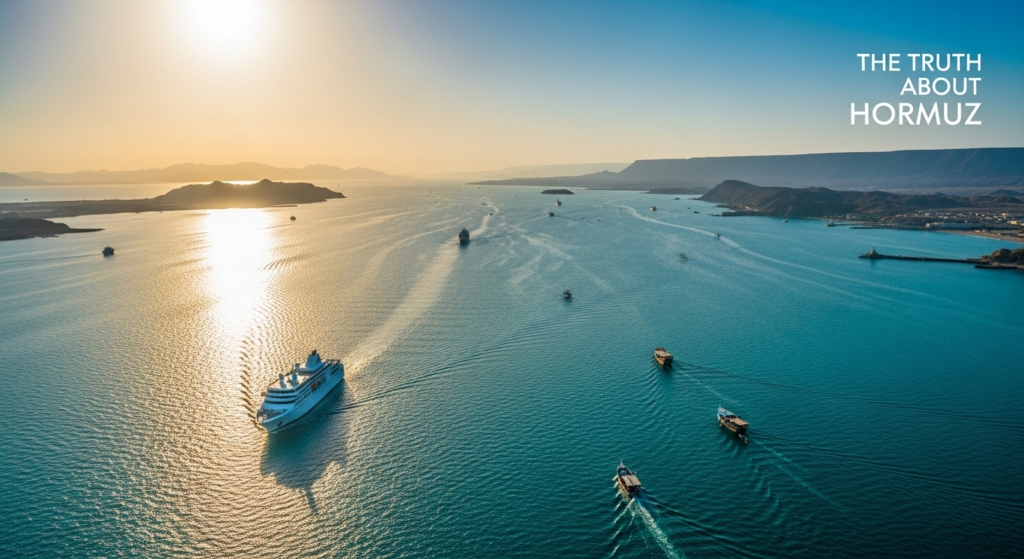
Can cruise ships pass through the Strait of Hormuz?
Yes, commercial ships and some cruise vessels pass through the strait as part of international maritime routes.
What activities can tourists do near the Strait of Hormuz?
Visitors can explore islands, take boat tours, snorkel, hike colorful landscapes, and experience traditional fishing communities.