
There’s a moment many remote workers imagine.
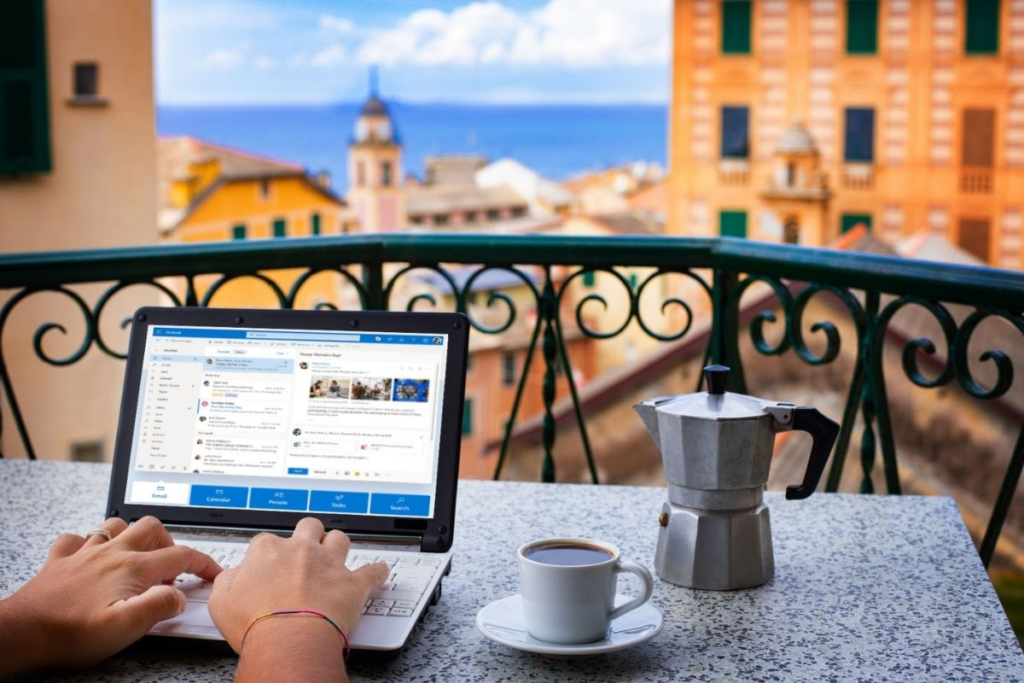
You’re sitting at a small café in Italy, sunlight warming the cobblestones, espresso in hand, laptop open. Maybe you’re answering emails while looking out at terracotta rooftops or a quiet piazza.
For years, that lifestyle was mostly a fantasy for non-EU citizens.
But recently, Italy introduced something that made the dream feel much closer to reality: the Italy Digital Nomad Visa.

When I first heard about it, I had the same thought many remote workers have.
“Could I really live and work in Italy legally?”
The answer is yes, but it’s not quite as simple as packing your laptop and booking a one-way flight.

Before you quit your job or start apartment hunting in Florence, here’s everything you need to know about the Italian nomad visa, including requirements, costs, and a few surprises most people don’t talk about.
Also read – Best Digital Nomad Community Platforms to Find Remote Jobs
What Is the Italy Digital Nomad Visa?
The Italy Digital Nomad Visa allows remote workers and freelancers from outside the EU to live in Italy while working for companies or clients located abroad.
This visa was created to attract skilled professionals who earn income online while contributing to the local economy.
Unlike tourist visas that allow only short stays, Italian digital nomad visa allows remote professionals to live in Italy legally for extended periods, typically with the possibility of renewal.
However, it is designed for highly skilled professionals, which means the requirements are stricter than many people expect.
Key Requirements for the Italy Digital Nomad Visa
Before planning your move, you’ll need to meet several conditions.
| Requirement | Details |
|---|---|
| Remote Work | Must work for a company or clients outside Italy |
| Professional Qualification | Proof of specialized or skilled work |
| Minimum Income | Roughly €28,000–€30,000 per year (varies by consulate) |
| Health Insurance | Valid international health coverage |
| Clean Criminal Record | Required documentation |
| Accommodation | Proof of housing in Italy |
One thing many people overlook is the professional qualification requirement. Italy generally expects applicants to demonstrate expertise, experience, or advanced skills in their field.
How Much Income Do You Need?

Although requirements vary slightly by embassy, most applicants need to show an annual income of about €28,000 to €30,000 or more.
This proves that you can support yourself without relying on Italian jobs.
A typical digital nomad budget in Italy might look like this:
| Expense | Monthly Estimate |
|---|---|
| Rent | €700–€1,200 |
| Food | €250–€400 |
| Transportation | €50–€120 |
| Coffee & dining | €150 |
| Miscellaneous | €200 |
Living in smaller cities or southern Italy can significantly reduce these costs.
Also read – How to Prevent Digital Nomad Burnout & Mental Exhaustion
Italian Cities in Italy That Work Best for Digital Nomads
Not every Italian city is ideal for remote work. Internet reliability, cost of living, and lifestyle matter.
Some of the most popular cities for digital nomads include:
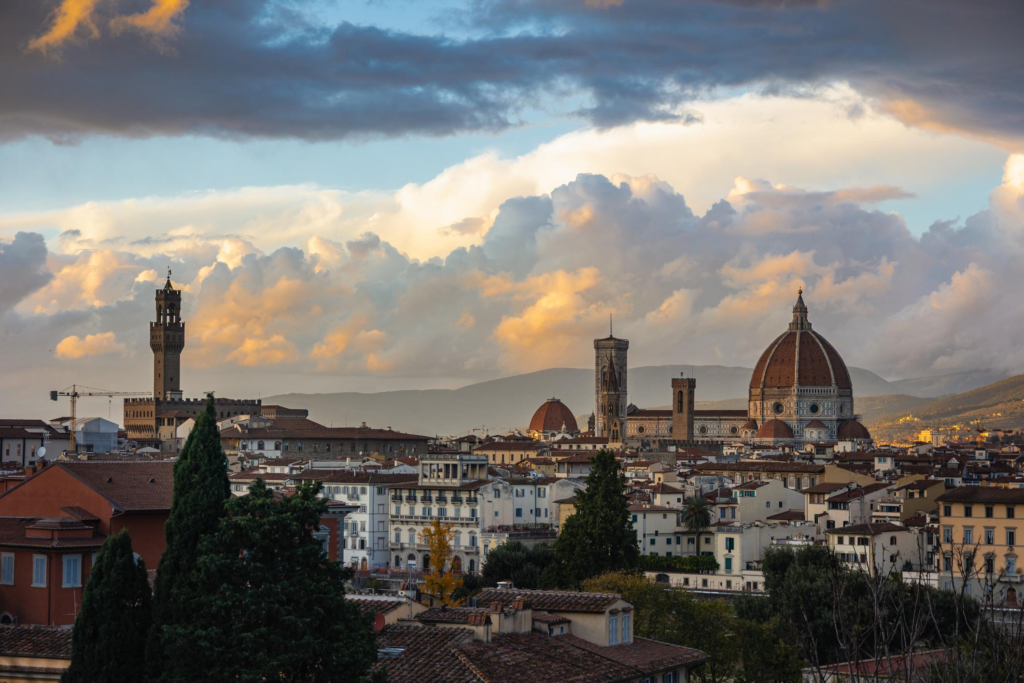
Florence
A beautiful Renaissance city with inspiring architecture and plenty of coworking spaces.
Rome
Perfect for those who want culture, history, and endless exploration after work.
Bologna
A student-friendly city with great food, strong WiFi culture, and a lower cost of living.
Palermo
One of the most affordable cities in Italy, with a vibrant Mediterranean atmosphere.
The Biggest Challenges Digital Nomads Face in Italy
Italy is incredible, but there are a few realities that surprise newcomers.
Bureaucracy Can Be Slow
Italian administrative processes can take time. Documents, appointments, and approvals may move slower than expected.
Housing Can Be Competitive
Short-term rentals in cities like Florence or Rome can fill quickly, especially during tourist seasons.
Language Barriers
While many Italians speak English, government offices and local services often operate primarily in Italian.
Learning basic Italian phrases can make daily life much easier.
Why Many Remote Workers Choose Italy Anyway
Despite the paperwork and planning, the lifestyle Italy offers is hard to match.
- Morning cappuccino at a neighborhood café.
- Afternoon walks through centuries-old streets.
- Weekend train trips to vineyards, coastal villages, or mountain towns.
Working remotely from Italy is not just about productivity. It is about quality of life.
The rhythm of the country encourages slower living, better food, and deeper appreciation of everyday moments.


Practical Tips Before Applying for the Visa
If you’re seriously considering the move, these tips can save you time and stress.
Start gathering documents early
Some paperwork, such as background checks and notarized documents, can take weeks.
Choose a city before applying
Proof of accommodation is often required during the application process.
Budget for initial setup costs
Flights, deposits, visa fees, and paperwork can add up to several thousand euros.
Understand the tax implications
Depending on your situation, living in Italy could affect your tax residency.
Frequently Asked Questions About the Italy Digital Nomad Visa
How long can you stay in Italy with the digital nomad visa?
The visa typically allows long-term residency, often issued for one year initially with the possibility of renewal depending on eligibility and documentation.
What income is required for the Italy digital nomad visa?
Most applicants must demonstrate a minimum annual income of roughly €28,000 to €30,000 to prove financial stability.
Can freelancers apply for the Italy nomad visa?
Yes, freelancers and self-employed remote workers can apply if they can demonstrate stable income and professional experience.
Do digital nomads pay taxes in Italy?
Depending on how long you stay, you may become a tax resident in Italy and need to pay taxes there. It’s recommended to consult an international tax advisor.
Is Italy expensive for digital nomads?
Costs vary by city. Rome and Milan are expensive, while cities like Palermo, Bari, or Bologna are much more affordable.
Can you bring family with the digital nomad visa?
Some visa pathways may allow family members to join, though additional documentation and income requirements may apply.
What cities in Italy are best for remote work?
Popular cities for remote workers include Florence, Rome, Bologna, Milan, and Palermo.
Can remote employees apply for the visa?
Yes. Employees working remotely for companies located outside Italy can qualify.
How long does the Italian nomad visa process take?
Processing times vary by consulate but can take several weeks to a few months depending on documentation and demand.
What is the cost of living for digital nomads in Italy?
Most digital nomads spend €1,200 to €2,000 per month depending on lifestyle and location.
Do digital nomads live in small towns in Italy?
Many remote workers are now choosing smaller towns in Tuscany, Sicily, or Puglia for lower costs and slower living.