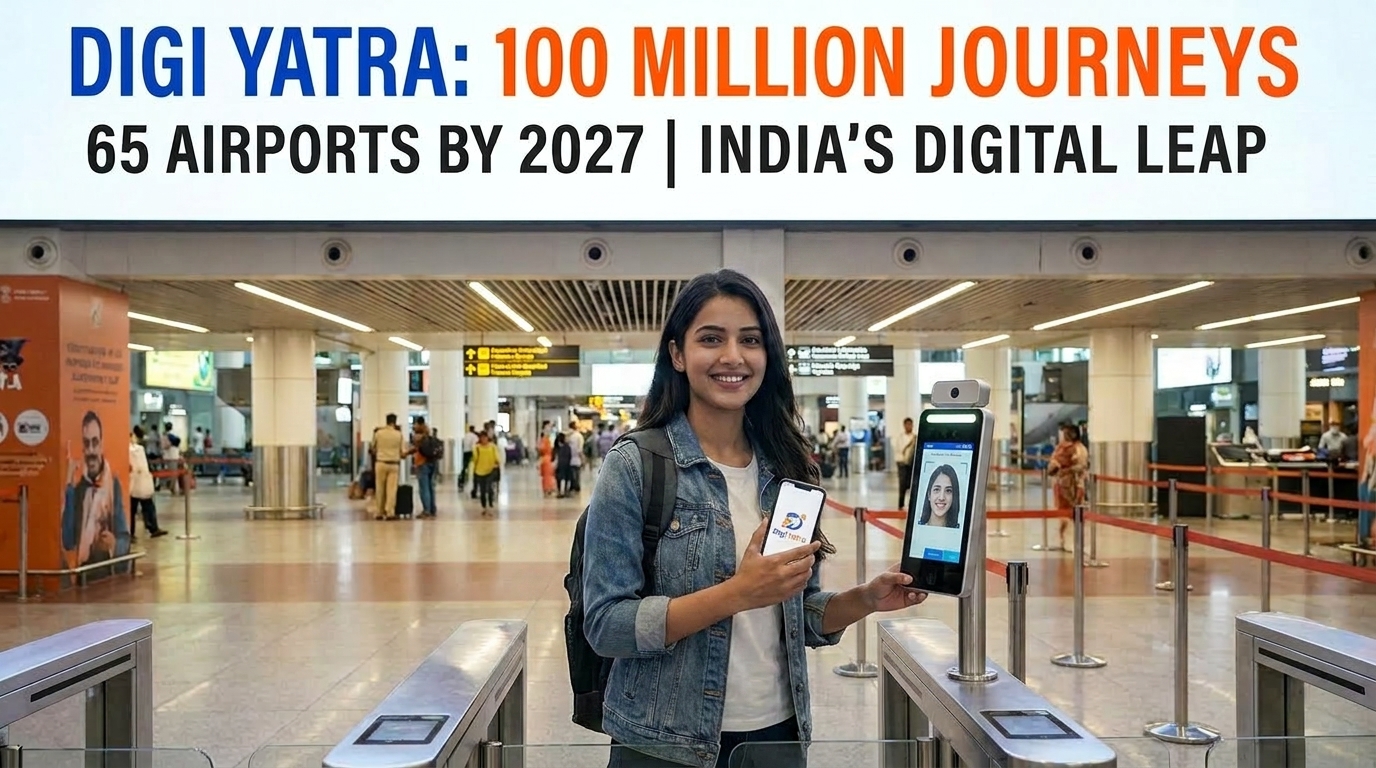
Digi Yatra has crossed 100 million passenger journeys, and the next big change is wider airport access by 2027. For regular flyers, this means faster terminal entry, fewer document checks, and a more paperless airport experience. The platform is currently active at 38 airports and is planned to expand to 65 airports by 2027. It has also crossed 24 million app downloads, showing that facial-authentication travel is no longer a niche airport experiment in India.

What Is Digi Yatra And Why Are Travelers Using It?
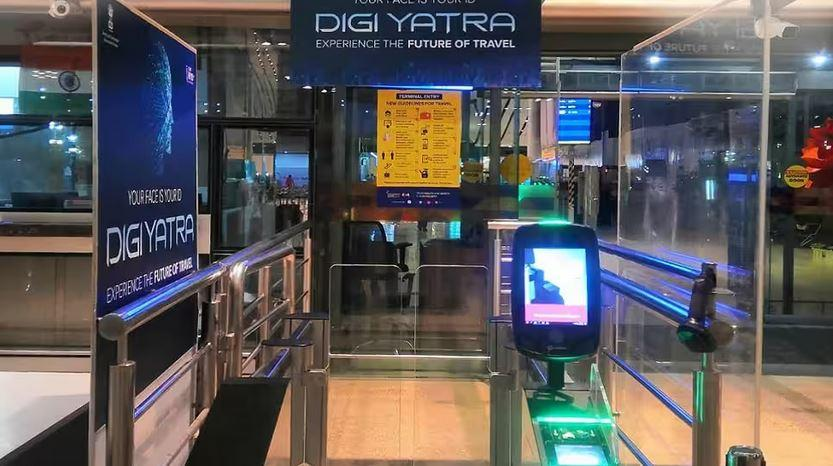
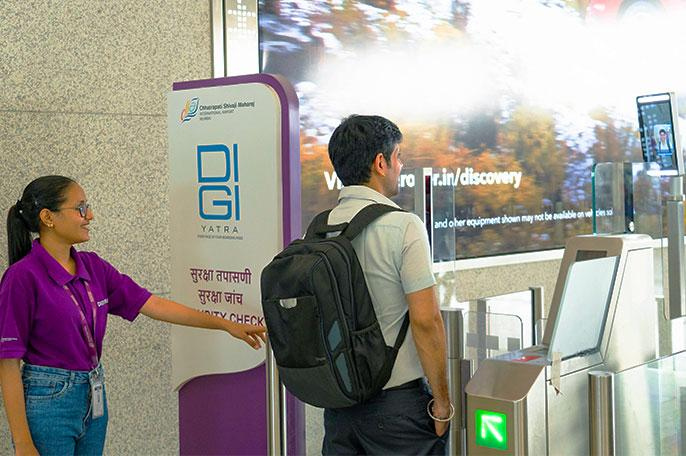
Digi Yatra is a digital airport entry system that lets passengers use facial authentication instead of repeatedly showing ID and boarding passes. Once a traveler registers on the app and links a boarding pass, the airport gate can verify the passenger through face scan.

For a passenger, the benefit is simple:
- Less time at terminal entry
- Fewer manual document checks
- Paperless movement through airport touchpoints
- Dedicated Digi Yatra gates at supported airports
- Better flow during peak travel hours
If you have ever reached an airport during a morning rush, you know the pain. One person is searching for an ID card, another is zooming into a boarding pass screenshot, and the queue stops every few seconds. Digi Yatra is designed to reduce that friction.

Digi Yatra Expansion 2027: How Big Will The Network Become?
Digi Yatra is planned to reach 65 airports by 2027, with 27 more airports expected to be enabled. This is important because the service becomes truly useful only when it works beyond major metro airports. Current reports also say upcoming greenfield airports such as Navi Mumbai, Jewar and Bhogapuram are expected to be Digi Yatra-enabled.
| Key Digi Yatra Update | Current Status |
|---|---|
| Passenger journeys completed | 100 million plus |
| Airports currently active | 38 |
| Planned airport network | 65 by 2027 |
| New airports to be added | 27 |
| App downloads | 24 million plus |
| Language support goal | All 22 scheduled Indian languages by 2027 |
Does Digi Yatra Really Save Time At The Airport?
Yes, Digi Yatra can reduce entry processing time, especially during crowded hours. Reported airport processing data says the system has reduced average airport entry processing from around 15 seconds to 5 seconds per passenger by replacing manual checks with facial authentication.
That difference looks small on paper, but it matters when hundreds of passengers arrive in the same 20-minute window. At busy airports, even a few seconds saved per person can make the queue feel less stressful.


A practical example: if you are flying from Delhi, Bengaluru, Mumbai, Hyderabad or another busy airport during early morning business travel hours, Digi Yatra can help you avoid the slowest part of entry, which is often the ID and boarding-pass check at the terminal gate.
Also read – 15 Best Places to Stargaze in India in 2026 & 5 My Favourite
Is Digi Yatra Safe For Passenger Data?
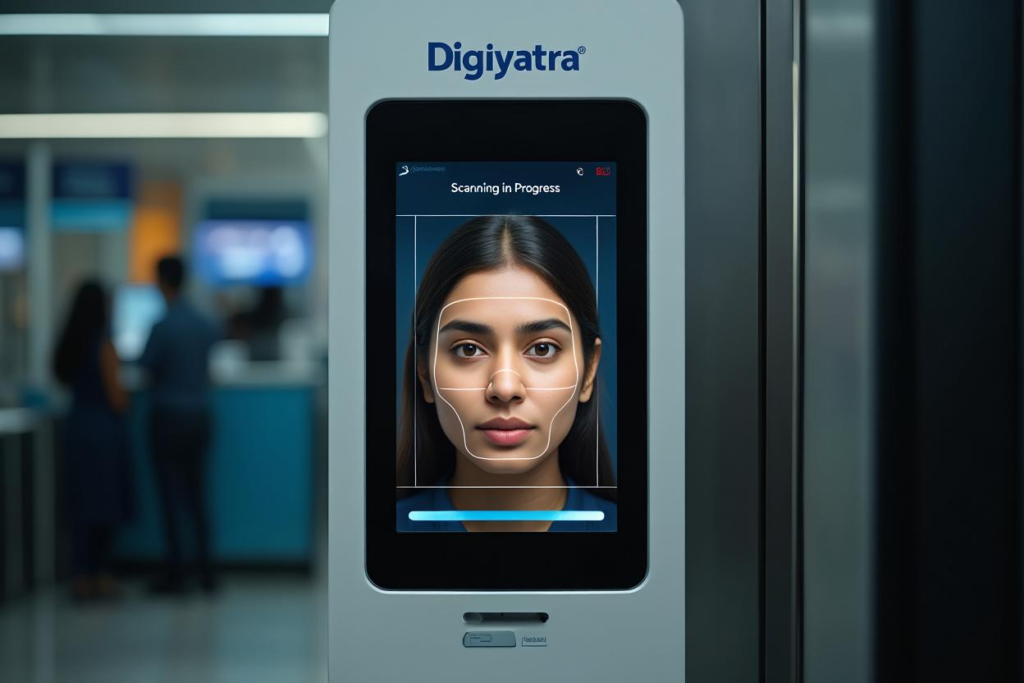
Digi Yatra uses a consent-based digital identity model, and passengers should still understand what they are sharing before using it. The platform’s design is described as a decentralized framework where passengers move through checkpoints using facial authentication while retaining control over personal information.
The key point for travelers is this: Digi Yatra is convenient, but it still involves biometric verification. Before using it, check that:
- You downloaded the official Digi Yatra app.
- Your boarding pass is uploaded only for your upcoming journey.
- Your phone number and ID details are correct.
- You understand the app permissions before accepting them.

The service is useful, but passengers should not treat biometric systems casually.
How To Use Digi Yatra Before Your Flight
The best way to use Digi Yatra is to set it up before leaving home. Do not wait until you are standing outside the terminal with bags, family members and a low phone battery.
Follow this simple order:
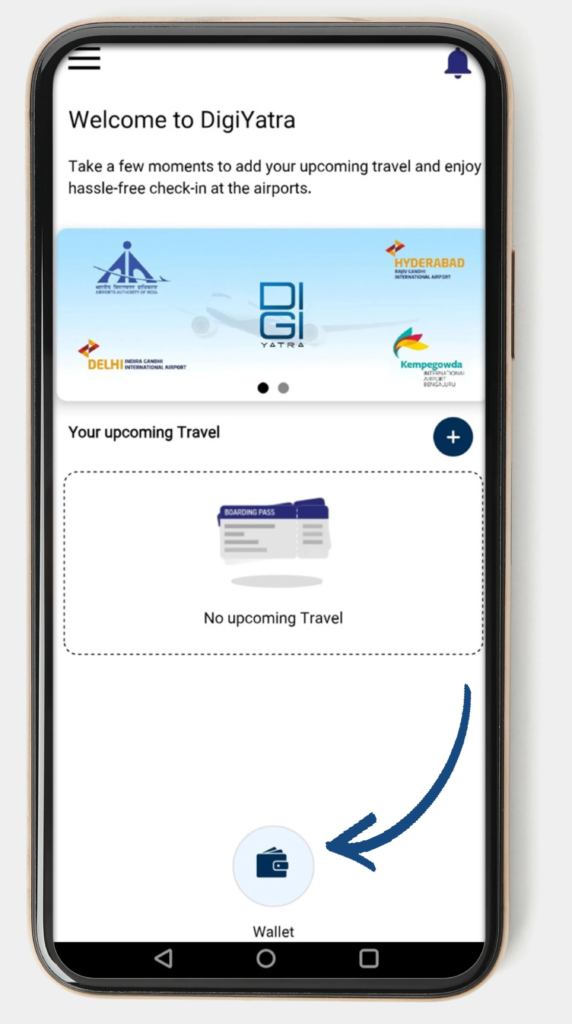
- Download the Digi Yatra app from the official app store.
- Register your identity using the required details.
- Add your face scan as instructed in the app.
- Upload or link your boarding pass before reaching the airport.
- Use the Digi Yatra gate at supported airport entry points.
- Keep your physical ID handy as backup.
That last point matters. Even if Digi Yatra works smoothly, carry your original ID. Airport systems, airline counters and security processes can still require backup verification.

Why Digi Yatra Matters For India’s Growing Air Travel
Digi Yatra matters because Indian airports are handling more passengers, and bigger terminals alone cannot solve every queue. Civil aviation officials have linked digital tools such as Digi Yatra, self-baggage drop, AirSewa and airport automation with the wider push to improve “ease of flying.” Passenger traffic across Indian airports is projected to reach 50 crore annually by 2030 and nearly 100 crore by 2040.
That growth needs smarter airport movement. More travelers means more queues at entry, baggage drop, security and boarding. Digi Yatra helps at the identity-check layer, where repeated manual verification often slows people down.
Also read – India Tightens Travel Advisory Over Ebola Outbreak
What Should Travelers Remember Before Using Digi Yatra?
Use Digi Yatra for speed, but travel with backup documents and realistic expectations. It is not a magic pass through the entire airport. Security checks, baggage rules, airline counters and boarding gates still apply.
Best advice for flyers:
- Use it for domestic flights where available.
- Reach early during peak travel days.
- Keep your phone charged.
- Carry your ID card.
- Do not depend on screenshots alone.
- Check whether your departure airport supports Digi Yatra.
Final Takeaway
Digi Yatra crossing 100 million journeys shows that India’s airport experience is becoming more digital, faster and more automated. The 2027 expansion to 65 airports could make facial-authentication entry common beyond metro cities. For travelers, the real benefit is not just technology. It is fewer pauses, shorter queues and a smoother start to the journey.