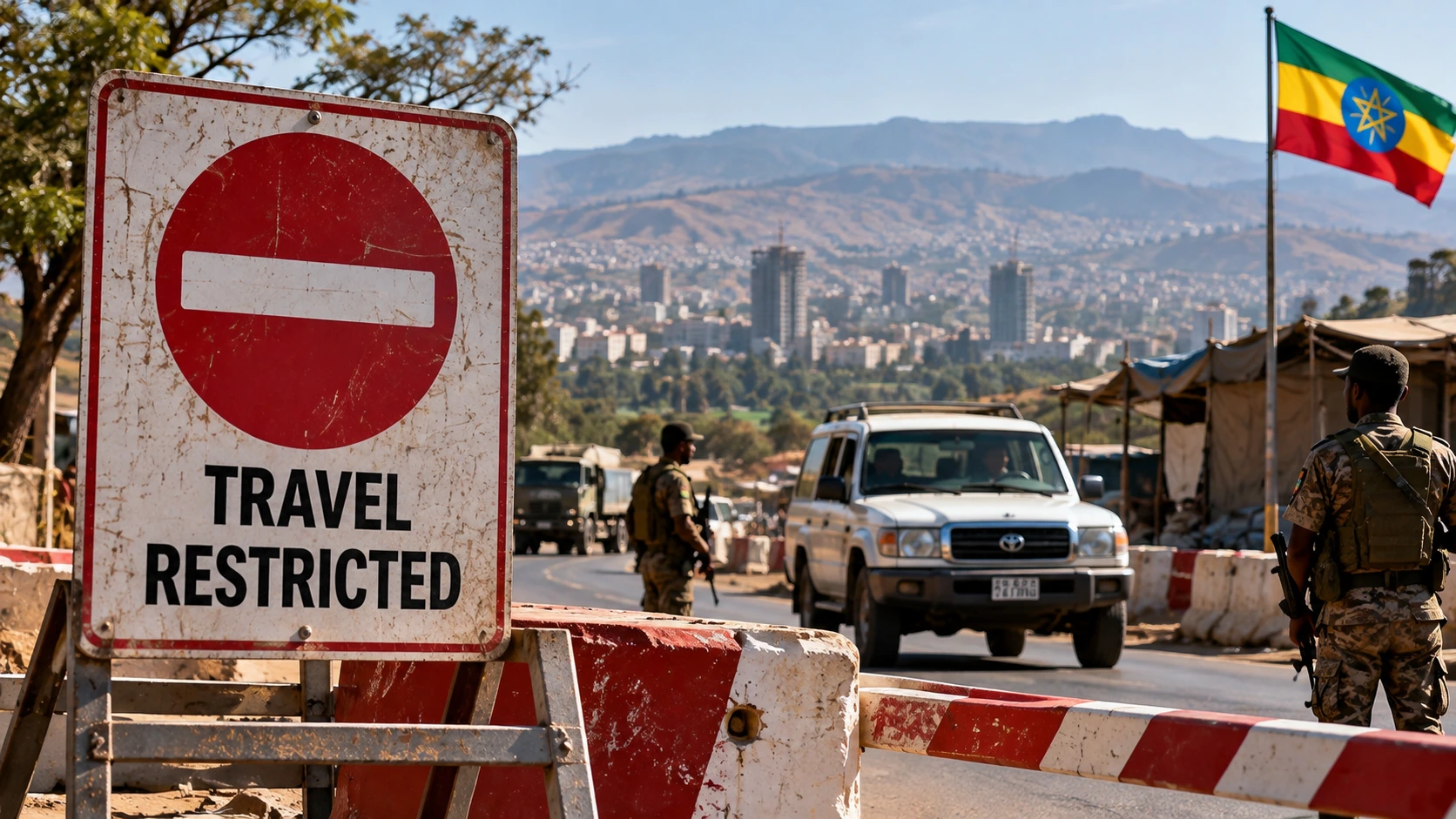
The U.S. State Department strictly prohibits all travel to Ethiopia’s Amhara region and specific Oromia zones due to intense armed conflict and unpredictable ethnic violence. The government places 14 specific areas under a severe Level 4 “Do Not Travel” advisory.
Violent clashes between regional militias and government forces make these areas extremely dangerous for foreign tourists and business travelers. The official U.S. Department of State Ethiopia Advisory confirms that even U.S. government personnel face heavy restrictions when moving outside the capital city.

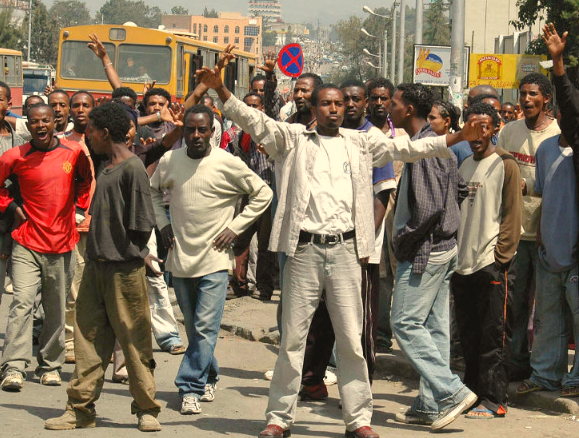
Why is the Amhara Region Under a Strict Travel Ban?
Active warfare and daily violence make the Amhara region entirely off-limits for travelers. Federal military forces frequently clash with local Fano militia groups across the entire territory. These sudden skirmishes trigger immediate roadblocks, internet blackouts, and airport closures without warning.
Popular historical tourist destinations like Lalibela and Gondar sit directly inside this conflict zone. Foreigners face extreme risks of getting trapped in crossfire or facing targeted kidnappings. If you get stuck in Amhara, the U.S. Embassy cannot provide emergency evacuation assistance.
Also read – Ten Most Inaccessible Places to Travel on This Earth
Security Threats and Kidnapping Risks in Oromia
Specific zones within the Oromia region carry a massive risk of ethnically motivated violence and active gunfights. Insurgent groups, including the Oromo Liberation Army (OLA), operate heavily in the western and southern parts of the region. Kidnappings for ransom happen frequently along rural highways.
Do not drive outside major towns in Oromia, especially after dark. Armed groups often set up fake checkpoints to ambush civilian vehicles and transit buses, according to a recent security update from Business Insider Africa. The government frequently restricts telecommunications in these active conflict zones, cutting off your ability to call for emergency help.

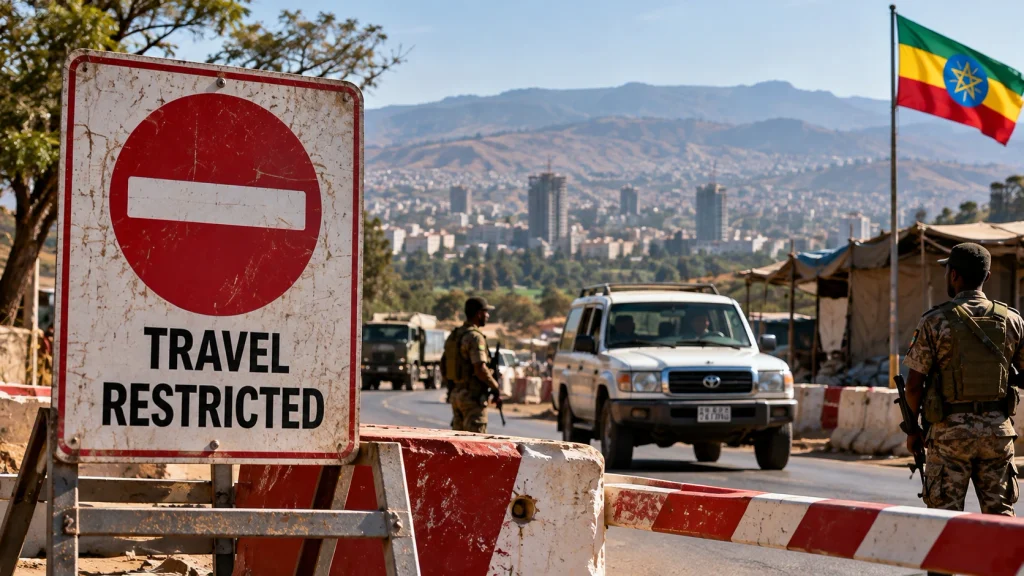
Ethiopia Travel Advisory Risk Levels by Region
The national baseline for Ethiopia sits at Level 3, meaning you should reconsider all travel. However, the most volatile areas trigger the maximum Level 4 warning.
| Ethiopian Region | Current State Dept Risk Level | Primary Security Threats |
| Amhara | Level 4: Do Not Travel | Active armed conflict, Fano militia violence, kidnapping |
| Tigray & Eritrea Border | Level 4: Do Not Travel | Post-war instability, unexploded landmines, closed borders |
| Oromia (Specific Zones) | Level 4: Do Not Travel | Ethnic violence, rebel ambushes, highway kidnappings |
| Somali Border Area | Level 4: Do Not Travel | Cross-border terrorism, landmines, kidnappings |
| Addis Ababa | Level 3: Reconsider Travel | Petty crime, sudden civil unrest, pickpocketing |
Handling Financial and Medical Emergencies
Internet and cellular blackouts severely impact your ability to pay for goods. When the government cuts the internet to disrupt militia communications, local ATMs and credit card machines stop working instantly. Always carry enough hard currency in US Dollars or Ethiopian Birr to cover your immediate hotel and food expenses.
Medical facilities outside of Addis Ababa remain severely unequipped for major trauma. If you sustain an injury during a roadside ambush or civil unrest, local clinics lack the blood supplies and surgical equipment needed to save your life. Purchase premium medical evacuation insurance before departure. Check current health notices on the Centers for Disease Control and Prevention (CDC) website to understand the full scope of regional medical limitations.
How to Safely Transit Through Addis Ababa Airport
Connecting flights through Addis Ababa Bole International Airport remain safe and highly routine. As the main hub for Ethiopian Airlines, the airport operates normally despite the regional conflicts outside the city limits.
Keep your layover strictly inside the terminal building. Do not leave the airport to explore the city if you have a long connection. Book a pass for an interior airport lounge if you need a safe place to rest during overnight transits.
Essential Survival Tips for Approved Ethiopia Travel
If you must travel to safer areas like Addis Ababa for essential business, you must prepare for sudden infrastructure failures.
- Enroll in STEP: Register your trip directly on the Smart Traveler Enrollment Program (STEP) website to receive instant security alerts and allow the embassy to track your location.
- Carry satellite communication: The government routinely shuts down cellular data and local internet during protests. Bring a registered satellite messenger device if local laws permit.
- Avoid all public gatherings: Political protests in the capital often escalate into violence rapidly. Leave the area immediately if crowds begin forming.
- Hire vetted local drivers: Never use public minibuses or hail random taxis on the street. Use official hotel transport or vetted security drivers endorsed by the Overseas Security Advisory Council (OSAC).