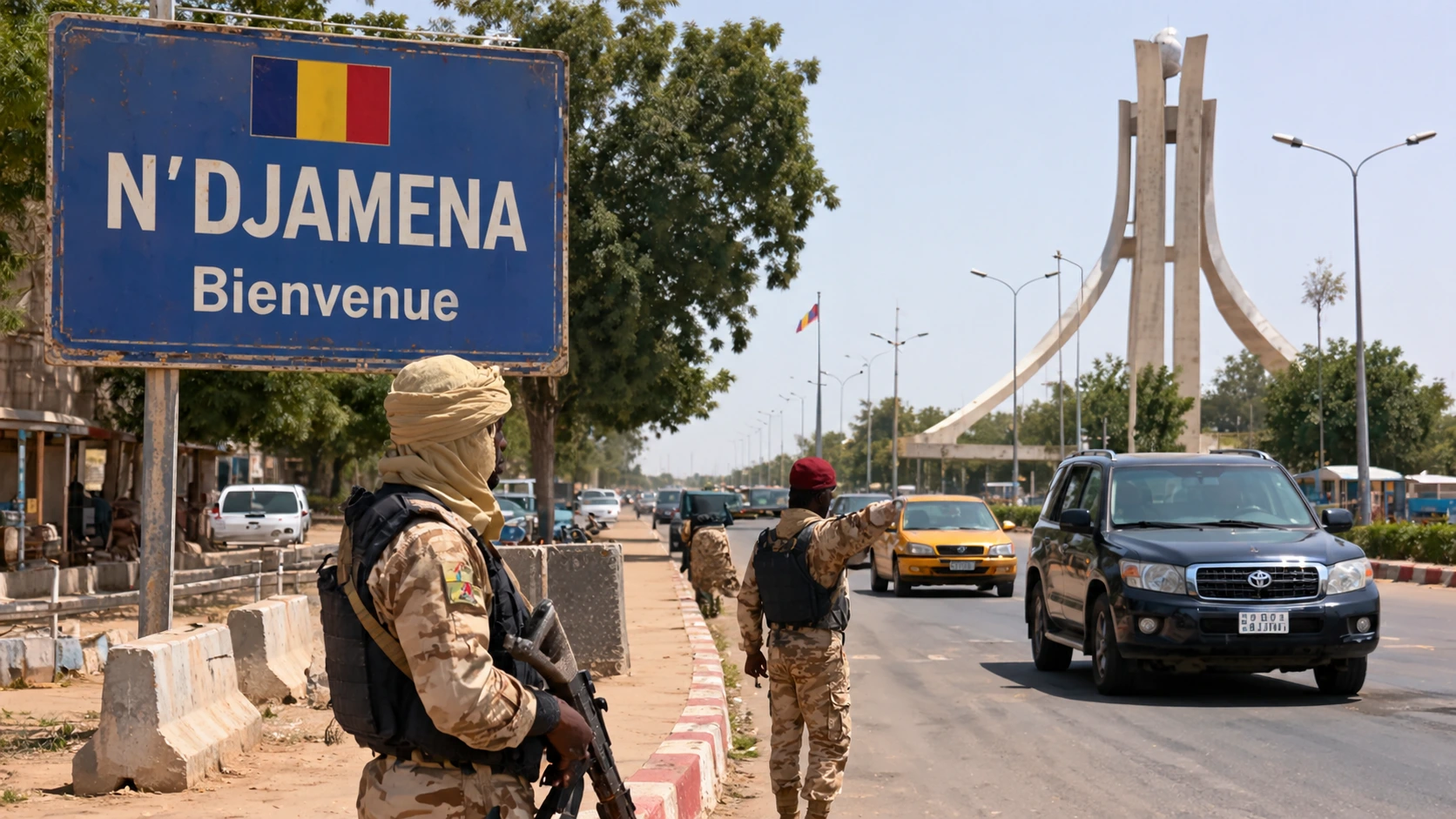
The U.S. State Department strictly advises all citizens against traveling to Chad under a Level 4: Do Not Travel advisory. The entire country faces extreme risks of terrorism, kidnapping, and violent crime. Specifically, the capital city of N’Djamena presents a high daily risk of armed carjackings and violent muggings for both tourists and foreign residents.


If you are currently in Chad or must travel there for essential reasons, you must prepare for a total lack of standard police protection and emergency medical care.
What is the Armed Crime Situation in N’Djamena?
Violent and petty crime present an immediate, real danger across all neighborhoods in N’Djamena, even in daylight. Criminals actively target foreign visitors because they assume tourists carry large amounts of cash and expensive electronics. The U.S. Embassy in Chad reports that armed robberies, violent home invasions, purse snatching, and sexual assaults happen frequently.
Carjackings are a specific, severe threat. Criminals often target vehicles stalled in heavy city traffic or those stopped at unregulated intersections. Even U.S. government employees face strict limitations in N’Djamena; they require special authorization for night driving and must use mandatory armored vehicles for transport.
How Does Inadequate Law Enforcement Impact Safety?
If you become a victim of a crime in Chad, you cannot rely on local police for rapid assistance. The State Department bluntly warns that limited resources and inadequate law enforcement training hinder police response times to serious crimes across most areas, including the capital.
Local police simply do not have the dispatch networks or patrol vehicles to rescue travelers caught in an armed robbery or carjacking. Consequently, the burden of security falls entirely on the traveler and private security firms.
Also read – Rising Tourist Scams and Trafficking Zones in Cambodia

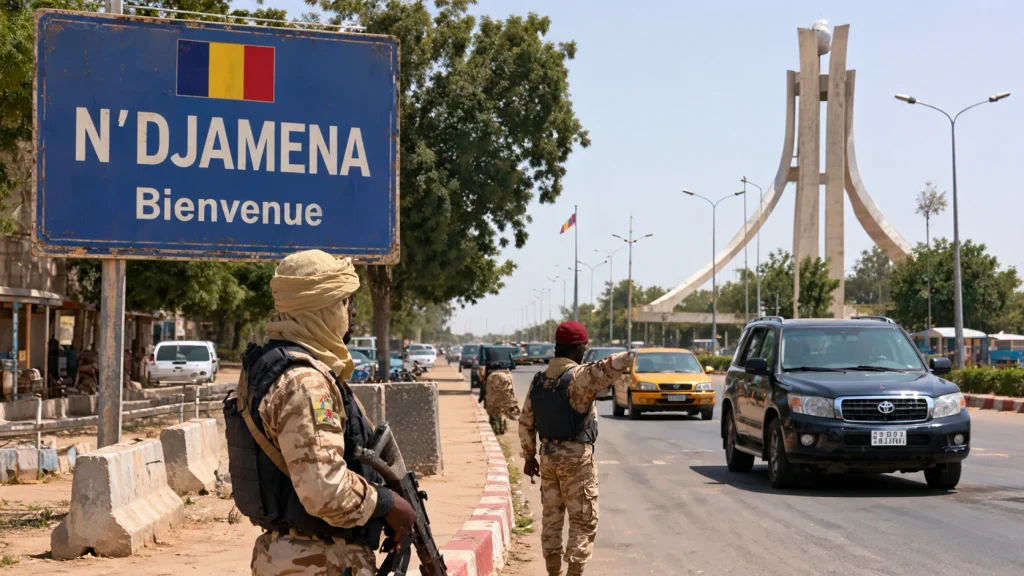
Safety Directives for Transport and Daily Movement
Travelers must completely alter their daily habits to survive in this high-risk environment. The official U.S. Embassy guidelines offer specific instructions for navigating N’Djamena safely:
- Do not physically resist a robbery: If confronted by armed criminals or carjackers, hand over your valuables immediately. Victims who resist are frequently harmed or killed.
- Never use local street taxis: Do not hail taxis or accept rides from unofficial sources in N’Djamena. Always hire private transport through a reliable travel agency or a verified international hotel.
- Decline unofficial airport help: Do not let unverified individuals carry your luggage at the airport, as this often leads to forced payment demands or immediate theft.
- Keep a low profile: Do not display signs of wealth. Hide expensive watches, jewelry, and smartphones while in transit.
Terrorism and Kidnapping Risks Outside the Capital
While N’Djamena struggles with armed street crime, the threat of terrorism and kidnapping dominates the rest of the country. Terrorist groups actively target locations frequented by foreigners, including religious venues, markets, transport hubs, and even national parks.
The U.S. government warns that kidnapping for ransom is common. Criminal syndicates and terrorist factions actively hunt for foreign visitors. The borders with Sudan, Libya, and the Central African Republic are porous, highly unstable, and frequently experience cross-border trafficking and militant violence. Because of these extreme risks, U.S. Embassy employees are not allowed to leave N’Djamena without an armed security escort and a multi-vehicle convoy.
Essential Preparations Before Traveling to Chad
If you must travel to Chad against government warnings, you must secure your own emergency exit strategy. The U.S. government has extremely limited ability to provide emergency consular services outside of N’Djamena.
- Purchase Medical Evacuation Insurance: Chad lacks adequate health infrastructure, and even basic antibiotics are scarce. If you are injured in a carjacking, you will need a private medical flight to Europe or South Africa.
- Draft a Will: The State Department formally recommends that anyone traveling to Chad prepare a will and designate appropriate insurance beneficiaries before departure.
- Establish a Proof of Life Protocol: Create a specific communication plan with your family or employer, including a “proof of life” protocol in the event you are kidnapped.
- Enroll in STEP: Register your travel dates with the Smart Traveler Enrollment Program (STEP) to receive immediate security alerts from the local embassy.