

The FAA is capping daily flight operations at Chicago O’Hare International Airport (ORD) at 2,800 for the Summer 2026 season, running from March 29 to October 25, 2026. Airlines had already scheduled over 3,080 daily peak operations. That means roughly 280 flights per peak day will need to be cut. American Airlines and United Airlines are primarily affected. A formal schedule reduction meeting with airlines was set for March 3, 2026.

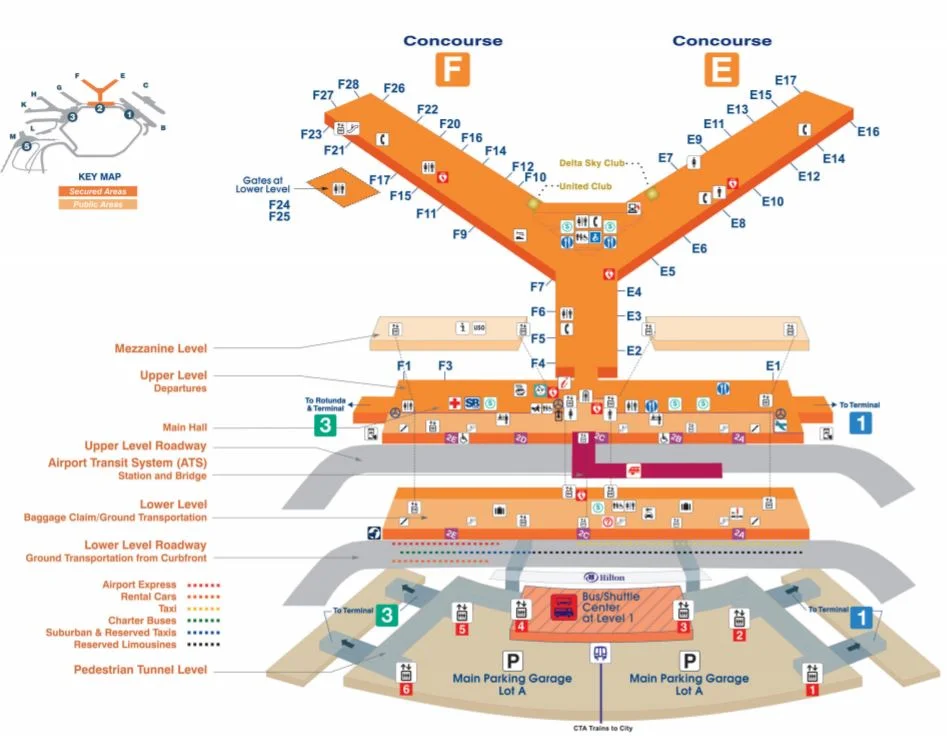
What Is the FAA Doing at Chicago O’Hare and Why Does It Matter to You?
If you have a summer flight booked through Chicago, this news is directly relevant to your travel plans.
The Federal Aviation Administration has stepped in to place a hard cap on daily flight operations at Chicago O’Hare International Airport. For the full Summer 2026 travel season, from March 29 through October 25, the FAA will limit total daily flights at ORD to 2,800 operations per day. The problem is that airlines had already published summer schedules projecting over 3,080 daily operations on peak days. That is a gap of roughly 280 flights every single peak day that will need to disappear from airline schedules before summer even begins.
This is not routine. The FAA does not intervene like this at major airports without a serious reason.

Why Did the FAA Step In? The Airline Turf War That Broke Chicago
The root cause here is not passenger demand growing too fast. It is a high-stakes gate war between two of America’s biggest carriers that spun out of control.
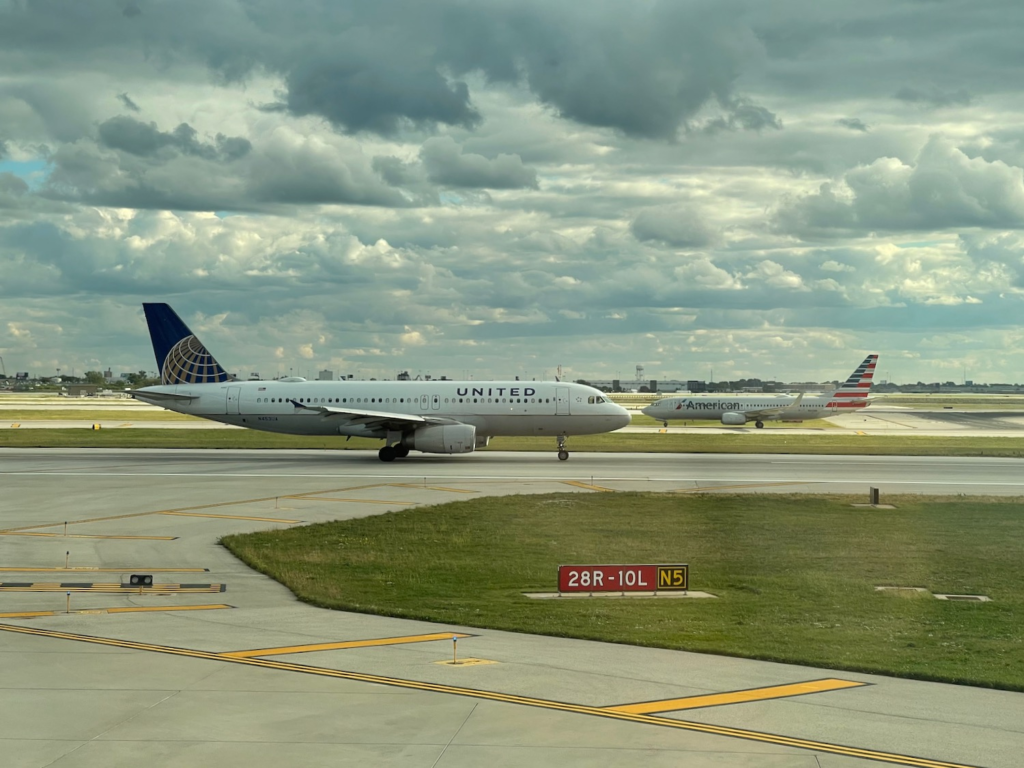
United Airlines announced its largest summer schedule in its entire history at O’Hare, planning up to 750 daily departures during the 2026 peak, a roughly 25% increase over pre-pandemic levels. That growth was partly fuelled by United CEO Scott Kirby, who publicly stated the airline would “add as many flights as are required” to prevent American Airlines from gaining access to additional gates.
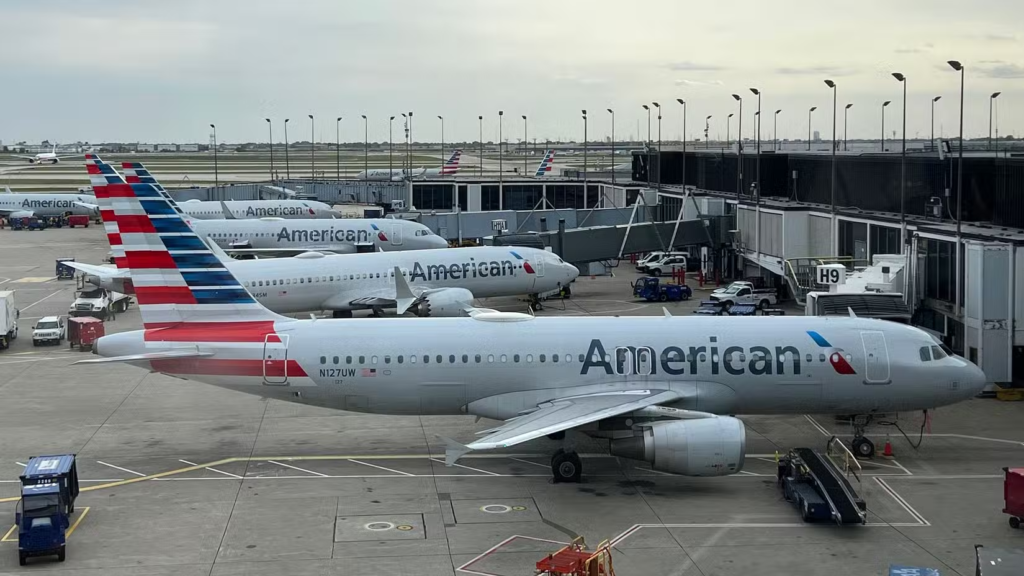
American Airlines responded by announcing 100 new daily departures in December 2025, targeting over 75 destinations and representing a 30% year-over-year increase in spring departures.
Together, these two carriers pushed O’Hare toward a combined peak that the FAA says would “stress the runway, terminal, and air traffic control systems at the airport.”
The FAA described it plainly: published airline schedules for the upcoming summer 2026 season would push total daily operations well above what the agency considers manageable.
Also read – 518 Flights Just Got Cancelled at Qatar’s Airport – Here’s Why and What Every Traveler Must Do
What Exactly Is Being Cut and When?
The FAA issued a notice saying it plans to cap daily operations at O’Hare at 2,800 flights for the summer 2026 scheduling season, which runs from March 29 through Oct. 25. The cap is not a new, lower number for O’Hare. It actually reflects what the airport has already proven it can handle. The FAA is simply stopping airlines from scheduling above that proven ceiling.
The action falls under its delay reduction authority and applies only to US carriers, leaving foreign airline schedules unaffected.
A formal scheduling reduction meeting with airline executives took place March 3, with a follow-up session on March 4. After those meetings, the FAA will issue a binding order detailing exactly which flights each carrier must cut.

How Will This Affect Passengers Traveling Through Chicago This Summer?
Here is the practical reality if you are flying through O’Hare between late March and late October 2026.
Fewer available seats on popular routes means basic economics will kick in. With roughly 280 daily flights likely being trimmed from peak-day schedules, seat capacity is shrinking. Less supply with steady or growing demand almost always pushes ticket prices up.
The silver lining is real though. Regulators and airlines argue that a slightly leaner schedule should translate into fewer last-minute cancellations, shorter taxi times, less time waiting for a gate and a more predictable day-of-travel experience overall.
In other words, you may pay a bit more for your Chicago summer flight. But the chances of it actually departing on time go up significantly.

The Bigger Picture: This Is About More Than One Airport
Chicago O’Hare has long been a crucial hub for connecting flights across North America, Europe, and Asia, making it an essential part of the global aviation network. Disruptions at ORD cascade through the entire US airspace system.
The FAA has used this kind of intervention before, most recently at Newark Liberty International Airport, where capping flights significantly reduced chronic delay problems. O’Hare is undergoing a multibillion-dollar terminal expansion set for completion in 2028. Until that infrastructure is live and air traffic control staffing levels recover, these flight caps may effectively become the norm for Chicago summers.
Snapshot: All Key Facts in One Place
| Detail | Information |
|---|---|
| Airport | Chicago O’Hare International Airport (ORD) |
| FAA Daily Cap | 2,800 flights per day |
| Current Scheduled Peak | Over 3,080 flights per day |
| Flights to Be Cut | Approx. 280 per peak day (about 9%) |
| Season Affected | March 29 to October 25, 2026 |
| Airlines Hit | American Airlines, United Airlines (US carriers only) |
| FAA Meeting Date | March 3-4, 2026 |
| Passenger Impact | Fewer flight options, possible fare increases, better on-time performance |
| Long-Term Solution | O’Hare expansion project, completion expected 2028 |
Why is the FAA limiting flights at Chicago O’Hare in summer 2026?
American Airlines and United Airlines both announced major schedule expansions that pushed planned peak-day operations at ORD above 3,080 flights. The FAA determined that level would overload runways, terminals, and air traffic control, creating dangerous congestion, so it is enforcing a cap of 2,800 daily flights.
How many flights will be cut at O’Hare this summer?
Approximately 280 flights per peak day will need to be removed from airline schedules. That is roughly a 9% reduction from what United and American had already published for the summer season.
Will my existing O’Hare flight booking be cancelled because of this?
Possibly. Once the FAA issues its formal order after the March 3-4 meetings, airlines will adjust their schedules. If your flight is among those cut, your airline must notify you and offer a free rebooking or refund. Check your airline’s app regularly from now through late March.
Does the FAA flight cap affect international flights at O’Hare?
No. The FAA’s cap applies only to US domestic carriers. International airline schedules at O’Hare are not directly affected by this order.
Which airline will be forced to cut more flights, American or United?
United Airlines is expected to bear the larger share of cuts because its planned growth at ORD is significantly larger. United planned around 750 daily departures compared to American’s roughly 500. Proportionally, United had more to trim.
Will flight prices go up at Chicago O’Hare this summer?
Most aviation analysts expect fares to rise on affected routes. With fewer available seats and strong summer travel demand, basic supply-and-demand economics will likely push ticket prices higher on popular O’Hare corridors.
Is flying through O’Hare this summer still a good idea?
Yes, with some planning. The FAA’s intervention is specifically designed to make O’Hare more reliable and less chaotic this summer. While some routes may have fewer options, flights that do operate are likely to be more punctual and less prone to weather-cascade delays.
When will I know which O’Hare flights are actually being cut?
The FAA’s formal reduction order will be issued after the March 3-4 airline meetings. Airlines are expected to publish updated schedules shortly after. If you have a summer O’Hare booking, monitor your airline’s app and email notifications closely from mid-March onward.