
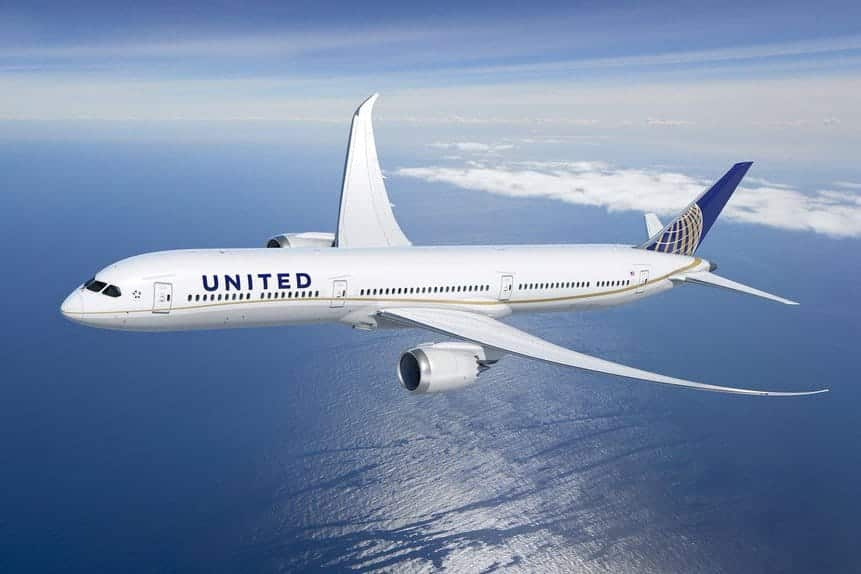
Hawaiian Airlines has officially converted five Boeing 787-9 Dreamliner orders to the larger 787-10 variant, signaling a pivotal shift in its long-haul strategy under Alaska Air Group (AAG). This move prioritizes capacity and operational efficiency on high-demand routes, aligning with AAG’s vision to expand international services from Seattle-Tacoma International Airport (SEA). The 787-10, with its superior seat-mile economics and capacity for over 300 passengers, will enhance the group’s competitive edge against rivals like Delta while optimizing fleet flexibility.

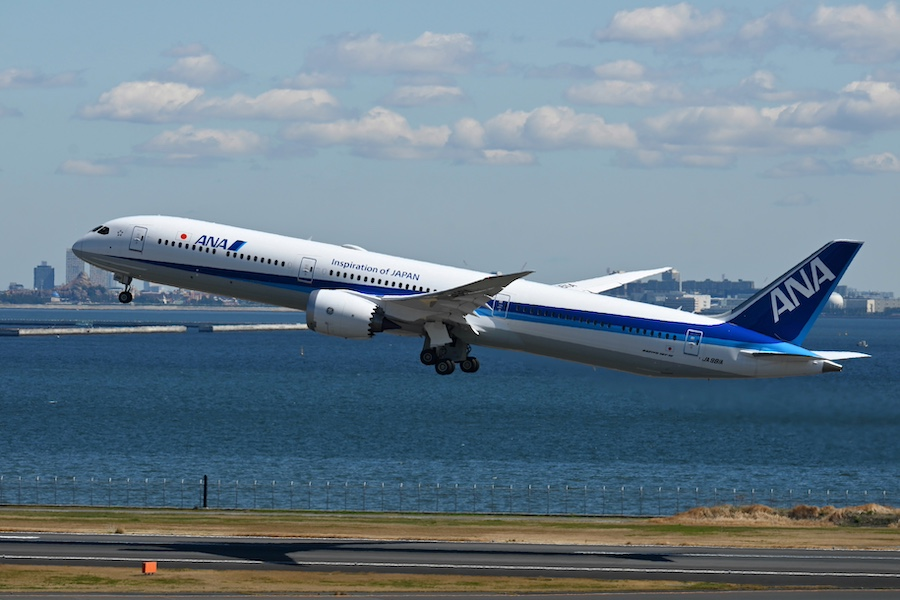
Why the Switch to 787-10? Key Drivers
- Capacity Over Range:
The 787-10 offers 10–15% better seat-mile economics on medium-haul routes (sub-6,000 nautical miles) compared to the 787-9, despite a range reduction of approximately 1,200 nautical miles. This trade-off is ideal for high-density routes like Hawaii–U.S. West Coast and Hawaii–Asia, where demand consistently justifies larger capacity. - Alaska Air Group’s Network Strategy:
AAG aims to position Seattle as a global hub, with new routes to Tokyo Narita, Seoul Incheon, London, Rome, and Reykjavik. The 787-10’s capacity supports this expansion by enabling higher passenger volumes on trunk routes. - Fleet Integration Efficiency:
The conversion simplifies fleet management under AAG, reducing operational complexity by aligning aircraft with route-specific demands. The 787-9 will handle longer routes (e.g., ultra-long-haul Asia flights), while the 787-10 focuses on high-demand corridors.
Comparative Analysis: 787-9 vs. 787-10 Dreamliner
| Feature | 787-9 | 787-10 |
|---|---|---|
| Range | 7,530 nautical miles | 6,330 nautical miles |
| Typical Seating | 300 (34 Business + 266 Economy) | 300+ (3-class with Premium Economy) |
| Primary Use | Long-range, thinner routes | High-density, medium-haul routes |
| Key Routes | Honolulu–New York, Honolulu–Tokyo | Seattle–Tokyo, Seattle–Seoul |
| Economic Advantage | Flexibility for ultra-long-haul | Lower seat-mile costs on high-demand routes |
| Source: Boeing Dreamliner Overview. |
Operational and Passenger Implications
For Travelers:
- New Cabin Products: The 787-10 will feature Alaska’s premium long-haul standards, including lie-flat business suites and premium economy—a first for Hawaiian-operated routes.
- Livery and Branding: Aircraft will adopt Alaska’s “global livery,” replacing Hawaiian’s iconic Pualani tail art. This visual shift has sparked community disappointment but aligns with AAG’s unified branding strategy.
- Booking Transition: By late 2025, customers will see Alaska-branded 787-10s on former Hawaiian routes. Mileage Plan becomes the primary loyalty program, with reciprocal benefits for HawaiianMiles members.
For Hawaii’s Economy:
- Tourism Stability: Higher seat counts on key routes (e.g., Los Angeles–Honolulu) could reduce fares and boost tourism revenue.
- Resource Optimization: The 787-10’s efficiency supports sustained service to Hawaii amid fuel volatility and operational costs.
Challenges and Criticisms
- Cultural Identity Loss: The replacement of Hawaiian branding with Alaska’s livery is perceived as eroding local identity.
- Range Limitations: The 787-10 cannot operate ultra-long-haul routes like Honolulu–New York nonstop, requiring the 787-9 or A330s for such missions.
- Integration Risks: Rapid fleet changes could lead to operational hiccups, such as inconsistent cabin experiences during the transition.
Future Outlook: Alaska’s Long-Haul Ambitions
- Route Expansion: The 787-10 will launch on Seattle–Asia/Europe routes in 2026, with potential new destinations like Taipei and Hong Kong.
- Fleet Sustainability: A mixed fleet of 787-10s, 787-9s, and A330s ensures balance—capacity for high-demand routes and range for thinner markets.
- Competitive Positioning: AAG aims to challenge Delta’s dominance in the Pacific Northwest by leveraging the 787 family’s efficiency and passenger appeal.
Final Words: Efficiency Over Tradition
Hawaiian’s fleet conversion underscores a hard-nosed strategic pivot under Alaska Air Group – prioritizing economic efficiency and network synergy over sentimental branding. While the loss of Hawaiian identity stings, the 787-10’s capacity gains and cost savings will fortify long-haul connectivity for Hawaii. For travelers, this translates to more seats, competitive pricing, and a streamlined loyalty program. As the first 787-10s arrive in late 2025, all eyes will be on AAG’s execution to ensure this gamble pays off for both shareholders and passengers .
Explore Official Resources: