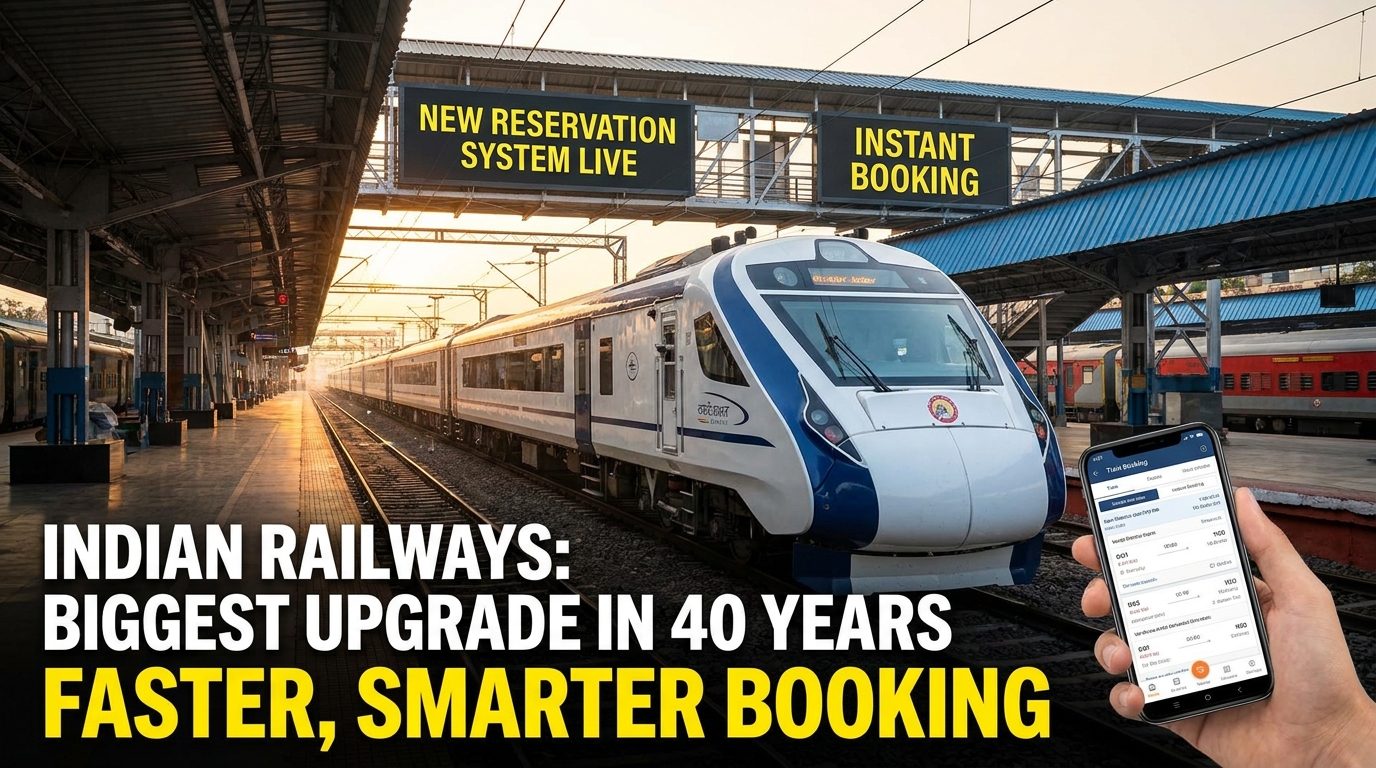
Indian Railways is replacing a 40-year-old ticket booking system with a completely new, AI-powered platform starting August 2026. If you book train tickets regularly, whether on IRCTC or the RailOne app, this upgrade changes how you search, book, and track your trains.

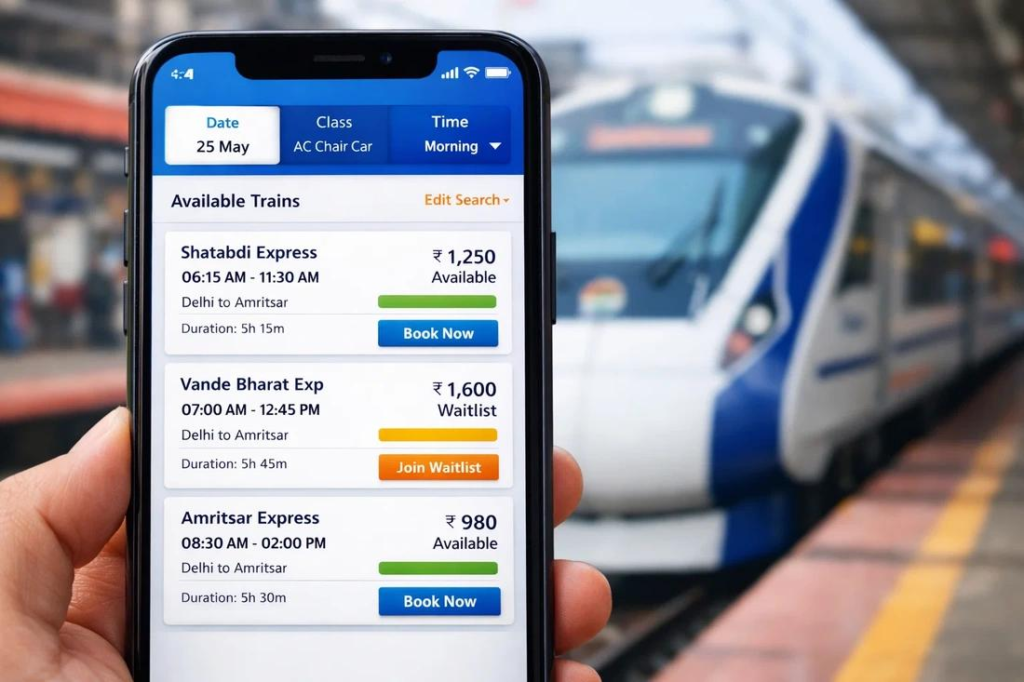
Here is everything you need to know before August arrives.
What Is Actually Changing in Indian Railways Booking This August?
The entire backbone of train ticket booking in India is getting replaced. The current Passenger Reservation System (PRS), introduced back in 1986, has been running for nearly 40 years with only minor patches and fixes along the way.
Starting August 2026, trains will gradually shift to a fully rebuilt, modern reservation platform. Railway Minister Ashwini Vaishnaw personally reviewed the transition plan at Rail Bhawan and directed officials to make sure passengers face zero disruption during the changeover.
Think of it this way: if the old system was a Nokia 3310 with a screen crack and slow keys, the new one is a smartphone with face recognition and instant response.


Why the 1986 System Could Not Be Kept Running Any Longer
The 40-year-old system was simply not built for today’s scale. When it launched in 1986, internet booking did not exist. Passengers stood in queues at railway stations for hours to get a reserved seat.
Fast forward to today:
- 88% of all train tickets in India are now booked online
- The old system frequently slowed down during peak booking windows like Tatkal opening hours
- It was not designed to handle the surge of millions of users hitting it at the exact same time
- Around 9.29 lakh tickets are booked every single day, including 7.2 lakh unreserved and 2.09 lakh reserved tickets through the RailOne app alone
Anyone who has tried booking a Tatkal ticket at exactly 10 AM knows the frustration. The website times out, the app freezes, and by the time your OTP arrives, the seats are gone. That problem is exactly what this upgrade is targeting.
Also read – Summer Flights Gets 31% Expensive as Travelers Rethink Plans
What Is the New System and What Will It Actually Do Better?
The new RailOne platform is a ground-up rebuild using modern technology with significantly higher capacity. It is not a patch on the old system. It is a completely new foundation.
Here is what changes for the average passenger:
The system runs underneath everything you see on IRCTC and RailOne. A faster, more stable backbone means faster booking screens, quicker seat availability updates, and more reliable Tatkal experiences.
The RailOne App Is Central to This Entire Upgrade
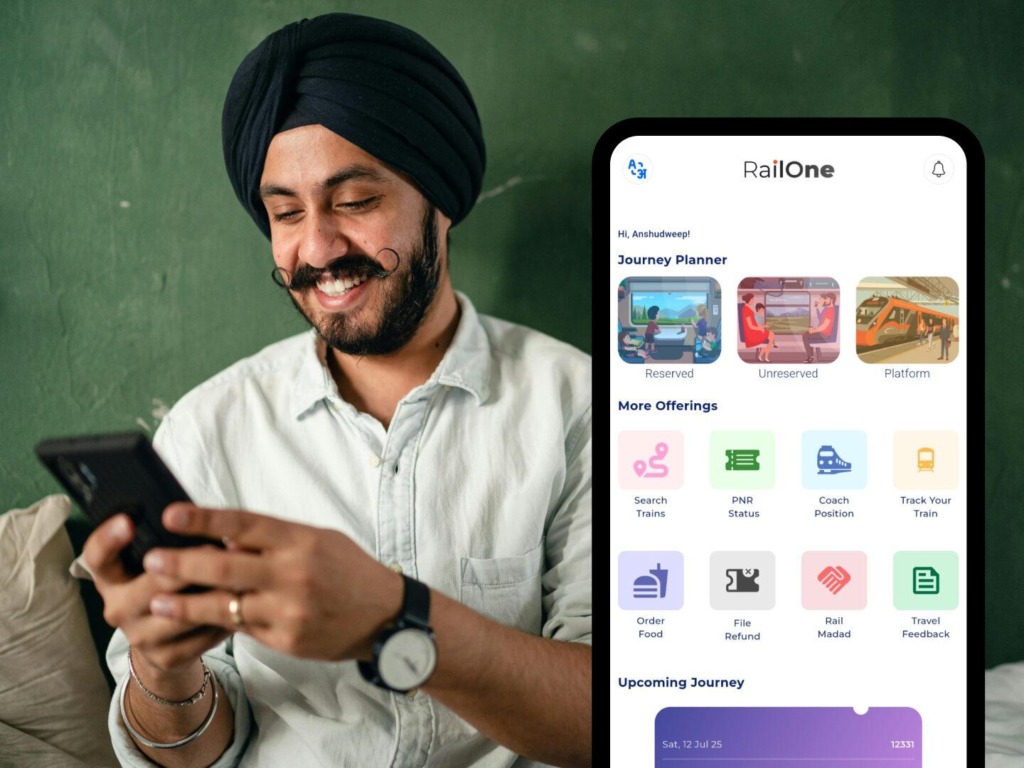
RailOne is not just another app. It is now the Railways’ primary digital platform and the face of this entire transformation. Launched in July 2025, the app crossed 3.5 crore downloads within just one year.

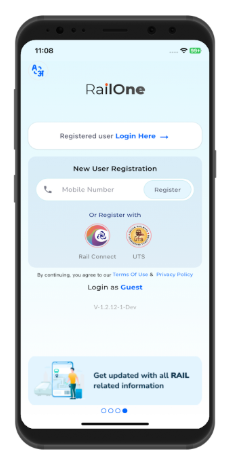
What RailOne currently handles in one place:
- Reserved and unreserved ticket booking
- Platform ticket purchase
- Cancellations and refunds
- Live train status and coach position
- Platform number details before arrival
- Food ordering during the journey
- Passenger complaints through Rail Madad
- AI-powered waitlist confirmation predictions

The waitlist prediction feature is the one that is changing the most lives. Earlier, when you got a waitlisted ticket, you had no idea whether it would confirm. You would refresh the PNR status every few hours hoping for movement.
Now the app tells you upfront: this ticket has a high chance of confirming, or this one likely will not. The accuracy of that prediction has jumped from 53% to 94%. That is a number that actually helps you decide whether to book another option or wait it out.
Also read – Travel Insurance May Not Cover War-Related Trip Disruptions
How Will the Transition Happen and Will Your Bookings Be Affected?
The shift is happening in phases, not all at once. Railway Minister Ashwini Vaishnaw specifically directed officials to ensure zero inconvenience to passengers during migration.
What this means practically:
- Trains will move to the new system in batches starting August 2026
- Your existing bookings, PNR numbers, and ticket history will not be lost
- The booking interface on IRCTC and RailOne remains the same for you as a user
- Behind the scenes, data moves from old servers to new, more capable infrastructure
There is no need to cancel existing bookings or panic about upcoming trips. The Railways is specifically making sure this does not look disruptive from the passenger’s side.
What Does Indian Railways Actually Spend on Your Train Ticket?
Most passengers do not know this: the Railways is subsidising nearly half the cost of every ticket you buy.
The Ministry of Railways revealed that Indian Railways provided a subsidy of Rs 60,239 crore on passenger tickets in 2024-25. In real terms, that means:
- If it costs Rs 100 to provide the service, you pay only Rs 57
- The average concession per passenger is 43%
- This subsidy exists across all ticket classes
This is one of the reasons why Indian Railways is under pressure to modernise fast. Handling a subsidised, high-volume system on 40-year-old technology is not sustainable. The upgrade is also about financial and operational efficiency, not just passenger experience.
Also read – El Al Israel Launches Nonstop Tel Aviv–San Francisco Flights
People Also Ask
Will IRCTC website change after August 2026?
The interface you use to book tickets is not changing dramatically. The upgrade is to the system running underneath. Expect it to be faster and more stable, not visually different.
Will RailOne replace IRCTC completely?
RailOne is being pushed as the primary platform by Railways. Both will coexist for now, but RailOne is clearly where investment and new features are being added first.
What happens to my waitlisted ticket after the new system launches?
Your PNR and waitlist status continue to work normally. The AI prediction feature is already live on RailOne, so you can check confirmation chances right now before August.
Is the new system live already or only in August?
The full transition of trains to the new platform starts in August 2026. Some features like AI waitlist prediction are already live on the RailOne app.
Should I avoid booking tickets right around August when the shift happens?
There is no specific reason to avoid booking. The Railways has confirmed the migration will be seamless for passengers.
5 Things Every Train Traveller Should Do Right Now Before August
These steps will put you ahead of most passengers before the new system goes live:
- Download the RailOne app if you haven’t already. It already has features the IRCTC website does not, including AI waitlist prediction that can save you from booking a dead-end ticket
- Check your upcoming PNR statuses on RailOne to get the confirmation probability score right now, not just the waiting number
- Link your bank account or UPI directly on RailOne for faster checkout during Tatkal windows when every second counts
- Turn on train status notifications through Rail Madad inside RailOne so you get real-time platform and delay updates before you leave home
- Try booking unreserved tickets digitally through RailOne if you travel short distances. It skips the counter queue entirely
Why This Matters Beyond Just Booking
India’s train network carries over 2.5 crore passengers every single day. Running that on technology from 1986 is the equivalent of managing a city’s entire traffic system using handwritten notes.
This upgrade is part of a larger shift:
- Internet-based booking started only in 2002 and now covers 88% of reservations
- The Railways moved from physical punch cards and paper-based systems to digital in under two decades
- The next decade is about making that digital system intelligent, fast, and capable of real-time decision-making
The August 2026 rollout is not just a technical update. It is the Railways acknowledging that the way India travels has fundamentally changed, and the system managing all of it needs to catch up.