IndiGo just revealed the most ambitious growth plan in its history. By FY30, India’s largest airline wants to carry 200 million passengers a year, fly 3,000 daily departures, and push 40% of its capacity onto international routes. If you fly IndiGo even occasionally, this plan affects where you can go, how you fly, and what your ticket includes.

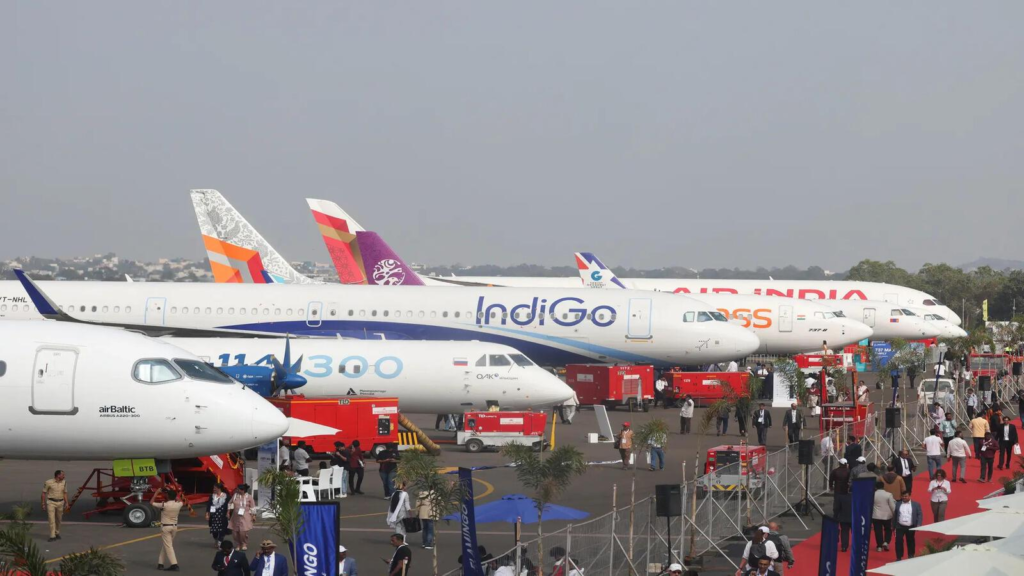
It wants India to become a serious global connection point for passengers flying between Europe, Southeast Asia, the Middle East and Africa.
IndiGo FY30 Plan at a Glance
| Key Area | Current / FY26 Position | FY30 Target |
|---|---|---|
| Annual passengers | Over 123 million | Around 200 million |
| Aircraft fleet | 441 aircraft | More than 550 aircraft |
| Daily departures | Over 2,200 | Nearly 3,000 |
| Capacity | About 172 billion ASKs | Around 300 billion ASKs |
| International capacity share | Around 30% | Around 40% |
| Cargo volume | Around 360,000 tonnes | More than 450,000 tonnes |
What Is IndiGo’s FY2030 Plan?
IndiGo’s FY30 plan is about scale, global routes and stronger revenue beyond basic ticket sales. The airline wants to almost double capacity, carry far more passengers and increase its international network while keeping its low-cost base intact.
For a regular traveller, this means one practical thing: more direct and one-stop options from Indian cities to international destinations. A flyer from Jaipur, Lucknow, Kochi or Ahmedabad may not always need to depend on Dubai, Doha or Singapore as the first connection point if Indian hubs become stronger.

How Many Aircraft Will IndiGo Have by FY30?
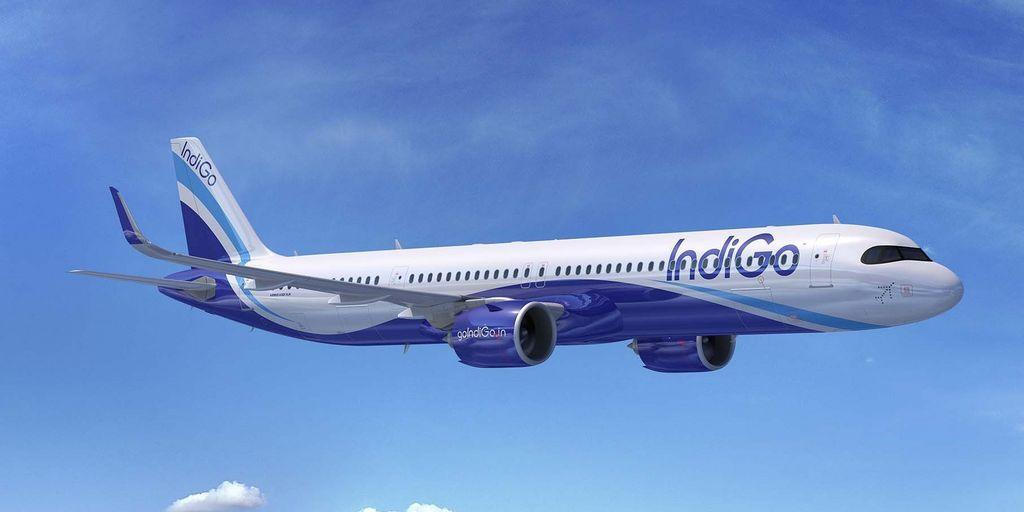
IndiGo plans to operate more than 550 aircraft by FY30, up from 441 aircraft at the end of FY26. That is not just a vanity number. More aircraft allow an airline to increase frequency, open new routes and recover faster when one route or region is hit by disruption.
The important detail is the type of aircraft. IndiGo is betting on Airbus A321XLR aircraft and Airbus A350 widebody jets to stretch beyond its traditional short-haul and medium-haul comfort zone. Nine A321XLR deliveries are expected in FY27, helping the airline look at longer routes such as Athens, Istanbul, Bali and Seoul.
Also read – Summer Flights Gets 31% Expensive as Travelers
Why Is IndiGo Focusing So Much on International Routes?
International routes are the biggest growth lever in IndiGo’s plan because they can bring higher traffic, better aircraft use and stronger brand visibility. The airline wants international capacity to reach around 40% of total capacity by 2030, compared with about 30% now.
This matters because India sits in a useful flying position. A passenger travelling from Europe to Southeast Asia, or from India to Africa, often connects through Gulf or Southeast Asian hubs. IndiGo wants more of that connecting traffic to flow through Indian airports.
A simple example: someone flying from Bengaluru to Athens, or Delhi to Bali, may prefer a direct IndiGo flight or a smooth Indian connection if the timing, baggage transfer and fare are right.
Will IndiGo Become a Full-Service Airline?
IndiGo is not becoming a full-service airline, but it is adding premium choices where passengers are willing to pay more. The airline is expanding its IndiGoStretch product, and daily premium seats are expected to rise to more than 4,300 by March 2027 from over 2,800 currently.
This is a smart middle path. Business travellers do not always need luxury, but they do value:
- More legroom
- A quieter front cabin
- Meal inclusion
- Priority-like convenience
- Better timing on business routes
For passengers, the advice is simple: compare total value, not just base fare. A slightly higher fare can make sense on a 7-hour or 8-hour flight if it includes better seating, food and fewer add-on costs.
Also read – Digi Yatra Hits 100 Million Journeys, 65 Airports By 2027 in …
What Could Slow Down IndiGo’s Global Plan?
Costs, currency swings, airspace disruptions and weak seasonal demand can slow IndiGo’s expansion. The airline reported a consolidated net loss of ₹2,536.9 crore in Q4 FY26, with foreign-exchange losses becoming a major pressure point. It also faced higher operating costs and disruption-related expenses.
This is why travellers should not assume that every newly announced international route will stay forever. IndiGo has already adjusted parts of its overseas network, including temporary suspensions on some international destinations and changes linked to higher operating costs and airspace restrictions.
What Should Passengers Do Before Booking IndiGo International Flights?
Passengers should check route stability, aircraft type and connection timing before booking long international trips. This becomes more important as IndiGo experiments with longer routes and transit traffic.
Use this quick checklist:
- Check whether the route is seasonal or permanent. New international routes can change faster than mature domestic routes.
- Look at layover time carefully. A cheap fare with a tight connection can become stressful.
- Check baggage rules before payment. International baggage and add-ons can change the final fare.
- Compare airport experience. Delhi, Mumbai, Bengaluru and Hyderabad connections may feel different depending on terminal, immigration and baggage flow.
- Do not ignore refund and change rules. This matters more on new or disruption-prone international routes.
Why Cargo, Loyalty and Add-Ons Matter in This Plan
IndiGo is also trying to earn more from cargo, loyalty and optional services. Cargo volumes are projected to rise to more than 450,000 tonnes by FY30, while BluChip has crossed 11 million members within 20 months of launch. Ancillary revenue per passenger has also increased over the last five years.
This is important because airlines cannot depend only on ticket prices. Seat selection, baggage, upgrades, cargo, loyalty partnerships and travel services can make the business stronger without raising every base fare.
The Real Takeaway: IndiGo Wants India to Become a Transit Hub
IndiGo’s FY30 plan is really about changing India’s aviation role. Instead of being mostly a large domestic market, India could become a stronger global connector.
For travellers, the upside is clear: more route choices, more nonstop flights, better premium options and stronger competition on international fares. The risk is also clear: some routes may be tested, paused or reshaped if costs rise or demand softens.
The best way to read this plan is simple: IndiGo is not just adding planes. It is trying to build a wider travel ecosystem where Indian airports, Indian passengers and Indian connections play a much bigger role in global aviation.